
Pest Control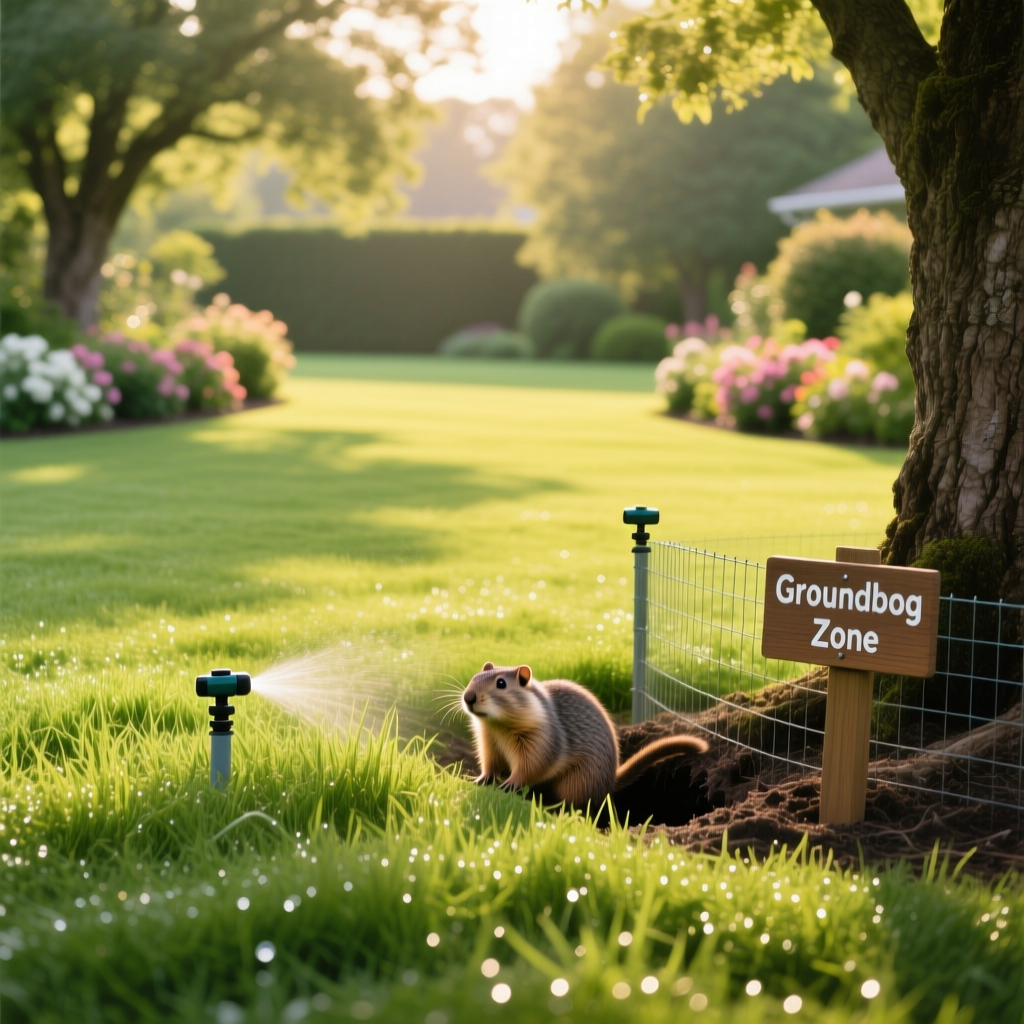
Effective Groundhog Removal Tips: Protect Your Lawn & Garden
Mike RodriguezPublished
Groundhogs (Marmota monax), affectionately known as woodchucks or whistle-pigs, are large, herbivorous rodents native to North America. While they play an important role in the local ecosystem by aerating soil and providing abandoned burrows for other wildlife, they are often unwelcome guests in residential landscapes. A single groundhog can consume up to a third of its body weight in vegetation daily, making your lush lawn & carefully cultivated garden an irresistible all-you-can-eat buffet.
Beyond eating your prized plants, groundhogs are prolific excavators. Their extensive underground tunnel networks can undermine patios, sheds, and even home foundations, leading to costly structural damage. If you have noticed mysterious mounds of dirt, collapsed turf, or half-eaten vegetables, you likely have a groundhog problem. Fortunately, with the right strategies, you can reclaim your yard. This comprehensive guide covers everything from identification & prevention to DIY trapping & natural deterrents, ensuring you have the tools needed for effective groundhog removal.
Identifying Groundhogs & Their Damage
Before implementing any pest control strategy, it is crucial to correctly identify the culprit. Groundhogs are the largest members of the squirrel family, typically measuring between 16 & 27 inches in length and weighing up to 13 pounds. They have stocky bodies, short legs, and coarse, brownish-grey fur. Unlike other common lawn pests, groundhogs are diurnal, meaning they are most active during the early morning & late afternoon.
Properly identifying lawn pests is essential because the damage they cause varies significantly. While moles leave raised, volcano-shaped mounds & surface ridges, and voles create shallow, surface-level runways, groundhogs excavate massive, deep burrow systems. A groundhog burrow can extend up to 66 feet in length & reach depths of 5 feet. You will typically notice a large, fan-shaped mound of excavated dirt at the main entrance, which is usually 10 to 12 inches wide.
The damage groundhogs inflict on your property generally falls into two categories: agricultural & structural.
- Agricultural Damage: Groundhogs have a voracious appetite for clover, alfalfa, dandelions, & garden vegetables. You will notice clean, angled cuts on plant stems, missing fruits & vegetables, & stripped bark from young trees.
- Structural Damage: Their tunneling habits can cause the ground to sink or collapse, creating hazardous divots in your lawn that can lead to twisted ankles or damaged mower blades. If you need advice on fixing bare spots & uneven terrain caused by burrowing animals, addressing the pest is always the mandatory first step.
Proactive Prevention & Exclusion Strategies
The most effective way to handle a groundhog infestation is to prevent them from settling in your yard in the first place. Groundhogs are opportunistic creatures that seek out areas with abundant food, water, & protective cover. By modifying your habitat & implementing physical barriers, you can make your property significantly less attractive to these digging rodents.
Exclusion fencing is the gold standard for groundhog prevention. Standard chicken wire is insufficient, as groundhogs possess powerful jaws & sharp claws that can easily breach flimsy materials. Instead, use heavy-duty hardware cloth or welded wire fencing. To be truly effective, the fence must be at least 3 feet high above ground & buried at least 12 inches deep. Furthermore, the bottom 12 inches of the buried portion should be bent outward into an 'L' shape, pointing away from the garden. When a groundhog attempts to dig under the fence, it will hit the wire barrier & give up, as they rarely dig backward to bypass an obstacle.
Habitat modification is equally important. Groundhogs prefer to nest near brush piles, tall grass, & overgrown shrubs where they can hide from predators like coyotes, foxes, & hawks. Maintaining mowing best practices & keeping your turf trimmed reduces their sense of security. Additionally, remove woodpiles, clear out dense underbrush, & ensure your compost bins are securely sealed. Following a strict spring lawn care checklist will help you identify & eliminate potential hiding spots early in the season before groundhogs establish their summer burrows.
DIY Groundhog Removal & Trapping
If prevention methods have failed & a groundhog has already established a burrow on your property, humane live trapping is the most reliable DIY removal method. Live traps, such as those made by Havahart, allow you to capture the animal without harming it. However, trapping requires patience, proper baiting, & an understanding of local wildlife regulations.
When selecting a trap, choose a single-door or double-door live trap constructed of heavy-gauge steel. Groundhogs are strong & can easily bend weak wire mesh. Place the trap directly in the groundhog's primary path, usually just outside the main entrance of their burrow. To mask your human scent, which can deter these cautious animals, rub the trap with dirt, leaves, or grass from the surrounding area before setting it.
Bait selection is critical for a successful capture. While groundhogs eat a wide variety of vegetation, they have a strong preference for sweet, aromatic foods. The best baits include:
- Cantaloupe: The strong scent & high sugar content make this the ultimate groundhog bait.
- Strawberries & Sweet Corn: Fresh, sweet produce works exceptionally well, especially in mid-summer.
- Peanut Butter: Smeared on a piece of wood or cardboard inside the trap, the sticky texture forces the animal to work for it, triggering the trap mechanism.
Once you set the trap, it is imperative to check it at least twice a day, ideally in the early morning & late evening. Leaving a trapped animal in the hot sun without water is inhumane & can be fatal. When you successfully capture a groundhog, cover the trap with a light blanket to calm the animal before transporting it. Always wear thick leather gloves, as a cornered groundhog will bite & scratch aggressively in self-defense.
Natural Repellents & Deterrent Plants
For homeowners who prefer not to trap or handle wildlife, natural repellents offer a non-lethal alternative to keep groundhogs at bay. These methods work by targeting the groundhog's highly developed senses of smell & taste, creating an invisible barrier around your most vulnerable plants.
Castor oil is one of the most effective natural repellents for burrowing animals. When mixed with water & a few drops of dish soap, castor oil coats the soil & plant roots, causing mild digestive distress if the groundhog ingests it. This encourages them to relocate their foraging elsewhere. You can also sprinkle Epsom salts or crushed garlic around the perimeter of your garden beds. Reapplication is necessary after heavy rainfall or irrigation, which is a vital consideration if you are utilizing core aeration & deep watering schedules to maintain a healthy lawn.
Strategic planting can also serve as a biological deterrent. Groundhogs have strong aversions to plants with pungent odors, toxic properties, or prickly textures. Incorporating the following plants into your landscape design can help repel them:
- Alliums (Ornamental Onions & Garlic): The strong sulfur compounds are highly offensive to a groundhog's sensitive nose.
- Daffodils & Crown Imperial: These bulbs contain toxic alkaloids that groundhogs instinctively avoid.
- Marigolds & Lavender: While pleasant to humans, the intense aromatic oils of these flowers mask the scent of more desirable crops.
Additionally, installing vibrating stakes, ultrasonic repellents, or simple pinwheels near burrow entrances can create an environment of constant disturbance. Groundhogs are highly alert to predators, & persistent vibrations or unfamiliar noises will often convince them that the area is unsafe.
When to Call Professional Wildlife Control
While DIY methods are effective for minor infestations, there are scenarios where professional intervention is necessary. If a groundhog has established a massive tunnel network beneath your home's foundation, a concrete slab, or a heavy shed, attempting to trap them yourself may not resolve the underlying structural risk. Professionals have the tools & expertise to safely evict the animals & properly backfill & secure the voids to prevent future collapses.
Furthermore, wildlife laws vary significantly by state & municipality. In many regions, groundhogs are classified as rabies vector species, making it strictly illegal for unlicensed individuals to trap & relocate them across county or state lines. Improper relocation can result in hefty fines & the spread of disease to new ecosystems. If you are unsure about the legalities, or if you are simultaneously dealing with other complex burrowing pests, consulting experts who specialize in mole control & vole damage repair is highly recommended. Licensed wildlife removal services ensure that the animals are handled ethically, legally, & humanely.
Frequently Asked Questions
What is the best bait to use in a groundhog trap?
The most effective bait for a groundhog trap is fresh cantaloupe. The strong, sweet aroma attracts them from a distance, & they rarely resist it. Strawberries, sweet corn, & peanut butter are also excellent alternatives. Avoid using leafy greens or standard garden weeds, as groundhogs can easily find these outside the trap & may not feel compelled to enter the cage.
Do groundhogs hibernate, and will they leave on their own?
Yes, groundhogs are true hibernators. In late autumn, they retreat to their deep burrows, seal the entrances with dirt, & enter a state of torpor where their body temperature & heart rate drop significantly. They typically hibernate from late fall until early spring. While they will disappear during the winter months, they will absolutely return to the same burrow system when they wake up. Therefore, waiting for winter is not a viable long-term removal strategy; you must address the problem during their active seasons.
Can groundhogs carry diseases that affect humans or pets?
While groundhogs are not the primary carriers of rabies, they are mammals & can theoretically contract & transmit the virus if bitten by an infected predator. More commonly, groundhogs carry external parasites like fleas & ticks, which can transmit Lyme disease to your pets or family members. They can also carry roundworms. It is always best to avoid direct contact with groundhogs & their feces, & to ensure your pets are up to date on their vaccinations & preventative medications.
How deep do groundhog burrows go?
Groundhog burrows are remarkably complex & deep. While the main tunnel may only be a few feet below the surface, they dig specialized chambers that can reach depths of 5 feet or more. These deep chambers serve as hibernation dens & toilet rooms, protecting them from freezing temperatures & flooding. The extensive nature of these tunnels is why their digging can cause such severe subsidence & damage to residential landscaping & structures.
Is it legal to relocate a trapped groundhog?
The legality of relocating a trapped groundhog depends entirely on your local & state wildlife regulations. In many jurisdictions, it is illegal to relocate rabies vector species, which often includes groundhogs, woodchucks, & raccoons. If relocation is prohibited, local laws may require that the animal be humanely euthanized on the property where it was captured. Always contact your local department of natural resources or a licensed wildlife rehabilitator to understand the specific laws in your area before setting a trap.

