
Pest Control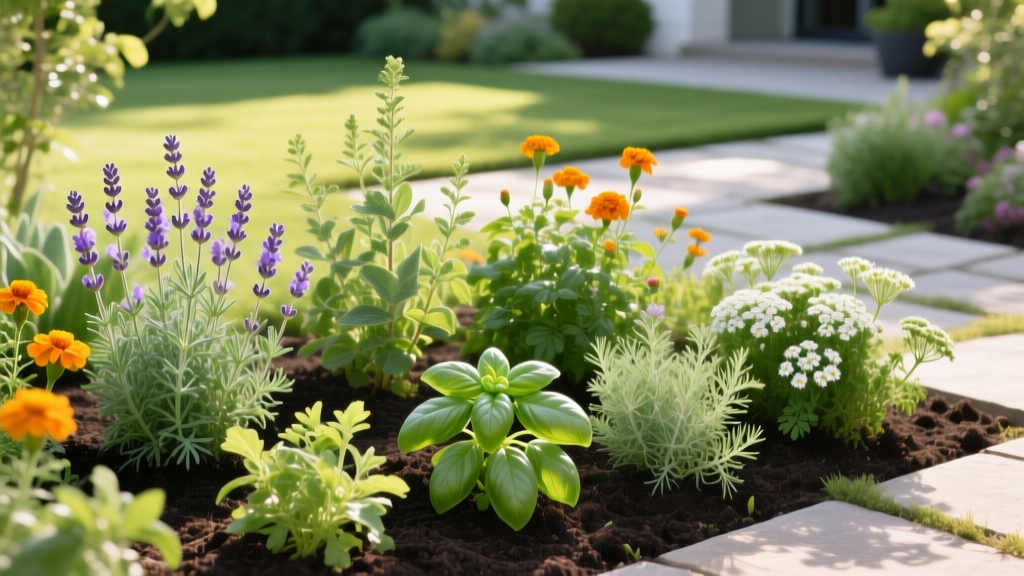
How to Use Plants That Drive Away Insects in Your Garden
Chemical sprays and bug zappers offer temporary relief from yard pests, but they do not address the root of the problem. For homeowners seeking a sustainable, long-term defense, integrating plants that drive away insects into your landscape design provides a continuous, natural barrier. However, simply placing a potted citronella plant in the corner of your yard will not yield results. Botanical repellency requires strategic placement, specific soil conditions, and physical activation to release the volatile organic compounds (VOCs) that deter pests.
This guide details the exact science, layout strategies, and maintenance protocols required to build a functional, pest-repellent garden.
The Science of Botanical Repellency: Terpenes and VOCs
Plants do not repel insects through magic; they do it through chemistry. The primary defense mechanisms are volatile organic compounds (VOCs), specifically terpenes like linalool, limonene, and geraniol. These compounds interfere with the olfactory receptors of insects, masking the carbon dioxide and lactic acid plumes that attract mosquitoes, aphids, and beetles to your yard.
According to the Environmental Protection Agency's guidelines on natural pest control, botanical repellents are most effective when used as a localized barrier rather than a broad-area treatment. The concentration of these VOCs drops off exponentially beyond a 3-foot radius from the plant's foliage, which dictates how you must space and arrange your garden.
Top Botanical Repellents: Selection and Spacing Matrix
Not all repellent plants target the same pests. Use the matrix below to select the right species for your specific pest pressure and microclimate. Note the strict spacing requirements; overcrowding leads to fungal issues, while under-planting breaks the chemical barrier.
| Plant Species | Target Pests | Optimal Spacing | Soil pH & Drainage | USDA Hardiness Zones |
|---|---|---|---|---|
| Tagetes erecta (African Marigold) | Whiteflies, Nematodes, Tomato Hornworms | 10–12 inches apart | 6.0–7.5; Moderate drainage | 2–11 (Grown as annual) |
| Cymbopogon nardus (True Citronella Grass) | Mosquitoes, Black Flies | 24–36 inches apart | 5.0–8.4; High moisture retention | 10–12 (Tender perennial) |
| Lavandula angustifolia (English Lavender) | Moths, Fleas, Ticks | 18–24 inches apart | 6.5–7.5; Requires sharp drainage | 5–8 |
| Allium schoenoprasum (Chives) | Aphids, Japanese Beetles, Carrot Flies | 6–8 inches apart | 6.0–7.0; Loamy, well-draining | 3–9 |
| Salvia rosmarinus (Rosemary) | Carrot Rust Flies, Bean Beetles, Slugs | 24–30 inches apart | 6.0–7.0; Sandy, highly porous | 8–10 |
Step-by-Step: Designing Your Repellent Garden Layout
To maximize the efficacy of plants that drive away insects, you must design your landscape in concentric defense zones. Research from the University of Minnesota Extension highlights that companion planting and perimeter buffering significantly reduce pest migration into high-traffic and high-value crop areas.
Zone 1: The 3-Foot Patio Buffer
Insects locate hosts by following scent plumes. You must intercept these plumes before they reach your seating areas. Plant dense borders of Lavandula angustifolia or Pelargonium varieties exactly 18 to 24 inches from the edge of your patio furniture. This creates a 3-foot chemical buffer zone that disrupts mosquito navigation.
Zone 2: The Vegetable Garden Intercrop
Monoculture vegetable beds are easy targets for specialized pests. Use the "trap-and-repel" intercropping method. Plant rows of African Marigolds every 4 feet between your tomato and pepper plants. The marigold roots exude alpha-terthienyl, a compound that suppresses root-knot nematodes in the soil, while the airborne scent masks the volatile emissions of the vegetable crops.
Zone 3: The Perimeter Windbreak
For larger properties, plant tall, dense clumps of True Citronella Grass or Lemongrass (Cymbopogon citratus) along the prevailing windward property line. As the wind passes through the grass blades, it carries the repellent terpenes across your yard, creating a wide-area deterrent effect.
The "Activation" Secret: Why Intact Plants Fail
The most common failure mode in botanical pest control is assuming that a plant passively repels insects simply by existing in the soil. In reality, intact leaves emit very low levels of VOCs. The oils are stored in microscopic glandular trichomes on the leaf surface and must be physically ruptured to release their payload.
Pro-Tip: The Daily Bruising Technique
To activate your repellent plants, you must physically disturb the foliage. When walking past your lavender or rosemary borders, gently brush your hands against the leaves. For patio plants like citronella geraniums, lightly crush or roll 3 to 4 leaves between your fingers every evening before you sit outside. This manual rupture releases a concentrated burst of terpenes that will linger in the immediate air for 45 to 60 minutes.
To activate your repellent plants, you must physically disturb the foliage. When walking past your lavender or rosemary borders, gently brush your hands against the leaves. For patio plants like citronella geraniums, lightly crush or roll 3 to 4 leaves between your fingers every evening before you sit outside. This manual rupture releases a concentrated burst of terpenes that will linger in the immediate air for 45 to 60 minutes.
Common Mistakes and Consumer Traps
When purchasing plants that drive away insects, garden centers often mislabel species, leading to poor pest control results. Avoid these specific pitfalls:
- The "Citronella Plant" Scam: Many big-box stores sell Pelargonium citrosum (Citronella Scented Geranium) labeled as a mosquito repellent. While it smells like citronella when crushed, it produces virtually zero airborne repellent VOCs. Always seek out true Citronella Grass (Cymbopogon nardus) or Lemon Balm (Melissa officinalis) for genuine mosquito deterrence.
- Overwatering Mediterranean Herbs: Lavender and Rosemary are highly susceptible to Phytophthora root rot. If your soil retains water for more than 2 hours after heavy rain, these plants will die. Amend your planting holes with a mix of 40% native soil, 30% coarse pumice, and 30% composted pine bark to ensure rapid drainage.
- Allowing Repellent Plants to Bolt: When herbs like basil or mint flower (bolt), their energy shifts from leaf and oil production to seed development. The concentration of pest-repelling terpenes drops by up to 60%. Pinch off flower buds immediately to maintain high oil concentrations in the foliage.
Pet Safety and Toxicity Warnings
While natural to humans, the essential oils in many repellent plants are highly toxic to domestic pets. The ASPCA notes that the linalool and pinene compounds found in high concentrations in lavender, rosemary, and peppermint can cause central nervous system depression in cats and dogs if ingested, or severe contact dermatitis if the animals brush against freshly bruised leaves.
Warning for Pet Owners:
If you have outdoor cats or dogs that roam the garden, avoid planting Mentha piperita (Peppermint), Lavandula (Lavender), and Allium species (Chives/Garlic) in low-lying borders where pets sleep or groom. Opt for pet-safe alternatives like Tagetes (Marigolds) or Cymbopogon (Lemongrass), which are generally non-toxic to mammals in their growing state.
If you have outdoor cats or dogs that roam the garden, avoid planting Mentha piperita (Peppermint), Lavandula (Lavender), and Allium species (Chives/Garlic) in low-lying borders where pets sleep or groom. Opt for pet-safe alternatives like Tagetes (Marigolds) or Cymbopogon (Lemongrass), which are generally non-toxic to mammals in their growing state.
Seasonal Maintenance for Maximum Potency
The potency of botanical repellents fluctuates with the seasons. To maintain a continuous defense, follow this maintenance schedule:
- Spring (Soil Prep): Apply a 1-inch layer of compost to marigold and allium beds. Avoid high-nitrogen synthetic fertilizers; excess nitrogen promotes rapid, watery leaf growth that dilutes essential oil concentrations.
- Summer (Pruning): Harvest or prune back rosemary and lavender by 20% in mid-July. This forces the plant to produce a second flush of new, oil-rich growth just in time for the peak mosquito season in August.
- Fall (Overwintering): True Citronella grass will not survive freezing temperatures. In zones below 10, dig up the root clumps in late October, shear the foliage back to 6 inches, and store the roots in a cool, dark basement in slightly damp sand until spring.
Frequently Asked Questions
Do plants that drive away insects work as well as DEET?
No. DEET provides a proven 95%+ repellency rate on human skin for up to 8 hours. Botanical plants provide an ambient, area-wide reduction in pest density (typically 30% to 50% fewer landings in the immediate 3-foot zone). They are best used as a complementary landscape feature, not a total replacement for personal repellents in heavily infested, wooded areas.
Can I grow these repellent plants in containers?
Yes, and containers are often superior for patio defense. Use 12-inch diameter pots with bottom drainage holes. Container growing allows you to physically move the plants to follow your seating arrangements and ensures you can control the exact soil drainage profile required by sensitive species like lavender.
Will planting mint repel ants from my house foundation?
Mint (Mentha) is a strong ant deterrent due to its high menthol content, but planting it directly against your foundation is a mistake. Mint is highly invasive and its rhizomes can penetrate small cracks in concrete, potentially worsening structural moisture issues. Instead, plant mint in isolated, sunken metal containers placed 2 feet away from the foundation to create a scent barrier without the root risk.

