
Pest Control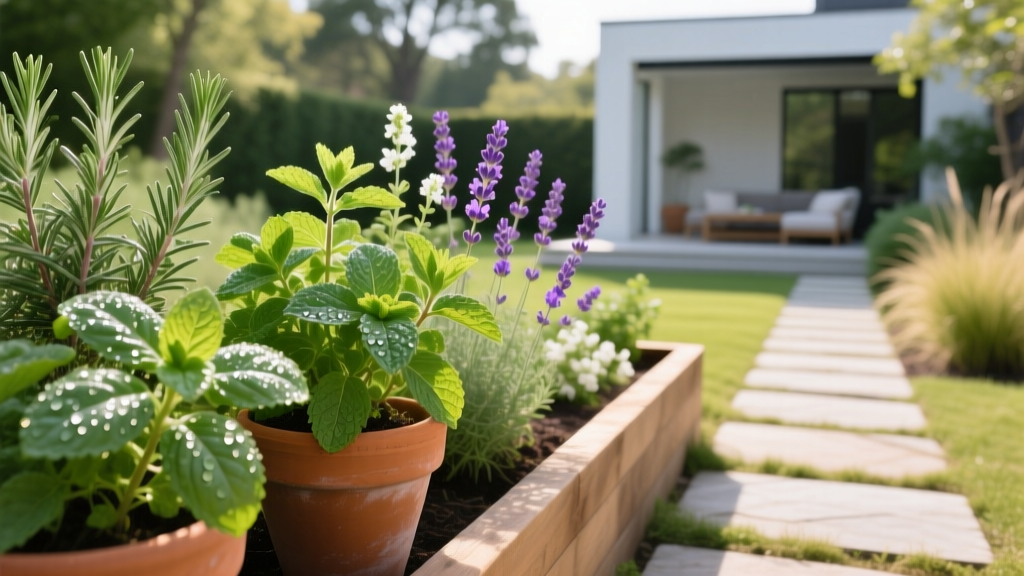
Top Herbs That Repel Bugs: A Yard Defense Planting Guide
The Science of Botanical Yard Defense
Relying on synthetic chemical barriers for patio and yard defense is increasingly being replaced by strategic botanical planting. The efficacy of herbs that repel bugs does not come from magic; it is rooted in plant biochemistry. These plants produce Volatile Organic Compounds (VOCs) and essential oils—such as linalool, citronellal, pulegone, and 1,8-cineole—as natural defense mechanisms against herbivorous insects. When released into the air, these compounds mask the carbon dioxide and lactic acid trails that pests like mosquitoes and ticks use to locate hosts.
According to the Environmental Protection Agency (EPA), many of these botanical oils are classified as minimum-risk active ingredients because they disrupt insect octopamine receptors without posing significant hazards to mammals. However, simply scattering a few potted plants around your deck will not yield results. Effective yard defense requires understanding cultivar selection, strategic perimeter layout, and proper oil-release techniques.
Strategic Perimeter Planting Layout
To create a functional defensive zone, you must treat your herbs as a living barrier rather than mere decoration. The goal is to establish a high-concentration VOC microclimate around your primary outdoor living spaces.
- The 3-Foot Buffer Rule: Plant your most aggressive aromatic herbs (like peppermint and lemon balm) in a continuous 3-foot-wide border between the woods/tall grass and your patio.
- Airflow Interception: Identify the prevailing wind direction in your yard during summer evenings. Plant tall, woody herbs like rosemary and lavender upwind of your seating area so the breeze carries the volatile oils directly over your patio.
- Elevation Strategy: Place potted basil and lemon balm on tables and railings at a height of 30 to 36 inches. This targets the specific flight altitude of common house flies and mosquitoes.
The Core Arsenal: 5 Proven Herbs That Repel Bugs
Not all herbs are created equal. The specific cultivar you choose dictates the concentration of repellent oils. Below are the top performers for yard defense.
1. Rosemary (Rosmarinus officinalis 'Tuscan Blue')
Target Pests: Mosquitoes, carrot rust flies, and cabbage moths.
Active Compounds: Camphor and 1,8-cineole.
Planting Specs: 'Tuscan Blue' is an upright, vigorous cultivar that grows up to 6 feet tall, making it an excellent upwind windbreak. It requires full sun (minimum 6 hours) and well-draining, slightly alkaline soil (pH 6.5-7.0). Overwatering dilutes its essential oil concentration, so allow the top 2 inches of soil to dry out completely between waterings.
2. Peppermint (Mentha × piperita 'Mitcham')
Target Pests: Rodents, ants, spiders, and aphids.
Active Compounds: Pulegone and menthol.
Planting Specs: 'Mitcham' peppermint has a high menthol content (up to 50% of its essential oil profile). The strong scent is highly aversive to foraging mice and ants. Crucial Warning: Never plant peppermint directly in garden beds. Its aggressive rhizome network will choke out neighboring plants. Always grow it in 12-inch deep, bottom-sealed containers or fabric grow bags.
3. Lavender (Lavandula angustifolia 'Munstead')
Target Pests: Fleas, ticks, moths, and black flies.
Active Compounds: Linalool and linalyl acetate.
Planting Specs: 'Munstead' is a compact, cold-hardy English lavender perfect for border edging. Linalool is a widely used active ingredient in commercial pet flea shampoos. Plant in poor, sandy soil; high-nitrogen fertilizers will produce lush foliage but drastically reduce the flower and oil yield required for pest deterrence.
4. Lemon Balm (Melissa officinalis)
Target Pests: Mosquitoes, gnats, and no-see-ums.
Active Compounds: Citronellal and geraniol.
Planting Specs: Lemon balm contains up to 20% citronellal in its leaf glands. It thrives in partial shade, making it ideal for planting under the canopy of patio umbrellas or near shaded deck stairs. Like mint, it is a prolific re-seeder; deadhead flowers before they drop seed to maintain a controlled perimeter.
5. Basil (Ocimum basilicum 'Genovese')
Target Pests: House flies, asparagus beetles, and hornworms.
Active Compounds: Eugenol and linalool.
Planting Specs: 'Genovese' offers large leaves with high eugenol content, which is toxic to many fly species. Plant in 14-inch pots on outdoor dining tables. Pinch off flower spikes weekly to force the plant to direct energy into producing pest-repelling leaf oils rather than seed production.
Comparative Matrix: Efficacy, Cultivation, and Pet Safety
When integrating these plants into a family yard, cross-referencing pest efficacy with pet safety is mandatory. The ASPCA Toxic and Non-Toxic Plants database highlights that certain essential oils are dangerous to cats and dogs if ingested in large quantities.
| Herb Cultivar | Primary Target Pests | Active VOC | Sun / Soil Needs | Pet Toxicity Risk |
|---|---|---|---|---|
| Rosemary ('Tuscan Blue') | Mosquitoes, Flies | 1,8-cineole | Full Sun / Well-drained | Non-toxic (safe) |
| Peppermint ('Mitcham') | Rodents, Ants | Pulegone | Part Sun / Moist | Mild GI upset if eaten in bulk |
| Lavender ('Munstead') | Fleas, Ticks | Linalool | Full Sun / Poor, sandy | Mild toxicity (contains linalool) |
| Lemon Balm | Mosquitoes, Gnats | Citronellal | Part Shade / Loam | Non-toxic (safe) |
| Basil ('Genovese') | House Flies | Eugenol | Full Sun / Rich loam | Non-toxic (safe) |
Maximizing Efficacy: DIY Volatile Oil Extraction Spray
Passive planting works, but physically disturbing the leaves and applying a concentrated herbal spray to your patio furniture and perimeter fencing amplifies the defense. Commercial botanical sprays cost $15 to $25 per bottle, but you can extract your own VOCs for pennies.
The 24-Hour Herbal Extraction Recipe:
- Harvest: Pick 4 ounces of fresh lemon balm and peppermint leaves early in the morning when oil concentrations are highest.
- Maceration: Lightly crush the leaves in a stone mortar to break the cellular walls and expose the glandular trichomes.
- Steeping: Pour 2 cups of boiling distilled water over the crushed herbs. Cover tightly and let steep for 24 hours at room temperature.
- Emulsification: Strain the liquid through a cheesecloth. Add 1 teaspoon of liquid castile soap. Note: The soap acts as a surfactant, allowing the water and essential oils to bind and adhere to surfaces rather than immediately evaporating.
- Application: Transfer to an amber glass spray bottle (UV light degrades VOCs). Spray on patio railings, outdoor cushions, and the base of your perimeter fencing every 3 days.
Common Cultivation Mistakes That Reduce Repellency
Many homeowners report failure with botanical pest control due to improper horticultural practices that strip the plants of their defensive chemistry.
1. The Nitrogen Trap
Applying high-nitrogen synthetic fertilizers (like a 24-8-16 NPK ratio) forces the plant to produce rapid, watery vegetative growth. This dilutes the concentration of essential oils per square inch of leaf tissue. To maintain high VOC output, feed herbs only once in early spring with a low-nitrogen, slow-release organic fertilizer (such as a 4-4-4 kelp and feather meal blend).
2. Ignoring Soil pH
Lavender and rosemary are Mediterranean natives that require alkaline soil to synthesize camphor and linalool efficiently. If planted in acidic soil (pH below 6.0), they will suffer from nutrient lockout, resulting in yellowing foliage and a severe drop in pest-repelling oils. Test your soil and amend with dolomitic lime if necessary to reach a 6.8 to 7.2 pH.
3. Improper Companion Planting
As noted by Clemson University's Home & Garden Information Center, companion planting relies on chemical synergy. Planting moisture-loving lemon balm next to drought-tolerant lavender forces you to choose between overwatering the lavender (causing root rot) or underwatering the lemon balm (stunting oil production). Always group herbs by their hydrological and soil requirements, not just their pest-repelling properties.
Final Yard Defense Considerations
Integrating herbs that repel bugs into your landscape is a highly effective, ecologically sound method of reducing pest pressure, but it is not a standalone silver bullet. Botanical defenses work best when combined with physical yard maintenance: eliminating standing water where mosquitoes breed, keeping turf mowed to a 3-inch height to reduce tick habitats, and sealing foundation cracks to block rodent entry points. By combining strategic perimeter planting, targeted cultivar selection, and active VOC extraction, you can reclaim your outdoor spaces from insects and rodents without resorting to broad-spectrum synthetic pesticides.

