
Pest Control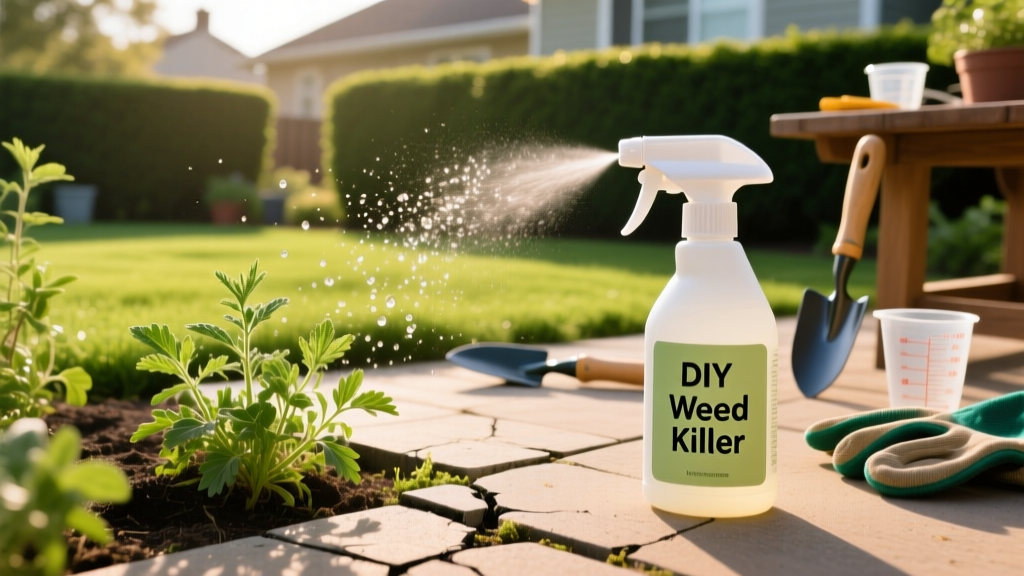
How to Make a DIY Weed Killer Vinegar Spray That Actually Works
Most online recipes for a diy weed killer vinegar spray rely on 5% distilled white vinegar sourced from the grocery store aisle. This approach is fundamentally flawed and leads to widespread frustration. Household vinegar lacks the acetic acid concentration required to permanently rupture plant cell membranes, resulting in temporary leaf burn followed by rapid regrowth within 48 hours. To achieve systemic-level desiccation without resorting to synthetic chemicals like glyphosate or 2,4-D, you must formulate a solution using 20% to 30% horticultural-grade acetic acid combined with a specialized non-ionic surfactant.
This guide details the exact chemical mechanics, 2026 ingredient pricing, and application protocols required to build an organic, non-selective contact herbicide that actually destroys unwanted vegetation in your driveway cracks, patio pavers, and lawn borders.
The Science of Acetic Acid: Why 5% Household Vinegar Fails
Acetic acid functions as a contact herbicide through rapid desiccation. When applied to foliage, it strips the waxy cuticle of the leaf and lowers the intracellular pH, causing the cell membranes to leak and collapse. However, the efficacy of this mechanism is entirely dependent on concentration and the plant's developmental stage.
Standard culinary vinegar contains roughly 5% acetic acid. While this will singe the delicate tissue of newly germinated seedlings, it lacks the chemical potency to penetrate the thick, waxy cuticles of mature broadleaf weeds or grassy weeds. Furthermore, without a surfactant to break the surface tension of the water, 5% vinegar simply beads up and rolls off the leaf surface, wasting the active ingredient.
⚠ The Salt Myth: A Warning on Soil Toxicity
Many viral recipes suggest adding table salt (sodium chloride) or Epsom salt (magnesium sulfate) to vinegar solutions to "ensure the weed never returns." Do not do this. Sodium accumulates in the soil profile, destroying soil structure, killing beneficial mycorrhizal fungi, and creating a toxic environment that will prevent grass seed or desirable plants from germinating in that spot for years. Rely strictly on high-concentration acetic acid and organic surfactants.
The Ultimate Horticultural DIY Weed Killer Vinegar Recipe
To create a highly effective, organic-compliant contact herbicide, you need three specific components. According to the EPA's minimum risk pesticide guidelines, acetic acid is exempt from standard pesticide registration when used as a minimum-risk active ingredient, making it a highly accessible tool for organic lawn care.
| Ingredient | Measurement | 2026 Avg. Cost | Chemical Purpose |
|---|---|---|---|
| 30% Horticultural Vinegar | 128 oz (1 Gallon) | $28.00 - $35.00 | Active ingredient; rapid cellular desiccation. |
| Non-Ionic Surfactant (e.g., Methylated Seed Oil or Alligare 90) | 2.0 oz | $15.00 - $22.00 | Reduces surface tension; forces acid through the leaf cuticle. |
| d-Limonene (Pure Orange Oil Extract) | 1.0 oz | $12.00 - $18.00 | Solvent that dissolves waxy weed coatings; adds burndown speed. |
Mixing Protocol: Always add the 30% vinegar to your pump sprayer tank first. Follow with the d-limonene, and add the non-ionic surfactant last to prevent excessive foaming. Gently swirl the tank to agitate; do not shake vigorously.
Application Protocol: Timing, Temperature, and Technique
The failure rate of organic herbicides spikes when homeowners ignore environmental variables. Acetic acid does not possess systemic translocation properties (it will not travel down to the roots through the plant's phloem). It relies entirely on top-growth burn-down. Therefore, maximizing environmental stress on the weed is critical.
The "Golden Window" Decision Matrix
Only deploy your diy weed killer vinegar spray when the following conditions align:
- Temperature: Ambient air temperature must be between 75°F and 90°F (24°C - 32°C). Heat accelerates the desiccation process. Spraying below 60°F will result in a 60% reduction in efficacy.
- UV Index: Apply between 10:00 AM and 2:00 PM when solar radiation is at its peak. UV light works synergistically with the acid to scorch the compromised leaf tissue.
- Moisture: Foliage must be completely dry. Morning dew or recent irrigation will dilute the acid on contact, neutralizing the burn.
- Wind Speed: Less than 5 MPH. High-concentration acetic acid causes severe drift damage to desirable ornamentals and turfgrass. Use a shielded sprayer nozzle or a cardboard baffle when treating lawn edges.
Target Weeds vs. Immune Weeds: Managing Expectations
Because this is a contact-only herbicide, it is highly effective on annuals and seedlings, but struggles with established perennials that store massive energy reserves in deep taproots or rhizomes. Consult this matrix before treating your landscape.
| Highly Susceptible (1-2 Applications) | Moderately Resistant (3-4 Applications) | Immune / Do Not Spray |
|---|---|---|
| Crabgrass (seedling stage), Chickweed, Henbit, Annual Bluegrass (Poa annua), Spurge. | Dandelion (mature), Plantain, Clover, Oxalis. | Field Bindweed, Yellow Nutsedge, Japanese Knotweed, Wild Violet, Bermuda grass (established). |
For moderately resistant weeds like mature dandelions, the initial spray will burn the foliage to the crown. The plant will attempt to push new growth from the taproot within 7 to 10 days. You must re-spray the new, tender growth immediately to exhaust the root's carbohydrate reserves. As detailed in Oregon State University's non-chemical weed management guidelines, repeated defoliation is the only way to starve perennial taproots without synthetic systemic chemicals.
Safety, PPE, and Soil Health Considerations
There is a dangerous misconception that "organic" or "natural" equates to "safe for human contact." 30% acetic acid is highly corrosive. It is the same chemical used in industrial pickling and commercial cleaning. Exposure to the eyes can cause irreversible corneal damage, and inhalation of the aerosolized mist can trigger severe respiratory spasms.
"When handling acetic acid concentrations above 17%, standard household gardening gear is insufficient. You are handling a corrosive acid that requires chemical-grade personal protective equipment to prevent severe tissue burns."
Mandatory PPE for 30% Acetic Acid:
- Eye Protection: ANSI Z87.1-rated chemical splash goggles (standard safety glasses are insufficient as they do not seal against liquid runoff).
- Hand Protection: Thick, chemical-resistant nitrile or neoprene gloves (minimum 15 mil thickness). Standard latex gardening gloves will degrade rapidly.
- Respiratory: An N95 or P100 particulate mask is recommended when spraying in enclosed spaces or on highly windy days to prevent mist inhalation.
Soil Impact: Acetic acid breaks down rapidly in the soil. Microbes metabolize the acetate within 48 to 72 hours, leaving no toxic residual. It will not alter your long-term soil pH, making it safe to use in areas where you plan to overseed or plant ornamentals just one week after the final application.
Frequently Asked Questions
Can I use apple cider vinegar instead of white horticultural vinegar?
No. Apple cider vinegar typically maxes out at 5% to 6% acetic acid and contains sugars and organic compounds that will attract pests and feed soil bacteria rather than burning weeds. You must use clear, distilled horticultural vinegar rated at 20% or 30% acidity.
Will this vinegar solution kill my Bermuda or Zoysia grass if it drifts?
Yes. This is a non-selective contact herbicide. It does not differentiate between a dandelion and your prized turfgrass. Any drift onto desirable grass will cause immediate necrosis (browning) of the leaf blades. While established warm-season grasses may eventually recover from the rhizomes if only lightly misted, heavy overspray will kill the turf down to the soil line. Always use a physical spray shield.
How long do I need to wait before letting my pets walk on the treated area?
Keep pets and children off the treated area until the spray has completely dried, which typically takes 45 to 60 minutes in direct sunlight. Once the liquid has evaporated and the acetic acid has begun breaking down in the soil, the area is entirely safe for foot and paw traffic.

