
Pest Control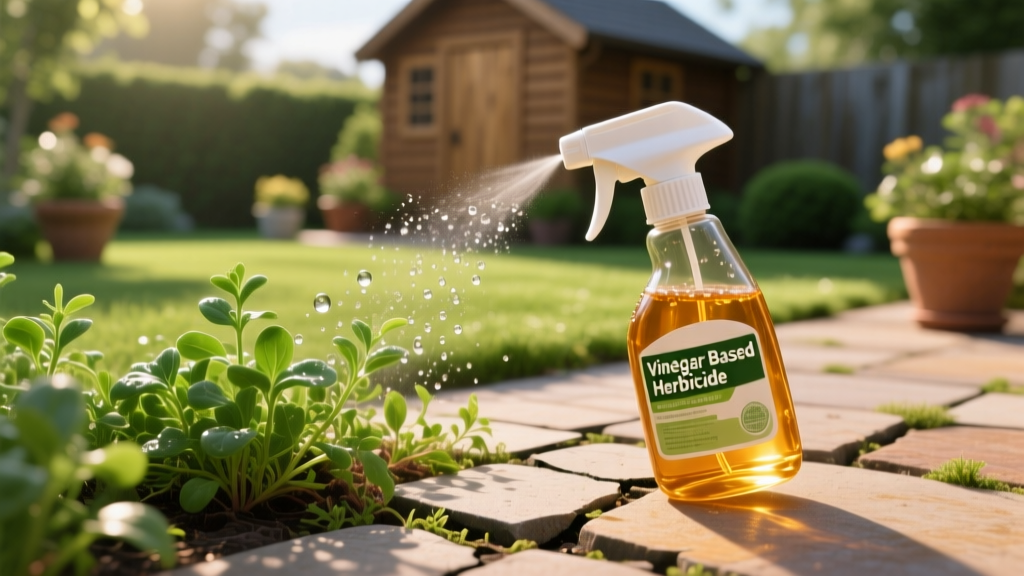
Vinegar Based Herbicide: Mixing Ratios, Application, and Safety Guide
The Chemistry of Acetic Acid Desiccation
A vinegar based herbicide functions as a non-selective, contact-only desiccant. Unlike systemic herbicides such as glyphosate, which translocate through the plant's phloem to destroy root systems, acetic acid operates entirely on contact. When sprayed onto foliage, the acid rapidly ruptures plant cell membranes, causing the cellular contents to leak out and the tissue to desiccate. According to the National Center for Biotechnology Information (PubChem), acetic acid's low pH denatures plant proteins almost instantly upon contact, leading to visible wilting and browning within hours under optimal conditions.
However, the efficacy of a vinegar based herbicide is entirely dependent on the concentration of acetic acid and the cuticle thickness of the target weed. Household culinary vinegar, which sits at a mere 5% acidity, is largely ineffective against anything beyond newly germinated, tender annual seedlings. For mature weeds, horticultural-grade concentrations are mandatory.
Concentration Matrix: Efficacy and Cost Analysis
| Acetic Acid Concentration | Target Weed Stage | Burn-Down Time | Avg. Cost per Gallon (2026) |
|---|---|---|---|
| 5% (Household) | Seedlings (< 2 inches) | 24 - 48 hours | $4.00 - $6.00 |
| 20% (Horticultural) | Mature annuals, young perennials | 2 - 6 hours | $35.00 - $45.00 |
| 30% (Agricultural) | Tough perennials, woody stems | 1 - 3 hours | $55.00 - $70.00 |
Formulating the Ultimate 20% Solution
Pouring straight 20% acetic acid onto weeds is a waste of money and chemical. The waxy cuticle on the leaves of mature weeds (especially broadleaves like plantain and dandelion) repels water-based solutions. To achieve total foliar coverage, you must reduce the surface tension of the liquid and introduce a synergistic solvent.
Pro Formulation Recipe (1 Gallon Batch):
- Base: 1 Gallon of 20% Horticultural Vinegar (e.g., Green Gobbler or Harris 20%).
- Synergist: 4 fl oz of d-limonene (Orange Oil). D-limonene acts as a powerful natural solvent that strips the waxy leaf cuticle, allowing the acetic acid to penetrate the cellular wall instantly.
- Surfactant: 1 tablespoon of a non-ionic surfactant (e.g., Hi-Yield Spreader Sticker or Captain Jack's Deadweed Brew). Do not use standard dish soap; dish soaps are often anionic and can react unpredictably with high-acid solutions, causing excessive foaming in your sprayer tank.
Mix the solution outdoors. Always add the surfactant last to prevent premature foaming. Agitate the tank gently by swirling, not shaking, to maintain the chemical integrity of the d-limonene.
Equipment Selection: The O-Ring Failure Point
The most common mistake homeowners make when applying a vinegar based herbicide is using a standard, cheap pump sprayer. Acetic acid at 20% and 30% concentrations is highly corrosive to standard rubber and latex O-rings, gaskets, and pump seals. Within two or three applications, the seals in a standard sprayer will degrade, leading to pressure loss and hazardous chemical leaks onto your hands.
For organic acid applications, you must invest in a sprayer specifically rated for acidic solutions. Look for the following specifications:
- Tank Material: High-Density Polyethylene (HDPE) or Polypropylene.
- Seals and Gaskets: Viton (fluoroelastomer) or EPDM rubber. Viton is the industry standard for chemical resistance against organic acids.
- Wand and Nozzle: Polyethylene or fiberglass wands with brass or ceramic nozzles. Avoid aluminum components, as acetic acid reacts with aluminum to produce flammable hydrogen gas.
Brands like Chapin and Solo manufacture specific 'acid-resistant' lines (often featuring yellow or red seals) that retail between $45 and $80. This upfront cost prevents equipment failure and protects your skin from corrosive burns.
Application Tactics for Maximum Desiccation
Timing is the single most critical variable in organic weed control. Because a vinegar based herbicide relies on rapid cellular dehydration, environmental conditions dictate your success rate.
The Solar Synergy Window
Apply the solution strictly between 10:00 AM and 2:00 PM on a clear, sunny day. The ultraviolet radiation and peak ambient heat accelerate the desiccation process. Spraying at 8:00 AM when the dew is still present will dilute your solution on the leaf surface, reducing the effective acidity. Spraying in the evening gives the plant overnight hours to attempt cellular repair before the sun bakes the damaged tissue.
Volume and Coverage
Do not drench the soil; you are targeting the foliage. Spray until the leaves are uniformly wet and just beginning to drip. For a standard 1,000 square foot area of driveway cracks or patio pavers, expect to use approximately 1.5 to 2 gallons of the formulated mixture. Ensure the wind speed is below 5 MPH to prevent drift onto desirable ornamental plants or turfgrass, as this mixture is entirely non-selective and will burn any green tissue it contacts.
Limitations, Soil Impact, and Edge Cases
While highly effective for quick burn-down, organic acid herbicides have distinct limitations that homeowners must understand to manage expectations.
Warning: Perennial Root Survival
A vinegar based herbicide is strictly a contact herbicide. It does not translocate to the roots. When treating deep-rooted perennials like bindweed, thistle, or mature dandelions, the top growth will wither and die within 24 hours, but the root system will remain viable. Expect to re-spray new foliage emergence every 7 to 10 days until the root exhausts its carbohydrate reserves. For dense perennial infestations, combining vinegar burn-down with manual root extraction or solarization is required.
A vinegar based herbicide is strictly a contact herbicide. It does not translocate to the roots. When treating deep-rooted perennials like bindweed, thistle, or mature dandelions, the top growth will wither and die within 24 hours, but the root system will remain viable. Expect to re-spray new foliage emergence every 7 to 10 days until the root exhausts its carbohydrate reserves. For dense perennial infestations, combining vinegar burn-down with manual root extraction or solarization is required.
The Soil pH Myth
A persistent myth in gardening circles is that repeated application of horticultural vinegar will permanently lower soil pH, rendering the ground sterile. According to the EPA Safe Pest Control Guidelines and university soil science extensions, this is chemically inaccurate. Acetic acid (CH3COOH) is highly volatile and rapidly biodegrades. Soil microbes break down the acetic acid into water and carbon dioxide within 48 to 72 hours. While a heavy application might cause a microscopic, temporary dip in the top millimeter of soil pH, it has zero long-term buffering effect on the soil profile. You can safely replant treated areas just three days after application without adding lime to correct the soil.
Mandatory Safety Protocols and PPE
Treating 20% or 30% acetic acid like 'salad dressing' is a severe safety hazard. At these concentrations, acetic acid is classified as a corrosive chemical capable of causing irreversible eye damage and severe chemical burns on exposed skin.
Before opening the container, don the following Personal Protective Equipment (PPE):
- Eye Protection: ANSI Z87.1 rated splash-proof goggles. Standard safety glasses are insufficient, as wind-blown mist can easily bypass the side shields.
- Hand Protection: 8-mil (or thicker) Nitrile gloves. Latex gloves degrade rapidly when exposed to high-concentration organic acids and d-limonene solvents.
- Respiratory Protection: If spraying in an enclosed area (like a greenhouse) or on a windy day, use a half-face respirator equipped with organic vapor/acid gas cartridges to prevent inhalation of aerosolized acid droplets.
- Clothing: Long sleeves, long pants, and closed-toe shoes. If the solution saturates your clothing, remove the garments immediately and flush the skin with copious amounts of water.
By respecting the chemistry, utilizing the correct surfactant synergy, and deploying acid-resistant equipment, a vinegar based herbicide becomes one of the most potent and ecologically sound tools in your organic pest and weed management arsenal.

