
Pest Control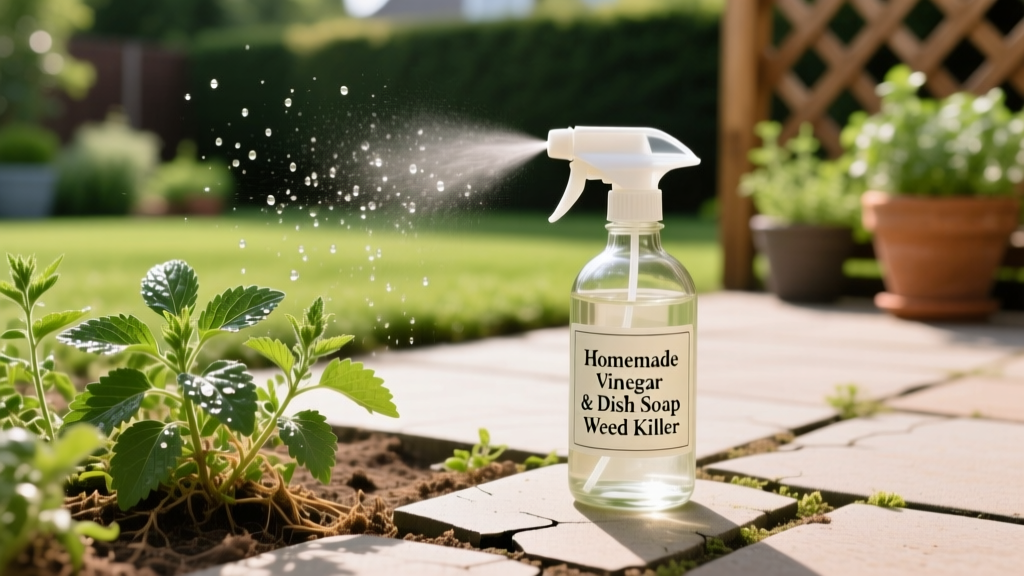
How to Make a Vinegar and Dish Soap Weed Killer That Actually Works
Most internet recipes for organic weed control fail because they rely on culinary white vinegar. While a 5% acetic acid solution might burn the edges of a delicate seedling, it will not kill mature taproot weeds like dandelions or broadleaf plantain. To build a vinegar and dish soap weed killer that actually eradicates established weeds without synthetic chemicals like glyphosate, you must understand the chemistry of desiccation, surfactant mechanics, and proper equipment selection.
The Science: Why Pantry Vinegar Fails
Acetic acid kills weeds by destroying cell membranes, causing rapid desiccation (drying out) of the leaf tissue. However, weed leaves are protected by a waxy outer layer called the cuticle. Water-based solutions naturally bead up and roll off this waxy barrier due to high surface tension (approximately 72 mN/m).
This is where the dish soap comes in. Soap acts as a surfactant (surface-active agent), lowering the surface tension of the liquid to roughly 30 mN/m. This allows the acetic acid to spread evenly across the leaf surface and penetrate the stomata. But surfactant alone is not enough; the acid concentration must be high enough to cause irreversible cellular collapse before the plant can recover.
The Acetic Acid Threshold: According to the National Pesticide Information Center (NPIC), concentrations of 5% to 10% acetic acid only provide temporary burn-down of very young weeds. To achieve a 90% to 100% kill rate on mature annual and perennial weeds, you need horticultural-grade vinegar containing 20% to 30% acetic acid.
Formulating the Ultimate Organic Weed Killer
Creating a highly effective, soil-safe organic herbicide requires precise ratios. Using synthetic dish detergents (like standard Dawn) can introduce phosphates and synthetic degreasers that harm soil microbiomes. For strict organic lawn care, liquid Castile soap is the superior choice.
| Ingredient | Purpose | Exact Measurement | Estimated Cost (2026) |
|---|---|---|---|
| Horticultural Vinegar (20%) | Active ingredient (desiccant) | 1 Gallon | $28 - $35 |
| Liquid Castile Soap | Surfactant (cuticle penetrator) | 2 Tablespoons | $0.50 / batch |
| d-Limonene (Orange Oil) | Synergist (dissolves waxy cuticle) | 1 Cup | $2.00 / batch |
Equipment and Safety Protocols
Handling 20% to 30% acetic acid requires respect. Unlike 5% culinary vinegar, horticultural vinegar is highly corrosive and can cause severe corneal damage and chemical burns.
- Sprayer Selection: Do not use standard hardware store pump sprayers. High-concentration acetic acid will rapidly degrade standard rubber O-rings and seals, causing the sprayer to leak and fail within days. You must use a sprayer with Viton seals and a polypropylene tank.
- PPE Requirements: Wear ANSI Z87.1-rated splash goggles (standard safety glasses leave the sides of your eyes exposed to drift), nitrile gloves, and long sleeves.
Step-by-Step Application Strategy
The efficacy of your vinegar and dish soap weed killer relies heavily on environmental conditions. Acetic acid is a contact herbicide; it does not translocate down to the roots. Therefore, maximizing top-growth burn-down is critical.
- Timing is Everything: Apply between 10:00 AM and 2:00 PM on a clear, sunny day. UV radiation and high temperatures accelerate the desiccation process. Spraying in the shade or late afternoon reduces efficacy by up to 60%.
- Mix the Solution: Add the Castile soap and orange oil to the sprayer tank first, then pour in the horticultural vinegar. This prevents excessive foaming.
- Agitate: Swirl the tank gently to emulsify the soap and oil into the acid base.
- Spray to Wilt: Adjust the nozzle to a medium fan pattern. Coat the weed leaves evenly until they are wet, but avoid heavy runoff into the soil. You should see visible wilting and browning within 2 to 4 hours.
- Follow-Up: Because contact herbicides do not kill deep taproots, monitor the area. A second application may be required 5 to 7 days later if the weed attempts to push new growth from the crown.
Critical Failure Modes and Soil Health Impacts
While organic, this mixture is non-selective and will damage any plant it touches. Furthermore, over-application can lead to localized soil issues.
Warning: Soil Acidification and Aluminum Toxicity
Repeatedly spraying high-concentration acetic acid in the exact same spot lowers the soil pH. In naturally acidic soils, a pH drop below 5.0 can unlock soluble aluminum, which becomes toxic to the roots of future desirable plants. Limit heavy applications to driveway cracks, patios, and gravel paths. For garden beds, use targeted spot-treatment only.
Repeatedly spraying high-concentration acetic acid in the exact same spot lowers the soil pH. In naturally acidic soils, a pH drop below 5.0 can unlock soluble aluminum, which becomes toxic to the roots of future desirable plants. Limit heavy applications to driveway cracks, patios, and gravel paths. For garden beds, use targeted spot-treatment only.
'When transitioning to organic herbicides, homeowners must shift their mindset from systemic eradication to persistent management. Vinegar burns the top growth, but the seed bank and root crowns require ongoing vigilance.' — University of Maryland Extension, Organic Herbicides Guidelines (UMD Extension)
DIY Vinegar Mix vs. Commercial Organic Herbicides
Is it worth mixing your own, or should you buy a pre-formulated commercial organic product? Here is how the DIY vinegar and dish soap weed killer compares to leading commercial alternatives like Avenger Weed Killer or BurnOut.
| Feature | DIY 20% Vinegar + Soap | Commercial d-Limonene/Vinegar Blends |
|---|---|---|
| Cost Per Gallon | ~$32.00 | ~$55.00 - $75.00 |
| Surfactant Quality | Variable (depends on soap used) | Optimized (proprietary emulsifiers) |
| Shelf Stability | Low (mix only what you need today) | High (lasts 2+ years in jug) |
| Odor | Harsh, pungent acid smell | Citrus / Pleasant |
Expert FAQ
Will vinegar kill the grass in my lawn?
Yes. Acetic acid is a non-selective contact herbicide. It will burn turfgrass just as easily as it burns broadleaf weeds. If you are treating weeds in a lawn, you must use a shielded sprayer or a sponge applicator to paint the vinegar directly onto the weed leaves without touching the surrounding grass.
Can I use apple cider vinegar instead of white vinegar?
No. Apple cider vinegar typically maxes out at 5% to 6% acetic acid and contains organic sugars and proteins that can attract pests or foster fungal growth in the soil. Always use distilled horticultural white vinegar for weed control.
Does the EPA regulate vinegar as a pesticide?
The Environmental Protection Agency (EPA) classifies acetic acid under its minimum risk pesticide exemptions when used in certain formulations, but high-concentration (20%+) horticultural vinegar is heavily regulated at the state level regarding its sale and labeling due to its corrosive nature. Always check local regulations regarding the application of high-acidity solutions near waterways or storm drains.

