
Pest Control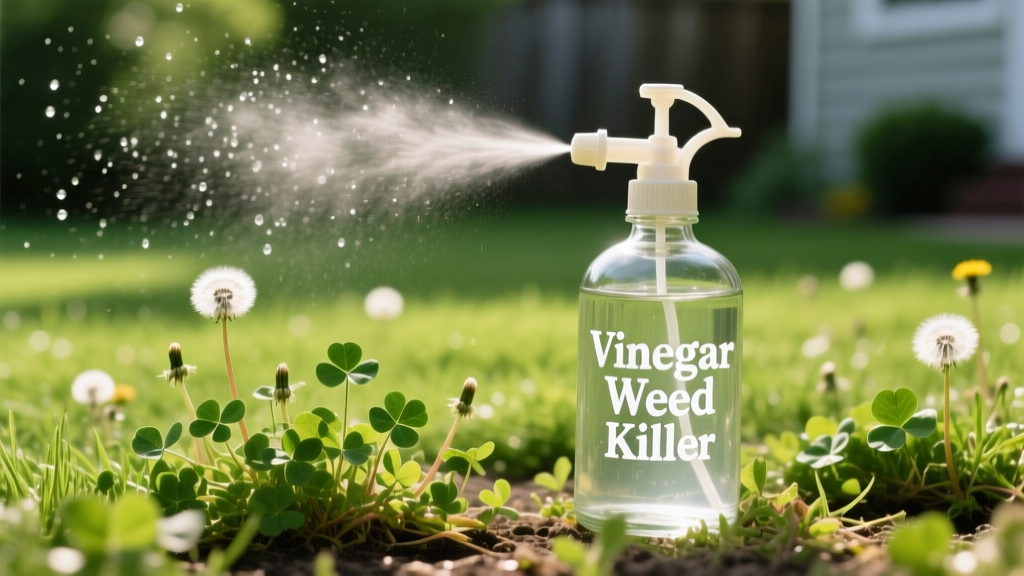
How to Make a Weed Killer Made From Vinegar That Actually Works
Most homeowners searching for a weed killer made from vinegar end up with a recipe involving kitchen pantry staples: 5% white vinegar, table salt, and dish soap. While this mixture might singe the leaves of a newly sprouted seedling, it fails completely against established perennial weeds and introduces severe long-term risks to your soil health. To build an organic, chemical-free herbicide that actually eradicates mature taproots and waxy-leafed invaders, you must upgrade your chemistry and abandon the salt myth.
The Chemistry of Acetic Acid as an Herbicide
Acetic acid functions as a contact herbicide. When applied to foliage, it rapidly penetrates the plant's cell walls, drastically lowering the intracellular pH. This causes the cell membranes to rupture, leaking cellular fluids and resulting in rapid desiccation (drying out) of the leaf tissue. According to Penn State Extension, the efficacy of this mechanism is entirely dependent on the concentration of the acetic acid.
- 5% Acetic Acid (Household Vinegar): Only effective on very young, tender annual weeds with thin cuticles. Fails to kill the root system of mature plants.
- 10% Acetic Acid: Provides moderate burn-down but struggles against waxy-leafed weeds like plantain or mature dandelions.
- 20% to 30% Acetic Acid (Horticultural Vinegar): The professional organic standard. Capable of burning through the thick cuticles of mature broadleaf weeds and grasses within hours.
⚠️ The Internet Salt Myth and Soil Salinization
Almost every generic DIY guide recommends adding Epsom salt (magnesium sulfate) or table salt (sodium chloride) to vinegar mixtures. Do not do this. While salt dehydrates weeds, it does not break down in the soil. It accumulates, causing soil salinization. High sodium levels destroy soil structure, prevent water uptake in future desirable plants, and essentially sterilize the earth where it is applied. Acetic acid, by contrast, is rapidly metabolized by soil microbes into water and carbon dioxide within a few days, leaving no toxic residue.
Formulating the Professional Organic Vinegar Spray
To make a commercial-grade weed killer made from vinegar at home, you need three active components: the acid (desiccant), a cuticle solvent, and a spreader agent. Horticultural vinegar alone will bead up and roll off the waxy leaves of mature weeds. We use d-limonene (orange oil) to strip that waxy barrier, allowing the acetic acid to penetrate.
| Ingredient | Function | Exact Measurement (Per 1 Gallon) | Estimated Cost |
|---|---|---|---|
| 20% Horticultural Vinegar | Primary Desiccant (Acid) | 128 oz (1 Gallon) | $35.00 - $45.00 |
| Cold-Pressed Orange Oil (d-limonene) | Cuticle Solvent & Synergist | 2.0 oz | $2.50 (per batch) |
| Non-Ionic Surfactant (e.g., Coco-Wet) | Surface Tension Reducer | 1.0 oz | $1.50 (per batch) |
Why Non-Ionic Surfactant Instead of Dish Soap?
Dish soaps are anionic surfactants. When mixed with hard water or the highly acidic environment of 20% vinegar, anionic soaps can bind to minerals and precipitate out of the solution, clogging your sprayer nozzle and reducing efficacy. A non-ionic surfactant, such as a methylated seed oil or a commercial wetting agent like Coco-Wet, remains stable in low-pH environments and ensures the spray lays flat across the leaf surface for maximum absorption.
Step-by-Step Mixing and Safety Protocol
Because the EPA classifies acetic acid as a minimum-risk pesticide ingredient, it is exempt from strict federal registration, but at 20% concentration, it is highly corrosive to human tissue. It will cause severe corneal damage and chemical burns to the skin.
- Don Mandatory PPE: Put on ANSI Z87.1-rated splash goggles (safety glasses are insufficient), heavy-duty nitrile gloves (latex degrades rapidly in acid), long pants, and closed-toe shoes.
- Prepare the Sprayer: Use a dedicated 1-gallon or 2-gallon polyethylene pump sprayer. Do not use a sprayer previously used for synthetic herbicides to avoid cross-contamination.
- Mix the Solvents First: Add the 2 oz of orange oil and 1 oz of non-ionic surfactant to the empty tank. Swirl gently to emulsify.
- Add the Acid: Carefully pour the 1 gallon of 20% horticultural vinegar into the tank. Avoid splashing.
- Agitate: Secure the lid and shake the tank vigorously for 30 seconds to ensure the d-limonene and surfactant are fully suspended in the acid.
Application Timing and Environmental Constraints
Organic contact herbicides rely on rapid cellular dehydration. If the environment is too cool or humid, the plant can compartmentalize the damage and recover. For maximum kill rates, adhere to these parameters:
- Temperature: Apply only when ambient temperatures are above 70°F (21°C). Heat accelerates the cell-rupture process. Applications below 60°F will result in poor top-kill and zero root translocation.
- Time of Day: Spray between 10:00 AM and 2:00 PM when the sun is highest. Solar radiation works synergistically with the acid to desiccate the foliage.
- Moisture: Ensure no rain is forecast for at least 4 hours post-application. The weeds must be completely dry before spraying; morning dew will dilute the acid on the leaf surface.
- Wind: Do not spray if wind speeds exceed 5 MPH. Acetic acid is non-selective and will burn the foliage of desirable ornamental plants or turfgrass upon contact.
Managing Soil pH and Microbiome Recovery
A common concern among organic gardeners is that applying a highly acidic solution will permanently alter the soil pH. Fortunately, acetic acid is highly volatile and biodegradable. Soil bacteria rapidly consume the acetate ions. However, heavy, repeated applications in localized areas (like driveway cracks) can temporarily depress the soil pH.
If you are treating weeds in a garden bed and experience overspray onto the soil, you can rapidly neutralize the residual acid by dusting the area with agricultural lime (calcium carbonate) or a light baking soda solution (1 tablespoon per gallon of water) a few hours after the vinegar has dried. According to University of Minnesota Extension, maintaining proper baseline soil pH is critical for nutrient availability; neutralizing heavy acid spills ensures your soil microbiome bounces back within days, ready to support your next planting cycle.
Frequently Asked Questions
Will this vinegar recipe kill the weed down to the root?
Acetic acid is strictly a contact herbicide; it does not translocate through the plant's vascular system to the roots like systemic synthetic chemicals (e.g., glyphosate). However, by using 20% acid combined with d-limonene, you will achieve a 100% top-kill. For established perennials with deep taproots (like bindweed or mature dandelions), the root will attempt to push new growth. You must simply re-spray the new growth when it reaches 2 inches tall. After 2 or 3 defoliations, the root's energy reserves will deplete, and the plant will die completely.
Can I use 30% acetic acid instead of 20%?
While 30% acetic acid is available, it is excessively dangerous for residential use. It emits highly corrosive fumes that can damage respiratory tissues if inhaled, and a single splash can cause permanent blindness. The 20% concentration, when synergized with orange oil and a non-ionic surfactant, provides nearly identical burn-down rates with a significantly safer handling profile for homeowners.
Is this safe to use around pets and wildlife?
Yes, once the spray has completely dried. Wet 20% acetic acid will irritate the paws and mucous membranes of dogs and cats. Keep pets out of the treatment area while spraying and until the liquid has fully evaporated (usually 1 to 2 hours in direct sunlight). Once dry, the residue is simply water and trace organic acetates, posing no toxicity risk to wildlife or pets.

