
Pest Control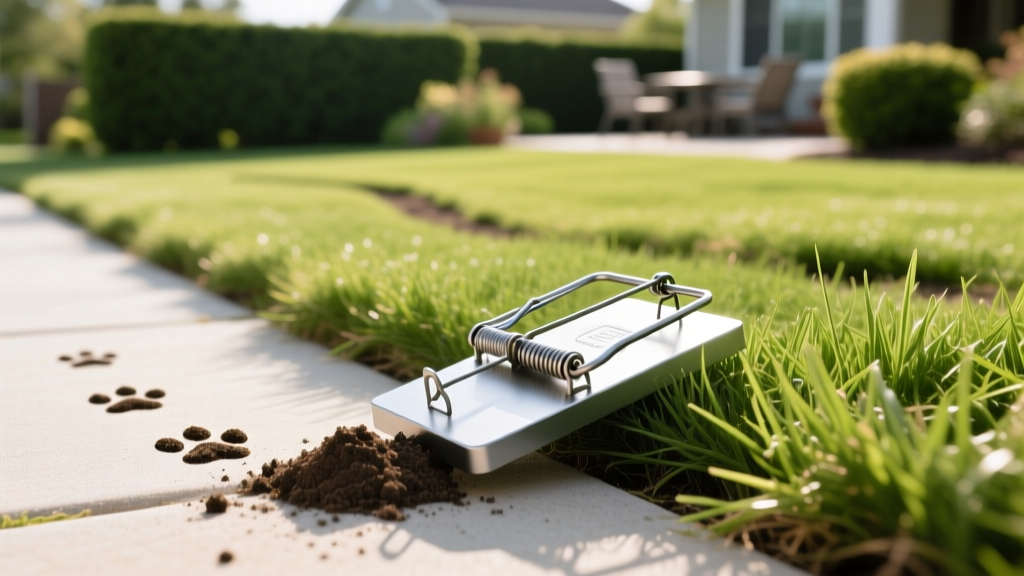
How to Catch a Vole: Best Traps, Baits, and Runway Tactics
Voles (Microtus spp.) are notoriously destructive to lawns, ornamental beds, and tree root systems. Unlike moles, which primarily tunnel deep in search of soil insects, voles create shallow, visible surface runways and feed directly on plant matter, bark, and bulbs. A single female vole can produce up to 10 litters per year, allowing localized populations to explode to over 250 individuals per acre during peak breeding seasons. When population densities threaten your landscape's structural integrity, trapping becomes the most immediate and effective intervention.
Learning how to catch a vole requires understanding their highly specific behavioral traits—namely their thigmotactic nature (preference for physical contact with surfaces) and their strict adherence to established foraging routes. This guide details the exact trap models, bait formulations, and placement protocols required to successfully reduce vole populations in residential landscapes.
Vole vs. Mole: Confirming Your Target
Before deploying traps, you must confirm the presence of voles. Misidentifying the pest leads to ineffective trap placement and wasted effort. According to the Internet Center for Wildlife Damage Management, voles and moles require entirely different management strategies.
Quick Identification Matrix:
- Voles: Create 1.5 to 2-inch wide surface runways through grass. Holes are golf-ball-sized (1 to 1.5 inches in diameter). Evidence includes gnawed tree bark (often in irregular patches) and severed plant roots.
- Moles: Create raised, volcano-shaped soil mounds. Tunnels are wider (2 to 3 inches) and push soil upward. They do not eat plants; they eat earthworms and grubs.
The Science of Vole Runways: Where to Set Traps
Voles are agoraphobic and rarely cross open, unsheltered spaces. They navigate using a network of established surface runways, usually hidden under grass thatch, mulch, or snow. These runways connect their burrow entrances to primary feeding zones.
To catch a vole, you must intercept these transit corridors. The University of California Statewide IPM Program emphasizes that traps placed randomly in the yard will fail. Traps must be positioned directly inside or immediately adjacent to active runways. Look for runways that show fresh clippings, droppings (small, greenish-brown pellets), and clear paths through the thatch layer.
Best Traps for Voles: Snap vs. Live Catch
Standard rat traps are too large and heavy for voles, often missing the strike zone or failing to trigger due to the vole's lighter body weight (typically 1 to 2.5 ounces). Mouse traps are the correct scale. Below is a comparison of the most effective trap models for vole control in 2026.
| Trap Model | Type | Avg. Price | Pros & Cons |
|---|---|---|---|
| Victor Quick-Set M154 | Wooden Snap | $4.99 | Highly sensitive trigger; easy one-hand set. Can misfire if bumped. |
| Victor M040 Classic | Wooden Snap | $3.50 | Cheap, reliable. Requires two hands to set; lower sensitivity than M154. |
| Havahart 1025 | Live Catch | $24.99 | Humane release; reusable. Expensive; requires daily checking and relocation. |
| Kness Kilo Vole Trap | Collapsible Snap | $12.00 | Specifically shaped for tunnels; highly lethal. Harder to find in retail stores. |
Bait Selection: What Voles Actually Eat
Voles are primarily herbivores, but their foraging preferences shift based on seasonal food scarcity. While Victor Pest Control notes that standard mouse baits work, tailoring your bait to vole biology increases strike rates significantly.
Top 3 Vole Bait Formulations
- Peanut Butter and Oatmeal Mix: Combine equal parts creamy peanut butter and dry rolled oats. The oats add texture and bulk, preventing the vole from simply licking the peanut butter off the trigger pan without applying enough downward pressure to spring the trap.
- Fruit-Flavored Gumdrops: Voles have a high affinity for concentrated sugars, especially in late fall and winter when natural fruit sources are depleted. Press a small, soft fruit gumdrop firmly onto the trigger pedal.
- Fresh Apple Slices: For live traps (like the Havahart 1025), a 1-inch cube of fresh apple placed at the very back of the trap forces the vole to fully enter the cage and step on the trigger plate.
Step-by-Step Runway Trapping Protocol
Proper execution is the difference between catching a vole and merely feeding it. Follow this exact sequence for snap trap deployment.
Step 1: Locate and Clear the Runway
Identify an active runway (1.5 to 2 inches wide). Using a gloved hand or a trowel, gently clear away loose grass clippings and debris directly over the trap placement zone to ensure the trap sits flush against the soil.
Step 2: Position the Trap PerpendicularlyPlace the snap trap at a 90-degree angle to the runway. The trigger pan (the baited end) must sit directly inside the runway path. When the vole runs down the tunnel, it will physically collide with the trigger pan.
Step 3: Camouflage and SecureLightly dust the trap with surrounding soil or dry grass to mask the human scent and the artificial appearance of the wood/plastic. Do not cover the trigger mechanism itself.
Step 4: Deploy the Exclusion CoverVoles will often avoid traps in open, exposed areas. Cover the set trap to simulate a tunnel environment (see safety section below).
Protecting Non-Target Wildlife and Pets
Snap traps pose a severe risk to songbirds, domestic cats, and beneficial garden wildlife. You must shield the trap while maintaining vole access.
Warning: The Bucket Exclusion Method
Never leave a snap trap exposed in a yard where pets or birds are present. The most effective shielding method is the inverted bucket technique. Take a standard 2-gallon black plastic bucket and cut a 2-inch diameter hole on the lower side. Invert the bucket over the set trap, aligning the cut hole directly with the vole runway. The darkness and enclosed space attract the vole while completely blocking access to birds and dogs. Secure the bucket with a brick to prevent it from blowing away.
When to Trap: Seasonal Timing for Maximum Success
Trap success fluctuates heavily with the seasons. The optimal windows for trapping voles are late fall (October-November) and late winter (February-March).
During these periods, natural vegetation is dying back or dormant, and snow cover often forces voles to rely heavily on a few main arterial runways. Furthermore, the scarcity of natural forage makes high-calorie baits like peanut butter and gumdrops vastly more attractive. In mid-summer, when gardens are lush and root systems are abundant, voles are highly selective and trap-shy, requiring significantly more trap density to achieve population control. Set traps in the late afternoon, as voles are crepuscular (most active at dawn and dusk), and check them every 24 hours to reset and re-bait.
Post-Capture Disposal and Sanitation
When using snap traps, dispose of the carcass by placing it in a sealed plastic bag and discarding it in your municipal waste bin. Do not compost vole remains. If using a Havahart live trap, relocate the vole at least 3 miles away to a permitted wooded area, ensuring you are complying with local wildlife relocation laws. Always sanitize reusable traps with a 10% bleach solution between deployments to remove scent markers that might deter other voles from approaching the trap site.

