
Pest Control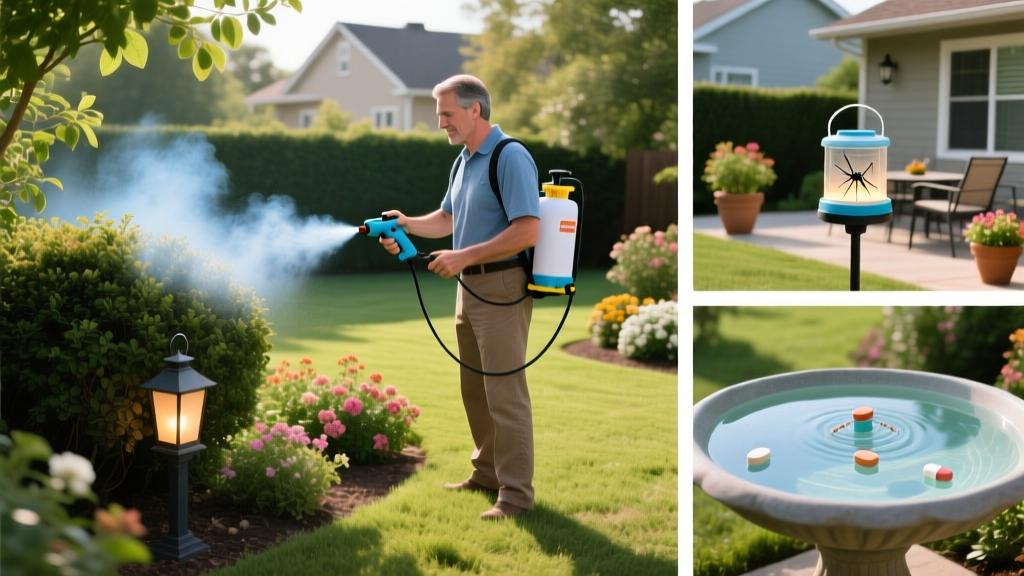
How to Destroy Mosquitoes in Your Yard: A Multi-Stage Eradication Guide
Learning how to destroy mosquitoes effectively requires abandoning the myth of the 'silver bullet.' Bug zappers, citronella candles, and ultrasonic repellents are largely ineffective against established populations. True yard defense demands a multi-stage attack targeting the mosquito life cycle at its most vulnerable points: the aquatic larval stage and the resting adult stage. By combining source reduction, biological larvicides, and targeted chemical barriers, homeowners can reduce local mosquito populations by up to 90% without relying on expensive professional misting services.
The 4-Stage Mosquito Life Cycle (And Where to Intercept)
Mosquitoes undergo complete metamorphosis. Understanding this cycle is critical because 75% of their life occurs in water, making aquatic interception the most efficient eradication method.
- Egg: Laid in rafts (Culex species) or singly on damp soil (Aedes species). Hatch in 24-48 hours when submerged.
- Larva (Wriggler):strong> Aquatic, filter-feeding stage. Molts four times over 5-14 days. Primary interception point for biological controls.
- Pupa (Tumbler):strong> Non-feeding, transitional stage. Lasts 2-3 days. Highly resistant to most larvicides.
- Adult: Emerges from water. Females require a blood meal to develop eggs. Primary target for barrier sprays and spatial repellents.
Phase 1: Source Reduction and Habitat Modification
Before applying any products, you must eliminate breeding sites. Aedes aegypti (the vector for Zika and Dengue) can breed in a bottle cap filled with water. Culex mosquitoes prefer stagnant, nutrient-rich water like clogged gutters.
Critical Yard Audit Checklist
- Gutter Micro-Pools: Install aluminum micro-mesh gutter guards (e.g., LeafFilter or DIY stainless steel mesh) to prevent leaf dams that hold water. Flush remaining gutters with a high-pressure hose nozzle.
- Soil Grading: Identify low-lying turf areas that hold water for more than 48 hours after rainfall. Top-dress these depressions with a 70/30 sand-topsoil mix to improve percolation.
- French Drains: For chronic pooling near foundations, install a 4-inch perforated PVC French drain wrapped in landscape fabric, pitched at 1 inch per 8 feet toward a daylight exit or dry well.
- Corrugated Downspout Extenders: Replace corrugated black plastic drain sleeves with smooth-walled PVC. Corrugated ridges trap enough water to breed hundreds of mosquitoes.
Phase 2: Larval Control (Stopping Them Before They Fly)
When standing water cannot be drained (e.g., koi ponds, rain barrels, retention basins), biological larvicides are mandatory. The gold standard is Bacillus thuringiensis israelensis (Bti), a naturally occurring soil bacterium.
How Bti Works: When mosquito larvae ingest Bti spores, the alkaline environment of their midgut dissolves the spore coat, releasing crystalline proteins (Cry4A, Cry4B, Cry11A). These proteins bind to specific gut receptors, causing cell lysis and death within 24 hours. Bti is completely harmless to fish, birds, pets, and pollinators, as confirmed by the EPA's mosquito larvicide guidelines.
Bti Application Strategy
For standard backyard water features, use Summit Mosquito Dunks (solid briquets) or Mosquito Bits (granular).
- Dunks: One dunk treats 100 square feet of surface water for 30 days. Cost: ~$15 for a 6-pack. Best for ponds and rain barrels.
- Bits: Apply 1 tablespoon per 200 square feet. Kills larvae within 24 hours but only lasts 7-14 days. Best for temporary puddles, swampy turf, and potted plant saucers. Cost: ~$20 for a 20 oz bag.
Pro Tip: For water that contains high organic matter (like heavily leafed retention ponds), Bti efficacy drops. In these scenarios, use an Insect Growth Regulator (IGR) like Altosid (Methoprene), which mimics juvenile hormones to prevent pupae from maturing into adults. Altosid briquets last up to 30 days and cost roughly $25 for a 10-pack.
Phase 3: Adult Mosquito Eradication Strategies
While larvicides stop future generations, you must eliminate existing adults. Adult mosquitoes rest in cool, shaded, humid areas during the heat of the day—typically the undersides of broadleaf plants, dense shrubs, and tall grass.
Comparing Adult Control Methods
| Method | Active Ingredient / Tech | Efficacy & Range | Estimated Cost |
|---|---|---|---|
| Barrier Spray (DIY) | Bifenthrin 7.9% (e.g., Talstar P) | High. Treats up to 10,000 sq ft. Lasts 3-4 weeks. | $45 (3/4 pint bottle) |
| Gravid Trap | Biogents BG-GAT (Water + Sticky Card) | Moderate. Targets egg-laying females. 1 per 500 sq ft. | $70 per trap |
| Spatial Repellent | Metofluthrin (e.g., Thermacell E55) | Localized. Creates a 20-foot dome. Does not kill. | $30 device + $20 refills |
| Professional Misting | Bifenthrin / Permethrin (Truck-mounted) | Very High. Covers entire property densely. | $150 - $300 per visit |
Executing a DIY Bifenthrin Barrier Spray
Bifenthrin is a synthetic pyrethroid that provides excellent residual control on foliage. Purchase a professional-grade concentrate like Talstar P or Bifen IT.
- Mix Rate: Combine 1 fluid ounce of Bifenthrin 7.9% per 1 gallon of water in a pump sprayer. This treats 1,000 square feet.
- Application Zones: Spray the undersides of leaves on shrubs, hedges, ornamental grasses, and the perimeter of your home. Focus heavily on shaded, wind-protected areas.
- Pollinator Protection: NEVER spray blooming flowers or plants actively visited by bees. Bifenthrin is highly toxic to aquatic invertebrates and bees when wet. Apply at dusk when bees are inactive, and allow the spray to dry completely (usually 2 hours) before allowing pets or children into the yard.
Warning on Resistance: Rotating active ingredients is critical. If you use Bifenthrin for two consecutive months, switch to a different class, such as Lambda-cyhalothrin (Demand CS) or Permethrin, to prevent local mosquito populations from developing genetic resistance.
What NOT to Do: The Bug Zapper and Citronella Myth
According to research cited by the Centers for Disease Control and Prevention (CDC), ultraviolet bug zappers are counterproductive. Studies show that zappers kill thousands of beneficial insects (moths, beetles, pollinators) while mosquitoes make up less than 1% of the catch. Furthermore, the UV light actually attracts more mosquitoes to your yard than it kills.
Similarly, citronella candles and coils only mask human scent within a 3-foot radius and fail completely in winds exceeding 3 mph. Invest your budget in Bti and barrier sprays instead of gimmicks.
Professional vs. DIY Barrier Treatments: Cost & Efficacy
Deciding between DIY and professional American Mosquito Control Association aligned services depends on your budget and property size.
| Factor | DIY Hose-End / Pump Sprayer | Professional Misting Service |
|---|---|---|
| Initial Setup Cost | $60 - $90 (Sprayer + Chemical) | $0 (Equipment provided) |
| Monthly Maintenance | $15 - $25 (Chemical refills) | $150 - $300 per application |
| Season Total (6 months) | $150 - $240 | $900 - $1,800+ |
| Canopy Penetration | Low to Moderate (Depends on effort) | High (High-pressure misting rigs) |
Frequently Asked Questions
Will spraying my yard for mosquitoes kill my vegetable garden?
Yes, if misapplied. Pyrethroids like Bifenthrin are toxic to aquatic life and can leave harmful residues on edible crops. Maintain a strict 15-foot buffer zone between your chemical barrier spray and any vegetable gardens or water features. Use Bti dunks exclusively near edible water sources.
How often do I need to reapply Bti dunks?
Standard compressed Bti dunks degrade and lose efficacy after 30 days. Mark your calendar to replace them on the 1st of every month during peak season (May through October in most US hardiness zones). If using granular Bti bits for temporary puddles, reapply every 14 days or after heavy rainfall washes the granules away.
Do mosquito repellent plants like lavender and marigolds work?
No. While concentrated essential oils extracted from these plants have mild repellent properties, the living plants do not emit enough volatile compounds to deter mosquitoes. Relying on landscaping for mosquito control is a documented failure mode; stick to chemical and biological interventions.

