
Pest Control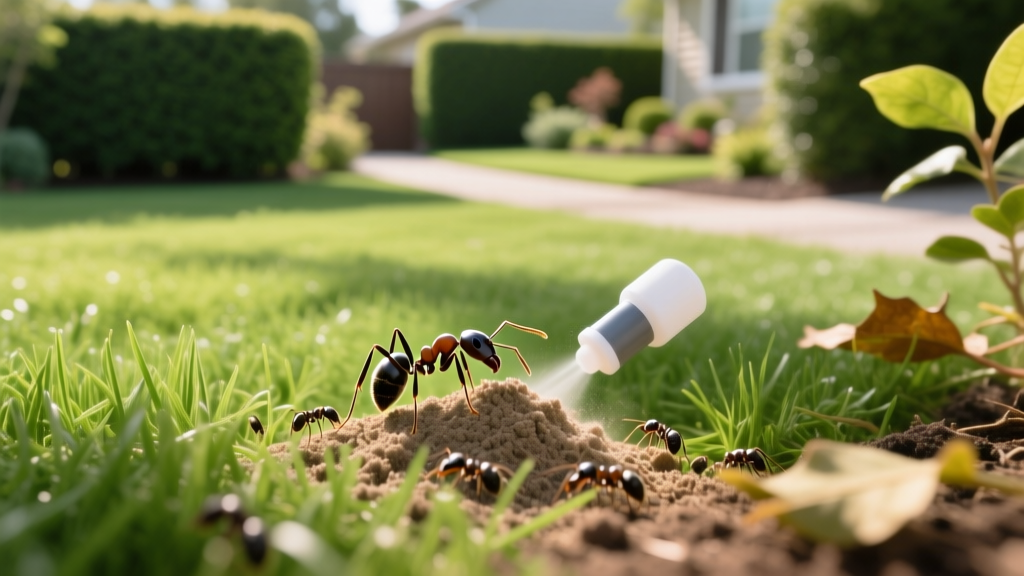
How to Eradicate Ants in Your Yard: Outdoor Defense Guide
Yard ants are more than a nuisance; they undermine soil structure, protect plant-destroying aphids, and deliver painful stings. Learning how to eradicate ants in an outdoor environment requires a fundamentally different approach than indoor pest control. Spraying visible trails with aerosol repellents only fractures the colony, causing a phenomenon known as 'budding,' where the colony splits into multiple satellite nests. True yard defense demands colony-level elimination targeting the queen.
Identify the Invader: Yard Ant Species Matrix
Before purchasing chemicals, you must identify the species dictating your yard's infestation. Treatment efficacy varies wildly depending on the ant's foraging habits and nest architecture.
| Species | Mound / Nest Profile | Threat Level | Primary Eradication Strategy |
|---|---|---|---|
| Red Imported Fire Ant (RIFA) | Fluffy, loose dirt mounds (up to 18 inches wide); no central opening. | High (Aggressive stinging, pet/livestock danger) | Two-Step Method (Broadcast Bait + Mound Drench) |
| Carpenter Ant | No soil mounds; nests in damp wood, tree stumps, and landscape timbers. | Medium (Structural damage to wood features) | Non-repellent liquid barriers and wood-injected foams |
| Pavement Ant | Small craters along driveway cracks and retaining wall bases. | Low (Nuisance, minor hardscape displacement) | Granular baits applied directly to cracks and crevices |
| Argentine Ant | Shallow, widespread networks under mulch and debris; no distinct mounds. | Medium (Rapidly displaces native species, invades homes) | Slow-acting liquid transfer insecticides (Fipronil) |
The Two-Step Eradication Protocol
Developed by university entomologists, the Two-Step Method remains the gold standard for eradicating heavy yard infestations, particularly for Red Imported Fire Ants. This framework combines broad-spectrum colony starvation with targeted knockout strikes.
Step 1: Broadcast Baiting (The Colony Kill)
Ant baits exploit the colony's trophallaxis (food-sharing) behavior. Worker ants carry the toxicant back to the nest, feeding it to the larvae and the queen. The active ingredient must be slow-acting; if workers die before returning to the nest, the colony survives.
- Top Product: Advion Fire Ant Bait (Active ingredient: 0.04% Indoxacarb). Indoxacarb requires specific enzymes found only in the ant's gut to become toxic, making it highly target-specific and safer for non-target wildlife.
- Application Rate: 1 to 1.5 lbs per acre. For a standard 5,000 sq. ft. lawn, you need approximately 2 to 3 ounces.
- Cost: ~$38 for a 1.5 lb bag (treats roughly 1 acre).
- Timing: Apply when soil temperatures are between 70°F and 85°F. Ants forage aggressively in these conditions. Never apply if rain is forecasted within 24 hours, as moisture renders the lipid-based bait matrix unpalatable.
Step 2: Individual Mound Drenching (The Knockout)
Seven to ten days after broadcasting the bait, target any remaining active mounds with a fast-acting liquid drench. This eliminates the surviving satellite colonies and provides immediate relief in high-traffic areas.
- Top Product: Bifen IT (Active ingredient: 7.9% Bifenthrin) or a Spinosad-based liquid for organic yards.
- Mixing Ratio: 1 fluid ounce of Bifen IT per 1 gallon of water.
- Execution: Use a watering can (not a pressurized sprayer, which will cause the colony to scatter). Pour 1 to 2 gallons of the mixture directly into the center of the mound, then water a 2-foot radius around the perimeter to catch fleeing workers.
⚠️ Warning: The Failure of DIY Home Remedies
Pouring boiling water or dumping corn grits on mounds are ineffective internet myths. Boiling water only kills the top 30% of the colony; the queen resides deep in the soil and easily survives the thermal shock, leading to aggressive budding. Furthermore, adult ants cannot ingest solid foods like cornmeal or grits; they only consume liquids. Solid 'remedies' merely act as soil amendments while the colony continues to expand.
Perimeter Defense: Trenching with Non-Repellents
If ants are migrating from neighboring properties or invading your home's foundation, broadcast baiting must be paired with a chemical trench. Non-repellent insecticides are critical here. Unlike older repellent chemicals (like permethrin) that ants simply walk around, non-repellents are undetectable. Ants walk through the treated soil, pick up the chemical, and transfer it to the rest of the colony via physical contact.
The Taurus SC Trenching Method:
- Dig a trench 6 inches deep and 6 inches wide directly against your home's foundation or the perimeter of your property line.
- Mix Taurus SC (9.1% Fipronil) at a rate of 0.8 fluid ounces per gallon of water.
- Apply 1 gallon of the finished solution per 10 linear feet of trench.
- Backfill the trench with the treated soil. This creates an invisible, long-lasting barrier that remains active in the soil for up to 10 years.
According to the Environmental Protection Agency (EPA), when applying liquid perimeter treatments, it is vital to ensure the soil is properly graded away from the foundation to prevent chemical runoff into basements or storm drains.
Organic vs. Conventional Eradication Methods
Homeowners with sensitive ecosystems, koi ponds, or free-ranging poultry must weigh the speed of conventional chemicals against the safety of organic alternatives. Below is a functional comparison to guide your purchasing decision.
| Feature | Conventional (Synthetic) | Organic (Biological) |
|---|---|---|
| Primary Active Ingredients | Fipronil, Bifenthrin, Indoxacarb | Spinosad, d-Limonene, Beneficial Nematodes |
| Speed of Eradication | Fast (24-72 hours for drenches) | Slow (5-14 days for baits and biologicals) |
| Colony Elimination Rate | 90-98% (Highly effective transfer effect) | 70-85% (Requires repeated applications) |
| Environmental Impact | Highly toxic to aquatic life and bees; requires strict buffer zones near water. | Spinosad is toxic to bees when wet, but safe once dry. Nematodes are 100% eco-safe. |
| Cost per 5,000 sq ft | $25 - $45 | $40 - $75 |
For deep ecological integration, the Texas Imported Fire Ant Research and Management Project recommends utilizing beneficial nematodes (specifically the Steinernema species) as a supplementary organic treatment. When watered into the soil, these microscopic worms seek out ant pupae and release lethal bacteria, naturally suppressing colony growth without harming earthworms or plant roots.
When to Call a Professional
While the Two-Step Method is highly effective, certain scenarios require commercial-grade equipment and restricted-use pesticides. Consider hiring a licensed pest control operator (average cost: $150 to $300 per quarter for a standard residential lot) if:
- Your property exceeds 1 acre, making manual broadcast and drenching physically unfeasible.
- You are dealing with aggressive species like RIFA near high-risk areas (children's playsets, livestock pens, or electrical utility boxes, which ants frequently short-circuit).
- Previous DIY baiting has resulted in colony budding, creating dozens of smaller, harder-to-treat satellite mounds.
Frequently Asked Questions
How long does it take for ant bait to work?
Patience is mandatory. Slow-acting baits like Advion or Extinguish Plus take 2 to 4 weeks to fully collapse a mature colony. You will see a reduction in surface foraging within 5 days, but the queen's death takes longer. Do not disturb the mound during this period.
Does watering the lawn ruin the bait?
Yes. Granular ant baits are coated in a lipid (fat-based) matrix that mimics food. If the bait gets wet from irrigation or rain, it grows mold and the ants will ignore it. Turn off automated sprinklers for 48 hours after application.
Are these treatments safe for dogs?
Once liquid drenches like Bifen IT have completely dried (typically 2 to 4 hours), the lawn is safe for pets to walk on. Granular baits contain such low concentrations of active ingredients that a 50 lb dog would have to consume several pounds of the raw bait to experience toxicity. However, always keep pets indoors during the actual application process.

