
Pest Control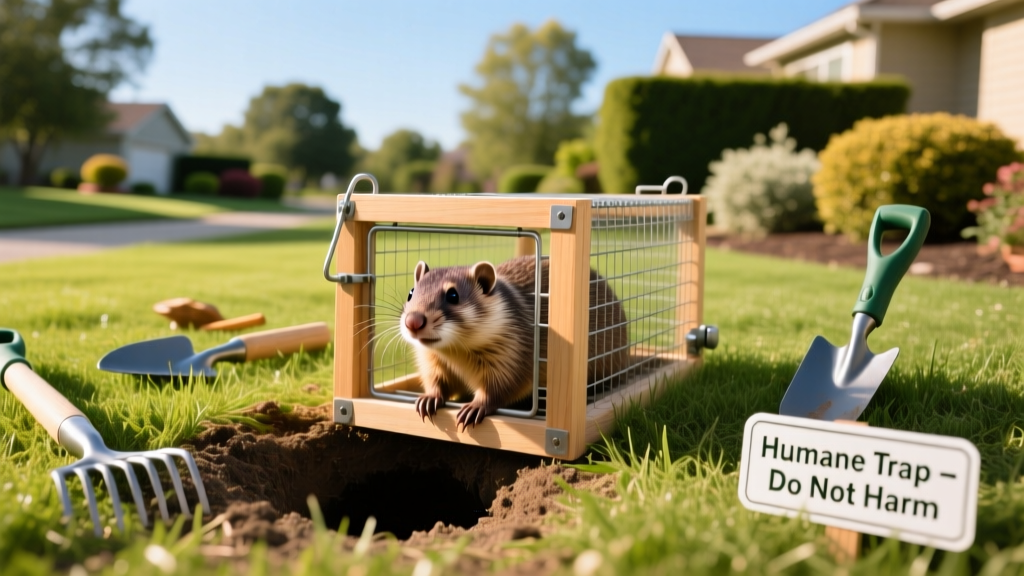
How to Get Rid of a Groundhog: Humane Trapping and Exclusion Tactics
Groundhogs (Marmota monax), also known as woodchucks, are prolific excavators and voracious herbivores. A single adult can consume up to 1.5 pounds of vegetation daily, devastating garden crops, while their extensive tunnel networks—which can plunge 4 feet deep and stretch 60 feet long—undermine patios, retaining walls, and shed foundations. According to the Internet Center for Wildlife Damage Management (ICWDM), groundhog damage costs homeowners millions annually in structural repairs and lost produce.
Learning how to get rid of a groundhog requires more than just pouring a repellent down a hole. Effective removal demands a combination of behavioral trapping, permanent L-footer exclusion fencing, and strategic habitat modification. Below is a comprehensive, expert-level protocol for reclaiming your yard.
Assess the Damage: Mapping the Burrow Network
Before setting traps or digging trenches, you must map the colony's footprint. Groundhogs are highly structured engineers. A single burrow system typically features one main entrance and two to four secondary escape holes.
- Main Entrance: 10 to 12 inches in diameter. This is the primary thoroughfare and will always feature a large, crescent-shaped mound of freshly excavated soil directly outside the opening.
- Escape Holes (Plunge Holes): 4 to 6 inches in diameter. These are usually hidden under brush or tall grass, lack soil mounds, and drop straight down before connecting to the main tunnel.
- Latrine Chambers: Groundhogs designate specific blind-ending tunnels for waste. If you notice a concentrated ammonia odor near a sealed-off secondary hole, you have found the latrine.
Expert Insight: Never attempt to trap or fumigate a burrow system between April and June. This is the peak birthing season. Trapping the mother will orphan the kits inside the den, leading to severe odor issues as they decompose, and inhumane outcomes.
The L-Footer Exclusion Fence (Permanent Solution)
Trapping removes the current occupant, but the vacant burrow will quickly attract a new groundhog, skunk, or opossum. The only permanent way to protect a specific garden bed or shed is installing an L-footer exclusion fence. Groundhogs are powerful diggers but poor climbers; this design exploits both weaknesses.
Materials Required
| Material | Specification | Estimated Cost (2026) | Why It Works / Fails |
|---|---|---|---|
| Hardware Cloth | 1/2-inch mesh, 19-gauge galvanized steel | $45 - $60 (25ft roll) | Works: Too thick to chew, mesh too small to squeeze through. |
| Chicken Wire | 1-inch hexagonal mesh, 20-gauge | $20 - $30 (25ft roll) | Fails: Groundhogs easily bite through the thin wire and squeeze through 1-inch gaps. |
| U-Posts | 4-foot steel T-posts or U-posts | $6 - $9 each | Works: Provides rigid support to prevent the fence from bowing under snow load. |
Installation Steps
- Trenching: Dig a trench 12 inches deep and 4 inches wide along the perimeter of the area you are protecting.
- Attaching the Mesh: Secure a 36-inch wide roll of 1/2-inch hardware cloth to the posts. Ensure the bottom 12 inches of the mesh extends into the trench.
- Creating the L-Flange: Bend the bottom 12 inches of the buried mesh outward, away from the garden, forming an "L" shape. When the groundhog digs down to bypass the fence, its claws will hit the horizontal wire mesh, stopping the excavation.
- Backfilling: Fill the trench with soil and tamp it down tightly. Leave 24 inches of fencing above ground. Groundhogs rarely climb vertical wire, but you can add a 1-foot outward overhang at the top for absolute security.
Humane Live Trapping: Step-by-Step Protocol
If exclusion fencing is not immediately viable, live trapping is the most effective removal method. The Humane Society of the United States recommends single or double-door gravity-activated traps for woodchucks.
Trap Selection and Placement
The Havahart 1045 (32 x 10 x 12 inches) two-door trap is the industry standard for groundhogs. The dual-door design allows you to place the trap directly over a main tunnel path, making it look like a natural continuation of the burrow rather than a dead-end cage. Expect to pay between $65 and $85 for this model. Place the trap 3 to 5 feet from the main burrow entrance. Do not block the entrance entirely; leave enough room for the animal to exit and step onto the trap's trigger pan.
The 3-Day Pre-Baiting Strategy: Groundhogs are notoriously trap-shy. For the first three days, wedge the trap doors open with zip-ties or wooden blocks. Place bait inside and around the trap. This conditions the groundhog to view the cage as a safe food source. On day four, remove the blocks and arm the trigger mechanism.
Optimal Bait Choices
Forget lettuce and carrots; groundhogs prefer high-sugar, high-moisture fruits and specific legumes. The most effective baits include:
- Cantaloupe rinds and slices: The strong, sweet aroma carries well on the wind.
- String beans and snap peas: A natural staple of their wild diet.
- Sweet corn on the cob: Leave the husk partially intact to create a visual cue.
Legal Warning on Relocation: In many states (including New York, Pennsylvania, and Massachusetts), it is illegal to relocate rabies-vector species like groundhogs without a specific Department of Environmental Conservation (DEC) permit. Relocating them simply spreads disease and condemns the animal to die in unfamiliar territory. Check your local wildlife regulations; in many jurisdictions, humane euthanasia or on-site exclusion are the only legal options.
Repellent Efficacy Matrix
Repellents are strictly short-term deterrents. They degrade rapidly under UV light and wash away in the rain. Use them only to buy time while you install permanent fencing.
| Repellent Type | Active Ingredient | Efficacy | Application Notes |
|---|---|---|---|
| Castor Oil Blends | Ricinus communis oil | Moderate | Makes soil taste foul and causes mild digestive upset. Must be watered into the soil around burrow entrances. Reapply after every rainfall. |
| Predator Urine | Red fox or coyote urine | Low to Moderate | Triggers flight response, but urban groundhogs often habituate to the scent within a week. Place on cotton balls near escape holes. |
| Epsom Salt | Magnesium sulfate | Low | Sprinkled on plant leaves to deter feeding. Washes off immediately in rain and can alter soil pH if overused. |
Post-Removal Burrow Filling
Once you are 100% certain the burrow is vacant (monitor the entrance with sticks placed in a tic-tac-toe pattern for 48 hours to check for movement), you must collapse the tunnel system to prevent other pests from moving in.
Do not just shovel topsoil into the hole; it will settle and create a depression. Instead, use the gravel-and-soil plug method:
- Pour 2 to 3 bags of crushed gravel (3/4-inch angular stone) deep into the main tunnel and all escape holes. The sharp angles of the stone deter future digging.
- Fill the remaining top 12 inches of the hole with a mix of native soil and compost.
- Tamp the soil down firmly with a hand tamper and seed the surface with a fast-germinating perennial ryegrass to stabilize the ground.
Frequently Asked Questions
How deep do groundhog tunnels go?
While most foraging tunnels run just 12 to 18 inches below the surface, the hibernation and nesting chambers can plunge 3 to 4 feet deep to sit below the frost line. This is why shallow fumigation treatments often fail—the gas dissipates before reaching the deepest chambers.
Will a groundhog attack my dog?
Groundhogs are generally docile and prefer to flee. However, if cornered in their burrow or surprised while feeding, a 10-pound woodchuck possesses powerful incisors and sharp claws that can inflict severe lacerations on a dog's snout or legs. Always keep pets leashed while actively managing a groundhog colony.
When do groundhogs hibernate?
In northern climates, groundhogs enter true hibernation from late October through February or early March. Their heart rate drops from 80 beats per minute to just 5. Attempting to trap or exclude them during deep winter is ineffective and inhumane, as they will not leave the den. Focus your exclusion efforts in late summer (August/September) before they begin bulking up for winter.

