
Pest Control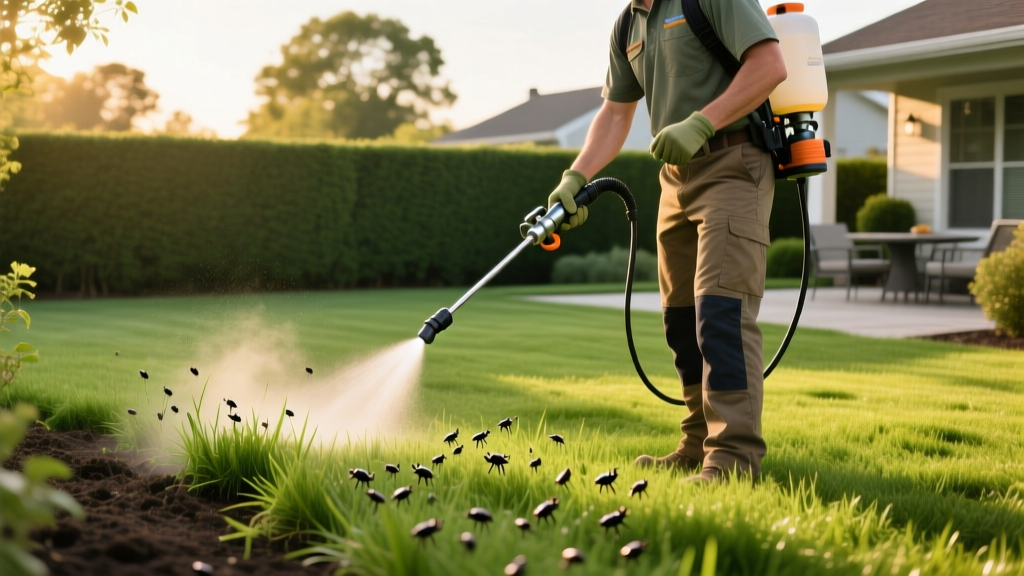
How to Get Rid of Grass Fleas: Complete Yard Treatment
The "Grass Flea" Misconception: What Is Actually Biting You?
Before purchasing any pesticides, it is critical to understand that true fleas (Ctenocephalides felis or canis) do not naturally inhabit grass. According to the Centers for Disease Control and Prevention (CDC), fleas require a warm-blooded host to survive and reproduce. If you are finding fleas in your yard, they are almost certainly concentrated in shaded, humid microclimates where your pets or local wildlife frequently rest, rather than roaming freely across open turf.
When homeowners search for how to get rid of grass fleas, they are usually experiencing bites in the yard and mistakenly blaming the turf. In 90% of cases, the actual culprits are chiggers (harvest mites) or springtails. Misidentifying the pest leads to wasted money on ineffective chemical treatments.
| Pest Type | Visual Identification | Bite Characteristics | Primary Yard Habitat |
|---|---|---|---|
| True Fleas | 1/8 inch, dark brown, laterally flattened, jumps vertically | Ankle/lower leg bites; red bumps with central puncture; intensely itchy | Shaded soil, under decks, pet resting areas, doghouses |
| Chiggers | Microscopic (1/150 inch), bright red larvae, does not jump | Bites around tight clothing (waistbands, socks); blisters, severe itching lasting weeks | Tall grass, brushy areas, forest edges, unmowed borders |
| Springtails | 1/16 inch, gray/purple/white, jumps erratically when disturbed | Do NOT bite humans or pets | Overwatered lawns, mulch beds, damp soil, near AC drip lines |
Step-by-Step: How to Get Rid of Actual Grass Fleas
If you have confirmed the presence of true fleas in your yard (usually by walking in white socks and observing the insects jumping onto the fabric), you must attack both the adult population and the developing larvae. The Environmental Protection Agency (EPA) recommends an integrated approach combining cultural, biological, and targeted chemical controls.
Step 1: Cultural Control and Habitat Disruption
Flea larvae die when exposed to direct sunlight and low humidity. Modify your yard to eliminate their protective canopy.
- Mowing Height: Reduce your turf height to 2.5 inches. Do not scalp the lawn, as this stresses the grass, but ensure sunlight penetrates to the soil surface.
- Debris Removal: Rake out thick thatch layers, fallen leaves, and pine needles, particularly under shrubs and along fence lines.
- Moisture Management: Fix leaky irrigation heads and adjust sprinklers to prevent water from pooling in shaded areas. Flea pupae require high humidity to emerge.
Step 2: Biological Warfare with Beneficial Nematodes
Before deploying harsh chemicals, utilize Steinernema carpocapsae, a microscopic, soil-dwelling worm that actively hunts and kills flea larvae and pupae. This is the most effective organic method for yard flea control.
Application Protocol for Nematodes:
- Timing: Apply strictly at dusk or on heavily overcast days. UV radiation from direct sunlight will kill nematodes within minutes.
- Preparation: Water the target area deeply 12 hours before application to soften the soil.
- Mixing: Mix the nematode sponge (typically 10 million count) into a 5-gallon bucket of cool, dechlorinated water. Let it sit for 5 minutes, then stir gently.
- Application: Apply using a hose-end sprayer or watering can. Target shaded zones, pet runs, and perimeter fences.
- Post-Care: Water the area lightly immediately after application to wash the nematodes off the grass blades and into the soil.
Step 3: Chemical Knockdown and IGR Application
For severe infestations where biological controls are too slow, use a tank-mixed chemical application. You must combine an adulticide (to kill living fleas) with an Insect Growth Regulator (IGR) to stop the reproductive cycle.
The Pro Mix: Combine 1 fluid ounce of Pyriproxyfen (e.g., Archer IGR) and 1 fluid ounce of Bifenthrin (e.g., Talstar P) per gallon of water. This mixture treats exactly 1,000 square feet. Spray the mixture over shaded turf, under decks, and around the foundation of your home. Keep pets and children off the treated area until the liquid has completely dried (usually 2 to 4 hours).
Treating the Imposters: Chiggers and Springtails
If your yard assessment reveals you are dealing with chiggers or springtails rather than true fleas, the treatment protocol changes entirely.
Chigger Eradication
Chiggers thrive in overgrown, brushy transitions between lawn and woodland. To eliminate them, clear brush piles, keep lawn edges tightly trimmed, and apply a barrier treatment of Permethrin or Bifenthrin to the perimeter of your property. For personal defense, treat your clothing and shoes with a 0.5% Permethrin spray before doing yard work.
Springtail Management
According to the University of Minnesota Extension, springtails are moisture indicators, not structural pests or biting insects. If you see thousands of tiny jumping bugs on your patio or damp grass, do not spray insecticides. Instead, aerate compacted soil, reduce your irrigation schedule by 20%, and ensure your gutters are directing water away from the foundation. Once the top inch of soil dries out, springtail populations will collapse naturally.
2026 Product & Cost Breakdown for Yard Defense
Budgeting for a comprehensive yard defense requires understanding the cost per 1,000 square feet. Below is a breakdown of professional-grade products available to homeowners.
| Product Category | Recommended Brand / Active Ingredient | Target Pest | Estimated Cost (2026) | Coverage Area |
|---|---|---|---|---|
| Beneficial Nematodes | BioLogic Scanmask (S. carpocapsae) | Flea larvae, grubs | $38.00 - $45.00 | 3,000 sq ft |
| Insect Growth Regulator | Archer IGR (Pyriproxyfen) | Flea eggs/larvae | $35.00 - $42.00 | 16,000 sq ft |
| Adulticide Concentrate | Talstar P (Bifenthrin 7.9%) | Adult fleas, ticks, chiggers | $32.00 - $40.00 | 10,000 sq ft |
| Granular Barrier | Cedarshield Yard Guard (Cedarwood oil) | Fleas, ticks (Organic) | $45.00 - $55.00 | 5,000 sq ft |
Long-Term Preventative Yard Defense
Eradicating an active infestation is only half the battle. Implementing these structural and behavioral changes will prevent reintroduction from wildlife and neighboring properties.
- Wildlife Exclusion: Opossums, raccoons, and feral cats are primary flea vectors. Install hardware cloth beneath decks and use locking lids on trash receptacles to deny them shelter and food.
- Continuous Pet Treatment: Your dog or cat will constantly reintroduce fleas from walks. Maintain a monthly topical or oral isoxazoline-class preventative (e.g., Bravecto, NexGard) year-round, regardless of the season.
- Solarization for Severe Hotspots: If a specific patch of soil (like an old dog run) is heavily infested, clear the grass, wet the soil, and cover it with clear 2-mil plastic sheeting for 4 to 6 weeks during peak summer. The trapped heat will pasteurize the soil, killing all flea life stages.
- Perimeter Buffer Zones: Maintain a 3-foot gravel or mulch barrier between wooded areas and your manicured lawn to deter ticks and chiggers from migrating into your recreational spaces.
Safety Warning: Never apply Bifenthrin or Permethrin near koi ponds, water features, or storm drains. These pyrethroids are highly toxic to aquatic life and fish. Always use organic alternatives like cedar oil or nematodes near water sources.

