
Pest Control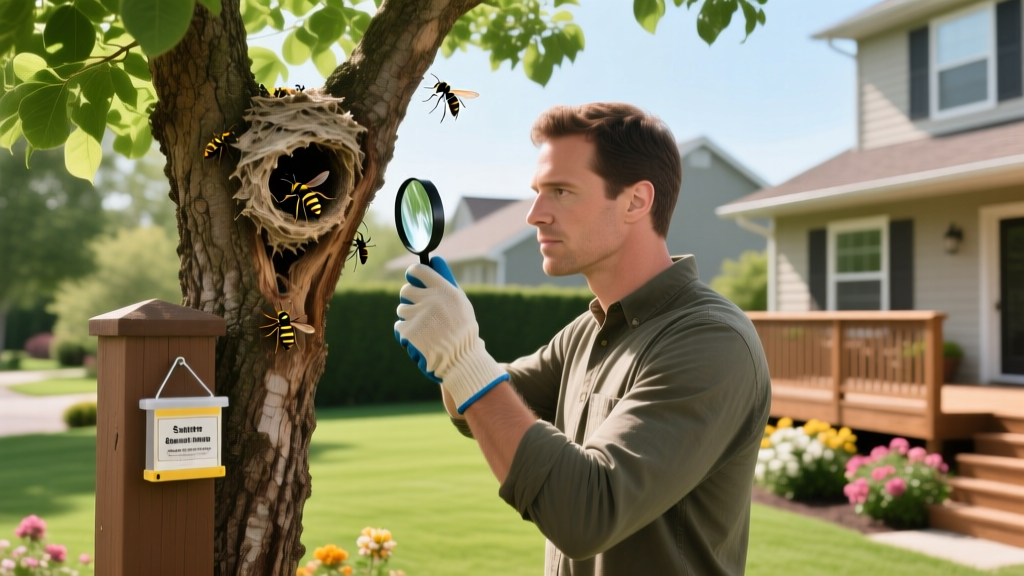
How to Get Rid of Hornets: Safe Yard Defense Strategies
The Reality of Hornet Infestations in Residential Yards
Hornets are not merely a nuisance; they are highly territorial, aggressive defenders of their colonies capable of delivering multiple, venomous stings. Unlike honeybees, which die after stinging once, hornets possess smooth stingers that allow them to attack repeatedly. When a hornet nest is established near high-traffic areas like patios, playsets, or garden pathways, eradication becomes a critical safety priority. Successfully eliminating these pests requires more than a generic can of bug spray—it demands an understanding of their biology, precise timing, and the correct chemical formulations for specific nest locations.
Identify the Threat: Hornets vs. Yellowjackets
Before purchasing a treatment, accurate identification is crucial. Homeowners frequently misidentify aggressive yellowjackets as hornets. True hornets (genus Vespa) are relatively rare in North America, with the European Hornet being the only true hornet species established in the United States. However, the Bald-Faced Hornet, which is notoriously aggressive, is actually a type of aerial yellowjacket. Treatment protocols remain largely similar, but recognizing the species helps predict nest size and aggression levels.
| Species | Appearance | Nest Location | Aggression Level |
|---|---|---|---|
| European Hornet | Large (1-1.5 inches), brown and yellow | Hollow trees, wall voids, eaves | Moderate (defensive) |
| Bald-Faced Hornet | Medium (0.75 inches), black and white | Shrubs, trees, building overhangs | High (highly territorial) |
| Aerial Yellowjacket | Small (0.5 inches), bright yellow and black | Eaves, attics, dense foliage | High (easily provoked) |
| Ground Yellowjacket | Small (0.5 inches), yellow and black | Abandoned rodent burrows, soil | Extreme (when nest is stepped on) |
For comprehensive identification and safety protocols, refer to the EPA guidelines on stinging insects, which outline the ecological roles and risks associated with these pests.
The Biology of a Colony: Why Timing Dictates Success
The single most common mistake homeowners make is attempting to spray a hornet nest at 2:00 PM on a sunny Saturday. During peak daylight hours, the majority of the colony's foraging workers are out scavenging for protein and sugars. Spraying the nest during this time only kills the dormant larvae and the queen, leaving hundreds of angry, returning workers with no nest to return to, resulting in a swarm of displaced, aggressive insects in your yard.
The Dusk and Dawn Rule
Treatment must occur at dusk or just before dawn. During these windows, foraging workers have returned to the nest, and the cooler temperatures significantly slow the insects' metabolism and flight speed. Furthermore, hornets rely heavily on visual cues to target threats; in low light, their ability to accurately track and sting a fleeing target is severely diminished.
Step-by-Step Eradication: Aerial Nests (Trees and Eaves)
Aerial nests, typically constructed from chewed wood fibers mixed with saliva, require a rapid-knockdown approach. The goal is to saturate the nest entrance and the outer envelope before the colony can mount a defense.
- Prepare Your Gear: Wear thick, light-colored clothing (hornets are triggered by dark colors and erratic movements). Tuck pants into socks, wear leather gloves, and use a bee veil or head net if available.
- Select the Right Chemical: Standard fly spray will not work. You need a jet-stream aerosol specifically labeled for wasps and hornets, such as Ortho Home Defense Hornet & Wasp Killer or Spectracide Wasp & Hornet Killer 3. These products shoot a concentrated stream up to 20 feet and contain fast-acting neurotoxins like cypermethrin or tetramethrin. Expect to pay between $7 and $12 per can.
- The Red Light Technique: If you must use a flashlight to see the nest, wrap the lens in red cellophane. Hornets cannot perceive red light well, allowing you to illuminate the target without triggering a defensive swarm.
- Execution: Stand at least 15 feet away. Aim directly at the nest entrance (usually located at the bottom) and spray continuously for 10 to 15 seconds until the opening is saturated. Immediately leave the area. Do not linger to watch the insects fall.
- Follow-Up: Wait a full 48 hours before approaching the nest. Observe from a distance for any flight activity. Once dormant, knock the nest down with a long pole and dispose of it in a sealed trash bag.
Step-by-Step Eradication: Ground Nests
Ground nests present a unique challenge. Liquid aerosol sprays are largely ineffective here because the soil absorbs the liquid before it can reach the deep, multi-chambered subterranean nest. Furthermore, blocking the entrance hole with dirt or a rock is a critical error; trapped hornets will simply dig a secondary exit, often emerging in unpredictable, high-traffic areas.
The Insecticidal Dust Method
To eliminate a ground nest, you must use a professional-grade insecticidal dust, such as Delta Dust (deltamethrin) or Tempo 1% Dust (cyfluthrin). These products cost between $20 and $30 for a one-pound shaker canister and are highly effective because the foraging hornets track the dust deep into the colony on their legs and bodies, inadvertently poisoning the queen and larvae.
Warning: Soil Contamination
Apply dust sparingly. Puff a light layer of dust directly into and just around the entrance hole using a hand duster or a specialized bulb duster. Do not dump handfuls of powder into the hole, as this can create a physical barrier that the insects will simply bypass by digging a new tunnel.
After dusting, leave the area immediately. The colony will absorb the toxic dust over the next 24 to 72 hours. You will notice a gradual decline in traffic. Once no insects are seen entering or exiting for three consecutive days, fill the hole with soil and tamp it down firmly.
The Wall Void Edge Case: When to Call a Professional
If hornets are entering and exiting through a small gap in your siding, soffit, or brickwork, they have established a nest inside your wall void. Never spray aerosol or apply dust into a structural void. If the colony is not killed instantly, the agitated hornets will follow the scent of the chemical and chew through the interior drywall, flooding your living space. Furthermore, if a large colony dies inside a wall, the decaying biomass and melting honeycomb can cause severe odor issues and attract secondary pests like carpet beetles. In this scenario, structural pest control professionals must remove the siding, extract the nest physically, and treat the void safely. Expect to pay $250 to $500 for professional structural extraction.
Long-Term Yard Defense: Preventing Re-infestation
Eradication is only half the battle. Hornets rely on scent markers and visual landmarks to establish new colonies. Implementing a perimeter defense strategy reduces the likelihood of future nesting.
- Decoy Nests (Early Spring Only): Hornets are highly territorial and will avoid building nests within 200 feet of an existing colony. Hanging commercial or DIY paper decoy nests under eaves in early April deters overwintering queens from establishing new colonies. However, decoys are entirely ineffective in late summer, as established colonies are focused on foraging, not territory scouting.
- Protein and Sugar Management: In late summer and early fall, hornets aggressively seek sugars and fermenting fruits. Keep fallen orchard fruit cleaned up, ensure trash cans have tight-fitting lids, and avoid leaving pet food outdoors. According to University of Minnesota Extension, managing late-season food sources drastically reduces aggressive foraging behavior near patios.
- Essential Oil Deterrents: While not a replacement for chemical eradication, spraying a mixture of peppermint oil, clove oil, and water around eaves and porch ceilings every two weeks can act as a mild repellent for scouting queens in the spring.
- Seal Structural Gaps: Conduct a winter audit of your home's exterior. Caulk gaps around window frames, repair torn soffit screens, and seal utility penetrations to prevent queens from finding sheltered overwintering sites or spring nesting cavities.
Frequently Asked Questions
Can I burn a hornet nest out with a torch?
No. Using a propane torch on an aerial nest is exceptionally dangerous. The paper envelope is highly flammable, but burning it often causes the nest to drop while still actively swarming, resulting in severe burns and mass envenomation. It also poses a severe fire hazard to the structure of your home.
Will flooding a ground nest with a garden hose work?
Water will not kill the colony. Ground nests are designed with drainage chambers and elevated brood cells. Flooding the hole will only agitate the colony, causing them to relocate their exit point to a more dangerous, unpredictable area of your lawn.
Are hornets beneficial to the garden?
Yes, in small numbers. Hornets are apex insect predators that consume vast quantities of flies, caterpillars, and agricultural pests. If a nest is located in a remote corner of a large property and poses no threat to humans or pets, the most ecologically sound decision is to leave it alone until it naturally dies off with the first hard frost.

