
Pest Control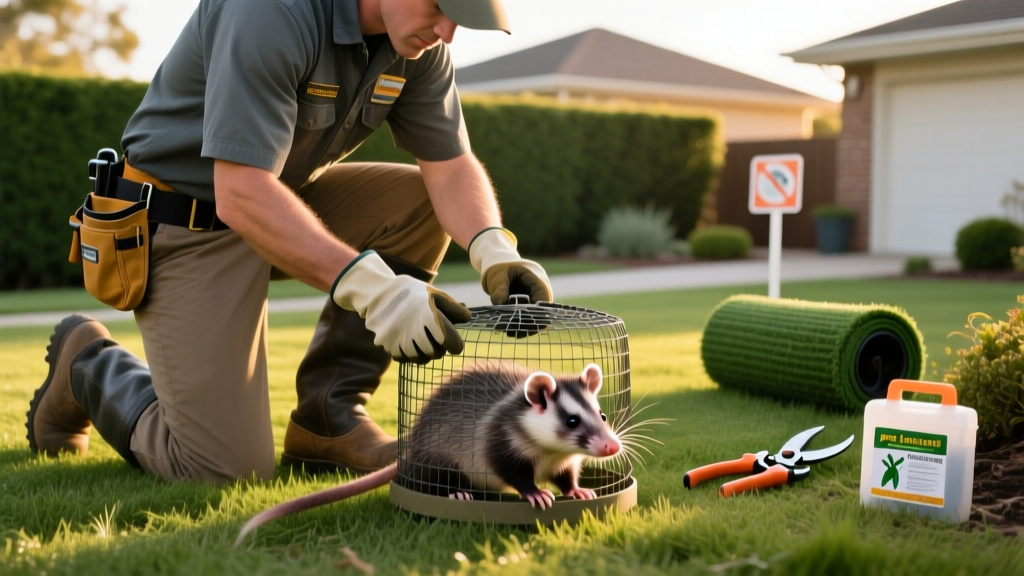
How to Kill a Possum: Legal Rules and Lethal Removal Facts
The Legal Reality: Can You Legally Kill an Opossum?
When homeowners search for information on how to kill a possum, the motivation is usually frustration with property damage, raided garbage cans, or pets being harassed. However, before taking lethal action against the Virginia opossum (Didelphis virginiana), you must understand the strict legal framework governing wildlife control. In the United States, opossums are classified differently depending on your state Department of Natural Resources (DNR). In many jurisdictions, they are protected as furbearers or game animals, meaning lethal control is strictly prohibited outside of designated trapping seasons or without a specific nuisance wildlife permit.
⚠ Legal Warning: Dispatching an opossum on your property without verifying local DNR regulations can result in severe poaching fines, confiscation of equipment, and misdemeanor charges. Always consult your state wildlife agency before deploying lethal methods.
Furthermore, opossums are highly beneficial to local ecosystems. A single opossum can consume up to 5,000 ticks in a season, significantly reducing the risk of Lyme disease in your yard. According to the Internet Center for Wildlife Damage Management, lethal control should only be considered as a last resort when an animal is diseased, severely injured, or causing unmitigable structural damage, and when non-lethal exclusion has failed.
Lethal Removal Methods (Where Permitted)
If you have confirmed that lethal removal is legal in your municipality and you possess the necessary permits or fall under open nuisance seasons, there are only two viable, humane methods for dispatching an opossum.
1. Body-Grip Trapping
Live-catch traps (like the Havahart 1089) are non-lethal and require you to relocate or euthanize the animal afterward. For immediate lethal control, wildlife professionals use body-grip traps, specifically the Conibear-style trap. The Duke #220 or #1.5 Conibear (priced between $35 and $45) is the industry standard for opossums. These traps deliver a rapid, lethal strike to the spine or cranium.
- Placement Protocol: Body-grip traps must never be set in the open. They must be placed inside a wooden cubby box or baited enclosure to prevent non-target catches of neighborhood cats, dogs, or ground birds.
- Safety Mechanisms: Always use safety latches and setting tongs. The dual-spring mechanism on a #220 trap generates enough force to break human fingers if triggered accidentally during setup.
2. Firearm Discharge
In rural areas where discharging a firearm is legal, a .22 caliber rimfire rifle or a high-powered air rifle (minimum .22 caliber, 1000 FPS) is required for a clean, ethical kill. The target zone is the brain cavity, located just behind and slightly above the ear. Shooting into the body cavity is inhumane, ineffective, and will result in the animal escaping to die a slow death under your porch.
The Poison Myth: Why Toxicants Are a Massive Failure
There are zero toxicants or rodenticides registered by the EPA for lethal opossum control. Attempting to kill a possum with rat poison (such as brodifacoum or bromethalin) is not only illegal but ecologically disastrous. Opossums have a vast home range; if they ingest a lethal dose, they will wander off and die in an inaccessible area, or worse, be consumed by owls, hawks, or neighborhood pets, causing fatal secondary poisoning.
Decision Matrix: Lethal vs. Non-Lethal Opossum Removal
Use the framework below to determine the most appropriate, legal, and effective strategy for your specific property scenario.
| Method | Avg. Cost | Legality | Risk to Pets | Long-Term Efficacy |
|---|---|---|---|---|
| Body-Grip Trap (#220) | $35 - $50 | Restricted / Permit Required | High (if not cubby-set) | Low (Vacuum Effect) |
| Live Trap & Relocation | $55 - $80 | Illegal in many states | Low | Low (Vacuum Effect) |
| Firearm (Rural Only) | $0 (if owned) | Subject to local discharge laws | Moderate | Low (Vacuum Effect) |
| Permanent Exclusion | $150 - $300 (DIY) | 100% Legal Everywhere | None | High (Permanent Fix) |
The Expert Pivot: Why Exclusion Outperforms Lethal Removal
Wildlife biologists refer to the "vacuum effect." If you successfully kill or relocate an opossum, you have merely emptied a prime territory. Within 48 to 72 hours, a transient opossum will follow the same scent trails and occupy the exact same space under your deck or shed. Lethal removal treats the symptom; exclusion treats the disease.
The Humane Society of the United States strongly advocates for habitat modification and physical exclusion over lethal control. To permanently opossum-proof your property, execute the following L-footer trench protocol:
- Material Selection: Purchase 1/2-inch, 19-gauge galvanized hardware cloth. Do not use chicken wire; opossums can easily tear through it with their powerful fore claws.
- Trenching: Dig a trench 12 inches deep and 12 inches wide around the perimeter of the deck, shed, or crawlspace.
- The L-Footer Bend: Bend the bottom 12 inches of the hardware cloth outward at a 90-degree angle (forming an "L" shape) so it faces away from the structure. When an opossum digs at the foundation, it will hit the buried wire mesh and stop, rather than digging deeper.
- Vertical Attachment: Secure the vertical portion of the mesh to the structure's sill plate or lattice using heavy-duty galvanized staples or fencing u-nails spaced every 6 inches.
- Canopy Management: Trim all tree branches so they maintain a minimum 6-foot clearance from your roofline to prevent arboreal access to attics.
Professional NWCO Costs and Protocols
If the infestation is severe or you are uncomfortable handling wildlife, hire a licensed Nuisance Wildlife Control Operator (NWCO). In 2026, expect to pay between $250 and $600 for a comprehensive service call. This fee typically includes an initial inspection, the installation of a one-way exclusion door (allowing the possum to leave but not re-enter), and the subsequent sealing of the entry point with steel mesh and expanding polyurethane foam.
Edge Case: The Attic Litter Problem
If an opossum has breached your attic, you must consider the breeding season. Opossums typically birth litters of up to 8 joeys between March and August. If you deploy a lethal trap or poison and kill the mother, you will leave a nest of blind, starving young inside your insulation. This results in a catastrophic odor problem, secondary fly infestations, and the need for expensive drywall removal to extract the carcasses. A professional will always use a one-way door and manually extract dependent young to reunite them with the mother outside.
Frequently Asked Questions
Do opossums carry rabies?
It is exceedingly rare. Opossums have a remarkably low core body temperature (94°F to 97°F), which creates a hostile environment for the rabies virus to replicate. While they will hiss, drool, and bare their 50 teeth in a defensive display that mimics rabies, they are generally not a rabies vector.
What is the best repellent to keep them away?
Commercial chemical repellents (like predator urine or ammonia-soaked rags) are largely ineffective and wash away in the rain. Motion-activated sprinklers, such as the Orbit 62100 Yard Enforcer (approx. $75), provide a highly effective, non-lethal psychological deterrent that conditions opossums to avoid your garden beds.
Can I use a dog to kill a possum?
Encouraging a dog to engage wildlife is dangerous. While opossums rarely carry rabies, they carry a host of other pathogens, including leptospirosis, tuberculosis, and fleas that can transmit murine typhus to your pets. Always rely on physical barriers rather than biological combat.

