
Pest Control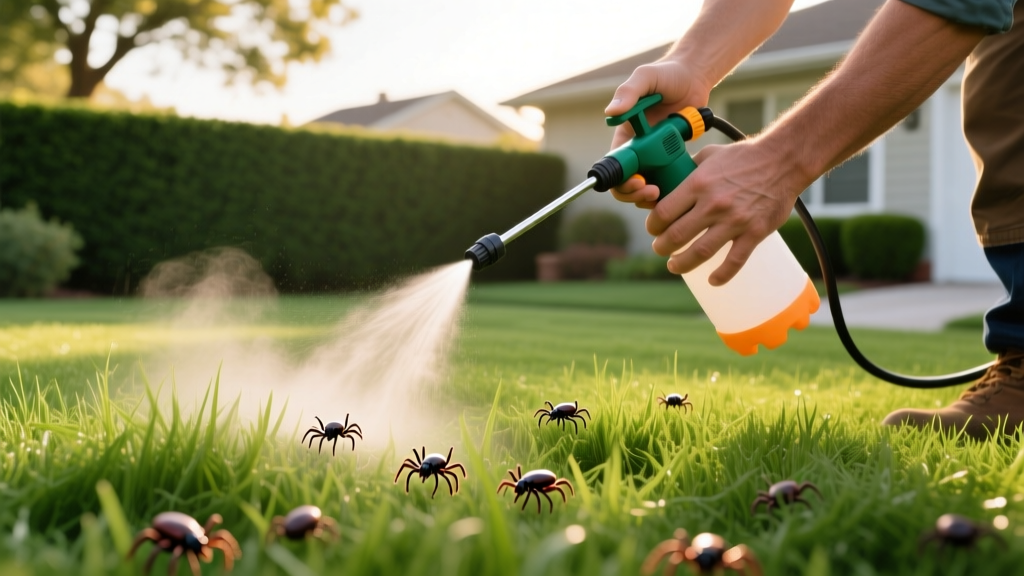
How to Kill Ticks in Your Yard: The Removal Playbook
The Tick Eradication Playbook: A Zone-Defense Strategy
Ticks do not drop from tree branches; they "quest" from the understory. Nymphs and adults climb to the tips of tall grasses, leaf litter, and low shrubs, waiting to latch onto passing hosts. Learning how to kill ticks effectively requires abandoning the myth that a single chemical spray will solve the problem. According to the Centers for Disease Control and Prevention (CDC), successful tick management relies on integrated pest management (IPM)—combining habitat modification, targeted chemical barriers, and host-targeted interventions.
This playbook breaks down tick eradication into three distinct phases. By treating your yard as a series of defensive zones, you can reduce tick populations by up to 90% within a single season.
Phase 1: Habitat Modification and the Ecotone Barrier
Ticks thrive in the "ecotone"—the transition zone between your manicured lawn and wooded or overgrown areas. They require high humidity (above 80%) to prevent desiccation. If you alter the microclimate, you kill ticks without a single drop of pesticide.
The 3-Foot Mulch Rule
The single most effective physical barrier is a 3-foot-wide perimeter of dry wood chips or gravel separating your lawn from wooded edges, stone walls, and brush piles. Ticks are highly reluctant to cross dry, hot, exposed surfaces.
- Material Selection: Use cedar or cypress mulch. These woods contain natural oils (like thujone) that act as mild repellents, though the primary mechanism of action is moisture deprivation.
- Depth: Apply mulch to a depth of 2 to 3 inches. Anything less allows soil moisture to wick to the surface.
- Maintenance: Rake the mulch monthly to prevent compaction and fungal growth, which can recreate the humid microclimate ticks need.
Canopy and Turf Management
Ticks avoid direct sunlight. Prune lower tree branches to allow UV penetration to the forest floor. For your turf, maintain a strict mowing height of 2.5 to 3 inches. Grass taller than 3 inches provides the exact structural support nymphal deer ticks (Ixodes scapularis) need to quest. Furthermore, aggressively remove leaf litter—the primary overwintering habitat for adult ticks—using a mulching mower or bagger before the first spring application.
Phase 2: Chemical and Organic Treatment Matrices
When habitat modification isn't enough, targeted acaricides (tick-killing pesticides) are required. The goal is not to broadcast spray the entire lawn, but to treat the perimeter, shaded edges, and transition zones. Below is a comparison of the most effective active ingredients available to homeowners and licensed applicators in 2026.
| Treatment Type | Active Ingredient | Target Life Stage | Est. Cost (per 5,000 sq ft) | Residual Duration | Pet Re-entry Time |
|---|---|---|---|---|---|
| Synthetic Pyrethroid | Bifenthrin (e.g., Talstar P) | Nymphs & Adults | $4.00 - $6.00 | 30 - 45 Days | Once completely dry (2-4 hrs) |
| Synthetic Pyrethroid | Permethrin (e.g., Nyguard) | Nymphs & Adults | $5.00 - $8.00 | 21 - 30 Days | Once completely dry (2-4 hrs) |
| Entomopathogenic Fungus | Metarhizium brunneum (e.g., Met52) | All Stages | $12.00 - $15.00 | 14 - 21 Days | Immediate (Organic/OMRI) |
| Botanical Oil | Cedarwood Oil / Rosemary Oil | Repellent / Contact Kill | $8.00 - $12.00 | 7 - 14 Days | Immediate |
Application Mechanics: Droplet Size Matters
The most common failure mode in DIY tick spraying is using a hose-end sprayer that delivers heavy, large droplets. Heavy droplets bounce off the upper leaf canopy and fail to penetrate the thatch and leaf litter where ticks actually reside.
⚠️ Equipment Warning: To effectively kill ticks, you must use a pump sprayer or backpack mist blower calibrated to produce a fine mist (100 to 200-micron droplets). Apply at a rate of 1.5 to 2 gallons of mixed solution per 1,000 square feet, ensuring the spray penetrates deep into the base of the grass and the top layer of soil.
For those avoiding synthetic chemicals, Metarhizium brunneum is a breakthrough biological control. This naturally occurring soil fungus infects ticks through their cuticle, germinating inside their hemolymph and killing them within 3 to 5 days. It is entirely safe for mammals, birds, and pollinators, though it requires more frequent reapplication (every 3 weeks during peak season) and degrades rapidly in direct UV light, making it best suited for heavily shaded ecotones.
Phase 3: Disrupting the Lifecycle with Tick Tubes
Spraying kills the ticks currently in your yard, but it does nothing to stop the next generation. To understand how to kill ticks long-term, you must target their primary reproductive host: the white-footed mouse (Peromyscus leucopus).
According to research highlighted by Penn State Extension, a single white-footed mouse can host hundreds of larval ticks. When an uninfected larva feeds on an infected mouse, it acquires the Borrelia burgdorferi bacteria (the cause of Lyme disease) and molts into an infected nymph—the stage most dangerous to humans.
Deploying Damminix Tick Tubes
Tick tubes are cardboard or biodegradable plastic cylinders filled with permethrin-treated cotton. Mice gather this cotton for their nesting material. When the treated cotton is rubbed against the mice, it kills the larval ticks feeding on them before they can drop off and molt into dangerous nymphs.
- Timing: Deploy tubes twice a year. The first deployment should be in early spring (April/May) to target nymphs, and the second in mid-summer (July/August) to target larvae.
- Placement Strategy: Place tubes every 10 to 15 feet along the perimeter of your property, specifically near stone walls, woodpiles, brush piles, and the base of mature trees. Do not place them in the open lawn.
- Volume: A standard 1/2 acre lot typically requires 24 to 30 tubes. Expect to spend approximately $55 to $65 for a box of 24 commercial-grade tubes.
- Monitoring: Check the tubes after 3 weeks. If the cotton is gone, mice have taken it. If it remains untouched, relocate the tube closer to visible mouse runways or burrows.
Troubleshooting: Why Your Tick Treatment Failed
If you are still finding ticks on your pets or clothing after implementing a treatment plan, you are likely falling victim to one of these three operational errors:
1. Ignoring the Thatch Layer
Ticks do not live on the tips of your grass blades. They live in the thatch and soil interface. If your lawn has more than 1/2 inch of thatch buildup, liquid sprays will get trapped in the dead organic matter and never reach the soil surface where ticks hide. The Fix: Core aerate and dethatch your lawn in early spring before applying your first round of acaricide.
2. Rain Wash-Off and UV Degradation
Permethrin and bifenthrin require 24 hours of dry weather to bind to soil particles and plant cuticles. Spraying a day before a heavy rainstorm will wash the active ingredient into the water table, rendering it useless and harming aquatic ecosystems. Furthermore, botanical oils break down within 48 hours under intense summer UV exposure. The Fix: Check 7-day weather forecasts before application, and add a non-ionic surfactant (spreader-sticker) to synthetic sprays to improve foliage adhesion.
3. The "Island" Effect
If your yard is bordered by dense, untreated woods, ticks will continually migrate back into your treated zones via hosts like deer. While you cannot stop deer from entering, you can plant deer-resistant perimeter shrubs (like boxwood, Russian sage, or lavender) to create a physical and olfactory deterrent, reducing the rate at which new ticks are deposited into your yard.
Summary Checklist for the 2026 Season
- March: Clear all leaf litter, dethatch lawn, prune lower tree branches.
- April: Lay 3-foot cedar mulch barriers along all wooded ecotones. Deploy first round of tick tubes.
- May: Apply first barrier spray (Bifenthrin or Metarhizium) to perimeter and shaded zones using a fine-mist backpack sprayer.
- June - August: Reapply sprays every 21-30 days depending on active ingredient. Maintain grass at 2.5 inches.
- September: Deploy second round of tick tubes to target late-season larval feeding.

