
Pest Control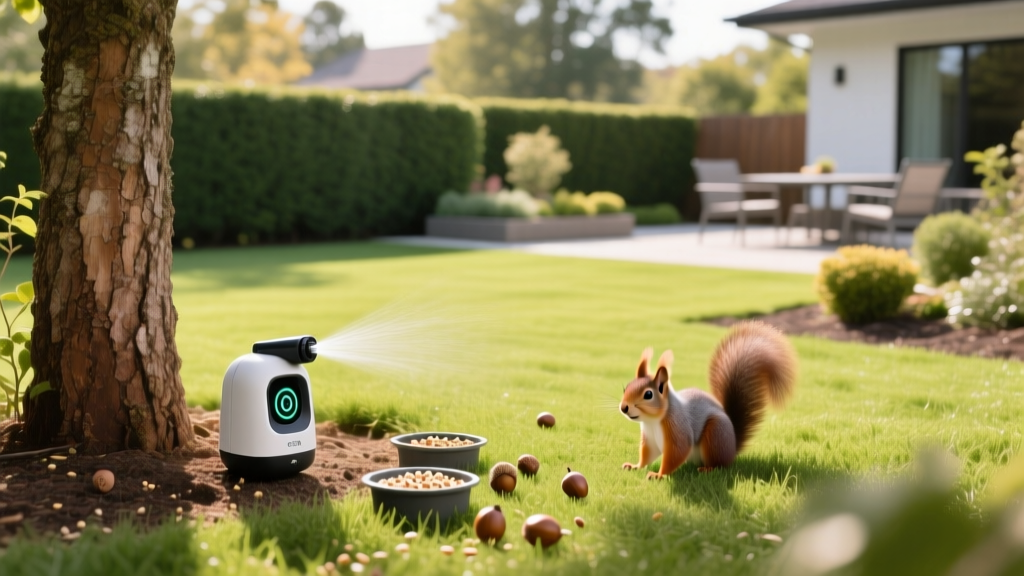
How to Rid Squirrels From Your Yard Using Proven Deterrents
The Reality of Squirrel Damage in Residential Yards
Eastern gray squirrels and fox squirrels cause highly specific, costly damage to residential landscapes. They dig 2-inch craters in lawns to cache nuts, strip bark from young ornamental trees (especially maples and ash), and decimate spring bulb plantings. Because squirrels can jump 4 to 5 feet vertically and up to 10 feet horizontally from elevated launch points, standard garden fences are entirely ineffective. Successfully managing squirrel populations requires a multi-layered approach targeting their foraging mechanics and sensory processing.
The 4-Tier Squirrel Deterrence Framework
Relying on a single deterrent yields temporary results; squirrels rapidly habituate to static threats. A permanent solution requires combining physical exclusion, active harassment, sensory aversion, and targeted removal. Below is the exact protocol used by professional wildlife control operators.
Tier 1: Physical Exclusion (Baffles and Bulb Cages)
Physical barriers are the only 100% reliable method for protecting high-value targets like bird feeders and ornamental bulbs. The Cornell Lab of Ornithology notes that improper baffle sizing is the primary reason homeowners fail to protect feeders.
Bird Feeder Baffle Specifications
- Pole Height: The feeder pole must be at least 5 feet tall. Squirrels can clear a 4-foot vertical leap from a standstill.
- Clearance: Maintain an 8-foot horizontal distance from any fence, roofline, or tree branch.
- Baffle Dimensions: Use a torpedo or cone baffle with a minimum diameter of 18 inches (e.g., the Woodlink NABAF18, approx. $35). Squirrels can stretch their bodies to bypass baffles smaller than 15 inches.
- Placement: Mount the baffle at least 4 feet off the ground to prevent the squirrel from grabbing the top edge and pulling itself over.
Protecting Subsurface Bulbs
Squirrels locate planted tulips and crocuses via scent and soil disturbance. Chicken wire (1-inch hexagonal mesh) fails because squirrels can easily dig through the gaps or squeeze their skulls through the 1-inch holes. Instead, use 1/2-inch, 19-gauge galvanized hardware cloth. Cut the mesh to fit the planting bed, lay it directly over the bulbs at a depth of 2 inches, and secure the edges with 6-inch landscape staples. The rigid steel prevents digging, while the 1/2-inch gaps allow plant shoots to emerge unhindered.
Tier 2: Motion-Activated Harassment
For broad lawn protection where physical barriers are impractical, motion-activated water sprinklers exploit the squirrel's startle reflex without causing physical harm. The Orbit 62100 Yard Enforcer (approx. $79) is the industry standard for mammal deterrence.
Calibrating Motion Sprinklers for Squirrels
Squirrels move close to the ground and often travel along fence lines. To trigger the sensor reliably:
- Sensor Height: Set the infrared sensor to the "Low" position (approx. 12 inches off the ground) to detect low-profile movement.
- Water Pressure: Ensure your outdoor spigot delivers between 30 and 80 PSI. Pressures below 30 PSI result in a weak spray that squirrels will quickly ignore.
- Coverage Arc: The Orbit 62100 covers a 120-degree arc up to 35 feet. Overlap two units if protecting a rectangular lawn exceeding 40 feet in width.
- Mode Selection: Use the "Day Only" mode to conserve battery and water, as squirrel foraging peaks between 7:00 AM and 11:00 AM, and 3:00 PM to 6:00 PM.
Tier 3: Taste and Scent Aversions
Chemical repellents target the squirrel's TRPV1 receptors (the proteins responsible for detecting heat and pain). Birds lack these specific receptors, making capsaicin an ideal selective deterrent for bird feeding stations.
Capsaicin-Treated Seed
Products like Cole's Hot Meats (approx. $12 for 5 lbs) consist of sunflower chips coated in concentrated capsaicin oil. Squirrels will taste the seed, experience acute oral irritation, and drop it, while cardinals and finches consume it normally. Note that capsaicin degrades under heavy rain; reapply or switch to solid suet blocks infused with chili extract (e.g., Woodpecker Suet Hot Meats) during wet spring months.
Warning: The Limits of Scent Repellents
Commercial peppermint oil sprays (like Rodent Sheriff) and predator urine granules provide a false sense of security. UV radiation and soil moisture break down volatile organic compounds (VOCs) in peppermint oil within 48 to 72 hours. Unless you are reapplying these liquids every three days, squirrels will quickly realize the scent poses no actual physical threat and resume foraging.
Commercial peppermint oil sprays (like Rodent Sheriff) and predator urine granules provide a false sense of security. UV radiation and soil moisture break down volatile organic compounds (VOCs) in peppermint oil within 48 to 72 hours. Unless you are reapplying these liquids every three days, squirrels will quickly realize the scent poses no actual physical threat and resume foraging.
Tier 4: Humane Trapping and Legal Realities
When exclusion and harassment fail, live trapping is the final option. The Havahart 1083 Live Animal Trap (17 x 7 x 7 inches, approx. $30) is sized perfectly for gray squirrels, preventing them from turning around and injuring their snouts against the wire mesh.
Strategic Baiting and Placement
Do not place bait in the center of the trap. Squirrels are cautious and will reach in with their paws, triggering the door without entering. Instead, smear a mixture of peanut butter and whole sunflower seeds directly onto the trigger pan at the very back of the cage. Place the trap along established fence-line runways, partially concealed by a light layer of leaves to reduce the reflection of the galvanized steel.
Relocation Laws and Ecological Impact
According to the University of Nebraska-Lincoln Extension and the Humane Society of the United States, relocating trapped squirrels is strictly illegal in many jurisdictions (including New York, California, and parts of Canada) without a specialized wildlife permit. Relocated squirrels suffer a mortality rate exceeding 75% within the first two weeks due to stress, unfamiliar predators, and lack of cached food reserves. If relocation is illegal in your municipality, you must either release the squirrel on your own property (which defeats the purpose) or humanely euthanize it via CO2 chamber, which requires professional licensing. Always consult your local Department of Natural Resources (DNR) before setting a trap.
Squirrel Deterrent Cost and Effectiveness Matrix
| Method | Product Example | Est. Cost | Effectiveness | Maintenance |
|---|---|---|---|---|
| Torpedo Baffle | Woodlink NABAF18 | $35 | Very High (95%+) | Low (Annual cleaning) |
| Hardware Cloth | 1/2" 19-Gauge Galvanized | $25 / roll | Absolute (100%) | None (Permanent) |
| Motion Sprinkler | Orbit 62100 Enforcer | $79 | High (85%) | Medium (Battery/Sensor) |
| Capsaicin Seed | Cole's Hot Meats | $12 / 5lbs | Moderate (70%) | High (Frequent refill) |
| Live Trap | Havahart 1083 | $30 | High (Catch rate) | High (Daily checks) |
Landscaping Choices: Starve the Foragers
If your yard consistently attracts squirrels, audit your plant selection. Squirrels actively target the bulbs of tulips, crocuses, and lilies, which are high in starch and sugar. Replace these with bulbs that contain calcium oxalate crystals or toxic alkaloids, which squirrels instinctively avoid. Daffodils (Narcissus), alliums, hyacinths, and snowdrops are entirely ignored by foraging squirrels. Additionally, avoid planting ground-level corn or strawberry beds without overhead netting, as these serve as primary summer food sources that anchor squirrel territories to your property.

