
Pest Control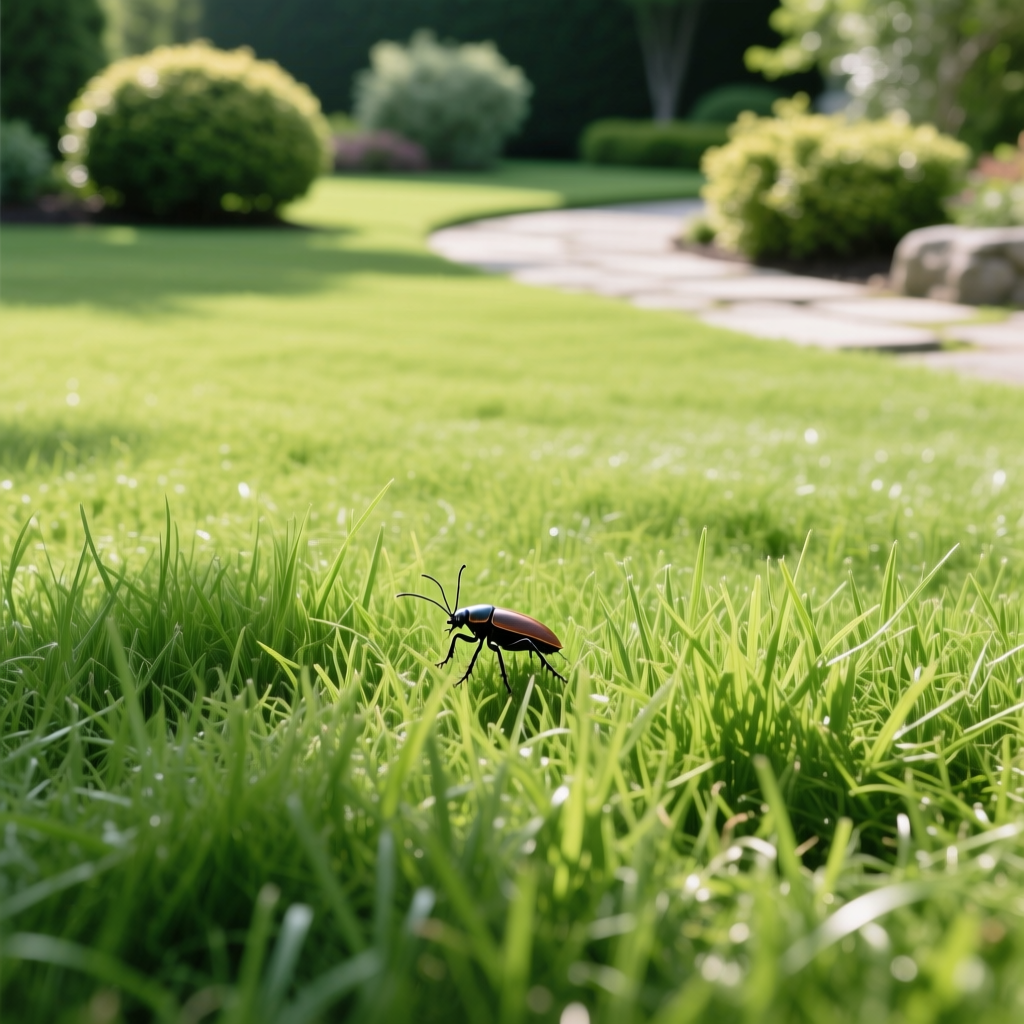
How to Identify & Control Billbug Damage in Cool-Season Lawns
Lisa ThompsonPublished
How to Identify & Control Billbug Damage in Cool-Season Lawns
If you have noticed irregular brown patches spreading across your cool-season lawn despite regular watering and fertilization, billbugs may be the culprit. These small, destructive weevils are among the most overlooked turfgrass pests, and their damage is frequently misdiagnosed as drought stress, disease, or nutrient deficiency. By the time homeowners realize what is happening, the grubs have already severed grass stems and devoured root systems beneath the soil surface.
Billbugs (Sphenophorus species) are snout-nosed beetles that target a wide range of turfgrasses, but they are particularly devastating to cool-season varieties such as Kentucky bluegrass, perennial ryegrass, fine fescue, and tall fescue. The adult females lay eggs in grass stems, and the resulting larvae tunnel through crowns and feed on roots, effectively killing the plant from the inside out. Understanding the life cycle, recognizing early warning signs, and implementing both preventive and curative strategies are essential to protecting your lawn from these stealthy invaders.
This comprehensive guide walks you through everything you need to know about billbug identification, prevention, and control in cool-season lawns. For more general information on maintaining a healthy turf, check out our cool-season lawn care guide and our resources on common lawn pests.
Identifying Billbugs & Their Damage in Cool-Season Lawns
Accurate identification is the first and most critical step in managing any lawn pest. Billbugs are often confused with white grubs or fungal diseases, which leads to ineffective treatment. Learning to distinguish billbug activity from other turf problems will save you time, money, and frustration.
What Billbugs Look Like
Adult billbugs are small weevils, typically measuring between one-quarter and one-half inch in length. They have a distinctive elongated snout (rostrum) that gives them their common name. Their bodies range in color from dark brown to nearly black, and some species display subtle patterning on their wing covers. When disturbed, adults often pull their legs close to their bodies and play dead, making them easy to overlook during casual inspection.
The larval stage is where the real damage occurs. Billbug larvae are legless, cream-colored grubs with distinctive brown head capsules. They are C-shaped and resemble smaller versions of Japanese beetle grubs, but the key difference is the absence of legs. White grubs from scarab beetles have three pairs of legs near the head; billbug larvae have none. This distinction is critical for proper identification and treatment selection.
Recognizing Billbug Damage
Billbug damage follows a predictable pattern that becomes easier to spot once you know what to look for. The earliest signs usually appear in late spring or early summer, depending on your climate zone. Here is what to watch for:
- Small, irregular brown patches that appear despite adequate irrigation. These patches often start the size of a fist and expand outward as larvae continue feeding.
- Hollowed-out grass stems. Adult females chew small holes into grass stems to deposit eggs. You may notice stems that look pinched or broken near the soil line.
- Sawdust-like frass. One of the most telltale signs of billbug activity is the presence of fine, tan, sawdust-like material (frass) at the base of grass plants. This is the excrement of feeding larvae and is a strong diagnostic indicator.
- Grass that pulls up easily. Because larvae feed on roots and crowns, damaged turf can be lifted from the soil with minimal effort, much like pulling up a loose carpet. Unlike grub damage, you will not find large, legged grubs beneath the surface — instead, look for the smaller, legless billbug larvae.
- Damage concentrated along edges. Billbugs often migrate from adjacent areas such as garden beds, sidewalks, or driveways, so damage frequently starts along lawn borders and spreads inward.
The Tug Test
One of the simplest diagnostic techniques is the tug test. Grab a handful of brown or yellowing grass near the edge of a damaged area and pull gently. If the grass breaks off at the soil surface or comes up with no root attachment and you notice fine frass in the crown area, billbug larvae are likely responsible. You may also spot the larvae themselves curled up in the thatch or upper soil layer.
If you suspect billbug damage but are not entirely sure, our lawn pest identification guide can help you compare symptoms across multiple common turf pests.
Billbug Life Cycle & Timing
Understanding the billbug life cycle is essential for timing your control measures effectively. In most regions with cool-season lawns, the cycle proceeds as follows:
- Overwintering adults emerge from sheltered areas (leaf litter, thatch, mulch beds) in early to mid-spring when soil temperatures reach approximately 65°F (18°C).
- Adults feed and mate on grass stems and foliage for several weeks.
- Females lay eggs inside grass stems from late spring through early summer. A single female can lay over 200 eggs during her lifetime.
- Eggs hatch within one to two weeks, and larvae drop into the soil to begin feeding on roots and crowns.
- Larvae feed and grow through several instars over four to eight weeks, causing the most visible damage during mid to late summer.
- Mature larvae pupate in the soil, and new-generation adults emerge in late summer or early fall.
- New adults feed briefly before seeking overwintering sites, completing the cycle.
Most cool-season regions experience one generation per year, though some species in warmer areas may produce two. The window of peak larval feeding — typically mid-summer — is when damage becomes most apparent and when curative treatments are most urgently needed.
Preventing Billbug Infestations Before They Start
Prevention is always more effective and less costly than trying to rescue a lawn that has already sustained significant billbug damage. A multi-faceted approach combining cultural practices, resistant grass varieties, and strategic timing gives you the best chance of keeping billbugs at bay.
Choose Resistant Grass Varieties
Not all cool-season grasses are equally susceptible to billbug feeding. Research has shown that certain cultivars of Kentucky bluegrass, tall fescue, and fine fescue exhibit natural resistance or tolerance to billbug damage. When establishing a new lawn or overseeding damaged areas, selecting endophyte-enhanced varieties can provide an additional layer of defense. Endophytes are beneficial fungi that live within grass tissues and produce compounds that deter feeding insects, including billbugs.
Tall fescue and fine fescue varieties containing endophytes tend to suffer significantly less billbug damage than non-endophyte strains. Perennial ryegrass with endophytes also shows improved resistance. If you are planning a lawn renovation, our guide to choosing the right grass seed covers variety selection in detail.
Maintain a Thick, Healthy Lawn
A dense, vigorously growing lawn is your first line of defense against all turf pests, including billbugs. Healthy grass can tolerate and recover from minor insect feeding far better than a thin, stressed lawn. Follow these foundational practices:
- Mow at the proper height. Cool-season grasses should be maintained at a height of two and a half to four inches, depending on the species. Taller grass shades the soil, conserves moisture, and promotes deeper root growth, all of which improve pest tolerance.
- Water deeply and infrequently. Provide one to one and a half inches of water per week, applied in one or two sessions rather than light daily sprinklings. Deep watering encourages roots to grow downward, making the lawn more resilient.
- Fertilize appropriately. Follow a balanced fertilization schedule tailored to cool-season grasses. Avoid excessive nitrogen applications in late spring and summer, as lush, rapid growth can attract billbugs and other pests.
- Manage thatch. A thatch layer exceeding one-half inch provides ideal habitat for billbug adults and larvae. Regular dethatching and core aeration help keep thatch in check and improve soil health.
Monitor for Adult Activity in Spring
Scouting for adult billbugs in spring gives you an early warning before eggs are laid and larvae begin feeding. Walk your lawn on warm, sunny afternoons and look along sidewalks, driveways, and garden edges for the small, dark weevils. You can also place a light-colored sheet or towel on the lawn and walk across it; billbugs that are disturbed will often drop onto the sheet where they are easy to spot.
Pitfall traps are another effective monitoring tool. Simply bury a small container (such as a tuna can) at soil level along the lawn edge and partially fill it with soapy water. Check the traps every few days. Finding multiple billbugs in your traps is a strong indicator that treatment may be warranted.
Reduce Overwintering Habitat
Billbug adults overwinter in protected areas near the lawn, including thick thatch, leaf litter, mulch beds, and cracks in pavement. Removing excess debris, raking leaves promptly in fall, and sealing cracks along walkways can reduce the number of adults that survive to infest your lawn the following spring. Be cautious with heavy mulch applications near lawn edges, as these can serve as convenient overwintering sites.
DIY Billbug Control Solutions for Homeowners
If monitoring reveals billbug activity or you have confirmed damage on your lawn, there are several do-it-yourself approaches you can take. The effectiveness of each method depends heavily on timing and thoroughness of application.
Biological Control Options
Beneficial nematodes, specifically Steinernema carpocapsae and Heterorhabditis bacteriophora, are microscopic worms that parasitize and kill soil-dwelling insect larvae, including billbugs. They are available through garden centers and online retailers and are applied to the lawn using a hose-end sprayer or watering can.
For best results, apply nematodes when young billbug larvae are actively feeding in the soil, typically in early to mid-summer. The soil must be moist before and after application, as nematodes require moisture to move through the soil profile and locate their hosts. Water the lawn thoroughly before application and irrigate lightly afterward to wash the nematodes into the thatch and upper soil layer.
The entomopathogenic fungus Beauveria bassiana is another biological option. This naturally occurring fungus infects and kills adult billbugs and is available in several commercial formulations. It works best when applied to target adults during their spring activity period before significant egg-laying has occurred.
Chemical Insecticide Treatments
When billbug populations are high or biological controls are insufficient, targeted insecticide applications may be necessary. There are two primary approaches: preventive and curative.
Preventive treatments target adults and newly hatched larvae before significant damage occurs. Products containing the active ingredient chlorantraniliprole or clothianidin can be applied in late spring (around the time adults are actively mating and laying eggs). These products have long residual activity and work systemically, meaning they are absorbed by the grass and kill larvae as they begin feeding inside stems and on roots.
Curative treatments are applied when larvae are already present and causing visible damage. Products containing carbaryl, bifenthrin, or trichlorfon can provide faster knockdown of active larvae. However, curative treatments are generally less effective than preventive ones because the larvae are protected within the soil and thatch layer, and the lawn has already sustained injury.
When applying any insecticide, always read and follow the product label carefully. The label is the law, and it provides critical information on application rates, timing, safety precautions, and environmental considerations. Water the lawn before application to bring larvae closer to the surface, and irrigate lightly after application to move the product into the target zone.
For a broader overview of chemical and organic pest management strategies, visit our lawn insecticide guide.
Cultural Recovery After Billbug Damage
Once billbug activity has been controlled, your lawn will need help recovering. The steps you take during the recovery period determine how quickly and completely your turf bounces back:
- Rake out dead grass and debris from damaged areas to expose soil and prepare the seedbed.
- Overseed damaged patches with a billbug-resistant grass variety. Fall is the ideal time for overseeding cool-season lawns, but spring overseeding can also be effective if billbug pressure has been managed.
- Top-dress with a thin layer of compost or quality topsoil to improve seed-to-soil contact and provide nutrients for new seedlings.
- Keep the soil consistently moist until new grass is established. Light, frequent watering is appropriate during the germination period, transitioning to deeper, less frequent irrigation as seedlings mature.
- Avoid herbicide applications on newly seeded areas until the grass has been mowed at least two to three times.
Our overseeding guide for cool-season lawns provides step-by-step instructions for achieving the best results.
When to Call a Professional for Billbug Control
While many billbug problems can be managed by diligent homeowners, there are situations where professional intervention is the most practical and effective option.
Signs You Need Professional Help
Consider reaching out to a licensed lawn care professional if you experience any of the following:
- Widespread damage across large areas of the lawn. If more than twenty to thirty percent of your lawn shows billbug damage, the scale of treatment and recovery may exceed what is practical for a DIY approach.
- Recurring infestations year after year. Chronic billbug problems suggest underlying issues with lawn health, grass variety selection, or environmental conditions that a professional can diagnose and address with a comprehensive management plan.
- Uncertainty about identification. If you are unable to confirm whether billbugs are responsible for the damage, a professional can provide accurate diagnosis and recommend the most appropriate treatment. Misidentification often leads to wasted effort and money on the wrong products.
- Desire for a preventive program. Professional lawn care companies can apply commercial-grade preventive products at precisely the right time, based on local pest activity data and growing degree-day models. This approach is often more effective and can be more economical than purchasing retail products and guessing at timing.
- Environmental or safety concerns. If you have concerns about applying insecticides near water features, vegetable gardens, play areas, or pet spaces, a licensed professional can select and apply products that meet your safety requirements while still delivering effective control.
What to Expect from Professional Treatment
A reputable lawn care professional will typically begin with a thorough inspection of your property to confirm the presence of billbugs, assess the extent of damage, and identify contributing factors such as thatch buildup or susceptible grass varieties. Based on the findings, they will develop a customized treatment plan that may include targeted insecticide applications, soil amendments, overseeding with resistant varieties, and ongoing monitoring.
Many professional services also offer integrated pest management (IPM) programs that combine chemical, biological, and cultural strategies for long-term control. These programs emphasize monitoring, threshold-based treatment decisions, and environmentally responsible practices. Ask potential service providers about their IPM approach and request references before committing to a contract.
For additional information on working with lawn care professionals and understanding service options, see our guide to hiring a lawn care service.
Frequently Asked Questions About Billbugs in Cool-Season Lawns
What is the difference between billbug damage and grub damage?
Both billbugs and white grubs feed on grass roots and cause brown patches, but there are several key differences. Billbug larvae are small, legless, cream-colored grubs with brown heads, while white grubs (from Japanese beetles, June beetles, or masked chafers) are larger, have three pairs of legs, and are typically C-shaped. Billbug damage often produces fine, sawdust-like frass at the base of grass plants and hollowed-out stems, neither of which are associated with white grub feeding. Additionally, billbug damage often starts along lawn edges and follows a scattered, irregular pattern, while grub damage tends to appear in larger, more uniform patches that attract digging animals like skunks and crows.
Can billbugs kill an entire lawn?
In severe, untreated infestations, billbugs can cause extensive damage that kills large sections of a lawn. However, complete lawn destruction is relatively uncommon. More typically, billbugs create scattered brown patches that weaken the overall turf, making it more susceptible to drought stress, disease, and weed invasion. The good news is that once billbug populations are brought under control, cool-season lawns can recover through overseeding, proper fertilization, and consistent watering. Early detection and treatment are the keys to preventing significant damage.
Are billbugs harmful to humans or pets?
Billbugs are not harmful to humans or pets. They do not bite, sting, or transmit diseases. They are strictly plant-feeding insects that pose no direct health risk. However, the insecticides used to control billbugs can be hazardous if not applied according to label directions. Always follow safety precautions on product labels, keep children and pets off treated areas until the application has dried or been watered in as directed, and store all pest control products securely out of reach.
How do I prevent billbugs from coming back next year?
Long-term billbug prevention requires a combination of strategies. Start by selecting endophyte-enhanced grass varieties when overseeding or renovating your lawn. Maintain proper mowing height, deep watering practices, and balanced fertilization to promote a thick, vigorous turf that can tolerate minor insect pressure. Manage thatch buildup through regular dethatching and core aeration. Monitor for adult billbug activity each spring using visual scouting and pitfall traps. If you have a history of billbug problems, consider applying a preventive insecticide treatment in late spring before egg-laying begins. Consistent, year-round lawn care is the most reliable defense against recurring infestations.
Do natural predators help control billbugs?
Yes, several natural predators contribute to billbug population management. Ground beetles, ants, spiders, and certain bird species (including starlings, grackles, and robins) prey on billbug adults and larvae. Parasitic wasps may also attack billbug eggs and larvae. While these natural enemies alone are rarely sufficient to prevent damaging populations, they are an important component of a balanced ecosystem and an integrated pest management strategy. Encouraging biodiversity in your yard by minimizing broad-spectrum insecticide use, providing habitat for beneficial insects, and maintaining diverse plantings can help support these natural predators. For more on building a resilient, biodiverse lawn ecosystem, explore our organic lawn care tips.
Final Thoughts on Managing Billbugs in Cool-Season Lawns
Billbugs are a persistent and often underestimated threat to cool-season lawns, but they are far from unstoppable. By learning to recognize the early signs of damage — the sawdust-like frass, the hollowed stems, the grass that pulls up too easily — you can catch infestations before they cause widespread destruction. Combining preventive cultural practices like proper mowing, deep watering, thatch management, and the use of resistant grass varieties creates an environment where billbugs struggle to establish damaging populations.
When treatment is necessary, both biological and chemical options are available, and timing is everything. Targeting adults in spring or young larvae in early summer delivers far better results than trying to rescue a lawn after mature larvae have already severed the root systems. And when the problem exceeds your comfort level or capacity, professional lawn care services can provide the expertise and commercial-grade tools needed to bring billbug populations under control.
A healthy, well-maintained lawn is always the best defense. Invest in consistent care, stay vigilant for early warning signs, and address pest issues promptly. Your cool-season lawn will reward you with thick, green, resilient turf season after season. For more expert guidance, browse our complete collection of pest control resources and lawn care guides.

