Pest Control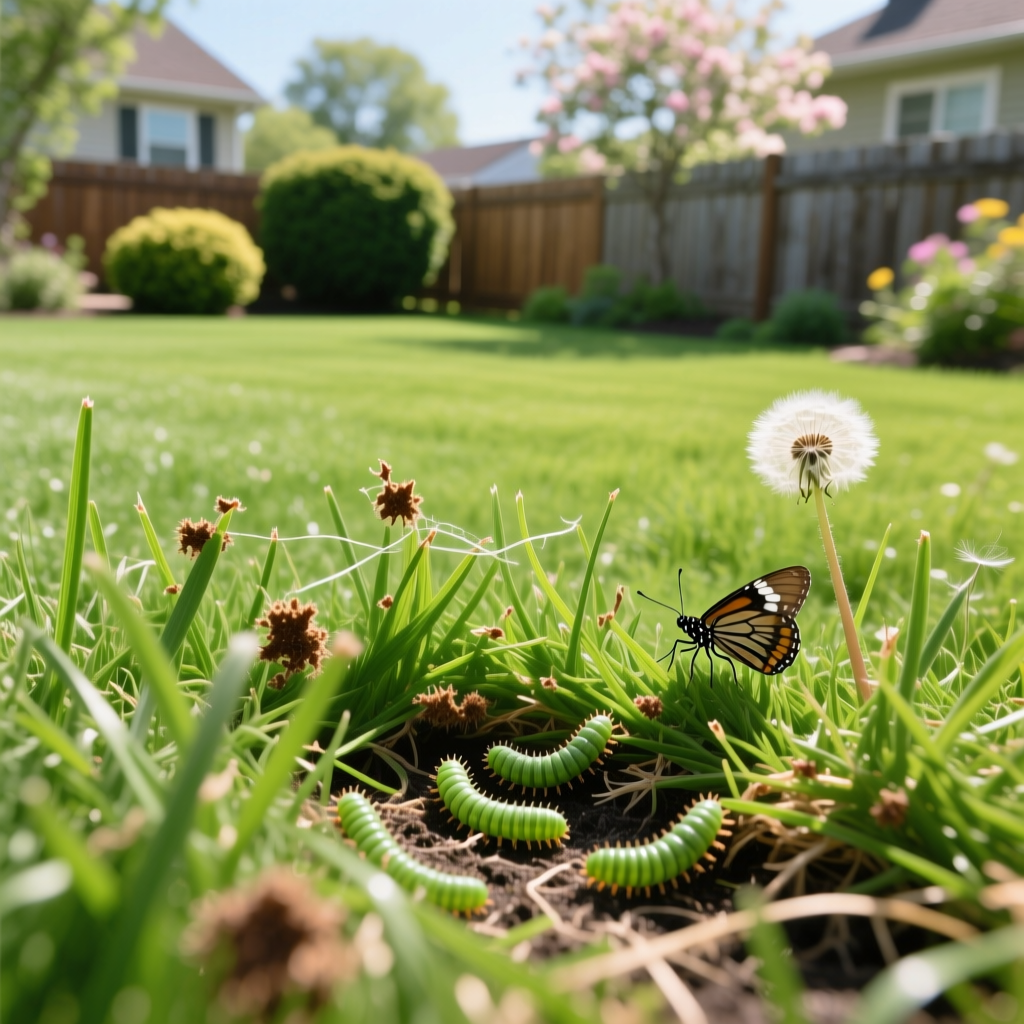
How to Identify & Control Sod Webworms in Warm-Season Lawns
James MillerPublished
Sod webworms are one of the most common and destructive pests that target warm-season lawns across the southern United States. These small caterpillars — the larval stage of lawn moths — can turn a lush, green yard into a patchy, brown eyesore in a matter of weeks if left unchecked. Homeowners with Bermudagrass, Zoysia, St. Augustine, centipedegrass, or bahiagrass lawns are especially vulnerable to sod webworm damage during the warm months when these pests are most active.
The good news is that sod webworms are manageable with the right knowledge and a proactive approach. In this comprehensive guide, you will learn how to identify sod webworms early, understand their life cycle, implement effective prevention strategies, apply proven DIY control methods, and recognize when it is time to call in a professional. Whether you are dealing with a current infestation or want to protect your lawn before a problem starts, this article gives you everything you need to keep your warm-season turf healthy and pest-free.
What Are Sod Webworms & How to Identify Them
Sod webworms are not actually worms — they are the larval stage of small moths belonging to the family Crambidae. Several species of sod webworms exist, but the tropical sod webworm (Herpetogramma phaeopteralis) and the southern lawn moth (Tehama bonifatella) are the most damaging to warm-season grasses. Understanding what these pests look like at every stage of their life cycle is the first step toward effective control.
Identifying Sod Webworm Larvae
The larval stage is when sod webworms cause damage to your lawn. Sod webworm caterpillars are typically between half an inch and one inch long when fully grown. They have slender bodies that range in color from grayish-green to brown, often with dark brown or black spots running along their backs. Some species display a lighter stripe along each side of the body. Their heads are usually dark brown to black. If you part the grass and examine the soil surface closely, you may notice the larvae curled up near the base of the grass blades or within small silk-lined tunnels in the thatch layer.
Identifying Adult Sod Webworm Moths
Adult sod webworm moths are small, tan or grayish-brown insects with a wingspan of roughly three-quarters of an inch. They have a distinctive habit of holding their wings tightly rolled around their bodies when at rest, giving them a narrow, cigar-shaped appearance. You may notice them fluttering low over your lawn in the early evening or at dusk, especially during warm, humid nights. While the adult moths do not feed on grass, their presence is a strong indicator that eggs are being laid in your turf.
Recognizing Sod Webworm Damage
Sod webworm damage often appears as irregular brown or thinning patches in your lawn, which can easily be mistaken for drought stress, disease, or dog urine spots. However, there are key differences that help you confirm a sod webworm problem:
- Chewed grass blades: Sod webworm larvae feed by chewing on grass blades near the soil surface. Look for blades that appear ragged, notched, or completely severed at the base.
- Silk webbing: One of the most telling signs is the presence of fine silk webbing on grass blades, especially visible in the early morning when dew collects on the threads.
- Frass (caterpillar droppings): Small, green-to-brown pellet-like droppings may be visible on the soil surface or within the thatch layer near damaged areas.
- Bare patches: In severe infestations, entire areas of the lawn can be stripped down to bare soil, with the root system generally remaining intact — unlike damage from white grubs, which destroy roots.
- Bird activity: An unusual increase in birds pecking at your lawn can be a sign that sod webworm larvae are present, as birds are natural predators of these caterpillars.
The Soap Flush Test
If you suspect sod webworms but cannot confirm their presence visually, the soap flush test is a simple and highly effective diagnostic technique. Mix two tablespoons of liquid dish soap with two gallons of water and pour the solution over a three-foot-by-three-foot area of damaged or suspected lawn. Wait five to ten minutes. If sod webworm larvae are present, they will emerge from the thatch and soil surface, irritated by the soapy water. Finding more than ten to fifteen larvae in this area indicates a population large enough to warrant treatment.
The Sod Webworm Life Cycle & When They Threaten Warm-Season Lawns
Understanding the sod webworm life cycle is essential for timing your control efforts effectively. Sod webworms go through four stages: egg, larva, pupa, and adult moth. In warm climates, they can complete multiple generations per season, which is why infestations can escalate quickly if not addressed early.
Egg Stage
Female moths scatter eggs across the lawn surface while flying low over the grass in the evening. A single female can lay between 50 and 200 eggs, depositing them on grass blades or in the thatch layer. The eggs are tiny, white to pale yellow, and oval-shaped. Depending on temperature, eggs hatch within five to fourteen days.
Larval Stage
Once hatched, the larvae immediately begin feeding on grass blades. Young larvae tend to skeletonize the blades — eating the soft tissue while leaving the veins intact — while older larvae consume entire blades and may even cut grass off at the crown. The larval stage lasts approximately three to five weeks, during which the caterpillars grow through several instars (growth phases). This is the stage where the most visible damage occurs and the stage at which control measures are most effective.
Pupal Stage
After completing their larval development, sod webworms spin silk cocoons within the thatch layer and enter the pupal stage. Pupation typically lasts one to three weeks. During this time, they are protected from most surface-applied treatments, making timing critical.
Adult Moth Stage
Adult moths emerge from the pupal case and begin the cycle again. Adult moths live for only about two weeks, during which their sole purpose is to mate and lay eggs. They do not feed on grass and are primarily active at dusk and dawn.
In regions with long, warm growing seasons, sod webworms can produce three to four overlapping generations. This means that damage can appear at any point from late spring through early fall, with peak activity typically occurring during the hottest months. Warm-season lawns are most susceptible during periods of active growth, when the tender new grass blades provide an ideal food source for developing larvae. Proper mowing practices and consistent watering can help your lawn tolerate and recover from feeding damage more effectively.
Prevention Strategies to Protect Your Warm-Season Lawn
The most effective way to deal with sod webworms is to prevent a serious infestation from taking hold in the first place. A thick, vigorously growing lawn is your best natural defense against these pests. Here are proven prevention strategies tailored for warm-season grasses.
Maintain a Healthy, Dense Lawn
Sod webworms thrive in lawns that are thin, stressed, or poorly maintained. A dense turf canopy makes it more difficult for moths to reach the soil surface to lay eggs and reduces the survival rate of young larvae. Follow these fertilization guidelines to ensure your warm-season grass receives the nutrients it needs to grow thick and strong throughout the growing season.
Mow at the Proper Height
Mowing your warm-season lawn at the recommended height encourages deep root growth and dense lateral spread. Scalping or mowing too short weakens the grass, increases stress, and exposes the soil surface — creating ideal conditions for sod webworm egg-laying. Refer to our mowing guide for warm-season grasses to find the optimal cutting height for your specific turf type.
Manage Thatch Buildup
Sod webworm larvae build their silk tunnels in the thatch layer — the layer of dead and decomposing organic matter between the soil surface and the green grass canopy. Excessive thatch (more than half an inch thick) provides a protected habitat where larvae can feed and develop undisturbed. Regular dethatching and core aeration reduce thatch accumulation and improve air and water movement through the soil, creating a less favorable environment for webworms.
Water Deeply but Infrequently
Overwatering creates the moist, humid conditions that sod webworm larvae prefer. Water your warm-season lawn deeply but infrequently to encourage deep root systems while allowing the thatch layer and soil surface to dry between irrigation cycles. Our watering guide provides detailed recommendations for each grass type.
Encourage Beneficial Insects & Natural Predators
A diverse lawn ecosystem includes many natural enemies of sod webworms. Ground beetles, rove beetles, spiders, parasitic wasps, and birds all prey on sod webworm larvae and pupae. Avoid broad-spectrum insecticides that kill beneficial insects alongside pests. Planting flowering borders near your lawn can help attract and sustain populations of predatory and parasitic insects.
Monitor Regularly
Walk your lawn at least once a week during the growing season and look for early signs of sod webworm activity — moths fluttering at dusk, small brown patches, chewed grass blades, or silk webbing in the morning dew. Early detection allows you to address a small population before it becomes a widespread problem.
DIY Control Methods for Sod Webworms
If prevention measures are not enough and you have confirmed a sod webworm infestation through visual identification or the soap flush test, several do-it-yourself control methods can effectively reduce larvae populations. The key is to treat at the right time — when larvae are young and actively feeding — and to apply products correctly for maximum impact.
Biological Controls
Biological controls are among the safest and most environmentally friendly options for managing sod webworms. They target the larvae specifically while leaving beneficial insects, pets, and humans unharmed.
Bacillus thuringiensis var. kurstaki (Btk): Btk is a naturally occurring soil bacterium that produces proteins toxic to caterpillars when ingested. When applied to the lawn as a spray, larvae consume the treated grass blades and stop feeding within hours, dying within two to five days. Btk is most effective against young larvae (first through third instar), so early application is critical. Apply Btk in the late afternoon or early evening, as ultraviolet light degrades the product. Repeat applications every seven to ten days until the infestation is under control, since Btk has no residual activity.
Beneficial Nematodes (Steinernema carpocapsae or Heterorhabditis bacteriophora): These microscopic worms are applied to the lawn as a liquid suspension. They seek out sod webworm larvae and pupae in the thatch and upper soil layer, entering the pest's body and releasing bacteria that kill the host within 24 to 48 hours. Nematodes require moist soil conditions to move effectively, so water the lawn lightly before and after application. Apply nematodes in the early morning or evening to avoid heat and UV exposure, which can kill them before they reach the soil.
Botanical & Organic Insecticides
Spinosad: Derived from a naturally occurring soil bacterium, spinosad is an organic-approved insecticide that works through both contact and ingestion. It is effective against sod webworm larvae and has a short residual period of about one to two weeks. Spinosad is relatively safe for beneficial insects once it has dried on the leaf surface, though it can be toxic to bees when wet. Apply in the evening to minimize pollinator exposure.
Neem Oil: Neem oil acts as an antifeedant and growth disruptor for sod webworm larvae. While it may not kill larvae as quickly as other products, it reduces feeding damage and interferes with molting and development. Neem oil is best used as part of an integrated approach, particularly in the early stages of an infestation.
Pyrethrin: Pyrethrin is a botanical insecticide derived from chrysanthemum flowers. It provides fast knockdown of sod webworm larvae on contact. However, pyrethrin breaks down rapidly in sunlight and has very short residual activity. It can be useful for quick population reduction but should be combined with longer-lasting strategies for sustained control.
Synthetic Insecticides
For severe infestations where biological and botanical options are not sufficient, synthetic insecticides can provide faster and longer-lasting control. Always read and follow label instructions carefully, and apply these products responsibly.
Bifenthrin: Bifenthrin is a synthetic pyrethroid that provides broad-spectrum control of sod webworms and many other lawn pests. It works on contact and has a residual activity of several weeks. Apply as a liquid spray to the affected areas, targeting the thatch layer where larvae reside. Bifenthrin is available in both liquid concentrate and granular formulations. Granular products should be watered in after application to move the active ingredient into the thatch zone.
Carbaryl: Carbaryl is a widely available insecticide that is effective against sod webworm larvae. It can be applied as a liquid or dust formulation. Carbaryl has moderate residual activity and works through both contact and ingestion. It is toxic to bees and aquatic organisms, so avoid application near water sources and during times of peak pollinator activity.
Chlorantraniliprole: This newer class of insecticide is highly effective against caterpillar pests, including sod webworms. It works by disrupting muscle function in the larvae, causing them to stop feeding almost immediately. Chlorantraniliprole has excellent residual activity and a favorable environmental profile, with low toxicity to beneficial insects, birds, and mammals. Products containing chlorantraniliprole are often used by professionals but are increasingly available to homeowners.
Application Tips for Maximum Effectiveness
Regardless of which product you choose, follow these application best practices to ensure the best results:
- Mow before treatment: Mow your lawn one to two days before applying any insecticide. This removes excess leaf surface area and allows the product to reach the thatch layer and lower grass stems where larvae feed.
- Water lightly before application: Moist conditions encourage larvae to move closer to the surface, increasing their exposure to the treatment.
- Apply in the late afternoon or evening: Sod webworm larvae are most active at night, and applying treatments in the evening ensures the product is fresh when larvae begin feeding.
- Water in granular products: If using granular insecticides, apply a light irrigation after application to activate the product and move it into the thatch zone.
- Avoid watering for 24 to 48 hours after liquid spray applications: This allows the product to dry and adhere to grass blades and the thatch surface.
When to Call a Professional for Sod Webworm Control
While many sod webworm infestations can be managed with DIY methods, there are situations where professional intervention is the most practical and effective choice. Understanding when to escalate treatment can save you time, money, and frustration.
Severe or Widespread Infestations
If your lawn has extensive damage covering large areas, or if repeated DIY treatments have failed to reduce larvae populations, a licensed pest control professional can provide stronger, commercial-grade products and application equipment that are not available to homeowners. Professionals can also perform thorough inspections to identify all affected areas and apply treatments uniformly across the entire lawn.
Multiple Overlapping Generations
In warm climates where sod webworms produce several generations per season, managing the infestation can feel like a constant battle. A professional lawn care service can develop a season-long management plan that includes preventive treatments timed to interrupt the life cycle at key points, reducing the overall population and preventing future outbreaks.
Lawn Recovery & Renovation
If sod webworm damage has left large areas of your lawn bare or severely thinned, a professional can help with overseeding, sod installation, or other lawn repair techniques to restore your turf quickly. They can also recommend the best warm-season grass varieties for your area that may have improved pest resistance.
Integrated Pest Management Programs
Many professional lawn care companies offer integrated pest management (IPM) programs that combine monitoring, cultural practices, biological controls, and targeted chemical treatments into a comprehensive plan. IPM programs are designed to minimize pesticide use while maintaining effective control, making them an excellent option for homeowners who want a sustainable, long-term approach to lawn pest control.
Frequently Asked Questions About Sod Webworms in Warm-Season Lawns
What does sod webworm damage look like compared to drought stress?
Sod webworm damage and drought stress can look similar at first glance, as both cause brown or thinning patches in the lawn. However, there are important differences. Drought stress typically affects the entire lawn uniformly or appears in areas with poor soil moisture retention, such as slopes or sandy spots. The grass blades will appear wilted and folded but not chewed. Sod webworm damage, on the other hand, appears as irregular, scattered patches with visibly chewed or notched grass blades. You will often find silk webbing, frass, and the larvae themselves in the thatch layer near damaged areas. The soap flush test is the most reliable way to confirm whether sod webworms are the cause.
Will my warm-season lawn recover from sod webworm damage?
Yes, in most cases, warm-season lawns can recover from sod webworm damage. Because sod webworm larvae feed primarily on grass blades rather than roots or crowns, the growing points of the grass usually remain intact. Once the larvae are controlled, the grass can produce new blades and fill in damaged areas. Warm-season grasses like Bermudagrass and Zoysia are particularly resilient and can recover quickly with proper fertilization and adequate watering. Severely damaged areas may benefit from light overseeding or topdressing to speed recovery. If the lawn is properly maintained, full recovery typically takes two to six weeks during the active growing season.
Are sod webworms harmful to pets or children playing on the lawn?
Sod webworm larvae themselves are not harmful to pets or children. They do not bite, sting, or transmit diseases. However, the insecticides used to control them may pose risks if exposure guidelines are not followed. Always keep children and pets off the lawn during application and until the product has fully dried or been watered in, as specified on the product label. Biological controls such as Btk and beneficial nematodes are considered safe for use around people and pets, making them an excellent choice for families who want to minimize chemical exposure.
Can I prevent sod webworms naturally without using chemicals?
Yes, several natural strategies can help prevent sod webworm infestations without relying on synthetic chemicals. Maintaining a thick, healthy lawn through proper mowing, watering, and fertilization is the most effective natural defense. Keeping thatch levels below half an inch reduces the habitat available for larvae. Encouraging natural predators such as birds, ground beetles, and parasitic wasps by avoiding broad-spectrum insecticides and providing diverse plantings around your lawn can help keep webworm populations in check. Applying beneficial nematodes preventively during peak moth activity periods is another effective biological approach. Regular monitoring and early intervention with Btk at the first sign of larvae can prevent small populations from becoming damaging infestations.
How often should I treat my lawn for sod webworms during the growing season?
The frequency of treatment depends on the severity of the infestation, the product being used, and the local climate. For biological products like Btk, applications may need to be repeated every seven to ten days during periods of active larval feeding, as Btk has no residual activity. Synthetic insecticides with longer residual activity, such as bifenthrin or chlorantraniliprole, may only need to be applied once every four to eight weeks during peak season. In warm climates with multiple overlapping generations, a preventive treatment schedule may be necessary throughout the growing season. Always follow the specific product label for reapplication intervals, and rotate between different modes of action to prevent pest resistance. A soil-dwelling pest like white grubs may require a different treatment schedule, so proper identification is essential before starting any program.