Pest Control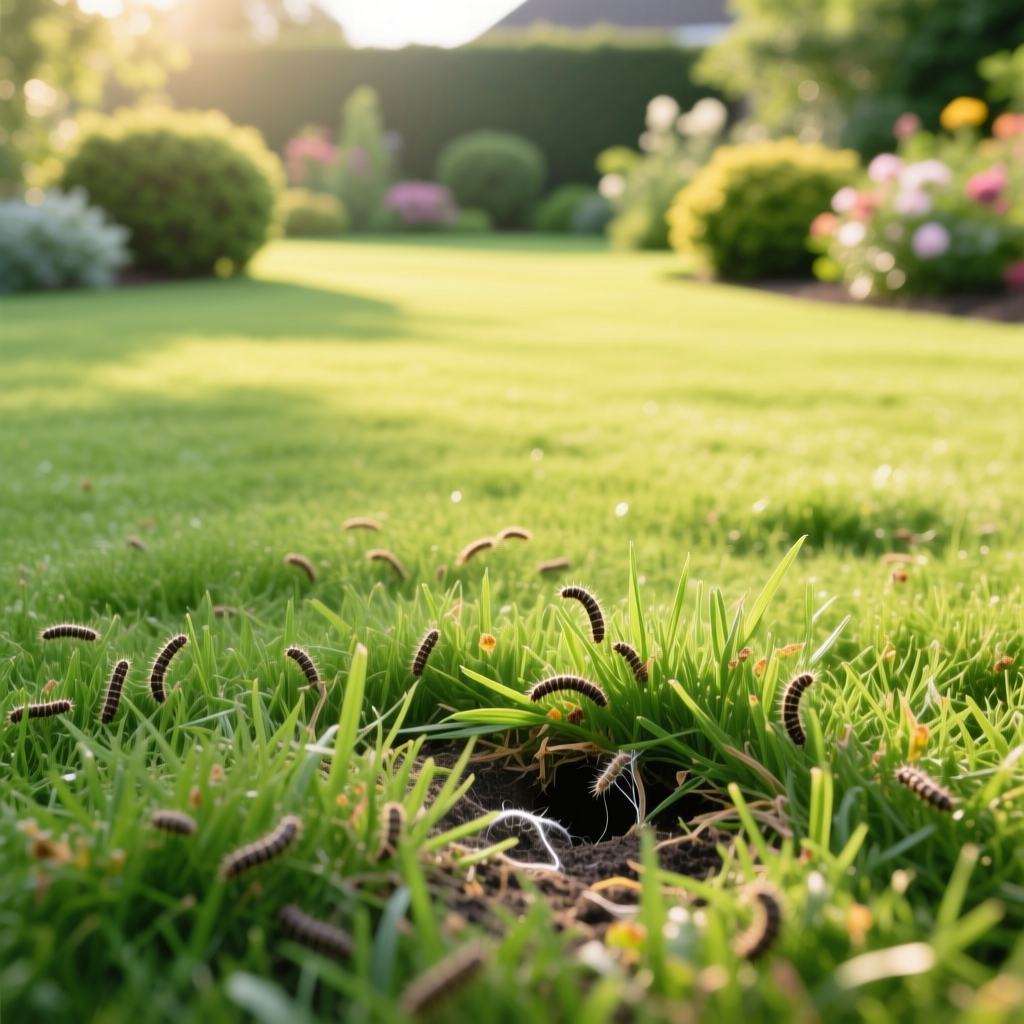
How to Identify & Eliminate Sod Webworm Damage in
How to Identify & Eliminate Sod Webworm Damage in Cool-Season Turfgrass
If you have noticed irregular brown patches spreading across your cool-season lawn, you might be dealing with one of the most common yet frequently misdiagnosed turf pests: the sod webworm. These small caterpillars are the larval stage of certain moths, and they can wreak havoc on Kentucky bluegrass, perennial ryegrass, fine fescue, and tall fescue lawns if left unchecked.
Sod webworms feed on grass blades at the soil surface, chewing through leaf tissue and leaving behind ragged, skeletonized patches that many homeowners mistake for drought stress, fungal disease, or dog urine damage. Understanding how to correctly identify sod webworm activity, implement preventive strategies, and deploy targeted treatments is essential for maintaining a healthy, vibrant lawn throughout the growing season.
In this comprehensive guide, we will walk you through everything you need to know about sod webworms in cool-season turfgrass — from early detection signs to effective elimination strategies that will restore your lawn to its former glory. For a broader look at lawn health, check out our complete lawn care guide to build a strong foundation for your turf.
Identifying Sod Webworms & Their Damage in Cool-Season Lawns
Accurate identification is the first and most critical step in managing any turf pest. Sod webworms belong to the family Crambidae, and there are over 20 species that can affect lawns across North America. The most common species affecting cool-season turfgrass include the bluegrass webworm (Parapediasia teterrella), the larger sod webworm (Chrysoteuchia topiarius), and the vagabond crambus (Agriphila vulgivagella).
What Do Sod Webworms Look Like?
In their larval stage, sod webworms are small caterpillars that typically measure between half an inch and one inch in length. They are usually grayish-green, brown, or beige in color with dark spots running along their bodies. Their heads are often darker than their bodies, ranging from dark brown to nearly black. When disturbed, they curl into a characteristic C-shape, much like grubs.
The adult stage of the sod webworm is a small, slender moth with a wingspan of about one inch. These moths are typically buff-colored or tan and hold their wings tightly against their bodies when at rest, giving them a narrow, tube-like appearance. You will often see them fluttering just above the turf in the late afternoon or early evening, particularly during their peak flight periods in late spring and mid-to-late summer.
Recognizing Sod Webworm Damage
Sod webworm damage has several distinguishing characteristics that set it apart from other lawn problems:
- Irregular brown patches: Unlike the circular rings associated with fungal diseases like brown patch disease, sod webworm damage appears as ragged, irregularly shaped brown areas that may start small and coalesce into larger dead zones.
- Chewed grass blades: Examine the edges of damaged patches closely. You will see grass blades that have been chewed or notched along their edges, or clipped entirely at the base.
- Silken tunnels & webbing: Part the grass at the soil level in damaged areas. Sod webworms construct small silken tunnels through the thatch layer, which is how they earned their name. You may also notice fine webbing on grass blades, especially in the early morning when dew collects on it.
- Green fecal pellets (frass):strong> Look closely at the soil surface and within the thatch layer for small, green, sand-like pellets. This frass is a telltale sign of active caterpillar feeding.
- Increased bird activity: If you notice flocks of starlings, robins, or other birds pecking aggressively at your lawn, they may be feeding on exposed sod webworm larvae. While bird feeding can cause some secondary damage to turf, it is also a strong indicator of a pest problem beneath the surface.
The Soap Flush Test: Confirming Sod Webworm Presence
The most reliable method for confirming a sod webworm infestation is the soap flush test. Here is how to perform it:
- Mix two tablespoons of liquid dish soap with two gallons of water.
- Pour the solution over a one-square-yard area at the edge of a damaged patch — specifically where brown grass meets green, healthy grass.
- Wait approximately five to ten minutes.
- Observe the area. If sod webworms are present, the caterpillars will emerge from the thatch and wriggle on the surface, irritated by the soap solution.
A threshold of four to six larvae per square foot generally warrants treatment. If you count fewer, your lawn can likely tolerate the population without significant damage. For more information on scouting for lawn pests, visit our common lawn pests identification guide.
Sod Webworm Life Cycle & Seasonal Activity Patterns
Understanding the life cycle of sod webworms is essential for timing your treatments effectively and breaking their reproductive cycle before populations reach damaging levels.
Complete Life Cycle Breakdown
Egg stage: Adult female moths scatter eggs across the turf canopy in the late afternoon and evening as they fly in a zigzag pattern just above the grass. A single female can lay between 200 and 300 eggs over her lifetime. These eggs are tiny, oval-shaped, and initially white, turning amber before hatching. Depending on temperature, eggs hatch in five to ten days.
Larval stage: Once hatched, the young larvae immediately begin feeding on grass blades. Early-instar larvae skeletonize leaf tissue by chewing away the upper surface, leaving the lower epidermis intact. As they mature through six to eight instars, they consume entire blades and can clip grass at the crown. The larvae build silken shelters in the thatch layer where they retreat during the heat of the day, emerging to feed primarily at night and during overcast conditions. The larval stage lasts approximately four to seven weeks depending on temperature and species.
Pupal stage: Mature larvae pupate within their silken tunnels in the thatch. The pupal stage lasts one to three weeks, depending on environmental conditions.
Adult stage: Adult moths emerge and live for approximately two weeks. They do not feed on turf — their sole purpose is reproduction. The moths are most active at dusk and are often attracted to outdoor lights.
Generations & Seasonal Timing
In most cool-season turfgrass regions, sod webworms produce two to three generations per year. The first generation of larvae typically becomes active in late spring to early summer, following the emergence of overwintered larvae that completed their development as temperatures warmed. The second and often most damaging generation occurs in mid-to-late summer, when heat stress already weakens cool-season grasses. A partial or full third generation may occur in early fall in warmer portions of the cool-season turf zone.
The late summer generation is particularly dangerous because cool-season grasses like Kentucky bluegrass and perennial ryegrass are already under stress from summer heat and drought. The combined pressure of pest feeding and environmental stress can lead to extensive turf loss. Understanding cool-season grass types and their seasonal growth patterns can help you anticipate when your lawn is most vulnerable.
Prevention Strategies for Sod Webworm Infestations
The most effective approach to sod webworm management is prevention. A thick, healthy lawn is naturally more resistant to pest damage and can tolerate moderate feeding pressure without showing significant symptoms. Here are the core prevention strategies every cool-season turfgrass homeowner should implement.
Maintain Proper Mowing Practices
Mowing height plays a significant role in sod webworm prevention. Cool-season grasses should be maintained at a height of 2.5 to 4 inches, depending on the species. Taller grass develops deeper root systems, shades the soil surface (making it less attractive for egg-laying moths), and provides a more resilient canopy that can withstand moderate feeding. Never remove more than one-third of the blade height in a single mowing session. Visit our mowing best practices guide for detailed recommendations.
Manage Thatch Buildup
Sod webworms live and feed within the thatch layer — the zone of living and dead organic matter between the soil surface and the green grass canopy. A thatch layer exceeding half an inch provides ideal habitat for larvae, offering protection from predators, environmental extremes, and even some insecticide applications. Regular dethatching and aeration help keep this layer thin and reduce the suitability of your lawn as a sod webworm habitat.
Optimize Irrigation
Proper watering keeps cool-season grasses vigorous and better able to recover from pest feeding. Deep, infrequent irrigation — typically one to 1.5 inches of water per week, including rainfall — encourages deep root growth. Avoid frequent, shallow watering, which promotes shallow roots and lush, tender growth that is more attractive to feeding larvae. During peak sod webworm activity in late summer, maintaining adequate soil moisture is critical because drought-stressed grass cannot compensate for tissue loss.
Choose Resistant Grass Varieties
When overseeding or establishing a new lawn, select turfgrass varieties that have documented resistance to sod webworms. Many modern cultivars of tall fescue and perennial ryegrass contain endophytes — beneficial fungi that live within the grass plant and produce alkaloids that deter feeding by sod webworms and other surface-feeding insects. Endophyte-enhanced varieties can significantly reduce larval survival and feeding damage. Our guide to overseeding cool-season lawns covers variety selection in detail.
Encourage Natural Predators
A diverse lawn ecosystem supports a range of natural enemies that help keep sod webworm populations in check. Ground beetles, rove beetles, spiders, ants, and parasitic wasps all prey on sod webworm larvae and eggs. Birds, particularly starlings and robins, consume large quantities of larvae. Avoid broad-spectrum insecticides when possible, as these products kill beneficial organisms along with the target pests, potentially leading to secondary pest outbreaks.
Monitor Regularly During Peak Season
Scout your lawn weekly during late spring through early fall, paying particular attention to sunny, south-facing slopes and areas near lights that may attract egg-laying moths. Early detection allows you to address problems when populations are small and easier to manage. Combine your visual inspections with periodic soap flush tests in areas that show early signs of stress.
DIY & Natural Treatment Solutions for Sod Webworms
If your scouting confirms an active sod webworm infestation that exceeds threshold levels, several do-it-yourself and natural treatment options can effectively reduce populations without requiring professional intervention.
Biological Control: Bacillus thuringiensis (Bt)
Bacillus thuringiensis var. kurstaki (Bt) is a naturally occurring soil bacterium that produces proteins toxic to caterpillars when ingested. It is one of the most targeted and environmentally friendly options available for sod webworm control.
How to use Bt:
- Apply Bt products as a liquid spray to the turf canopy in the late afternoon or early evening, when larvae are most actively feeding.
- Ensure thorough coverage of grass blades, as larvae must consume treated tissue for the product to work.
- Bt is most effective against young, early-instar larvae. Larger, mature caterpillars are more difficult to control with this method.
- Reapply every five to seven days during active infestations, as Bt breaks down rapidly under UV light.
- Bt is safe for humans, pets, birds, and most beneficial insects, making it an excellent choice for integrated pest management programs.
Beneficial Nematodes
Entomopathogenic nematodes, particularly Steinernema carpocapsae and Heterorhabditis bacteriophora, are microscopic roundworms that seek out and infect sod webworm larvae in the thatch and upper soil layers. Once inside the host, the nematodes release bacteria that kill the larvae within 24 to 72 hours.
Application tips for nematodes:
- Purchase nematodes from reputable suppliers and apply them as soon as possible after receipt, as they are living organisms with limited shelf life.
- Apply to moist turf in the evening or on an overcast day to protect them from UV radiation and desiccation.
- Water the lawn lightly before application to create favorable conditions, and irrigate again after application to wash the nematodes off grass blades and into the thatch.
- Soil temperatures should be between 55°F and 85°F for optimal nematode activity.
- Nematodes are compatible with most organic lawn care programs and pose no risk to humans, pets, or plants.
Spinosad
Spinosad is a natural insecticide derived from the fermentation of the soil bacterium Saccharopolyspora spinosa. It is effective against sod webworm larvae through both contact and ingestion and has a favorable environmental profile compared to synthetic chemical options. Spinosad products are widely available at garden centers and can be applied as a liquid spray following label directions. Allow treated areas to dry before allowing people or pets back onto the lawn.
Neem Oil
Neem oil, extracted from the seeds of the neem tree (Azadirachta indica), acts as an antifeedant and growth regulator against sod webworm larvae. While it may not provide the rapid knockdown of other treatments, neem oil can be a useful component of a broader management strategy, particularly for light infestations or as a follow-up treatment. Apply neem oil sprays in the evening to avoid leaf burn and to coincide with larval feeding activity.
Manual Removal & Cultural Controls
For small, localized infestations, you can physically remove sod webworms by hand. Inspect damaged areas at dusk with a flashlight and pick larvae from the turf surface. Drop them into a bucket of soapy water to kill them. Additionally, maintaining a healthy lawn through proper fertilization helps the grass outgrow and recover from minor feeding damage.
Chemical Treatments & When to Call a Professional
When sod webworm populations are severe, when biological controls have not provided adequate results, or when the infestation covers a large area, chemical treatments may be necessary. Understanding your options — and knowing when the situation exceeds your ability to manage it alone — is critical for protecting your investment in your lawn.
Synthetic Insecticide Options
Several classes of synthetic insecticides are labeled for sod webworm control in residential lawns:
- Pyrethroids (bifenthrin, cyfluthrin, lambda-cyhalothrin, deltamethrin): These contact insecticides provide rapid knockdown of sod webworm larvae. They are widely available in both liquid and granular formulations at garden centers. Apply to the turf surface in the late afternoon or evening when larvae are active. Pyrethroids are effective but can harm beneficial insects and aquatic organisms, so use them judiciously and avoid application near water features.
- Carbaryl: This broad-spectrum insecticide is effective against sod webworms but also kills many beneficial organisms. Use it as a last resort and follow all label precautions carefully.
- Chlorantraniliprole: This newer chemistry offers excellent caterpillar control with a much more favorable environmental profile than older products. It is often found in combination products marketed for grub and caterpillar control. Chlorantraniliprole works best as a preventive application or when targeting young larvae.
Application best practices:
- Always read and follow the product label — it is the law, and it ensures both safety and effectiveness.
- Apply insecticides in the late afternoon or evening when larvae are feeding near the surface.
- Water liquid applications lightly after spraying to move the product into the thatch zone where larvae reside, unless the label directs otherwise.
- Avoid mowing for 24 to 48 hours after application to maximize the time larvae are exposed to treated grass blades.
- Rotate chemical classes between applications to reduce the risk of pest resistance development.
Signs You Need Professional Help
While many sod webworm infestations can be managed by informed homeowners, there are situations where calling a licensed lawn care professional is the wisest course of action:
- Widespread damage: If more than 30 to 40 percent of your lawn is showing damage symptoms, the infestation may be too extensive for spot treatments and DIY products to handle effectively.
- Repeated infestations: If sod webworms return year after year despite your best prevention and treatment efforts, a professional can develop a comprehensive, season-long management plan that addresses the underlying conditions favoring the pests.
- Uncertain identification: If you are not confident that sod webworms are the cause of your lawn damage — and suspect issues like white grubs, chinch bugs, or disease — a professional can provide accurate diagnosis and targeted treatment.
- Access to professional-grade products: Licensed applicators have access to commercial-grade insecticides and application equipment that provide superior coverage and longer residual control than consumer products.
- Environmental concerns: If your property is near water bodies, wells, or sensitive habitats, a professional can select and apply products in a way that minimizes environmental risk.
Professional lawn care services typically offer integrated pest management (IPM) programs that combine monitoring, cultural practices, and targeted chemical applications to manage sod webworms and other turf pests throughout the growing season. For a full overview of maintaining turf health, explore our seasonal lawn care calendar to stay ahead of potential problems.
Repairing Your Lawn After Sod Webworm Damage
Once you have eliminated the sod webworm infestation, the next step is helping your lawn recover. Cool-season grasses have varying capacities for regeneration, and the speed of recovery depends on the severity of the damage, the time of year, and the grass species involved.
Assess the Extent of Damage
Walk your lawn and evaluate the damaged areas. If the grass crowns (the growing points at the base of the plants) are still intact and viable, the turf can often recover on its own with proper watering and fertilization. Gently tug on the brown grass — if it pulls up easily with no resistance and the crowns appear dry and brown, the tissue is dead and will need to be replaced.
Overseeding Damaged Areas
For areas where the turf has been killed, overseeding is the most practical repair method. Rake out the dead grass and debris to expose the soil surface, spread seed at the recommended rate for your grass type, and keep the area consistently moist until seedlings are established. Fall is the ideal time for overseeding cool-season lawns, but spring repairs are also viable. Our overseeding guide provides step-by-step instructions for successful establishment.
Support Recovery With Proper Nutrition
Apply a balanced, slow-release fertilizer to support regrowth in recovering areas. Avoid high-nitrogen, quick-release products that produce soft, lush growth attractive to any remaining pests. Adequate phosphorus supports root development, which is especially important for newly seeded areas. Learn more about building a sound nutrition program in our fertilization guide for cool-season lawns.
Frequently Asked Questions About Sod Webworms
Do sod webworms kill grass permanently, or will it grow back?
Sod webworms primarily feed on grass blades rather than roots or crowns, so in many cases, the damage is not permanent. If the crown of the grass plant remains healthy, the turf will typically produce new leaves and recover within two to four weeks with adequate water and nutrients. However, severe infestations that go untreated for extended periods can destroy the crowns, leading to permanent turf loss that requires reseeding or sodding. Early detection and treatment are the keys to preventing irreversible damage.
What time of year are sod webworms most active in cool-season lawns?
Sod webworms are most active during the warm months of the growing season. The first generation of larvae typically feeds in late spring to early summer, while the second — and usually most damaging — generation is active from mid-summer through early fall. Adult moth flights may be observed from late spring through early autumn. In cool-season turfgrass zones, late summer is the period of greatest concern because the combined stresses of heat, drought, and larval feeding can overwhelm already-struggling lawns.
How can I tell the difference between sod webworm damage and drought stress?
While both sod webworm damage and drought stress can cause brown patches, there are key differences. Drought-stressed grass typically turns a dull, bluish-green before browning uniformly and will often show footprints that remain visible for extended periods (a sign of wilting). The browning from drought tends to affect larger, more uniform areas. In contrast, sod webworm damage appears as irregular patches with chewed or notched grass blades at the margins. The soap flush test is the definitive way to distinguish between the two — if larvae emerge, you have a pest problem rather than purely a water issue.
Are sod webworms harmful to pets or children playing on the lawn?
No. Sod webworms themselves are not harmful to humans, pets, or children. The caterpillars do not bite, sting, or carry diseases transmissible to mammals. The adult moths are also harmless. However, if you have applied insecticides to control an infestation, follow the product label's re-entry interval — the specified waiting period before people and pets should return to the treated area. Biological controls like Bt and beneficial nematodes have no re-entry restrictions and are safe for families and pets immediately after application.
Can I prevent sod webworms by controlling the adult moths?
Controlling adult moths is generally not an effective strategy for preventing sod webworm damage. The moths are strong fliers that can easily move in from neighboring properties, and they do not feed on turf. Even if you reduce the local moth population, new moths can quickly recolonize your lawn. The most effective approach is to target the larval stage through monitoring, preventive cultural practices, and timely treatments when larvae are young and most vulnerable. Turning off unnecessary outdoor lighting during peak moth flight periods may slightly reduce egg-laying activity in the immediate vicinity, but this should be considered a minor supplemental measure rather than a primary control strategy.
By staying vigilant, maintaining a healthy lawn, and responding quickly when you detect the first signs of feeding, you can keep sod webworms from becoming a serious threat to your cool-season turfgrass. Consistent lawn care practices — proper mowing, smart watering, thatch management, and timely overseeding — form the strongest defense against these persistent pests. For more tips on keeping your lawn in peak condition, explore our full library of lawn care guides and pest control resources.