Pest Control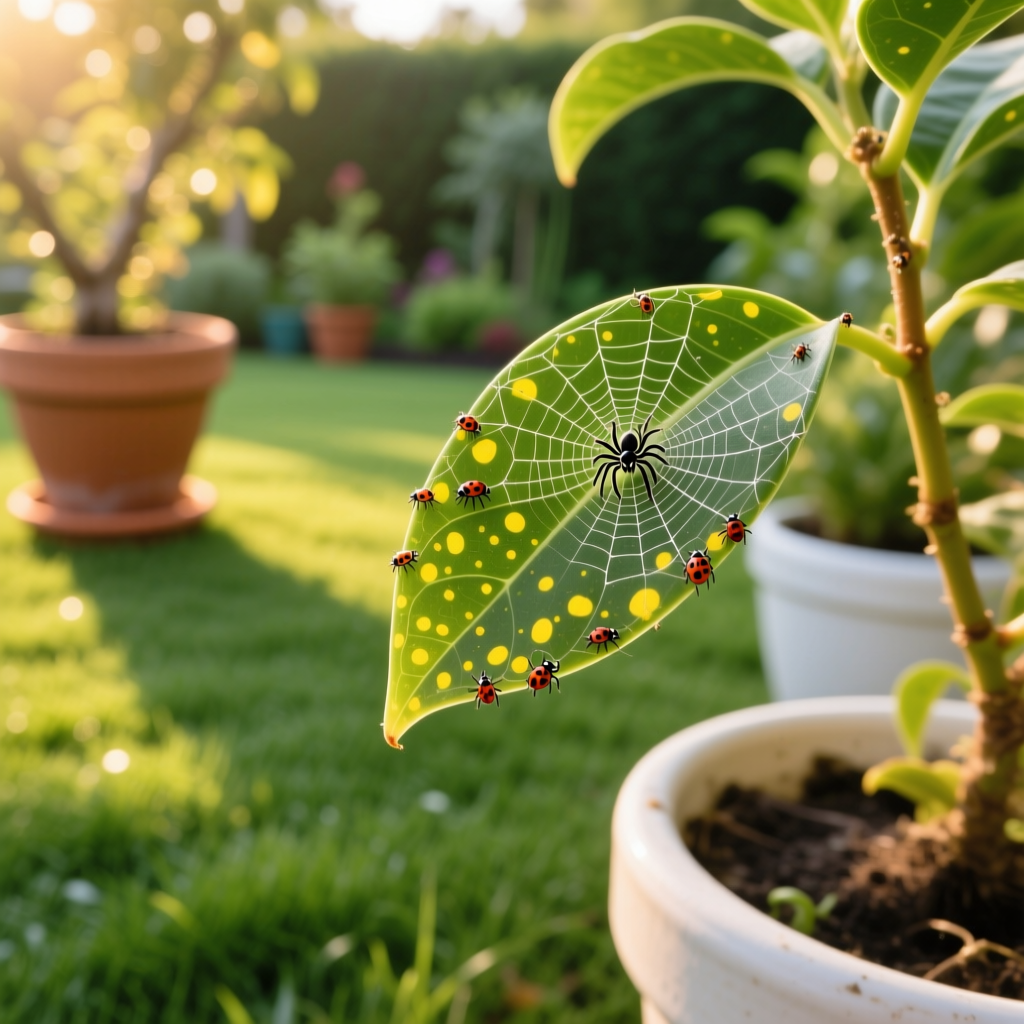
How to Identify & Eliminate Spider Mites on Outdoor Container Plants
James MillerPublished
How to Identify & Eliminate Spider Mites on Outdoor Container Plants
Spider mites are among the most destructive and difficult-to-detect pests that can invade your outdoor container garden. These tiny arachnids — not insects, but relatives of spiders and ticks — can wreak havoc on potted plants before you even realize they are present. Measuring less than 1/50th of an inch long, spider mites pierce plant cells and suck out the contents, leaving behind stippled, discolored foliage that eventually withers and dies.
Container plants are especially vulnerable to spider mite infestations. Potted plants on patios, balconies, decks, and porches often experience the warm, dry conditions that spider mites thrive in. Limited soil volume means container plants can become stressed more easily, and stressed plants emit chemical signals that actually attract these pests. Whether you are growing ornamental flowers, herbs, vegetables, or small shrubs in containers, understanding how to spot spider mites early and take decisive action is essential for keeping your outdoor garden healthy.
This comprehensive guide will walk you through every step of identifying, preventing, and eliminating spider mites on your outdoor container plants — from simple DIY remedies to knowing when professional intervention is necessary. For broader strategies on maintaining a healthy outdoor space, explore our lawn care guides and pest control resources.
How to Identify Spider Mites on Outdoor Container Plants
Early detection is the single most important factor in controlling a spider mite infestation. Because these pests are nearly invisible to the naked eye, you need to know exactly what signs to look for and where to find them on your container plants.
Visual Signs on Leaves
The earliest and most reliable indicator of spider mite activity is leaf stippling. This appears as hundreds of tiny yellow or white dots on the upper surface of leaves, caused by the mites piercing individual plant cells and draining their contents. As the feeding continues, the stippling merges into larger discolored patches. Leaves may turn bronze, yellow, or gray-green before eventually drying out, curling at the edges, and dropping from the plant entirely.
Pay close attention to the undersides of leaves, as this is where spider mites prefer to feed and reproduce. Use a 10x magnifying lens or the macro mode on your smartphone camera to inspect the lower leaf surfaces of your container plants at least once per week during warm, dry weather.
Silk Webbing
Spider mites produce fine, silky webbing that distinguishes them from other common container plant pests like aphids or thrips. This webbing typically appears along leaf veins, at the junctions where leaf stems meet the main branch, and across the tips of heavily infested shoots. In severe cases, the webbing can envelop entire sections of a plant, creating a visible gauzy coating that traps dust and debris.
Do not confuse spider mite webbing with the webs of actual spiders. Spider mite silk is much finer, more densely woven, and located directly on the plant tissue rather than spanning between branches or structures.
The Paper Test
If you suspect spider mites but cannot confirm visually, try the paper test. Hold a sheet of white paper beneath a suspect leaf and tap the leaf firmly several times. Look closely at the paper for tiny, slow-moving specks — about the size of a grain of pepper — crawling across the surface. If you see movement, especially specks that are red, brown, green, or translucent, you likely have spider mites. Smear a suspected mite with your finger: spider mites leave a greenish or brownish streak on the paper.
Common Spider Mite Species on Container Plants
Several species of spider mites commonly attack outdoor container plants:
- Two-spotted spider mite (Tetranychus urticae): The most widespread species, identifiable by two dark spots on each side of its pale body. Attacks hundreds of plant species including roses, tomatoes, peppers, and herbs.
- Spruce spider mite (Oligonychus ununguis): Prefers coniferous container plants like dwarf spruces and junipers. Active primarily in cooler spring and fall weather.
- Southern red mite (Oligonychus ilicis): Commonly attacks broadleaf evergreens in containers such as hollies and azaleas. Also a cool-season pest.
- Cyclamen mite (Phytonemus pallidus): Extremely small and difficult to detect. Causes distorted, stunted new growth on cyclamen, African violets, and other flowering container plants.
Correct identification helps you choose the most effective treatment approach. For more information on protecting your broader landscape from common pests, check out our guide on common lawn and garden pests.
Why Container Plants Are Especially Vulnerable to Spider Mites
Understanding why spider mites target container plants helps you develop a more effective prevention strategy. Several factors unique to container gardening create ideal conditions for these pests to establish and multiply rapidly.
Heat and Drought Stress
Container plants dry out much faster than in-ground plantings because they have limited soil volume and their pots are exposed to ambient air temperature on all sides. Potted plants sitting on concrete patios, wooden decks, or gravel surfaces also absorb reflected heat, raising the temperature of both the root zone and the surrounding air. Spider mites reproduce fastest in hot, dry conditions — a single female can lay up to 300 eggs in her lifetime when temperatures are between 80°F and 90°F, and the entire life cycle from egg to reproducing adult can complete in as few as five to seven days.
Limited Natural Predators
In a diverse garden ecosystem, beneficial insects and predatory mites keep spider mite populations in check. Container plants, especially those elevated on balconies or arranged on hard surfaces, are often isolated from the ground-dwelling predator populations that would normally suppress mite outbreaks. Ladybugs, lacewings, predatory thrips, and beneficial mite species like Phytoseiulus persimilis have difficulty colonizing elevated or isolated container gardens naturally.
Plant Density and Proximity
Container gardens often feature plants arranged closely together for visual appeal and efficient use of space. While this looks attractive, it creates a microenvironment with reduced air circulation and facilitates the rapid spread of spider mites from one plant to the next. Mites can crawl between touching leaves or be carried on air currents from pot to pot.
Over-Fertilization
Gardeners frequently fertilize container plants more heavily than in-ground plantings to compensate for nutrient leaching from frequent watering. However, excess nitrogen produces lush, succulent growth with higher amino acid concentrations in the plant sap — exactly the kind of tissue that spider mites prefer to feed on. Maintaining balanced nutrition is key to plant health and pest resistance. Learn more about proper feeding practices in our fertilizing guide.
Prevention Strategies for Spider Mites on Container Plants
Preventing spider mite infestations is far easier and more effective than trying to eliminate an established population. Implement these cultural and mechanical strategies as part of your regular container garden maintenance routine.
Optimize Watering Practices
Consistent, adequate watering is your first line of defense. Container plants should be watered when the top inch of soil feels dry, and watered thoroughly until it drains from the bottom of the pot. Consider using self-watering containers or drip irrigation systems for consistency, especially during the hottest months. Mulching the soil surface in your containers with organic material like bark chips or straw helps retain moisture and moderates soil temperature.
Increase Humidity Around Plants
Spider mites despise humidity. Misting your container plants with water in the early morning creates a less hospitable environment for mites while also dislodging any early colonizers from leaf surfaces. For grouped container arrangements, placing pots on trays filled with pebbles and water (ensuring the pot sits above the waterline) creates a zone of elevated humidity through evaporation. Overhead watering with a strong spray nozzle, directed at the undersides of leaves, serves double duty as both a humidity boost and a physical mite removal technique.
Quarantine New Plants
Every new plant you bring home is a potential vector for spider mites. Before introducing a new container plant to your existing garden, isolate it for at least two to three weeks. During this quarantine period, inspect the plant thoroughly every few days, paying special attention to leaf undersides and new growth. Treat preventatively with insecticidal soap or neem oil if you notice any suspicious signs.
Strategic Plant Placement
Position your container plants to maximize air circulation while avoiding the hottest, most exposed locations. Grouping plants with similar water needs together helps you maintain consistent moisture levels. Avoid placing containers directly against south- or west-facing walls where reflected heat creates oven-like conditions that favor mite development. Rotate containers periodically so that all sides of the plant receive even light and airflow.
Regular Inspection Schedule
Establish a weekly inspection routine during the growing season. Examine the undersides of leaves on every container plant using a magnifying lens. Check for stippling, webbing, and the mites themselves. Early detection of a small, localized infestation allows you to treat a single plant before the mites spread to your entire container garden. Keep a garden journal to track which plants are most susceptible and when infestations tend to appear.
For comprehensive tips on maintaining a thriving outdoor space, visit our seasonal lawn and garden maintenance guide.
DIY Solutions to Eliminate Spider Mites on Container Plants
When prevention measures are not enough and you discover an active spider mite infestation, a range of effective do-it-yourself treatments can bring the problem under control. The key is to act quickly, treat thoroughly, and follow up with repeated applications to break the mite life cycle.
Water Blast Treatment
For light infestations, a strong jet of water is often sufficient to dislodge spider mites from container plants. Use a hose-end spray nozzle set to a firm but not leaf-damaging stream and direct it at the undersides of all leaves, stems, and branch junctions. The physical force knocks mites, eggs, and webbing off the plant. Most dislodged mites cannot climb back up before they dehydrate and die on the ground.
Repeat this treatment every two to three days for at least two weeks to catch newly hatched mites before they can begin reproducing. This method works best for sturdy plants with tough foliage; delicate plants may suffer leaf damage from the water pressure.
Insecticidal Soap Spray
Insecticidal soap is one of the most effective and safest treatments for spider mites on outdoor container plants. The fatty acids in the soap penetrate the mite's outer shell, causing rapid dehydration and death on contact. You can purchase ready-to-use insecticidal soap sprays or make your own by mixing one to two tablespoons of pure liquid castile soap (not dish detergent, which can contain degreasers harmful to plants) per gallon of water.
Apply the soap spray thoroughly to all plant surfaces, especially leaf undersides, in the early morning or late evening when temperatures are below 90°F and the plant is not in direct sunlight. Soap sprays have no residual effect, so you must reapply every four to seven days for at least three consecutive applications to ensure you eliminate mites hatching from eggs laid before the initial treatment.
Neem Oil Treatment
Neem oil, extracted from the seeds of the neem tree (Azadirachta indica), works as both a contact insecticide and a growth regulator. The active compound, azadirachtin, disrupts mite feeding, molting, and reproduction. Neem oil also has mild fungicidal properties, which can help control secondary fungal infections that sometimes accompany mite-damaged foliage.
Mix cold-pressed neem oil according to the product label directions — typically one to two tablespoons per gallon of water with a few drops of liquid soap as an emulsifier. Spray all plant surfaces until dripping, covering both upper and lower leaf surfaces. Apply in the evening to avoid leaf burn and to protect pollinators, as neem oil can harm bees on direct contact but is safe once dry. Repeat applications every seven to fourteen days until the infestation is fully resolved.
Rubbing Alcohol Wipe
For small container plants or localized infestations on just a few leaves, rubbing alcohol (70% isopropyl alcohol) provides an immediate kill. Dip a cotton swab or soft cloth in rubbing alcohol and wipe the undersides of affected leaves. The alcohol kills mites and eggs on contact. Test on a single leaf first and wait 24 hours to ensure the plant tolerates the treatment without leaf burn. This method is labor-intensive but highly effective for treasured specimen plants or small herb containers.
Introduce Beneficial Predators
Biological control is a powerful long-term strategy for container gardens. You can purchase predatory mites such as Phytoseiulus persimilis or Neoseiulus californicus from biological supply companies and release them directly onto your infested container plants. These beneficial mites actively hunt and consume spider mites at all life stages without harming your plants.
Release predatory mites in the early evening when temperatures are moderate, and ensure the plants are well-watered beforehand to create favorable humidity conditions. Avoid applying any pesticide — even organic ones like neem oil or insecticidal soap — for at least a week before and after releasing beneficial predators, as residues will kill them too. Ladybugs and lacewings, available at many garden centers, also feed on spider mites and can supplement your biological control program.
Horticultural Oil Spray
Horticultural oils, including dormant oil and summer-weight oil, smother spider mites and their eggs by coating them in a thin film of oil that blocks respiration. These products are highly effective and leave minimal harmful residue. Mix according to label instructions and apply to all plant surfaces during cooler parts of the day. Do not use horticultural oil when temperatures exceed 90°F, on drought-stressed plants, or within 30 days of a sulfur-based fungicide application, as the combination can cause severe phytotoxicity.
Homemade Garlic and Pepper Spray
A potent homemade repellent spray can be made by blending two whole garlic bulbs, two hot peppers (such as habanero or cayenne), and one tablespoon of liquid soap in a quart of water. Strain the mixture through cheesecloth, dilute with an additional quart of water, and spray on affected plants. The capsaicin and sulfur compounds in the garlic and peppers repel and deter feeding by spider mites. Reapply after rain and every five to seven days during an active infestation.
For additional natural pest management strategies that work across your entire outdoor space, read our article on natural pest control methods for lawns and gardens.
When to Call a Professional Pest Control Service
While most spider mite infestations on container plants can be managed with the DIY methods described above, certain situations warrant professional intervention. Recognizing these thresholds saves you time, money, and the heartbreak of losing prized plants.
Signs You Need Professional Help
Consider contacting a licensed pest control professional if you experience any of the following:
- Persistent infestations despite multiple treatments: If you have applied at least three rounds of treatment using different methods over four or more weeks and the mites keep returning, the population may have developed resistance or there may be a hidden secondary source of reinfestation.
- Large-scale container gardens: If you manage dozens or hundreds of container plants — such as in a rooftop garden, commercial patio, or nursery setting — the labor involved in thorough DIY treatment may be impractical. Professionals have access to commercial-grade miticides and application equipment that can treat large numbers of plants efficiently.
- High-value specimen plants: Rare, expensive, or sentimentally irreplaceable container plants deserve expert care. A professional can assess the infestation severity, identify the exact mite species, and prescribe a targeted treatment plan that minimizes risk to the plant.
- Multiple pest problems simultaneously: Spider mites often co-occur with other pests like whiteflies, scale insects, or mealybugs. A professional can design an integrated pest management (IPM) program that addresses all issues simultaneously without creating chemical interactions that harm your plants.
- Indoor-overwintering container plants: If you bring container plants indoors for winter and discover mites, the infestation can spread to your houseplants rapidly. Professional treatment before bringing plants inside prevents a household-wide pest problem.
What to Expect from a Professional Treatment
A qualified pest control technician will begin with a thorough inspection of all your container plants, identifying the mite species and assessing damage levels. They may collect samples for laboratory identification if the species is unclear. Based on their assessment, they will recommend a treatment plan that may include professional-grade miticides such as bifenthrin, abamectin, or spiromesifen — products not available to home gardeners. They will also advise you on cultural modifications to prevent recurrence and may schedule follow-up visits to monitor treatment efficacy.
Professional services typically charge based on the size and complexity of the job. For a modest container garden, costs are generally reasonable, and the investment is justified when compared to the cost of replacing multiple dead or severely damaged plants. If you also need help with broader pest issues across your lawn and landscape, our pest control hub has resources to help you find the right solutions.
Frequently Asked Questions About Spider Mites on Container Plants
Can spider mites spread from my container plants to my lawn or garden beds?
Yes, spider mites can spread from container plants to nearby lawn grasses, garden beds, and landscape shrubs. Wind carries mites easily, and they can crawl across surfaces to reach new host plants. Two-spotted spider mites, the most common species on container plants, feed on hundreds of plant species, including many common lawn grasses and garden vegetables. If you detect mites on your containers, treat them promptly and inspect surrounding plants for early signs of spread. Maintaining healthy, well-watered lawn and garden beds makes them more resistant to mite colonization.
Do spider mites survive winter in outdoor containers?
In most climates, two-spotted spider mite females enter a dormant state called diapause during winter, hiding in soil, leaf litter, bark crevices, and the drainage holes of containers. They emerge in spring when temperatures rise and begin feeding and reproducing immediately. In mild-winter climates, spider mites may remain active year-round on container plants. To reduce overwintering populations, clean up fallen leaves and debris from container surfaces in autumn, and consider applying a dormant-rate horticultural oil spray to container plants and pots before the first frost.
Will spider mites kill my container plants if left untreated?
Yes, an untreated spider mite infestation can kill container plants, particularly smaller specimens, young plants, or those already under environmental stress. The mites destroy the plant's ability to photosynthesize by damaging leaf cells, leading to progressive defoliation, stunted growth, and eventually plant death. Fast-reproducing species like the two-spotted spider mite can overwhelm a small container plant in as little as two to three weeks during peak summer heat. Early detection and consistent treatment are critical to saving infested plants.
Are spider mites harmful to humans or pets?
Spider mites do not bite humans or pets and are not known to transmit diseases. They are exclusively plant feeders. However, some people with sensitive skin may experience mild irritation if they handle heavily infested plants, as the mites may crawl on skin and their mouthparts can cause a slight prickling sensation. Pets that chew on mite-infested plant foliage may ingest residual pesticides if chemical treatments have been applied, so always follow label instructions regarding pet safety when treating container plants. If you have concerns about pest treatments and pet safety, review our safe pest control practices guide.
How quickly do spider mites reproduce on outdoor container plants?
Spider mite reproduction rates are staggering under favorable conditions. At temperatures between 80°F and 90°F, a female two-spotted spider mite can lay between five and six eggs per day, totaling up to 300 eggs over her roughly 30-day adult lifespan. Eggs hatch in three to five days, and the larvae mature through two nymphal stages to become reproducing adults in as few as five to seven days. This means a single fertilized female can establish a population of thousands within a few weeks. Cooler temperatures slow this cycle considerably, but container plants in warm microclimates like sunny patios can sustain rapid mite reproduction well into autumn.
Can I use diatomaceous earth to control spider mites on container plants?
Diatomaceous earth (DE) has limited effectiveness against spider mites on container plants. DE works by physically abrading the exoskeleton of crawling insects that walk across treated surfaces, causing them to dehydrate. However, spider mites spend most of their time on the undersides of leaves, not on the soil surface where DE is typically applied. While dusting the soil surface and pot rim with food-grade DE may help reduce the number of mites that drop to the soil to overwinter or move between plants, it should not be relied upon as a primary treatment. DE also loses effectiveness when wet, making it impractical for container plants that require regular watering. Focus instead on the spray-based treatments described above for more reliable results.
By combining vigilant monitoring, smart cultural practices, and targeted treatments, you can keep spider mites from ruining your outdoor container garden. Start with prevention, respond quickly at the first sign of trouble, and escalate to professional help when needed. Your container plants will reward you with vibrant, healthy growth season after season. For more expert advice on maintaining every part of your outdoor space, browse the full collection of guides and resources at Lawns Guide.