
Pest Control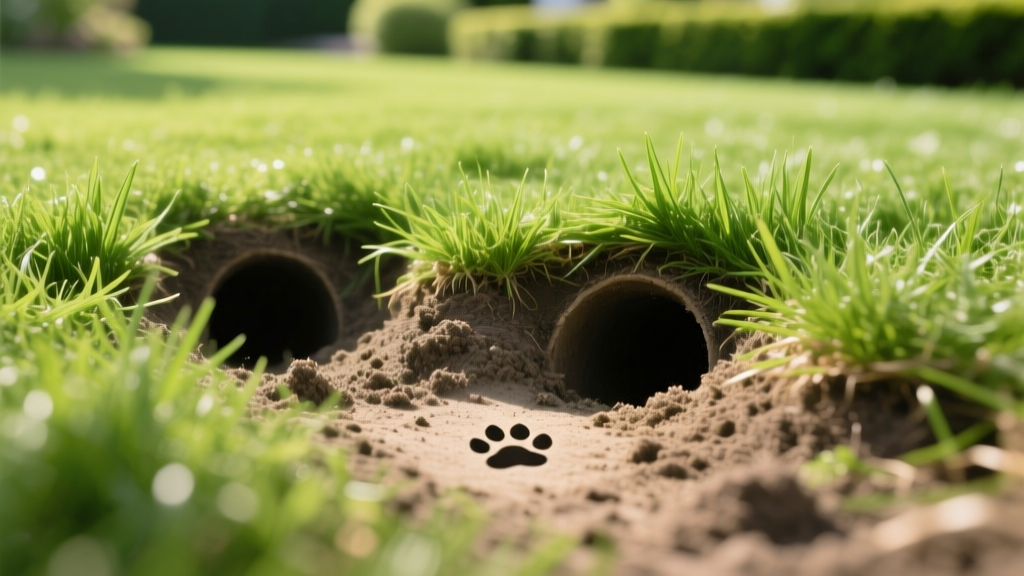
How to Identify and Eliminate Vole Tunnels in Your Lawn
The Hidden Threat Beneath Your Turf
Voles are relentless, non-hibernating rodents that can decimate a meticulously maintained lawn in a single season. Unlike moles, which primarily eat soil-dwelling insects, voles are voracious herbivores. They feed on grassroots, bulbs, and the cambium layer of tree bark, leaving behind a network of unsightly surface runways and dead turf patches. A single female meadow vole can produce up to five litters a year, meaning a minor winter infestation can explode into a colony of over 50 individuals by early spring. Eradicating them requires precise identification, strategic population control, and targeted habitat modification.
Vole Tunnels vs. Mole Runs: The Diagnostic Matrix
Misidentifying the pest is the most common failure point in lawn pest management. Applying mole traps to a vole runway will yield zero results. Use the matrix below to accurately diagnose the culprit based on physical tunnel characteristics and surface evidence.
| Characteristic | Vole Tunnels | Mole Tunnels | Pocket Gopher Burrows |
|---|---|---|---|
| Runway Width | 1.5 to 2 inches wide | 3 to 5 inches wide (underground) | 3 to 4 inches wide (underground) |
| Surface Evidence | Visible, cleared surface runways through grass; no soil mounds | Volcano-shaped soil mounds; raised surface ridges | Fan-shaped or crescent soil mounds plugged with dirt |
| Tunnel Depth | Surface level to 4 inches deep (meadow); up to 12 inches (pine) | 10 to 24 inches deep for main runways | 6 to 18 inches deep |
| Primary Diet | Grass roots, bark, bulbs, seeds | Earthworms, grubs, soil insects | Plant roots, tubers, underground stems |
| Winter Activity | Highly active under snow cover (subnivean zone) | Active, but deeper in the soil profile | Less active, relies on cached food |
The Anatomy of a Vole Colony
To effectively eliminate vole tunnels, you must understand their architecture. According to Colorado State University Extension, meadow voles (Microtus pennsylvanicus) construct extensive surface runways that connect multiple burrow entrances, nesting chambers, and feeding stations. These surface runways are typically 1.5 to 2 inches wide and are easily visible once the snow melts or the grass is cut short.
Pine voles (Microtus pinetorum), conversely, spend almost their entire lives underground. Their tunnels do not leave surface runways but instead manifest as sudden, unexplained sinking spots in the lawn or severed roots on ornamental shrubs. Identifying which species you have dictates your control strategy: surface traps for meadow voles, and subterranean baiting for pine voles.
The Apple Sign Test: Confirming Active Tunnels
Before deploying traps or baits, confirm the tunnel is active. Voles frequently abandon runways when food sources deplete. Perform the Apple Sign Test:
- Locate a distinct surface runway or probe for a subsurface tunnel.
- Cut a 2-inch section of the runway open, or dig a small access hole to the main burrow.
- Place a small slice of fresh apple directly inside the opening.
- Cover the opening with a roofing shingle or a piece of dark plastic to block light and deter birds.
- Check the apple after 24 hours. If it is eaten or dragged into the tunnel, the runway is highly active and ready for treatment.
Proven Eradication Strategies
Effective vole management requires an integrated approach. Relying solely on repellents is a documented failure; you must reduce the population and alter the habitat.
1. Lethal Trapping (Best for Small Infestations)
For colonies under 15 individuals, trapping is the most environmentally sound and immediate solution. The Victor Out O'Sight Mole Trap (typically $18-$22) is highly effective for meadow voles when modified for surface runways. Standard snap traps (wooden mouse traps) can also work but require more precision.
- Placement: Excavate a small section of the active runway. Place the trap flush with the bottom of the tunnel so the vole trips the pan as it runs through.
- Exclusion: Cover the trap with a 5-gallon bucket or a wooden box. Voles avoid light, and the cover prevents pets or birds from accessing the trap.
- Baiting the Trap: Smear a pea-sized amount of peanut butter mixed with oatmeal on the trigger pan to increase strike rates.
2. Rodenticides and T-Baiting (Best for Large Colonies)
When dealing with extensive pine vole networks or massive meadow vole populations, rodenticides are necessary. Kaput-D ZP Ag Bait (active ingredient: Zinc Phosphide, approx. $45/lb) is a single-dose acute toxicant highly effective against voles. Alternatively, Ramik Brown (active ingredient: Diphacinone, approx. $35/4lb bag) is an anticoagulant.
⚠️ WARNING: Secondary Poisoning & Pet Safety
Zinc phosphide releases toxic phosphine gas when it contacts stomach acid. It does not cause secondary poisoning in predators, making it safer for local raptor populations. However, it is highly toxic to dogs and cats if ingested directly. Always place baits deep inside the tunnel using a T-baiter tool and cover the access hole immediately with soil. Never broadcast bait on the lawn surface.
3. Habitat Modification (The Permanent Fix)
Penn State Extension emphasizes that population control is temporary if the habitat remains inviting. Voles require dense cover to hide from hawks, owls, and foxes.
- Mowing Height: Maintain your turf at 2.5 to 3 inches. Taller grass exposes surface runways to predators.
- Mulch Management: Pull mulch back at least 3 feet from the base of trees and shrubs. Voles girdle tree bark under the cover of winter mulch, killing the plant.
- Weed Control: Eliminate broadleaf weeds and dense groundcovers like ivy or pachysandra near your lawn edges, as these serve as primary nesting zones.
Lawn Repair Protocol After Vole Eviction
Once the colony is eradicated, the physical damage to the turf requires immediate remediation to prevent weed encroachment and soil erosion.
Vole runways severely compact the soil beneath them, creating hydrophobic channels that repel water and prevent new seed germination. Simply throwing grass seed over a dead runway will result in a 90% failure rate.
Step-by-Step Turf Restoration
- Break the Compaction: Use a manual thatch rake or a core aerator to aggressively break up the compacted soil inside the collapsed runways.
- Topdressing: Fill the depressed runways with a 1/4-inch layer of screened compost or a 50/50 topsoil-sand mix. Level it flush with the surrounding grade.
- Overseeding: Apply a high-quality turf-type tall fescue blend (such as Rhizomatous Tall Fescue) at a rate of 5 to 6 lbs per 1,000 square feet. Tall fescue has a deeper, more aggressive root system that is slightly more resilient to minor future rodent activity than Kentucky bluegrass.
- Germination: Keep the repaired areas consistently moist for 14-21 days. Avoid applying pre-emergent herbicides for at least 60 days after seeding, as they will prevent turf germination.
By combining precise tunnel identification, targeted population reduction, and rigorous habitat modification, you can permanently reclaim your lawn from vole damage and restore a dense, healthy turf canopy.

