
Pest Control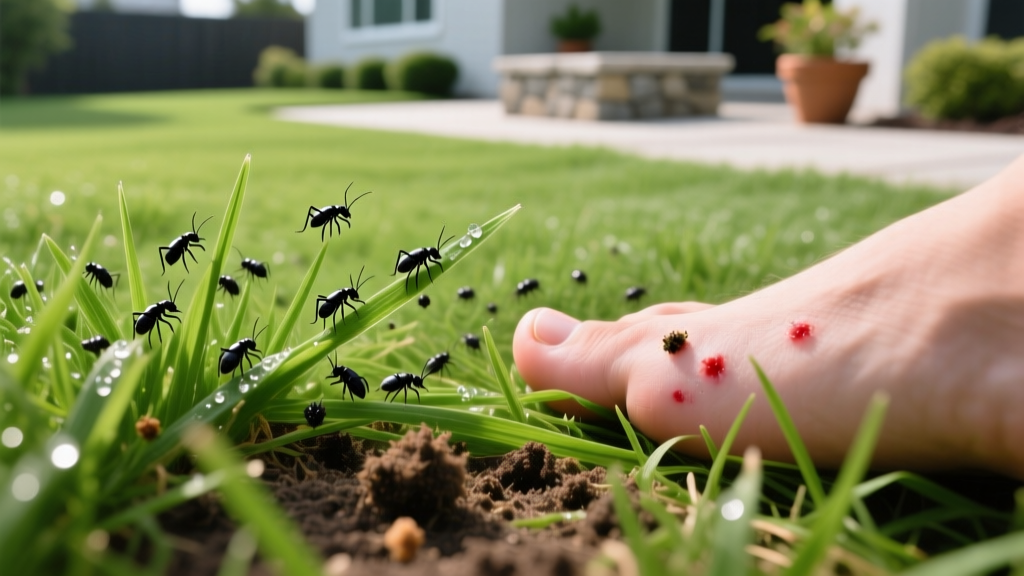
How to Identify Fleas in Your Lawn: Signs, Bites, and Tests
The White Sock Test: Your First Diagnostic Step
Before treating your yard with expensive insecticides, you must confirm an active flea population. The most reliable, zero-cost diagnostic method used by pest control professionals is the white sock test. Fleas are visually attracted to white objects and are triggered by the heat and carbon dioxide of a moving host.
- Pull a pair of 100% white cotton tube socks up to your knees.
- Walk slowly through your yard for 10 to 15 minutes, focusing on shaded areas, under decks, near shrubs, and around your pet’s favorite outdoor resting spots.
- Shuffle your feet slightly to disturb the top layer of soil and thatch.
- Stop every two minutes and inspect the socks from the ankle up to the calf.
If you see tiny, dark reddish-brown insects scurrying or jumping off the fabric, you have an active adult flea infestation. The cat flea (Ctenocephalides felis) accounts for over 95% of yard infestations in North America, despite the name, and will readily jump onto human hosts to test for a blood meal.
Visual Identification: What Do Yard Fleas Actually Look Like?
Misidentification is the leading cause of failed pest control. Homeowners frequently confuse fleas with springtails, fungus gnats, or lawn mites. True fleas possess distinct morphological traits that separate them from other jumping or crawling lawn pests.
Adult Fleas
- Size: 1.5 to 3.2 millimeters (about the size of a pinhead or 1/8 inch).
- Color: Dark reddish-brown to almost black.
- Shape: Laterally flattened (side-to-side), which allows them to move easily through animal fur and grass blades.
- Legs: Six legs, with enlarged hind legs adapted for jumping up to 13 inches horizontally.
- Wings: Wingless.
Identifying the Immature Stages (The Hidden Majority)
Adults make up only 5% of a yard's total flea population. The remaining 95% exist as eggs, larvae, and pupae hidden in the thatch and soil.
- Eggs: 0.5 mm, pearly white, and oval-shaped. They are not sticky and roll off hosts into grassy areas, resembling microscopic grains of salt.
- Larvae: 2 to 5 mm long, translucent, legless, and maggot-like. They have small bristles and actively avoid sunlight, burrowing deep into shaded thatch and soil cracks.
- Pupae: Encased in a sticky, silken cocoon that rapidly accumulates dirt, sand, and grass clippings, making them virtually invisible to the naked eye.
Expert Insight: Springtails also jump in lawns but are typically grey, white, or metallic blue, and possess an elongated, cylindrical body rather than the flattened, compact oval shape of a flea. If the jumping insects in your yard are light-colored, you are likely dealing with springtails, which are harmless decomposers, not blood-feeding parasites.
Distinguishing Flea Dirt from Regular Soil
Flea feces, commonly known as 'flea dirt,' is a primary indicator of an infestation, even if you cannot spot the live insects. Flea dirt looks like coarsely ground black pepper or tiny specks of dark soil scattered on patios, outdoor pet beds, or shaded patches of grass.
To confirm the specks are flea dirt and not regular landscape debris, perform the wet paper towel test:
- Collect suspected specks using a piece of clear tape or a damp cotton swab.
- Transfer the specks onto a damp white paper towel or coffee filter.
- Wait 60 seconds.
Because flea dirt is primarily composed of digested, dried host blood, it will dissolve and produce a distinct reddish-brown halo on the wet paper. Regular soil, mulch dust, or organic debris will simply smear brown, grey, or green without the reddish tint. According to the UC Agriculture and Natural Resources Statewide IPM Program, finding flea dirt in outdoor resting areas is a definitive sign that adult fleas are actively feeding in the immediate vicinity.
Flea Bites vs. Other Lawn Pests: A Diagnostic Matrix
If you or your family members are experiencing bites after spending time in the yard, use this matrix to differentiate flea bites from other common outdoor pests. Flea bites present distinct clinical patterns compared to chiggers, mosquitoes, and bedbugs.
| Pest | Bite Location | Visual Appearance | Sensation & Timing |
|---|---|---|---|
| Fleas | Ankles, lower legs, waistlines | Small red bumps with a central red punctum; often clustered in groups of 3 ('breakfast, lunch, dinner') | Sharp pinch immediately; intense itching develops within hours |
| Chiggers | Behind knees, groin, tight sock lines | Large, raised red welts or blisters; often grouped where clothing restricts blood flow | No initial feeling; severe, relentless itching peaks at 24-48 hours |
| Mosquitoes | Any exposed skin (arms, neck, face) | Raised, puffy white or red wheals; random distribution | Often felt during the bite; immediate localized itching and swelling |
| Fire Ants | Feet, ankles (usually after disturbing a mound) | Red bumps that develop into sterile white pustules within 24 hours | Intense, burning pain immediately upon stinging; multiple stings per ant |
Where Fleas Hide in the Landscape: Microclimate Mapping
Fleas are highly susceptible to desiccation (drying out) and ultraviolet radiation. They cannot survive in open, sun-baked lawns. To identify where the infestation is concentrated, you must map your yard's microclimates. Flea larvae and pupae require specific environmental thresholds to thrive: temperatures between 70°F and 85°F, and relative humidity above 70%.
Focus your identification efforts and subsequent treatments on these high-risk zones:
- Underneath Structures: Decks, porches, and sheds provide continuous shade and trap ground moisture.
- Shaded Fescue and Bermudagrass: Thick, tall grass canopies in shaded areas retain morning dew and block UV rays.
- Pet Transit Routes: The soil directly beneath doghouses, outdoor feeding stations, and the narrow paths your dog takes to the fence line.
- Crawl Space Vents: Humid air venting from crawl spaces creates ideal breeding conditions in the adjacent soil.
Confirming the Infestation: The DIY Light Trap
If the white sock test yields inconclusive results but you still suspect fleas, build a simple light trap to monitor nocturnal flea activity. Fleas exhibit positive phototaxis, meaning they are drawn to light sources in dark environments.
Safety Note: Ensure all outdoor electrical connections are GFCI-protected and keep water traps away from exposed outlets to prevent shock hazards.
- Place a shallow 9-inch pie pan or white bowl in a suspected infestation zone (e.g., under a deck or in a shaded garden bed) at dusk.
- Fill the pan with two inches of water and add two drops of liquid dish soap (the soap breaks the water's surface tension, preventing the fleas from bouncing out).
- Position a small desk lamp or clip light directly over the pan, angling the beam down onto the water's surface.
- Leave the trap running overnight.
- Inspect the water the next morning using a flashlight. Count the number of trapped, dark, oval-shaped insects.
Catching 5 to 10 fleas per night indicates a moderate infestation requiring targeted outdoor treatment. Catching 20 or more signifies a severe population explosion that likely requires a combination of an adulticide and an Insect Growth Regulator (IGR) like pyriproxyfen to break the reproductive cycle, as recommended by the U.S. Environmental Protection Agency.
When to Call a Professional
If your DIY light traps continue to catch adult fleas after two weeks of targeted yard treatments, or if you are unable to safely treat inaccessible areas like deep crawl spaces or dense, thorny shrub borders, it is time to contact a licensed pest control operator. Professionals have access to commercial-grade microencapsulated formulations that provide extended residual control in outdoor environments, effectively targeting the pupal stage that over-the-counter sprays often fail to penetrate.

