Pest Control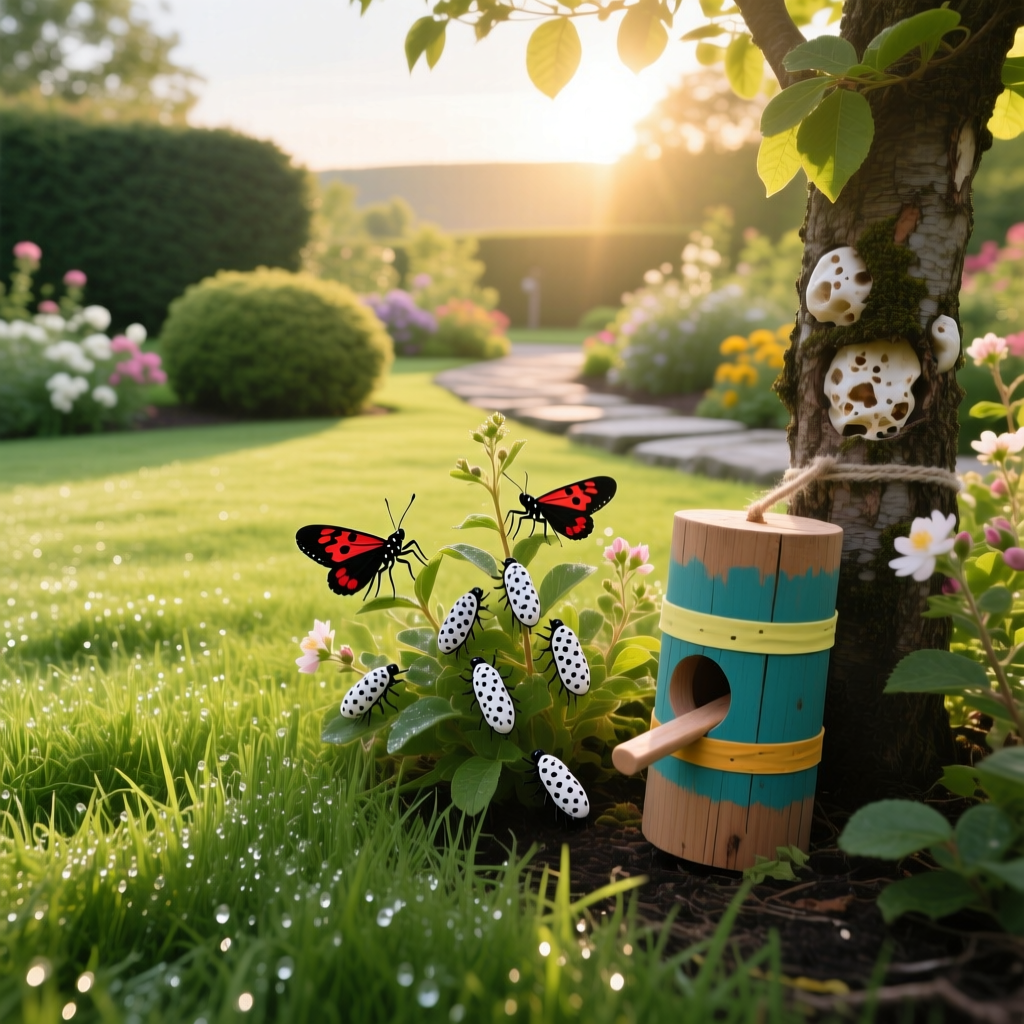
How to Identify and Manage Spotted Lanternfly Infestations
David ParkPublished
The spotted lanternfly (Lycorma delicatula) is a highly destructive, invasive planthopper that has become a major concern for homeowners, landscapers, and agricultural professionals. Originally native to parts of Asia, this pest has rapidly expanded its range, wreaking havoc on hardwood trees, fruit orchards, vineyards, and residential landscapes. Unlike many common yard pests that target turfgrass directly, the spotted lanternfly primarily threatens your trees and shrubs, which can indirectly impact the overall health and aesthetics of your entire outdoor space.
Because these insects reproduce quickly and spread easily through human-assisted transport, early detection and proactive management are absolutely critical. If left unchecked, a localized population can explode into a severe infestation that weakens or kills beloved landscape trees and creates a nuisance environment for you and your family. In this comprehensive guide, we will explore the life cycle of the spotted lanternfly, the damage it causes, and the most effective strategies for prevention and control. For more general advice on maintaining a healthy landscape, be sure to explore our lawn care basics and tree and shrub care resources.
How to Identify the Spotted Lanternfly
Accurate identification is the first and most important step in managing any pest problem. The spotted lanternfly goes through four distinct life stages, and its appearance changes dramatically from egg to adult. Knowing what to look for during each phase will help you spot an infestation before it spirals out of control.
Egg Masses
Spotted lanternflies lay their eggs in the late fall, typically on smooth surfaces like tree trunks, branches, outdoor furniture, vehicles, and even stones. The egg masses are about 1 to 1.5 inches long and contain 30 to 50 eggs. When first laid, the eggs are covered in a grey, waxy, mud-like substance that helps camouflage and protect them from the elements. As the wax dries and ages, it cracks and fades, eventually revealing rows of tiny, brown, seed-like eggs underneath. Finding and destroying these egg masses is one of the most effective ways to reduce next season's population.
Early Nymphs (First to Third Instar)
When the eggs hatch in the spring, the emerging nymphs are small—about the size of a grain of rice. In their early stages, they are predominantly black with bright white spots. They are wingless, highly active, and tend to crawl up tree trunks to feed on new, tender growth. Because of their small size and tendency to drop to the ground or hide in crevices when disturbed, early nymphs can be difficult to spot.
Late Nymphs (Fourth Instar)
As the nymphs mature into their fourth and final juvenile stage, their coloration shifts dramatically. They develop bright red bodies with black and white spots, making them much easier to see against the bark of trees and the green foliage of your landscape. At this stage, they are roughly half an inch long and are voracious feeders, consuming massive amounts of plant sap to fuel their final transformation.
Adults
By mid-to-late summer, the nymphs molt into adults. Adult spotted lanternflies are approximately one inch long. At rest, their forewings are a mottled grey and tan with distinct black spots, and the tips of the wings feature a network of dark veins. However, when they are startled and open their wings to fly or jump, you will see striking crimson-red hindwings with black spots and a white band. Despite their name and appearance, they are not true flies; they are planthoppers and prefer to jump or glide short distances rather than sustain long flights.
The Damage Spotted Lanternflies Cause to Your Landscape
While the spotted lanternfly does not bite humans or pets, its feeding habits cause severe stress to host plants. Both nymphs and adults use piercing-sucking mouthparts to tap into the phloem of trees and vines, drinking the nutrient-rich sap. This process damages the landscape in three primary ways:
Plant Stress and Decline
By continuously draining sap, the insects deprive the plant of essential carbohydrates and nutrients. Over time, this leads to wilting, leaf curling, dieback of branches, and in severe cases, the death of the tree or vine. Young trees and heavily infested specimens are particularly vulnerable. Maintaining plant vigor through proper watering and fertilization—topics covered in our tree and shrub care guide—can help plants withstand minor feeding damage, but heavy infestations will overwhelm even the healthiest specimens.
Honeydew Secretion
As the lanternflies consume large quantities of sap, they excrete a sticky, sugary waste product known as honeydew. This substance rains down on everything beneath the infested tree, coating leaves, branches, patio furniture, cars, and even your lawn. The sheer volume of honeydew produced by a large population can make outdoor spaces unusable and create a slippery, hazardous mess on decks and driveways.
Sooty Mold and Secondary Pests
The honeydew secreted by spotted lanternflies serves as an ideal breeding ground for sooty mold, a black, powdery fungus. Sooty mold coats the leaves of the host plant, blocking sunlight and severely reducing the plant's ability to photosynthesize. Furthermore, the sugary honeydew attracts a host of secondary pests, including stinging insects like wasps, hornets, and yellow jackets, as well as ants and flies. If you notice an unusual spike in stinging insects around your trees, it may be a symptom of a lanternfly issue. Learn more about managing these secondary invaders in our pest control hub.
Prevention Strategies to Keep Lanternflies Away
Preventing a spotted lanternfly infestation is far easier than eradicating one once it is established. By modifying your landscape and remaining vigilant, you can make your property less attractive to these invasive pests.
Remove the Tree of Heaven
The Tree of Heaven (Ailanthus altissima) is an invasive tree species that happens to be the spotted lanternfly's preferred host. Lanternflies are highly attracted to this tree for feeding and mating. If you have a Tree of Heaven on your property, removing it is one of the most impactful preventative steps you can take. Because this tree spreads aggressively through root suckers, complete removal often requires cutting the tree down and treating the stump with an appropriate herbicide to prevent regrowth.
Inspect Vehicles and Outdoor Items
Spotted lanternflies are notorious hitchhikers. They frequently lay egg masses on the sides of vehicles, train cars, shipping containers, and outdoor furniture. If you live in or travel through a known quarantine zone, always inspect your car, firewood, camping gear, and patio items before moving them to a new location. Scraping off any suspicious mud-like patches before you travel can stop the spread of this pest to uninfested regions.
Use Tree Banding and Circle Traps
Tree banding involves wrapping a sticky band around the trunk of a tree to catch nymphs as they crawl upward to feed. While effective for early nymphs, sticky bands can inadvertently trap birds and beneficial insects, so they must be covered with a wire or mesh screen for safety. A superior alternative is the DIY circle trap. This device uses a ring of screening material wrapped around the tree trunk that funnels crawling insects upward into a collection bag or container at the top, where they become trapped and perish. Circle traps are highly effective, target-specific, and safe for birds and mammals.
DIY Solutions for Managing an Active Infestation
If you have discovered spotted lanternflies on your property, swift action is required to keep the population in check. Depending on the severity of the infestation and the life stage of the pest, several do-it-yourself methods can be highly effective.
Scraping and Destroying Egg Masses
During the fall and winter, walk your property and inspect smooth-barked trees, stones, and outdoor furniture for egg masses. Use a plastic card, putty knife, or scraper to remove the masses. Simply crushing them is not always sufficient, as some eggs may survive. Instead, scrape the egg masses directly into a bag or container filled with rubbing alcohol or hand sanitizer. Allow them to soak for several minutes to ensure all the eggs are destroyed before disposing of them in the trash.
Vacuuming Nymphs and Adults
For localized infestations on smaller trees or shrubs, a wet/dry shop vacuum can be an excellent tool. Fill the vacuum canister with a few inches of soapy water or rubbing alcohol. When you vacuum the insects off the tree trunks and foliage, they will immediately drown in the liquid. This method is entirely chemical-free and works exceptionally well for managing late-stage nymphs and adults in residential yards.
Botanical and Contact Sprays
For those who prefer organic pest control methods, botanical insecticides can provide knockdown power against nymphs and adults. Neem oil, insecticidal soaps, and horticultural oils work by disrupting the insect's cell membranes or suffocating them. These products must be applied directly to the insects to be effective, as they leave no long-lasting residual toxicity. Spray the trunks and lower branches in the early morning or late evening when the lanternflies are less active and beneficial pollinators are not foraging.
Systemic Insecticides
For large, high-value trees that cannot be easily sprayed or trapped, systemic insecticides applied as soil drenches or trunk injections can provide long-term protection. These products are absorbed by the tree's roots or vascular system and distributed throughout the foliage. When the lanternflies feed on the treated sap, they ingest the active ingredient and die. However, systemic treatments should be used with extreme caution. They can be toxic to pollinators and beneficial insects if applied while the tree is in bloom. Always read the label carefully and consider consulting an arborist before using systemic chemicals on flowering trees.
When to Call Professional Pest Control
While DIY methods are excellent for small-scale management, there are situations where professional intervention is necessary. If you are dealing with a massive infestation that spans multiple large, mature trees, over-the-counter products and manual removal will likely be insufficient.
Licensed pest control professionals and certified arborists have access to commercial-grade systemic insecticides and specialized trunk-injection equipment. Trunk injections deliver the treatment directly into the tree's xylem, minimizing environmental exposure and eliminating the risk of soil runoff. Professionals can also perform targeted canopy sprays using high-pressure equipment that reaches the upper branches of tall trees where lanternflies congregate.
Furthermore, if the honeydew fallout has led to secondary issues, such as a severe wasp infestation or widespread sooty mold affecting your landscape's health, a professional can address the root cause and the secondary symptoms simultaneously. Protecting your investment in your landscape is crucial, and knowing when to hand the job over to the experts can save your most valuable trees from irreversible decline.
Frequently Asked Questions
Do spotted lanternflies bite or sting humans?
No, spotted lanternflies do not bite or sting. Their mouthparts are specifically designed for piercing plant tissue and sucking sap, and they are entirely incapable of breaking human skin. They also do not possess a stinger. While they may be a nuisance if they land on you or swarm your outdoor living spaces, they pose no direct physical threat to humans or pets.
What plants are most attractive to spotted lanternflies?
The spotted lanternfly's absolute favorite host is the invasive Tree of Heaven (Ailanthus altissima). However, they are highly polyphagous, meaning they feed on a wide variety of plants. They show a strong preference for grapevines, apple trees, plum trees, cherry trees, birch, maple, and walnut. If you have a backyard orchard or a vineyard, your plants are at a particularly high risk and should be monitored closely throughout the spring and summer.
How do spotted lanternflies spread to new areas?
While adult lanternflies can fly and hop short distances, they are not strong fliers and rarely travel more than a few miles on their own. The primary driver of their rapid geographic expansion is human activity. The insects lay their camouflaged egg masses on vehicles, trains, shipping containers, firewood, and nursery stock. When these items are transported across state lines or regional borders, the eggs hatch in entirely new, uninfested areas. This is why checking your vehicle and firewood is a critical component of regional pest management.
Will spotted lanternflies kill my grass or lawn?
Spotted lanternflies do not feed on turfgrass, so they will not directly damage or kill your lawn. However, they can cause indirect issues. If a heavily infested tree is dripping massive amounts of honeydew onto your lawn, the resulting sooty mold can coat the grass blades, blocking sunlight and weakening the turf. Additionally, the sticky honeydew can create an environment that promotes fungal lawn diseases. Managing the infestation in the tree canopy is the best way to protect the grass below.
Can I use household vinegar to kill spotted lanternflies?
While a mixture of white vinegar and water can kill spotted lanternflies on direct contact by disrupting their cellular structure, it is not recommended as a primary treatment. Vinegar is non-selective and highly acidic; spraying it on your trees and shrubs will burn the foliage, damage the bark, and potentially harm the very plants you are trying to protect. Stick to proven methods like insecticidal soaps, neem oil, or physical removal via vacuuming and circle traps to manage the pests without damaging your landscape.