
Pest Control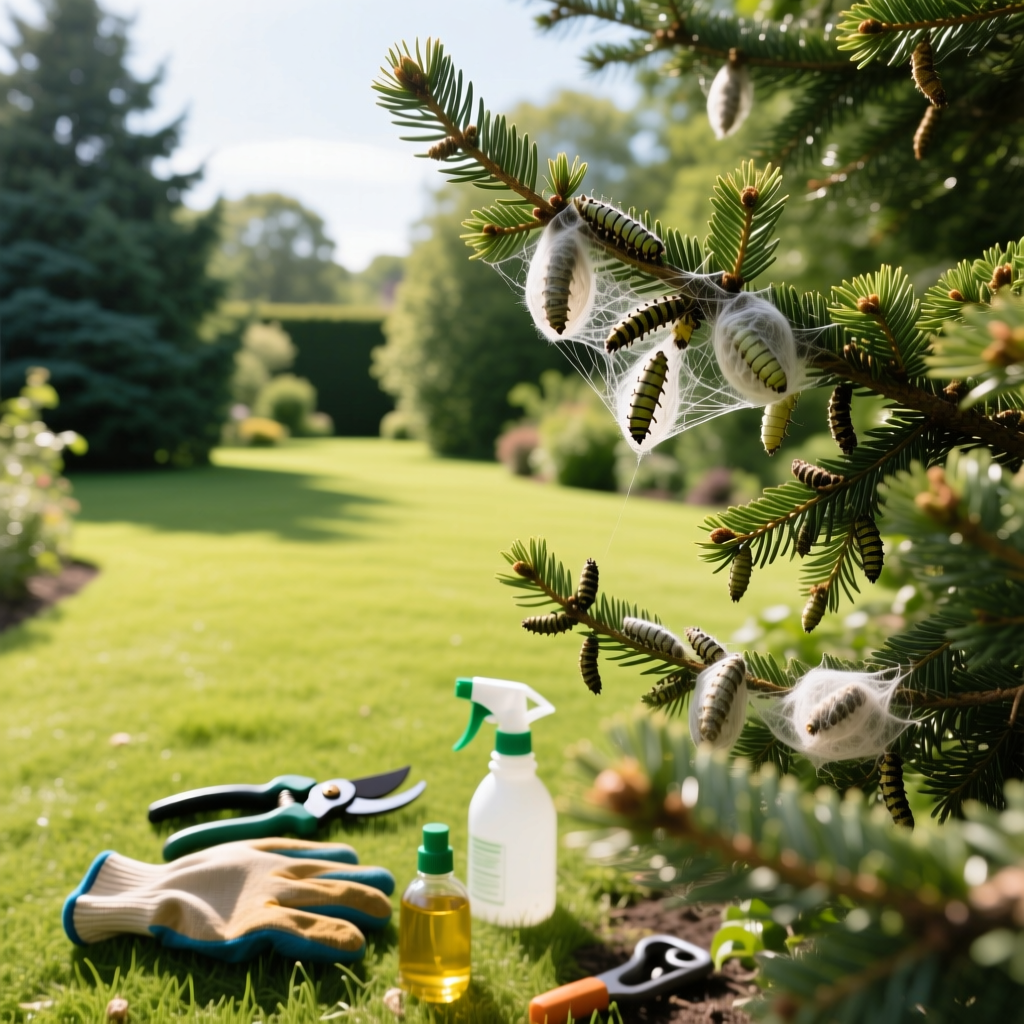
How to Identify & Remove Bagworms on Evergreen Trees
Anna KowalskiPublished
Evergreen trees are the backbone of many landscapes, providing year-round color, privacy, and windbreaks. But few pests can devastate these hardy trees as quietly and thoroughly as the bagworm. Often mistaken for small pinecones or debris clinging to branches, bagworms can defoliate an entire tree before most homeowners even realize they have a problem. If you have noticed browning foliage, thinning branches, or strange spindle-shaped cases dangling from your evergreens, you may be dealing with a bagworm infestation.
This comprehensive guide will walk you through everything you need to know about bagworms on evergreen trees — from early identification and understanding their life cycle to proven removal strategies and long-term prevention. Whether you prefer hands-on DIY methods or want to know when it is time to call in professional help, you will find practical, actionable advice to protect your landscape investment.
What Are Bagworms and Why Are They Dangerous to Evergreens?
Bagworms (Thyridopteryx ephemeraeformis) are the larval stage of a moth species native to North America. Despite their name, they are not true worms but rather caterpillars that construct protective cases — or "bags" — from silk and bits of the host plant they feed on. These bags serve as both camouflage and shelter, making the pests remarkably difficult to spot until significant damage has already occurred.
The bagworm life cycle begins in late spring when eggs hatch inside the mother's old bag. Tiny larvae emerge and immediately begin feeding on nearby foliage while spinning their first small silk cases. Over the course of summer, these larvae grow and expand their bags, incorporating plant debris for better camouflage. By late summer or early fall, mature larvae secure their bags to a branch and pupate inside. Adult males emerge as clear-winged moths to mate, while females remain inside their bags, laying up to 1,000 eggs before dying. Those eggs overwinter inside the bag, ready to hatch the following spring and start the cycle all over again.
What makes bagworms particularly dangerous to evergreen trees is their feeding behavior. Unlike deciduous trees that can regrow lost leaves, evergreens rely on their needles for photosynthesis year-round. When bagworms strip an evergreen of its needles, the damage is often permanent. Severely defoliated branches die and will not regenerate, leaving the tree with bare, unsightly sections that compromise its health, appearance, and structural integrity.
Bagworms show a strong preference for certain evergreen species, including:
- Arborvitae (especially Eastern arborvitae)
- Junipers (all varieties)
- Spruce trees (Norway spruce, Colorado blue spruce)
- Pine trees (particularly Austrian pine and Eastern white pine)
- Cedar trees
- Cypress
- Fir trees
However, they are opportunistic feeders and have been documented on over 120 different tree and shrub species, including some deciduous plants. If your landscape features any of the preferred hosts listed above, regular inspection is essential. For more information on maintaining healthy trees as part of your overall landscape maintenance routine, check out our comprehensive guides.
How to Identify Bagworms on Your Evergreen Trees
Early detection is the single most important factor in controlling bagworm damage. Because these pests are masters of disguise, you need to know exactly what to look for and when to look for it. Here is a detailed breakdown of bagworm identification across different stages and seasons.
Recognizing the Bags
The most distinctive feature of a bagworm infestation is the presence of the bags themselves. These spindle-shaped cases typically range from one-quarter inch to two inches in length, depending on the age and maturity of the larva inside. The bags are constructed from silk interwoven with pieces of the host plant's foliage, bark, and twigs, giving them a camouflaged appearance that closely resembles small pinecones or clusters of dead plant material.
Key identifying characteristics of bagworm cases include:
- Shape: Elongated and tapered, wider at the top where the larva's head and legs emerge for feeding and narrowing toward the bottom
- Attachment: Firmly wrapped around a branch or twig with a strong silk band
- Texture: Rough and covered in plant debris that matches the host tree's foliage
- Movement: Young bags may show subtle movement when the larva extends its head to feed
- Size variation: A mix of small and large bags on the same tree indicates a multi-generational infestation
Spotting Feeding Damage
Before you ever see the bags themselves, you may notice the damage they cause. Bagworm feeding produces distinctive patterns on evergreen foliage:
- Brown or discolored needle tips: Early feeding causes the tips of needles to turn brown while the base remains green
- Skeletonized needles: Larvae may eat only the outer tissue of a needle, leaving the fibrous core intact
- Bare branch tips: As populations grow, entire sections of branch tips are stripped clean
- Patchy defoliation: Damage often starts in one area of the tree and spreads outward, creating visible brown patches against the green canopy
- Complete defoliation: In severe cases, entire branches or even whole trees lose all their needles
Seasonal Inspection Calendar
Knowing when to inspect your trees greatly improves your chances of catching an infestation early. Here is a seasonal guide to bagworm scouting:
- Early Spring: Look for old, overwintering bags attached to branches. These contain hundreds of eggs that will hatch soon. Removing them now prevents the next generation entirely.
- Late Spring to Early Summer: Watch for tiny, newly hatched larvae. At this stage, they are barely visible — about one-eighth inch long — and their bags are small and light-colored. This is the optimal window for treatment.
- Mid-Summer: Larvae are actively feeding and growing. Bags become larger and more noticeable. Feeding damage becomes increasingly apparent.
- Late Summer to Fall: Mature bags are at their largest and most visible. Larvae stop feeding and seal their bags for pupation. Eggs are laid inside female bags for overwintering.
- Winter: Old bags remain attached to bare branches and are easier to spot without surrounding foliage. This is an excellent time for manual removal.
For a systematic approach to inspecting your entire yard, our seasonal lawn care checklist includes tree and shrub inspection reminders to keep your landscape healthy year-round.
Preventing Bagworm Infestations Before They Start
The most effective pest control strategy is always prevention. While it is impossible to guarantee that bagworms will never find your trees, you can make your landscape far less hospitable to them and catch problems before they escalate. Here are proven prevention strategies every homeowner should implement.
Maintain Tree Health and Vigor
Healthy, well-maintained trees are more resilient against pest damage and better able to recover from minor feeding. Focus on these foundational tree care practices:
- Proper watering: Deep, infrequent watering encourages strong root systems. Evergreens need consistent moisture, especially during dry spells and before winter dormancy. Learn more about proper watering schedules for your landscape.
- Mulching: Apply two to four inches of organic mulch around the base of trees, keeping it a few inches away from the trunk. Mulch conserves moisture, regulates soil temperature, and reduces competition from grass and weeds.
- Fertilization: Have your soil tested and fertilize according to the results. Over-fertilization, particularly with high-nitrogen products, can actually promote soft, succulent growth that attracts pests. Visit our soil testing guide for detailed instructions.
- Pruning: Remove dead, damaged, or overcrowded branches to improve air circulation and light penetration. This makes the tree canopy less attractive to pests and makes inspection easier.
Encourage Natural Predators
Several beneficial insects and birds prey on bagworms at various life stages. Creating a wildlife-friendly landscape can provide a natural line of defense:
- Parasitic wasps: Several species of ichneumonid and braconid wasps parasitize bagworm larvae. These tiny, non-stinging wasps are beneficial insects that should be welcomed in your garden.
- Predatory beetles: Ground beetles and other predatory insects may feed on bagworm larvae that fall to the ground.
- Birds: Chickadees, nuthatches, titmice, and sparrows are known to feed on bagworms, particularly during winter when other food sources are scarce. Attract these birds with feeders, birdbaths, and native plantings.
- Avoid broad-spectrum insecticides: Spraying non-selective chemicals kills beneficial predators along with the pests, ultimately making bagworm problems worse over time.
Monitor New Plantings and Nearby Trees
Bagworms frequently spread to new areas through infested nursery stock or by wind-blown larvae from neighboring properties. Take these precautions:
- Inspect before planting: Carefully examine any new trees or shrubs before bringing them home. Check the undersides of branches and inner canopy areas where small bags can hide.
- Quarantine new plants: If possible, keep new plantings separated from established trees for a few weeks while you monitor for any emerging pests.
- Survey neighboring properties: If adjacent yards have heavily infested trees, your trees are at higher risk. Wind can carry young larvae significant distances on silk threads, a behavior known as "ballooning."
- Create buffer zones: Planting less susceptible species between your prized evergreens and property boundaries can reduce the likelihood of infestation spreading.
Establish a Regular Inspection Routine
Make tree inspection a regular part of your landscape maintenance. Walk your property at least once a month during the growing season, paying close attention to the inner canopy and lower branches of evergreens where bagworms often establish first. Using binoculars can help you inspect the upper canopy of tall trees without needing a ladder. Consistent monitoring is a cornerstone of any effective integrated pest management approach.
DIY Bagworm Removal Methods That Actually Work
If you have discovered bagworms on your evergreen trees, do not panic. Several effective removal methods are available to homeowners, ranging from simple hand-picking to targeted organic and chemical treatments. The best approach depends on the severity of the infestation, the size of your trees, and the time of year.
Hand-Picking: The Most Reliable Method for Light Infestations
For small to moderate infestations, physically removing bagworm bags by hand is the most effective and environmentally friendly control method available. This approach is particularly valuable during fall, winter, and early spring when the bags contain overwintering eggs that would otherwise hatch into hundreds of new larvae.
Here is how to hand-pick bagworms effectively:
- Gather supplies: You will need a sturdy pair of gloves, a bucket or bag for collection, and possibly pruning shears for bags that are tightly wrapped around branches.
- Inspect systematically: Start at the base of the tree and work your way up, examining every branch. Pay special attention to the inner canopy, branch junctions, and the undersides of limbs.
- Remove each bag: Grasp the bag firmly and pull it off the branch. If the silk band is too tight, use pruning shears to snip it free rather than damaging the bark.
- Destroy the bags: Simply dropping bags on the ground is not sufficient — larvae and eggs can survive. Place collected bags in a sealed plastic bag and dispose of them in the trash, or submerge them in a bucket of soapy water for at least 24 hours. Burning is another effective disposal method where local regulations permit.
- Repeat regularly: A single hand-picking session rarely catches every bag. Repeat inspections every two to three weeks during the growing season and at least once during winter.
Pro tip: A single mature female bag can contain 500 to 1,000 eggs. Removing one bag in winter or early spring can prevent hundreds of larvae the following season. This makes hand-picking one of the highest-impact actions you can take.
Biological Control with Bt (Bacillus thuringiensis)
Bacillus thuringiensis var. kurstaki (Bt) is a naturally occurring soil bacterium that specifically targets caterpillars, including bagworm larvae. When ingested by a feeding larva, Bt produces proteins that disrupt the insect's digestive system, causing it to stop feeding within hours and die within a few days.
Bt is considered one of the safest pest control options available because it:
- Is non-toxic to humans, pets, birds, and beneficial insects like bees and ladybugs
- Breaks down rapidly in sunlight and does not persist in the environment
- Can be used on edible plants as well as ornamentals
- Is approved for use in organic gardening
For Bt to be effective against bagworms, timing and application are critical:
- Apply when larvae are young: Bt must be ingested to work, and young larvae are the most susceptible. Target applications for late spring to early summer, shortly after eggs hatch.
- Cover all foliage thoroughly: Spray both the upper and lower surfaces of needles, as well as the inner canopy. The larvae must eat treated foliage for the Bt to take effect.
- Reapply after rain: Bt washes off easily and degrades in UV light, so reapplication every seven to ten days during the active feeding period is necessary.
- Use fresh product: Bt has a limited shelf life. Check expiration dates and store products in a cool, dark place.
Chemical Insecticide Treatments
For heavier infestations or when hand-picking is impractical due to tree size, targeted chemical treatments can provide effective control. Several active ingredients have proven efficacy against bagworms:
- Spinosad: A naturally derived insecticide made from soil-dwelling bacteria. It works through both contact and ingestion and is effective against bagworm larvae while being relatively safe for beneficial insects once dry. Spinosad is a good middle-ground option between organic and synthetic controls.
- Permethrin: A synthetic pyrethroid that provides quick knockdown of bagworm larvae on contact. It has longer residual activity than Bt but can harm beneficial insects, so use it judiciously and avoid spraying during bloom periods.
- Bifenthrin: Another pyrethroid option with extended residual control. It is effective against bagworms but should be considered a last resort due to its broader impact on non-target insects.
- Carbaryl: A broad-spectrum insecticide effective against bagworms but harmful to bees and other beneficial insects. Use only when other methods have failed and never apply to flowering plants.
- Dinotefuran or Imidacloprid: Systemic insecticides applied as soil drenches or trunk injections. These are absorbed by the tree and kill feeding larvae from the inside. Systemic treatments are particularly useful for very tall trees where thorough spray coverage is impossible. However, they take longer to become effective and should be applied well before peak feeding season.
Regardless of which product you choose, always follow these best practices:
- Read and follow all label directions precisely — the label is the law
- Wear appropriate personal protective equipment including gloves, long sleeves, and eye protection
- Apply during calm weather to prevent drift onto non-target plants
- Avoid spraying on windy days or when rain is expected within 24 hours
- Treat in early morning or late evening to minimize impact on pollinators
- Ensure thorough coverage of all foliage, including the inner canopy where bagworms often concentrate
If you are dealing with other landscape pests alongside bagworms, our guides on natural pest control methods can help you develop a holistic approach to managing your yard without over-relying on chemicals.
Timing Your Treatment for Maximum Impact
The effectiveness of any bagworm treatment — whether biological or chemical — depends heavily on timing. Here is a treatment timeline to maximize your results:
- Winter through early spring: Hand-pick and destroy old bags containing overwintering eggs. This is the single most impactful action you can take.
- Late spring (when new growth appears): Begin monitoring for newly hatched larvae. They will be tiny and hard to see, but look closely at branch tips for small, light-colored bags and early feeding damage.
- Early summer: This is the prime treatment window. Young larvae are actively feeding and most vulnerable to Bt, spinosad, and other sprays. Apply treatments as soon as you detect young larvae.
- Mid-summer: Continue monitoring and reapply treatments as needed. Larger larvae are harder to kill, so thorough coverage becomes even more important.
- Late summer to fall: Larvae stop feeding and seal their bags for pupation. Spraying at this stage is largely ineffective. Focus on hand-picking mature bags to remove the next generation's eggs.
When to Call a Professional for Bagworm Control
While many bagworm infestations can be managed with the DIY methods described above, there are situations where professional intervention is the wisest choice. Recognizing these scenarios can save your trees — and potentially save you money by preventing the need for costly tree removal and replacement.
Signs You Need Professional Help
Consider hiring a licensed pest control professional or certified arborist in these situations:
- Tall or inaccessible trees: If your evergreens are taller than you can safely reach with a ladder and sprayer, professional equipment such as high-pressure spray rigs or trunk injection systems may be necessary to achieve adequate coverage.
- Widespread infestation: When bagworms have spread across multiple trees or your entire property, the scale of treatment may exceed what a homeowner can realistically manage alone.
- Severe defoliation: If trees have already lost significant foliage, a professional can assess whether the tree can be saved and develop a treatment and recovery plan.
- Recurring infestations: If you have tried DIY methods for multiple seasons without success, a professional can identify contributing factors you may have missed and implement a more aggressive management strategy.
- High-value specimen trees: Mature landscape trees that would cost thousands of dollars to replace are worth protecting with professional-grade treatments and monitoring.
- Uncertain identification: If you are not sure whether the bags on your tree are bagworms or another pest, a professional can provide accurate identification and tailored treatment recommendations.
What to Expect from Professional Treatment
Professional pest control services and arborists have access to commercial-grade products and application equipment that are not available to homeowners. A typical professional bagworm treatment program may include:
- Comprehensive inspection: A thorough assessment of all trees and shrubs on your property to identify the extent of the infestation and any contributing factors.
- Targeted chemical applications: High-pressure spray equipment ensures thorough coverage of even the tallest trees, reaching the inner canopy where bagworms concentrate.
- Systemic treatments: Trunk injections or soil drenches with professional-grade systemic insecticides provide long-lasting protection from the inside out.
- Follow-up monitoring: Many professionals include return visits to assess treatment effectiveness and apply additional controls if needed.
- Tree health assessment: A certified arborist can evaluate the overall health of damaged trees and recommend pruning, fertilization, or other cultural practices to support recovery.
The cost of professional bagworm treatment varies based on tree size, number of trees, and the severity of the infestation, but it is almost always less expensive than removing and replacing mature evergreens. For additional guidance on budgeting for landscape care, see our lawn care budget planning guide.
Recovery and Aftercare for Damaged Trees
After successfully controlling a bagworm infestation, your focus should shift to helping damaged trees recover. Keep these aftercare principles in mind:
- Do not expect immediate regrowth: Unlike deciduous trees, most evergreens cannot produce new foliage on old wood. Bare sections of branch may remain bare permanently. However, surrounding healthy growth can gradually fill in and mask the damage over time.
- Water deeply and consistently: Stressed trees need extra moisture to support recovery. Provide supplemental watering during dry periods, applying water slowly and deeply to reach the root zone.
- Avoid heavy pruning: Resist the urge to cut away all damaged branches immediately. Wait until the following growing season to assess which branches are truly dead before making pruning cuts. Some branches that appear dead may still produce new growth from latent buds.
- Light fertilization: A balanced, slow-release fertilizer applied in early spring can provide the nutrients needed for recovery. Avoid high-nitrogen fertilizers that promote weak, pest-attractive growth.
- Continue monitoring: Trees that have been infested once are at higher risk for re-infestation. Maintain your regular inspection routine for at least two to three years after treatment.
Integrating tree care with your broader landscape maintenance plan ensures that your entire yard remains healthy and resilient against future pest pressures.
Frequently Asked Questions About Bagworms on Evergreen Trees
Will bagworms kill my evergreen tree?
Yes, bagworms can kill an evergreen tree if the infestation is severe and left untreated for multiple seasons. A single season of heavy feeding can defoliate large portions of a tree, and because evergreens cannot regrow needles on old wood, the damage is permanent. Two or three consecutive years of heavy defoliation will typically kill a tree outright. However, a healthy, mature evergreen can usually survive a single season of moderate feeding if the infestation is addressed promptly. The key is early detection and consistent treatment. Smaller or younger trees are at greater risk and can be killed in a single season by a heavy bagworm population.
Do bagworms spread to other trees and plants?
Yes, bagworms can and do spread to other trees and plants. Newly hatched larvae use a dispersal method called "ballooning," where they spin a silk thread and let the wind carry them to nearby plants. This is how infestations spread from tree to tree and even across properties. While bagworms strongly prefer evergreen species like arborvitae, juniper, and spruce, they have been documented feeding on over 120 different plant species, including some deciduous trees and shrubs. If you find bagworms on one tree, it is essential to inspect all nearby trees and shrubs immediately. Treating only the visibly infested tree while ignoring surrounding plants will likely result in re-infestation the following season.
What time of year is best to treat for bagworms?
The best time to treat for bagworms depends on the method you are using. For chemical and biological sprays like Bt or spinosad, the optimal treatment window is late spring to early summer, when larvae have recently hatched and are small. Young larvae are far more susceptible to treatment than mature ones, and they are actively feeding, which means they are more likely to ingest sprayed foliage. For hand-picking, the best time is late fall through early spring, when bags contain overwintering eggs. Removing bags during this dormant period prevents hundreds of larvae from hatching and is the single most effective preventive action you can take. Avoid spraying in late summer or fall, as mature larvae seal themselves inside their bags and stop feeding, making contact and ingested insecticides largely ineffective.
Are bagworms harmful to humans or pets?
No, bagworms are not harmful to humans or pets. They do not bite, sting, or transmit diseases. The caterpillars spend virtually their entire lives inside their protective bags and have no interest in people or animals. However, the insecticides used to treat bagworm infestations can pose risks to humans and pets if not applied correctly. Always follow label instructions when using any pest control product, keep children and pets away from treated areas until sprays have dried, and wear appropriate protective equipment during application. If you are concerned about chemical exposure, biological controls like Bt offer an extremely safe alternative that is non-toxic to mammals, birds, and most beneficial insects.
Can I prevent bagworms from coming back after treatment?
While you cannot guarantee that bagworms will never return, you can significantly reduce the likelihood of re-infestation by following a consistent management routine. The most important steps include performing thorough hand-picking of bags every winter and early spring to remove overwintering eggs, monitoring trees closely during late spring and early summer for signs of newly hatched larvae, maintaining tree health through proper watering, mulching, and fertilization, and encouraging natural predators like birds and parasitic wasps in your landscape. Additionally, inspecting new plantings before adding them to your yard prevents accidentally introducing bagworms from nursery stock. If your property has a history of bagworm problems, consider applying a preventive systemic insecticide treatment in early spring as part of your annual tree care routine. Consistency is the key — a single year of neglect can allow populations to rebuild quickly. For a complete approach to keeping your entire yard pest-free, explore our pest control resource center for additional strategies and guides.

