
Pest Control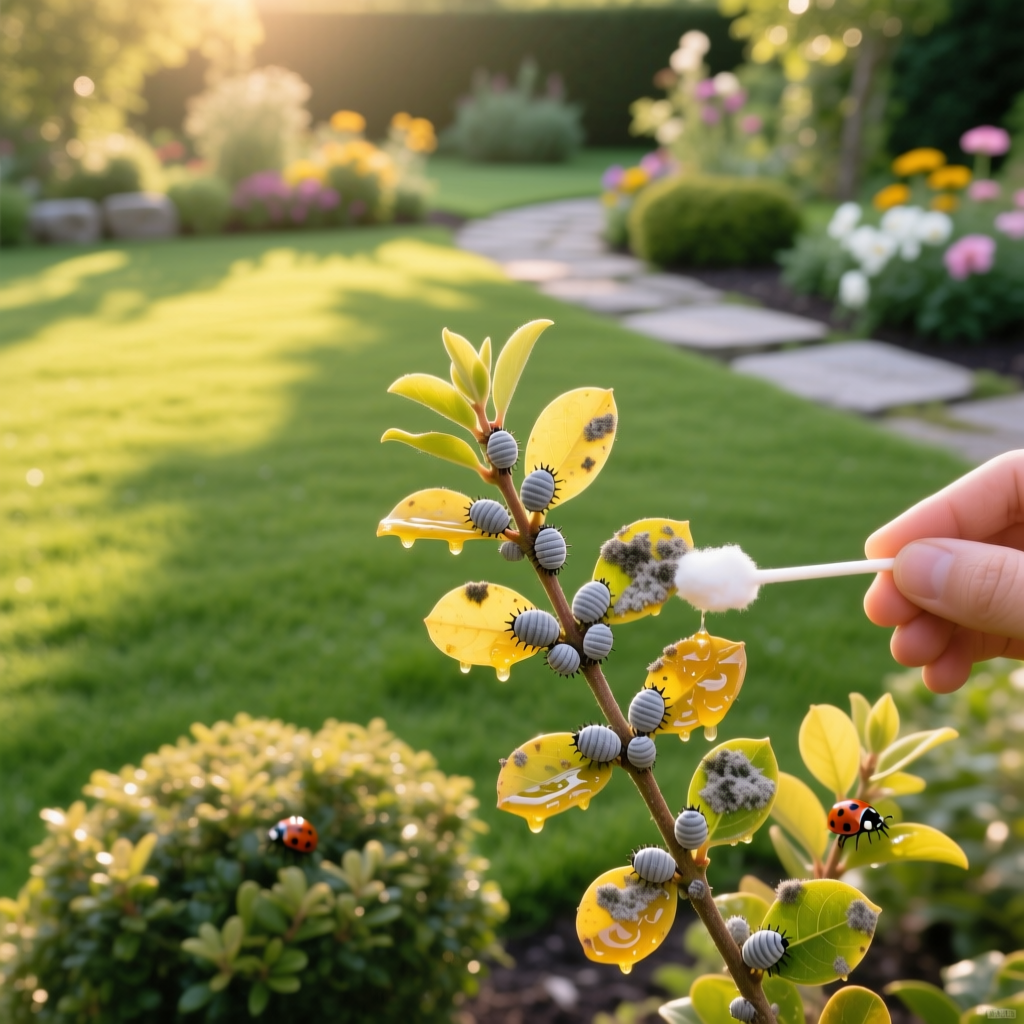
How to Identify & Treat Euonymus Scale on Ornamental Shrubs
Anna KowalskiPublished
Euonymus scale (Unaspis euonymi) is one of the most destructive and persistent pests that target ornamental shrubs in landscapes across North America and Europe. If you have ever noticed your euonymus bushes looking yellowed, stunted, or covered in a crusty white or brown coating, you are likely dealing with this aggressive armored scale insect. Left untreated, euonymus scale can weaken and eventually kill entire hedges, turning what was once a vibrant privacy screen or foundation planting into a dying eyesore.
The good news is that with proper identification, timely intervention, and consistent monitoring, you can bring a euonymus scale infestation under control and restore the health of your ornamental shrubs. This comprehensive guide walks you through everything you need to know — from recognizing the earliest signs of an infestation to implementing both DIY and professional treatment strategies that actually work.
Whether you are a homeowner managing a few landscape shrubs or a groundskeeper responsible for extensive plantings, understanding the life cycle and behavior of euonymus scale is the first step toward effective, long-term pest management. For more general guidance on maintaining healthy landscapes, check out our lawn care basics guide and our resources on common landscape pest control.
How to Identify Euonymus Scale on Ornamental Shrubs
Accurate identification is the foundation of any successful pest control strategy. Euonymus scale is an armored scale insect, meaning it produces a hard, protective covering that shields the tiny insect beneath from many contact pesticides and environmental stressors. Understanding what to look for — and when — can mean the difference between catching an infestation early and losing an entire hedge.
What Euonymus Scale Looks Like
Euonymus scale exhibits sexual dimorphism, meaning males and females look different, and both stages can appear on your shrubs simultaneously:
- Female scales are dark brown to grayish-black, roughly oval or pear-shaped, and about 1/16 inch long. They resemble tiny oyster shells and are typically found clustered along stems and leaf midribs.
- Male scales are elongated, narrow, and white to pale yellow. They are smaller than females and often appear in dense clusters that give branches a fuzzy or powdery white appearance.
- Crawlers (the mobile nymph stage) are tiny, yellowish-orange, and barely visible to the naked eye. They are most active in late spring and again in late summer.
When populations build up, stems and branches can become completely encrusted with layers of scale armor, giving the wood a rough, grayish-white, almost lichen-like appearance. This heavy encrustation is a telltale sign of a severe, multi-season infestation.
Symptoms on the Plant
Beyond the insects themselves, your shrubs will display several warning signs:
- Yellowing leaves with chlorotic spotting, especially on the upper leaf surfaces
- Premature leaf drop, often starting on interior and lower branches
- Stunted new growth and thinning canopy
- Dieback of branches, progressing from the tips inward
- Overall decline in plant vigor, with affected shrubs appearing sparse and unhealthy compared to nearby specimens
Because these symptoms can overlap with other issues — such as drought stress, nutrient deficiency, or fungal disease — always inspect stems closely for the physical presence of scale insects. A hand lens or magnifying glass is extremely helpful. If you are also noticing browning patches in the turf around your shrubs, you might be dealing with additional lawn pests that require separate treatment.
Which Plants Are Most Susceptible
As the name suggests, euonymus scale primarily targets plants in the genus Euonymus. The most commonly affected species include:
- Euonymus japonicus (Japanese euonymus) — highly susceptible
- Euonymus fortunei (Wintercreeper) — very susceptible
- Euonymus alatus (Burning bush) — moderately susceptible
- Euonymus kiautschovicus (Spreading euonymus) — moderately susceptible
The scale can also occasionally infest related plants such as bittersweet (Celastrus), pachysandra, and holly (Ilex). Japanese euonymus is by far the most vulnerable and can be killed within a few seasons if left untreated.
Understanding the Euonymus Scale Life Cycle for Better Treatment Timing
Effective treatment depends heavily on understanding the pest's life cycle. Euonymus scale typically completes two to three generations per year, depending on your climate, and each generation produces a crawler stage that represents the best window for chemical or organic intervention.
Overwintering Stage
Fertilized adult females overwinter on the stems and branches of host plants, protected beneath their hard scale covering. They remain dormant through the cold months and resume activity as temperatures warm in spring.
First Crawler Flush (Spring)
In mid-to-late spring, overwintered females begin laying eggs beneath their protective armor. These eggs hatch into crawlers — the only mobile life stage — which emerge and spread across the plant surface before settling to feed and begin forming their own scale coverings. This first crawler flush typically coincides with the bloom period of plants like Virginia spiderwort (Tradescantia) and early-flowering roses, making these useful phenological indicators for timing your first treatment.
Second Crawler Flush (Late Summer)
A second generation of crawlers typically emerges in late summer, usually from mid-August through September in temperate zones. This generation will mature into the overwintering adults. In warmer climates, a partial third generation may occur.
Why Timing Matters
Adult armored scales are extremely difficult to kill with contact sprays because their hard covering acts as a shield. Crawlers, however, are vulnerable for the brief period between emergence and the formation of their protective armor — usually just a few days to a week. Targeting your treatments to coincide with crawler activity dramatically increases your success rate. For guidance on timing seasonal lawn and landscape treatments, our seasonal lawn care calendar provides a helpful month-by-month framework.
Prevention Strategies to Keep Euonymus Scale at Bay
As with most pest problems, prevention is far easier and more cost-effective than eradication. A multi-layered approach combining smart plant selection, cultural practices, and proactive monitoring gives you the best chance of avoiding a devastating infestation.
Choose Resistant Varieties
If you are planning a new landscape installation or replacing shrubs that have succumbed to euonymus scale, select resistant or tolerant species. Some excellent alternatives include:
- Euonymus fortunei 'Emerald Gaiety' — shows moderate resistance
- Euonymus fortunei 'Emerald & Gold' — somewhat more tolerant than the species
- Boxwood (Buxus) — an excellent hedge alternative not affected by euonymus scale
- Holly (Ilex) species — generally resistant and provide similar evergreen structure
- Distylium — a newer, highly pest-resistant evergreen shrub
If you must plant susceptible euonymus varieties, locate them in areas with good air circulation and avoid dense, shaded plantings that favor scale development.
Maintain Plant Health
Stressed plants are more susceptible to pest infestations and less able to recover from feeding damage. Keep your ornamental shrubs vigorous by:
- Watering deeply during dry periods, especially in the first few years after planting
- Mulching with two to three inches of organic mulch to conserve moisture and moderate soil temperature — but keep mulch away from the base of stems
- Fertilizing appropriately based on a soil test, avoiding excessive nitrogen that promotes succulent, pest-attractive growth
- Pruning to maintain good air circulation and light penetration through the canopy
Healthy, well-maintained shrubs are better equipped to tolerate minor scale pressure and recover more quickly from treatment. For more on proper fertilization practices that apply to your entire landscape, visit our lawn fertilization guide.
Monitor Regularly
Inspect your euonymus shrubs at least once a month during the growing season, paying close attention to:
- The undersides of leaves along the midrib
- Stems and branches, especially in the lower and interior portions of the canopy
- Any areas where you have noticed scale in previous seasons
Catching a new infestation when only a few branches are affected allows you to prune out the problem area before the scale spreads throughout the entire shrub. Early detection is arguably the single most important factor in long-term euonymus scale management.
Sanitation and Quarantine
Always inspect new plants thoroughly before introducing them to your landscape. Scale insects are easily transported on nursery stock, and a single infested plant can serve as a source colony that spreads to your entire planting. If you discover scale on a newly purchased plant, either return it or treat it aggressively in isolation before adding it to your landscape beds.
DIY Treatment Options for Euonymus Scale
If you have confirmed a euonymus scale infestation, a combination of mechanical, biological, and chemical strategies will give you the best results. No single treatment provides a silver bullet — an integrated approach is essential for bringing this persistent pest under control.
Pruning and Physical Removal
For light to moderate infestations, start by pruning out the most heavily infested branches. This immediately reduces the scale population, improves air circulation, and allows subsequent spray treatments to penetrate the canopy more effectively.
- Cut back severely encrusted branches to healthy wood, making clean cuts just above a bud or lateral branch.
- Dispose of all pruned material in sealed bags — do not compost it, as crawlers can survive and reinfest nearby plants.
- For small infestations on individual branches, you can scrub scale insects off with a stiff brush or a cloth dipped in soapy water.
Pruning is most effective when done in late winter or early spring before the first crawler flush. Combine it with a dormant oil application for maximum impact.
Horticultural Oil Applications
Horticultural oil (also called dormant oil or superior oil) is one of the most effective and environmentally friendly weapons against armored scale insects. The oil works by smothering scale insects and their eggs, penetrating beneath the edges of the scale armor to reach the insect underneath.
Dormant-season application: Apply horticultural oil in late winter or early spring, before new growth emerges, when temperatures are above freezing but below 85°F (29°C). Coat all stems and branches thoroughly, including the undersides and crevices where scales congregate. This treatment targets overwintering females and significantly reduces the first generation of crawlers.
Growing-season application: Lighter-weight summer oils can be applied during the growing season to target crawlers. Apply when crawlers are active, typically in late spring and again in late summer. Avoid applying oil when temperatures exceed 90°F (32°C) or when plants are drought-stressed, as this can cause leaf burn.
Always read and follow the product label instructions carefully. Multiple applications spaced 10 to 14 days apart during crawler activity periods provide the best coverage.
Insecticidal Soaps
Insecticidal soaps are effective against the crawler stage but have little impact on adult armored scales. They work by disrupting the insect's cell membranes and must contact the pest directly to be effective. Apply insecticidal soap during peak crawler activity, ensuring thorough coverage of all plant surfaces.
Soaps are a good option for gardeners seeking a lower-toxicity approach, but they must be reapplied frequently (every 5 to 7 days during crawler emergence) because they have no residual activity.
Systemic Insecticides
For severe infestations that have not responded to oil and soap treatments, systemic insecticides containing active ingredients such as imidacloprid or dinotefuran can provide effective control. These products are applied as soil drenches or trunk injections and are taken up by the plant's vascular system, making the plant tissue toxic to feeding scale insects.
- Imidacloprid is best applied as a soil drench in early spring, several weeks before the first crawler flush, to allow time for the chemical to translocate throughout the plant.
- Dinotefuran moves through the plant more quickly and can be applied closer to crawler emergence or even as a bark spray.
Systemic insecticides should be used judiciously and only when other methods have proven insufficient. They can affect pollinators if applied to flowering plants, so avoid treating euonymus during bloom periods and always follow label directions. For guidance on responsible pesticide use in your broader landscape, see our safe pesticide use guide.
Biological Control with Natural Predators
Several natural predators attack euonymus scale, including:
- Lady beetles (especially the twice-stabbed lady beetle, Chilocorus stigmosus)
- Parasitic wasps (such as Encarsia citrina)
- Predatory mites
Encouraging these beneficial insects by reducing broad-spectrum pesticide use, planting diverse flowering species nearby, and avoiding treatments during peak beneficial insect activity can help keep scale populations in check over the long term. In some regions, parasitic wasps have provided significant natural suppression of euonymus scale populations.
Biological control alone is rarely sufficient to eliminate a heavy infestation, but it is an excellent component of a long-term integrated pest management strategy once populations have been reduced to manageable levels through other treatments.
When to Call a Professional for Euonymus Scale Treatment
While many homeowners can manage light to moderate euonymus scale infestations with the DIY methods described above, there are situations where professional intervention is the smarter and more cost-effective choice.
Signs You Need Professional Help
- Widespread infestation affecting multiple shrubs or an entire hedge row — treating dozens of plants thoroughly and on the correct schedule is difficult without professional equipment and training.
- Repeated treatment failures — if you have applied horticultural oil and systemic insecticides correctly but the scale population continues to grow, a licensed pest control professional can diagnose contributing factors and access commercial-grade products.
- Large or difficult-to-access shrubs — mature euonymus hedges that have grown tall and dense require high-pressure spray equipment to achieve the thorough coverage necessary for scale control.
- Desire for a comprehensive landscape IPM program — professionals can integrate euonymus scale management with treatment for other common landscape pests such as bagworms, Japanese beetles, and white grubs that may be affecting your lawn and ornamental beds.
What Professionals Offer
Licensed landscape pest control companies bring several advantages:
- Access to professional-grade systemic insecticides and insect growth regulators not available to homeowners
- High-pressure spray equipment for thorough coverage of large, dense shrubs
- Expert knowledge of local pest pressure, crawler emergence timing, and the most effective treatment protocols for your region
- Scheduled monitoring and follow-up treatments to ensure long-term control
- Trunk injection technology that delivers systemic products directly into the plant with minimal environmental exposure
The cost of professional treatment varies based on the size and number of affected plants, but it is often less expensive than replacing a mature euonymus hedge that has been killed by unchecked scale infestation. Many companies offer seasonal treatment plans that include monitoring and multiple applications timed to crawler emergence.
Choosing the Right Professional
When selecting a pest control company, look for:
- State licensing and certification in ornamental and turf pest management
- Experience specifically with armored scale insects and euonymus scale
- References or reviews from clients who have had similar problems resolved
- A willingness to explain their treatment plan, including the products they use, application timing, and expected results
- Commitment to integrated pest management principles rather than reliance on a single chemical approach
A knowledgeable professional will also advise you on whether your euonymus planting is worth saving or whether replacement with a more resistant species is the better long-term investment. For help evaluating your overall landscape health, our landscape maintenance tips can help you assess the condition of your ornamental plantings.
Frequently Asked Questions About Euonymus Scale
Can euonymus scale spread to other plants in my yard?
Yes, euonymus scale can spread to other euonymus species and, to a lesser extent, to related plants such as bittersweet, pachysandra, and occasionally holly. The crawler stage is mobile and can be carried by wind, rain, animals, or human activity to nearby susceptible plants. However, euonymus scale is relatively host-specific and will not infest unrelated plants such as roses, azaleas, or most trees. The greatest risk is to other euonymus plantings within close proximity, so treating all susceptible plants in the area simultaneously is recommended.
Will euonymus scale kill my shrubs if left untreated?
Yes, euonymus scale is one of the few scale insects capable of killing its host plant outright. Heavy infestations drain the plant's resources by feeding on the sap within stems and leaves, leading to progressive dieback, leaf loss, and eventually the death of the entire shrub. Japanese euonymus is particularly vulnerable and can be killed within two to three seasons of a severe, untreated infestation. Burning bush and other species are somewhat more tolerant but will still suffer significant decline. Early detection and consistent treatment are essential to saving affected plants.
Is horticultural oil safe to use on euonymus shrubs?
Horticultural oil is generally very safe for euonymus when applied according to label directions. The key precautions are to avoid applying oil when temperatures are above 90°F (32°C), when plants are under drought stress, or when new growth is extremely tender. Dormant-season applications at higher concentrations are safe and highly effective. Summer-weight oils at lower concentrations can be used during the growing season. Always test a small area first if you are using a new product, and never apply oil within 30 days of a sulfur-based fungicide treatment, as the combination can cause phytotoxicity. Horticultural oil is considered one of the safest pesticide options for use around people, pets, and beneficial insects once it has dried.
How long does it take to get euonymus scale under control?
Realistic expectations are important: controlling euonymus scale is a multi-season effort rather than a one-time fix. With consistent treatment — typically a combination of dormant oil in late winter, targeted sprays during crawler emergence, and possibly a systemic insecticide — you can expect to see significant improvement within one growing season. However, complete eradication may take two to three years of sustained treatment and monitoring, especially for severe infestations. Even after populations appear to be eliminated, continued monitoring is essential because euonymus scale can reinfest from nearby untreated plants or from small residual populations that survived treatment.
Should I remove and replace my euonymus shrubs instead of treating them?
This depends on the severity of the infestation, the value of the planting in your landscape, and your willingness to commit to ongoing treatment. If your euonymus hedge is more than 50 percent dead or in severe decline, removal and replacement with a resistant species such as boxwood, distylium, or holly may be the more practical and cost-effective choice. If the planting is relatively young or the infestation was caught early, aggressive treatment can often save the shrubs. Consider the long-term maintenance commitment as well — even after successful treatment, susceptible euonymus varieties will require ongoing monitoring and periodic treatment to prevent reinfestation, whereas resistant alternatives will require far less pest management over their lifetime.
For more information on maintaining a healthy, pest-resistant landscape, explore our complete collection of pest control guides and lawn care resources to keep your entire yard thriving.

