
Pest Control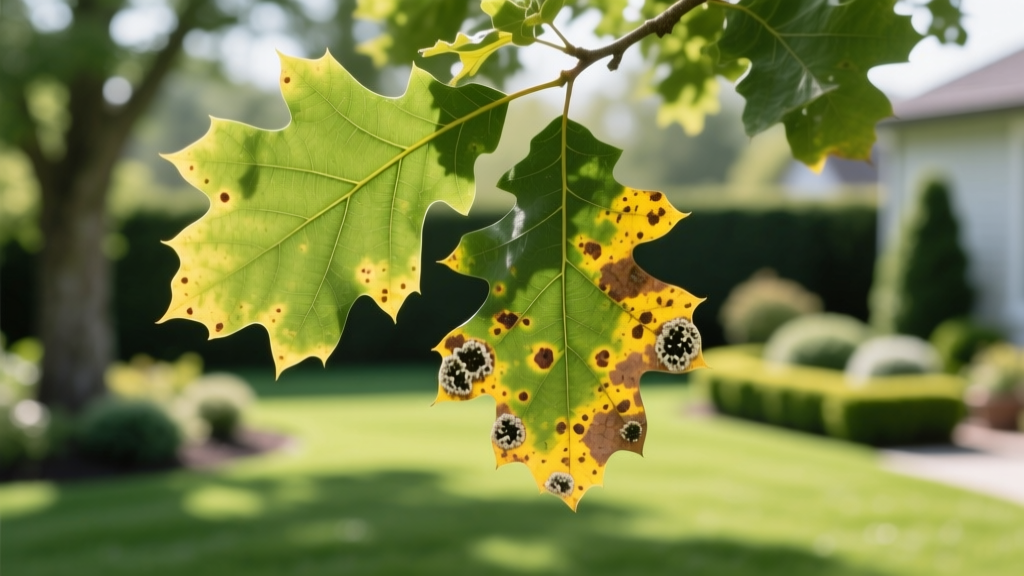
How to Identify and Treat Oak Blight: A Beginner Guide
The 'Oak Blight' Misconception: What Is Actually Killing Your Tree?
When homeowners search for solutions to 'oak blight,' they are usually confronting a misnomer. In arboriculture, there is no single pathogen officially classified as oak blight. Instead, this colloquial term conflates three distinct, highly destructive diseases: Oak Anthracnose (a true foliar leaf blight), Oak Wilt (a lethal vascular disease), and Sudden Oak Death (a devastating water mold). Misidentifying these conditions leads to wasted money on ineffective fungicides and, in the case of Oak Wilt, the rapid loss of mature canopy trees.
Before purchasing any chemical treatments, you must determine which pathogen is attacking your oaks. According to Penn State Extension, foliar diseases like Anthracnose rarely kill established trees, whereas vascular diseases require immediate, aggressive intervention.
Disease Comparison Matrix
| Disease | Pathogen | Primary Symptoms | Threat Level | Primary Targets |
|---|---|---|---|---|
| Oak Anthracnose (Leaf Blight) | Apiognomonia quercina | Brown margins on leaves, premature leaf drop, twig dieback. | Low (Cosmetic/Stress) | White & Red Oak groups |
| Oak Wilt | Bretziella fagacearum | Veinal browning (leaves look skeletonized), rapid canopy bronzing. | Critical (Fatal) | Red Oaks (highly fatal), White Oaks |
| Sudden Oak Death | Phytophthora ramorum | Bleeding cankers on trunk, dark oozing sap, sudden canopy collapse. | Critical (Fatal) | Tanoaks, Coast Live Oaks |
Step-by-Step Diagnosis: Foliar Blight vs. Vascular Wilt
The most critical diagnostic step for beginners is examining the leaf browning pattern. Grab a fallen leaf and hold it up to the sunlight.
- The Anthracnose Pattern (Marginal): Browning starts at the outer edges (margins) of the leaf and works inward, often following the secondary veins but leaving the main central vein green. This indicates a foliar blight.
- The Oak Wilt Pattern (Veinal): Browning starts at the leaf tip and margins but rapidly burns down the primary veins, creating a distinct 'skeletonized' look where the veins are brown but the tissue between them remains green. This indicates a vascular blockage.
⚠️ CRITICAL WARNING: The Pruning Danger Zone
Never prune, wound, or trim an oak tree between April 1 and October 31. Fresh pruning cuts emit volatile organic compounds that attract nitidulid sap beetles. These beetles carry Oak Wilt spores from infected trees directly into your fresh pruning wounds. Always prune oaks during the dormant winter months (December through February).
The Plastic Sheet Test for Oak Wilt
If you suspect Oak Wilt on a Red Oak (such as Texas Red, Shumard, or Blackjack), look for fungal mats under the bark. Peel back a small section of bark on a dying branch and place a clear plastic sheet tightly over the exposed wood for 24 hours. If you see black or gray fungal pads forming under the condensation, you have confirmed Oak Wilt. The Texas A&M Forest Service recommends immediate quarantine and root-severing if these mats are present.
Proven Treatment Protocols and Costs
Treatment strategies diverge wildly based on your diagnosis. Below are the specific, actionable protocols and current market pricing for professional and DIY interventions.
Protocol 1: Treating Foliar Anthracnose (The True 'Blight')
Anthracnose thrives in cool, wet spring weather. Treatment focuses on sanitation and protective contact fungicides.
- Sanitation (Fall/Winter): Rake and destroy all fallen oak leaves. The fungus overwinters in the leaf litter. Do not compost these leaves.
- Canopy Spraying (Spring): Apply a Chlorothalonil-based fungicide (e.g., Bonide Fung-onil or Daconil) at bud break, typically when leaf buds are 1/2 inch long. Mix at a rate of 1.5 to 2.5 tablespoons per gallon of water for heavy disease pressure.
- Reapplication: Spray again 10 to 14 days later if spring rainfall exceeds 2 inches per week. Cost for DIY concentrate: $25–$40 per 16oz bottle, treating up to four mature trees.
Protocol 2: Managing Oak Wilt (The Deadly Imposter)
If diagnosed with Oak Wilt, foliar sprays are entirely useless. The fungus is inside the xylem (water-conducting tissue). You must use systemic trunk injections and mechanical root disruption.
Trunk Injection (Propiconazole)
Hire an ISA-certified arborist to inject Propiconazole 14.3% (commercial brand: Alamo) directly into the root flare. The arborist will drill small, angled holes every 4 to 6 inches around the base of the trunk.
- Cost: Expect to pay $15 to $25 per inch of DBH (Diameter at Breast Height). A 20-inch diameter oak will cost $300 to $500 per treatment.
- Longevity: Protects the tree for 24 months. Must be re-injected before the chemical degrades.
Root Graft Trenching
Oak Wilt spreads underground through interconnected root grafts between neighboring trees. To save uninfected trees, you must sever these connections.
- Execution: Rent a vibratory plow or trencher to cut a 4-foot deep trench between the infected tree and healthy oaks within a 100-foot radius.
- Cost: Professional trenching averages $8 to $12 per linear foot. A 200-foot barrier will cost roughly $1,600 to $2,400.
'Once a Red Oak shows more than 30% canopy wilting from Oak Wilt, it is generally past the point of saving. The financial investment is better spent on trenching to protect the surrounding healthy White and Red Oaks.' — Midwest Arborist Coalition Guidelines
Protocol 3: Sudden Oak Death (SOD)
Primarily affecting coastal regions in California and Oregon, SOD is regulated by the USDA APHIS. There is no cure for an actively bleeding, infected trunk. Treatment relies entirely on preventative phosphite injections (e.g., Agri-Fos) applied to the bark or trunk of high-value, uninfected trees in the immediate vicinity. DIY phosphite bark sprays cost around $60 per gallon, but professional injection is required for trees over 12 inches DBH.
Preventative Maintenance Calendar
Consistent timing is the difference between a thriving oak canopy and a dead hazard tree. Follow this strict seasonal schedule:
| Season | Action Items | Specific Targets |
|---|---|---|
| Winter (Dec-Feb) | Structural pruning, remove deadwood, apply dormant horticultural oil. | Nitidulid beetles are inactive; pruning wounds are safe. |
| Spring (Mar-May) | Apply Chlorothalonil foliar sprays at bud break. Rake lingering leaf litter. | Anthracnose spores, powdery mildew. |
| Summer (Jun-Aug) | Deep root watering (1 inch per week). DO NOT mow near trunk to avoid bark wounds. | Drought stress (which accelerates Oak Wilt susceptibility). |
| Fall (Sep-Nov) | Remove and bag all fallen leaves. Schedule arborist for trunk injections if due. | Overwintering fungal mats and spores. |
Frequently Asked Questions
Can I use a systemic soil drench like imidacloprid to treat oak blight?
No. Imidacloprid is an insecticide designed to kill borers and aphids. It has zero efficacy against fungal pathogens like Anthracnose or Oak Wilt. Using soil drenches for fungal diseases is a common beginner mistake that wastes money and unnecessarily introduces pesticides into the soil ecosystem.
How do I calculate my oak tree's DBH for treatment pricing?
DBH stands for Diameter at Breast Height, measured 4.5 feet above the ground. Wrap a flexible measuring tape around the trunk at this height to get the circumference in inches. Divide that number by 3.14 (Pi) to get the exact diameter. For example, a 63-inch circumference equals a 20-inch DBH.
Will fertilizer cure a blighted oak tree?
Applying high-nitrogen fertilizer to an oak suffering from Oak Wilt or severe Anthracnose will actually accelerate the disease. Nitrogen promotes rapid, succulent leaf growth that is highly susceptible to fungal penetration, and it forces the compromised vascular system to work harder. Only fertilize oaks after a soil test confirms a specific nutrient deficiency, and use slow-release, low-nitrogen organic blends.

