Pest Control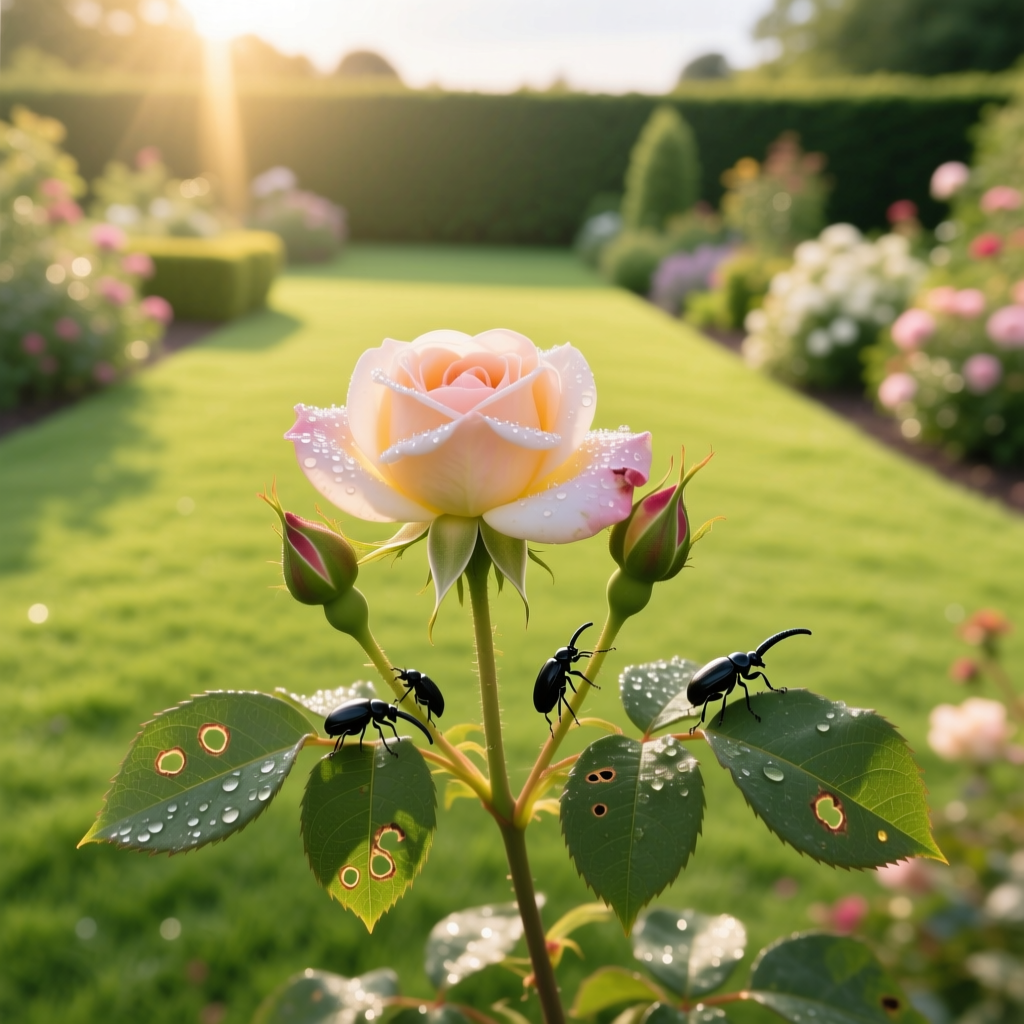
How to Identify & Treat Rose Curculio Damage on Rose Bushes
Anna KowalskiPublished
Rose bushes are among the most beloved ornamental plants in gardens, but they are also magnets for a variety of pests. One of the most frustrating & destructive insects you may encounter is the rose curculio (Merhynchites bicolor), a small snout beetle that can wreak havoc on your prized blooms. Unlike some pests that merely nibble at foliage, the rose curculio targets the most prized part of your rose bush — the buds & flowers — leaving gardeners with damaged, disfigured, or entirely destroyed blossoms.
If you have noticed holes in your rose petals, buds that fail to open properly, or small black beetles lurking around your flowers, you may be dealing with a rose curculio infestation. The good news is that this pest is manageable once you understand its life cycle, habits, & the most effective treatment strategies. In this comprehensive guide, we will walk you through everything you need to know about identifying, preventing, & treating rose curculio damage so your rose bushes can thrive season after season.
For more tips on keeping your garden healthy, explore our pest control resources & garden care guides for seasonal maintenance advice.
What Is the Rose Curculio & How to Identify It
The rose curculio is a small weevil, typically measuring about one-quarter of an inch in length. It belongs to the snout beetle family & is easily recognized by its distinctive elongated snout, which it uses to drill into rose buds & hips. The adult beetle has a striking appearance: its body is typically a metallic red or reddish-brown color with black legs & a black underside. Some specimens may appear almost entirely black depending on their age & environmental conditions.
Recognizing Rose Curculio Damage
Identifying the pest itself is only half the battle. Knowing what damage to look for is equally important, especially since rose curculios are relatively small & can be easy to miss during casual garden inspections. Here are the key signs that rose curculios are attacking your rose bushes:
- Holes in buds & petals: The most telltale sign is small, round holes drilled directly into rose buds. The female uses her snout to bore into developing buds to feed & lay eggs. These holes are neat & circular, distinguishing them from the irregular chewing damage caused by caterpillars or Japanese beetles.
- Drooping or wilting buds: Buds that have been drilled into often wilt, turn brown, & fail to open. The structural damage caused by feeding & egg-laying compromises the bud's ability to develop normally.
- Deformed flowers: Flowers that manage to open despite curculio damage may appear ragged, with visible holes & tears in the petals. The damage is often concentrated near the center of the bloom.
- Notched or ragged petal edges: Adult curculios also feed on open petals, creating irregular notches along the edges that can be mistaken for thrip damage or wind injury.
- Presence of small red-black beetles: If you inspect your roses closely — particularly in the early morning when the beetles are less active — you may spot the adults crawling on buds & blooms.
- Hip damage: Later in the season, rose curculios may target developing rose hips, drilling holes to feed on the seeds inside & to deposit eggs for the next generation.
Distinguishing Rose Curculio Damage from Other Rose Pests
It is important to correctly identify the pest responsible for the damage, as treatment strategies vary significantly. Japanese beetles, for example, skeletonize leaves & leave large, irregular holes in petals. Thrips cause stippling & browning on petal edges. Aphids cluster on new growth & buds but leave a sticky residue called honeydew rather than drilled holes. Rose midges cause buds to blacken & die but leave no visible holes. Understanding these distinctions ensures you select the right treatment approach. For a broader overview of common rose pests, check out our common garden pests guide.
The Rose Curculio Life Cycle & Why Timing Matters
Understanding the life cycle of the rose curculio is critical for effective control. Timing your interventions to coincide with the most vulnerable stages of the beetle's development dramatically increases your chances of eliminating the infestation.
Adult Emergence & Feeding
Adult rose curculios emerge from the soil in late spring to early summer, typically coinciding with the first major flush of rose blooms. They are strong fliers & can quickly move between plants, which is why infestations can spread rapidly through a garden. Upon emerging, the adults immediately begin feeding on rose buds & flowers, using their snouts to puncture plant tissue & consume the contents.
Mating & Egg-Laying
After a period of feeding, the adults mate. The female then selects developing rose buds or hips & drills a deep hole into the base using her snout. She deposits a single egg inside each bud, then seals the hole with a dark, plug-like substance made from chewed plant material. A single female can lay dozens of eggs over her lifespan, meaning even a small population of adults can cause significant damage.
Larval Development
The eggs hatch inside the buds, & the small, legless, cream-colored larvae feed on the developing seeds & plant tissue within the bud or hip. The larvae go through several growth stages (instars) over the course of several weeks. During this time, the affected bud typically dies, turns brown, & eventually drops to the ground.
Pupation & Overwintering
Once the larvae have finished feeding, they exit the fallen bud & burrow into the soil beneath the rose bush. There they pupate, transforming into adults. Depending on the climate, the new adults may emerge the same season to produce a second generation, or they may remain in the soil as pupae or pre-emergent adults throughout the winter, emerging the following spring. In warmer climates, two generations per year are common, while cooler regions typically see only one.
This life cycle is why a multi-pronged approach to control is essential. You need to target adults during their active feeding period, disrupt egg-laying, & address larvae in the soil to prevent future generations. If you are also dealing with soil-dwelling pests like grubs, our lawn grub control guide offers helpful strategies that can complement your rose curculio management plan.
Prevention Strategies to Protect Your Rose Bushes
As with most pest problems, prevention is always more effective & less labor-intensive than treatment. Implementing a combination of cultural, physical, & biological prevention strategies can significantly reduce the likelihood of a rose curculio infestation taking hold in your garden.
Maintain Garden Hygiene
One of the simplest & most effective prevention methods is keeping the area around your rose bushes clean. Rose curculio larvae develop inside fallen buds & hips, so promptly removing & destroying any dropped flower parts eliminates a critical link in their life cycle. Do not compost infested material, as home compost piles rarely reach temperatures high enough to kill the larvae. Instead, seal affected debris in plastic bags & dispose of it in the trash.
Regularly raking the area beneath your rose bushes & removing plant debris reduces the habitat available for pupating larvae. Maintaining a clean garden floor is one of the most underrated practices in pest management, & it applies equally to lawn care. Learn more about keeping your outdoor spaces tidy in our lawn maintenance tips.
Encourage Natural Predators
A healthy, biodiverse garden is your first line of defense against pest outbreaks. Many beneficial insects & animals prey on rose curculios at various life stages. Ground beetles, predatory wasps, birds, & even certain species of nematodes will consume curculio larvae & pupae in the soil. You can attract these natural allies by:
- Planting a diverse range of flowering plants to provide habitat & food for beneficial insects
- Avoiding broad-spectrum pesticides that harm beneficial species alongside pests
- Providing bird feeders & bird baths to encourage insect-eating birds to frequent your garden
- Adding organic matter to your soil to support populations of predatory ground beetles & nematodes
Select Resistant Rose Varieties
While no rose variety is completely immune to rose curculio damage, some types are less attractive to the pest. Roses with tightly formed, thick-petaled buds are harder for the curculio's snout to penetrate. Species roses & old garden roses with single or semi-double blooms may also suffer less damage because they have fewer petals for the beetles to hide in & feed on. When planning your rose garden, consider incorporating a mix of varieties to reduce the overall impact of any single pest.
Use Physical Barriers
For prized specimen roses, physical barriers can provide excellent protection. Fine mesh bags or organza pouches placed over developing buds prevent adult curculios from reaching the flowers to feed & lay eggs. This method is labor-intensive but highly effective & chemical-free. Be sure to install the bags early, before the buds begin to swell, to prevent beetles from gaining access.
Apply Mulch Strategically
Applying a thick layer of mulch around your rose bushes can create a physical barrier that makes it harder for larvae to reach the soil to pupate & for emerging adults to reach the surface. However, be careful not to pile mulch directly against the base of the rose canes, as this can promote rot & fungal disease. A two-to-three-inch layer of mulch spread evenly around the drip line of the bush is ideal. For more on proper mulching techniques, visit our mulching guide.
DIY Treatment Solutions for Rose Curculio Infestations
If prevention measures were not enough & you find yourself dealing with an active rose curculio infestation, there are several effective do-it-yourself treatment options available. The key is to act quickly & use a combination of methods for the best results.
Hand-Picking Adults
One of the most effective & immediate methods of controlling rose curculios is simply picking them off your roses by hand. This is best done in the early morning when temperatures are cooler & the beetles are sluggish. Place a container of soapy water beneath the affected bloom & gently tap or shake the branch. The beetles, startled by the disturbance, will typically release their grip & fall into the soapy water, where they drown quickly.
Make hand-picking a daily habit during peak curculio season. While it may seem tedious, consistent removal of adults prevents mating & egg-laying, which has a compounding effect on population reduction over time. Many experienced rose growers consider this the single most effective control method available.
Neem Oil Applications
Neem oil is a natural, plant-based insecticide derived from the seeds of the neem tree. It works by disrupting the feeding & reproductive behavior of insects & has mild repellent properties. To use neem oil against rose curculios:
- Mix neem oil according to the product label instructions, typically one to two tablespoons per gallon of water with a few drops of mild dish soap as an emulsifier.
- Apply the solution thoroughly to all rose buds, flowers, & foliage, making sure to coat the undersides of leaves & the base of buds where curculios tend to hide.
- Repeat applications every seven to ten days during peak beetle activity, or after heavy rainfall.
- Apply in the early evening to avoid leaf burn from direct sunlight & to minimize impact on pollinators, which are less active at dusk.
Neem oil is particularly valuable because it has minimal impact on beneficial insects when used correctly & breaks down quickly in the environment, making it a favorite among organic gardeners.
Insecticidal Soap Sprays
Insecticidal soaps are another effective, low-toxicity option for controlling rose curculio adults. These products work by penetrating the insect's outer shell, causing dehydration & death on contact. Like neem oil, insecticidal soap must be applied directly to the beetles to be effective, so thorough coverage is essential. Spray in the early morning or evening when beetles are most likely to be present on the plants, & reapply after rain.
Beneficial Nematodes
To target the larval & pupal stages of the rose curculio life cycle, apply beneficial nematodes to the soil around your rose bushes. These microscopic, soil-dwelling worms (Steinernema & Heterorhabditis species) actively seek out & parasitize insect larvae in the soil. They are completely safe for plants, pets, & humans, & they provide long-lasting biological control.
Apply nematodes to moist soil in the early evening, following the product instructions for dilution & application rates. Water the area lightly after application to help the nematodes move into the soil profile. For best results, apply in late summer or early fall when curculio larvae are present in the soil, & again in early spring before adults emerge. Nematodes are also an excellent tool for controlling other soil-dwelling pests. Learn more in our beneficial nematodes guide.
Diatomaceous Earth
Food-grade diatomaceous earth (DE) is a natural powder made from fossilized aquatic organisms. When applied to the soil surface around rose bushes, it creates an abrasive barrier that damages the exoskeletons of insects attempting to crawl through it, including emerging adult curculios & larvae moving to or from the soil. Apply a thin, even layer of DE around the base of each rose bush, reapplying after rain or irrigation. Be sure to use food-grade DE rather than pool-grade, which is chemically treated & unsafe for garden use.
Pyrethrin-Based Sprays
For more severe infestations where hand-picking & natural sprays are not providing adequate control, pyrethrin-based insecticides can be an effective option. Pyrethrins are natural compounds derived from chrysanthemum flowers & act as fast-acting contact insecticides. They are generally considered safe for use around people & pets when applied according to label directions, but they are highly toxic to bees & aquatic organisms, so use them judiciously & avoid spraying during bloom times when pollinators are active. Always follow the manufacturer's instructions carefully & never exceed recommended application rates.
When to Call a Professional Pest Control Service
While most rose curculio infestations can be managed with the DIY methods described above, there are situations where professional intervention is warranted. Recognizing when to call in help can save you time, frustration, & potentially your most valuable rose specimens.
Signs You Need Professional Help
Consider contacting a licensed pest control professional if you experience any of the following:
- Persistent, recurring infestations: If you have tried multiple control methods over consecutive seasons & the curculio population continues to grow, a professional can assess your garden for underlying issues & implement more aggressive treatment protocols.
- Widespread damage across multiple plant species: While rose curculios prefer roses, heavy populations may begin attacking other ornamental plants. A professional can identify whether you are dealing with multiple pest species simultaneously.
- Large rose gardens or commercial plantings: Managing curculios across dozens or hundreds of rose bushes is extremely labor-intensive. Professional services have access to commercial-grade products & equipment that can treat large areas efficiently.
- Concerns about chemical safety: If you are unsure about selecting & applying insecticides safely — particularly in gardens near water sources, children's play areas, or pet enclosures — a professional can ensure treatments are applied correctly & safely.
- Secondary pest or disease problems: Rose curculio damage can create entry points for fungal diseases like botrytis blight. A professional can diagnose & treat complex, multi-issue garden problems holistically.
What to Expect from a Professional Treatment
A professional pest control service will typically begin with a thorough inspection of your garden to assess the extent of the infestation & identify all contributing factors. Based on their findings, they will develop a customized treatment plan that may include targeted insecticide applications, soil treatments with systemic products, biological controls like nematodes, & ongoing monitoring visits. Many services also offer seasonal maintenance plans that include regular inspections & preventive treatments, which can be particularly valuable for avid rose collectors. For help finding related services, browse our pest control directory.
Integrated Pest Management (IPM) Approach
The most reputable pest control professionals practice Integrated Pest Management (IPM), a science-based approach that emphasizes using the least toxic methods first & resorting to chemical treatments only when necessary. An IPM practitioner will combine cultural controls (garden hygiene, plant selection), physical controls (hand-picking, barriers), biological controls (beneficial insects, nematodes), & targeted chemical controls in a strategic sequence designed to minimize environmental impact while maximizing effectiveness. Ask any prospective pest control provider about their approach to IPM before hiring them.
Frequently Asked Questions About Rose Curculio Damage
Do rose curculios kill rose bushes?
Rose curculios rarely kill established rose bushes outright. Their damage is primarily cosmetic, affecting the appearance of buds & flowers rather than the overall health of the plant. However, severe, untreated infestations over multiple seasons can weaken a rose bush by destroying a large percentage of its blooms & reducing its ability to photosynthesize efficiently. Young or newly planted roses are more vulnerable to stress from heavy curculio feeding & may require more aggressive intervention to prevent long-term decline.
Are rose curculios harmful to humans or pets?
No, rose curculios are not harmful to humans or pets. They do not bite, sting, or transmit diseases. They are strictly plant-feeding insects that pose no direct threat to people or animals. However, some of the insecticides used to control them may be hazardous, so always read & follow product labels carefully when applying any pest control treatment in your garden.
Can I prevent rose curculios from returning next season?
Yes, you can significantly reduce the likelihood of recurring infestations by combining several preventive strategies. The most important steps include removing & destroying all fallen buds & hips throughout the growing season, applying beneficial nematodes to the soil in fall & spring to target overwintering larvae & pupae, maintaining good garden hygiene by clearing debris from around rose bushes, & monitoring your roses closely starting in early spring to catch & remove adults before they can mate & lay eggs. Consistency is key — a single season of neglect can allow populations to rebound quickly.
What time of year are rose curculios most active?
Rose curculios are most active from late spring through mid-summer, coinciding with the primary blooming period of most rose varieties. In regions with long growing seasons, a second generation may emerge in late summer. The exact timing varies depending on your local climate, but a good rule of thumb is to begin monitoring your roses as soon as the first buds begin to form in spring. Early detection & intervention during the first few weeks of adult activity can prevent the population from building to damaging levels later in the season.
Are there any companion plants that repel rose curculios?
While no companion plant has been scientifically proven to repel rose curculios specifically, several strongly aromatic plants are believed to help deter a range of rose pests when planted nearby. Garlic, chives, lavender, marigolds, & catmint are popular choices among organic rose growers. These plants may work by masking the scent of roses, making it harder for pests to locate their host plants, or by attracting beneficial predatory insects that feed on curculio adults & larvae. Companion planting should be used as part of a broader pest management strategy rather than as a standalone solution. For more companion planting ideas, check out our companion planting guide.
Managing rose curculios requires patience, persistence, & a willingness to combine multiple control strategies. By staying vigilant, maintaining a clean & healthy garden environment, & intervening early when you spot the first signs of damage, you can protect your rose bushes from these destructive little beetles & enjoy beautiful, blemish-free blooms throughout the growing season. Whether you choose to hand-pick beetles at dawn, spray with neem oil, or enlist the help of beneficial nematodes, the most important thing is to take action promptly. Your roses — & your garden — will thank you.