
Pest Control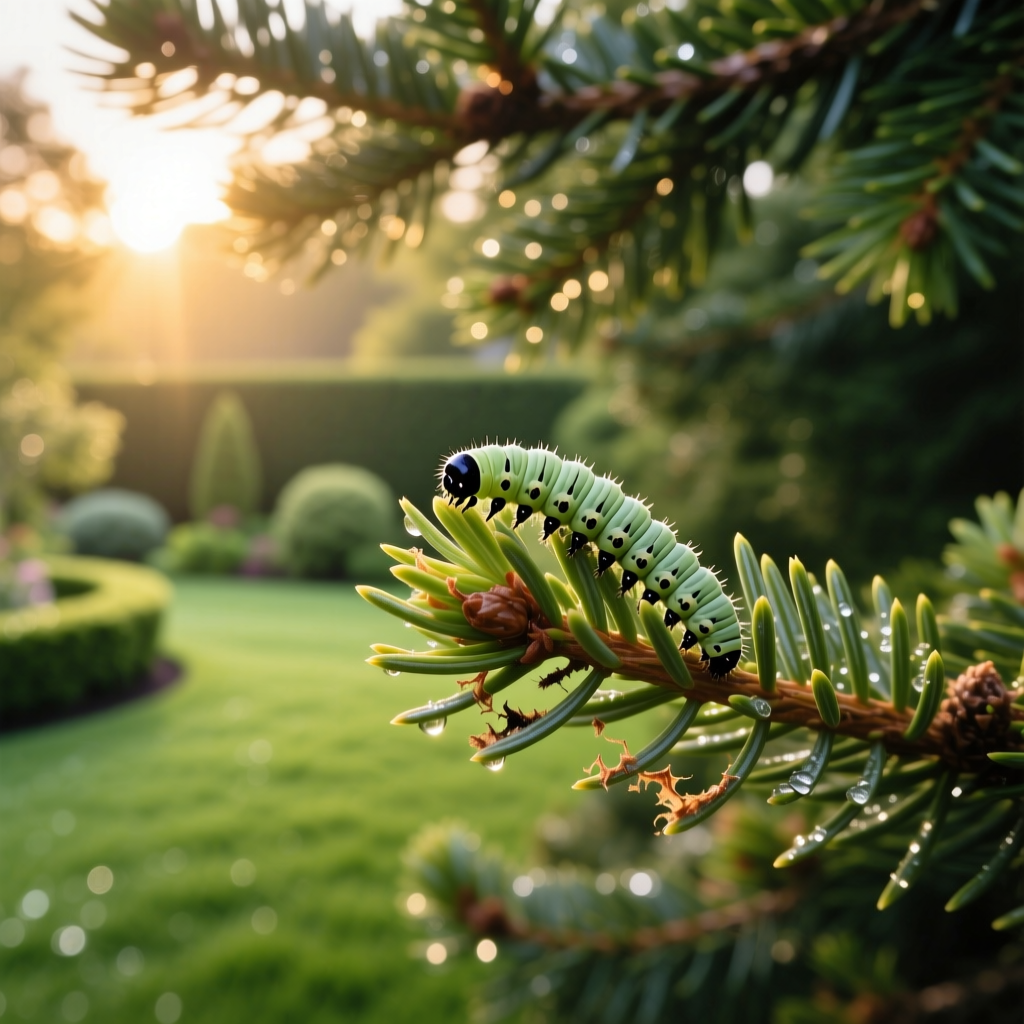
Identifying & Controlling Pine Sawfly Larvae on Ornamental Evergreens
Anna KowalskiPublished
Identifying & Controlling Pine Sawfly Larvae on Ornamental Evergreens
Ornamental evergreens are the backbone of many landscape designs, providing year-round structure, privacy, windbreaks, and vibrant color to residential and commercial properties. Whether you have carefully cultivated Mugo pines, stately Eastern White pines, or sprawling Scots pines, these resilient trees are generally low-maintenance. However, they are not immune to severe pest pressures. One of the most destructive and frequently misunderstood threats to ornamental evergreens is the pine sawfly larva. When left unchecked, these voracious feeders can strip a healthy tree of its needles in a matter of weeks, leading to severe stress, stunted growth, and in extreme cases, the death of the plant.
Despite their name and appearance, pine sawflies are neither true flies nor true caterpillars. They belong to the order Hymenoptera, making them distant relatives of wasps, bees, and ants. The adult sawfly resembles a small, stingless wasp, but it is the larval stage that poses the significant threat to your landscape. Because they look remarkably similar to the caterpillars of moths and butterflies, many gardeners mistakenly apply the wrong treatments, allowing the infestation to worsen. Understanding the biology, identification markers, and proper control methods for pine sawfly larvae is essential for maintaining a thriving, picturesque landscape. This comprehensive guide will walk you through everything you need to know about managing these deceptive pests.
How to Identify Pine Sawfly Larvae & Tree Damage
Accurate identification is the cornerstone of effective pest management. Pine sawfly larvae are often colloquially referred to as "pine caterpillars," but a closer inspection reveals distinct anatomical differences that separate them from the larvae of Lepidoptera (butterflies and moths). Sawfly larvae typically have a smooth, somewhat shiny body that can range in color from pale green to dark gray or black, often featuring distinct longitudinal stripes. Depending on the specific species, they may also exhibit contrasting head capsules, such as the striking reddish-orange head of the Redheaded Pine Sawfly.
The most reliable way to differentiate a sawfly larva from a true caterpillar is by counting their prolegs—the fleshy, unjointed legs on their abdomen. True caterpillars possess five or fewer pairs of prolegs. In contrast, sawfly larvae have six or more pairs of prolegs. Additionally, when disturbed, many species of pine sawfly larvae will exhibit a unique defensive posture: they rear back and raise their front and rear ends simultaneously, forming a distinctive "S" or "U" shape. Some species will even regurgitate a drop of toxic, foul-tasting fluid to deter predators.
Identifying the damage is equally important, especially in the early stages of an infestation. Young, early-instar sawfly larvae feed gregariously in clusters and typically engage in "window feeding." They consume the soft outer tissue of the pine needle while leaving the tough inner vascular bundle intact. This causes the affected needles to turn brown, curl, and wither, giving the tree a scorched appearance from a distance. As the larvae mature and grow larger, their appetites increase exponentially. Older larvae will consume the entire needle, starting from the tip and working their way down to the base. Severe infestations can lead to complete defoliation of entire branches or even the whole tree, leaving behind only the bare, woody twigs.
Common Species of Pine Sawflies
While there are numerous species of sawflies that target conifers, a few specific culprits are most commonly encountered in residential landscapes. Understanding which species you are dealing with can help you predict their behavior and time your interventions perfectly.
The European Pine Sawfly (Neodiprion sertifer): This is one of the most widespread and destructive species in North America. The larvae are dark grayish-green with distinct light and dark longitudinal stripes and a shiny black head. They typically emerge in early spring, feeding heavily on the older, inner needles of Scots, Mugo, and Red pines. Because they feed on older growth, the current year's new growth is often spared, but the aesthetic damage and stress to the tree are still significant.
The Redheaded Pine Sawfly (Neodiprion lecontei): Easily identified by their reddish-orange head capsules and yellowish-white bodies with black spots, these larvae usually appear later in the growing season, from mid-summer into early autumn. Unlike the European variety, Redheaded Pine Sawfly larvae prefer the current year's new growth and will readily attack a wide variety of pines, including Eastern White, Loblolly, and Shortleaf pines. Their preference for new growth can severely stunt the tree's seasonal development.
The Introduced Pine Sawfly (Diprion similis): This species often produces two generations per season, meaning landscapes can face pressure in both late spring and late summer. The larvae are yellowish with black spots and a black head. They are particularly fond of Eastern White pines and can cause rapid, devastating defoliation if their populations are allowed to boom unchecked.
Understanding the Pine Sawfly Life Cycle
To effectively combat any pest, you must understand its biology and life cycle. The pine sawfly undergoes complete metamorphosis, transitioning through four distinct life stages: egg, larva, pupa, and adult. The timing of these stages dictates when your control measures will be most effective.
Adult female sawflies emerge from the soil in the spring or early summer, depending on the species. Using their specialized, saw-like ovipositor (which gives them their common name), the females cut tiny slits into the edges of pine needles and deposit a single egg inside each slit. This process causes minor damage to the needle, often resulting in a slight twisting or browning at the insertion site, which can serve as an early warning sign of an impending infestation.
Once the eggs hatch, the larvae begin feeding immediately. They are highly social during their early developmental stages, clustering together on a single branch and stripping it bare before moving en masse to the next branch. This gregarious behavior makes them easier to spot and target with localized treatments. After feeding for several weeks and molting through multiple instars, the mature larvae drop to the ground. They spin tough, silken cocoons in the leaf litter or burrow into the top layers of the soil to pupate. Some species will overwinter in this prepupal stage, emerging as adults the following spring, while others may complete a second generation within the same growing season.
Preventative Measures to Protect Your Evergreens
The most effective pest control strategy begins long before the first larva hatches. A vigorous, healthy tree is naturally more resistant to pest outbreaks and can recover much faster from minor feeding damage. Implementing robust cultural practices is your first line of defense in protecting your ornamental evergreens.
Proper Watering and Mulching: Evergreens are susceptible to drought stress, which weakens their natural chemical defenses and makes them more attractive to foraging sawflies. Ensure your trees receive deep, infrequent watering during dry spells, aiming for about one inch of water per week. Apply a two-to-three-inch layer of organic mulch around the base of the tree to retain soil moisture and regulate temperature. However, avoid "volcano mulching"—piling mulch directly against the trunk—as this promotes rot and invites fungal pathogens. For more detailed guidance on maintaining optimal soil conditions, check out our comprehensive guide on tree and shrub fertilization.
Routine Monitoring: Early detection is critical. Incorporate tree inspections into your seasonal yard maintenance checklist. During the spring and early summer, visually inspect the older, inner needles of your pines for the characteristic browning and twisting associated with egg-laying. Look for the small, clustered groups of young larvae before they have a chance to spread throughout the canopy.
Encouraging Biodiversity: A diverse landscape supports a robust population of beneficial insects and predatory birds that naturally keep sawfly populations in check. Avoid the routine use of broad-spectrum synthetic pesticides, which indiscriminately kill beneficial predators like parasitic wasps, ground beetles, and insectivorous birds. By fostering a balanced ecosystem, you allow nature to do a significant portion of the pest control work for you.
DIY & Organic Treatment Solutions
If your monitoring efforts reveal an active infestation of pine sawfly larvae, swift action is required. Fortunately, because sawfly larvae are soft-bodied and relatively slow-moving, they are highly susceptible to a variety of organic and low-toxicity treatments, provided they are applied correctly and at the right time.
Mechanical Removal: For small, localized infestations on young or easily accessible trees, manual removal is highly effective and entirely chemical-free. Because early-instar larvae feed in dense clusters, you can often prune out the affected branch tips and destroy them. Alternatively, wear a pair of gardening gloves and knock the larvae off the branches into a bucket filled with water and a few drops of liquid dish soap. The soap breaks the surface tension of the water, ensuring the larvae sink and drown quickly.
Insecticidal Soaps and Horticultural Oils: These are excellent, low-impact options for managing sawfly larvae. Insecticidal soaps work on contact by penetrating the soft cuticle of the larva, causing rapid dehydration and death. Horticultural oils work similarly by smothering the insects. Because these products have no residual activity, they must be applied directly to the pests. Thorough coverage is essential; you must spray the upper and lower surfaces of the needles, as well as the branches where larvae tend to hide. To learn more about eco-friendly sprays, explore our resource on natural pest control methods.
Neem Oil: Derived from the seeds of the neem tree, this organic compound acts as an antifeedant, growth regulator, and contact insecticide. When larvae ingest neem-treated foliage, it disrupts their hormonal systems, preventing them from molting and eventually leading to death. Neem oil is best applied in the early evening to prevent phototoxicity (leaf burn) and to avoid harming daytime pollinators.
Spinosad: For heavier infestations where soaps and oils fall short, Spinosad is a highly effective organic option. Derived from a naturally occurring soil bacterium, Spinosad causes rapid nervous system failure in chewing insects. It is safe for use around humans and pets once it has dried and is highly effective against sawfly larvae. However, it is toxic to bees while wet, so always apply Spinosad sprays in the late evening when pollinators are no longer active.
When to Call Professional Pest Control Services
While DIY and organic methods are highly effective for small trees and minor infestations, there are scenarios where professional intervention becomes necessary. If you are dealing with mature, towering pines, achieving the thorough canopy coverage required for contact sprays like insecticidal soap is virtually impossible without commercial-grade high-pressure spraying equipment.
Furthermore, if an infestation is severe, widespread, or if the tree has already suffered significant defoliation, time is of the essence. Professional arborists and pest control experts have access to advanced systemic insecticides, such as those containing dinotefuran or imidacloprid. These products are applied as soil drenches or trunk injections. The tree's vascular system absorbs the active ingredient and translocates it to the needles. When the sawfly larvae feed on the treated foliage, they ingest the toxin and die. Systemic treatments offer long-lasting residual control and are entirely unaffected by rain or wind, making them ideal for protecting high-value specimen trees or managing outbreaks across large properties.
If you are unsure about the extent of the damage or the proper identification of the pest, consulting a certified arborist is always a wise investment. They can accurately assess the tree's overall health, recommend the most appropriate treatment protocol, and help you integrate a long-term management strategy. For a broader overview of landscape threats, review our guide to common lawn and garden pests.
Frequently Asked Questions
Will pine sawfly larvae kill my tree?
A single, minor infestation of pine sawfly larvae is unlikely to kill a mature, healthy evergreen. However, the stress caused by defoliation forces the tree to expend valuable energy reserves to push out new growth, which can severely stunt its development and make it highly vulnerable to secondary pests, such as pine bark beetles, and environmental stressors like winter desiccation. If a tree is completely defoliated for two or more consecutive seasons, the cumulative stress can indeed lead to the death of the tree. Young, newly transplanted pines are at a much higher risk of mortality from even a single severe outbreak.
Are pine sawflies harmful to humans or pets?
No, pine sawflies are completely harmless to humans, dogs, cats, and other domestic pets. Despite their relation to wasps and bees, adult sawflies do not possess stingers, and the larvae do not bite. While some larvae may regurgitate a defensive fluid that tastes bitter to deter birds, this substance is not toxic to mammals. You can safely handle the larvae or work in an infested area without fear of envenomation or allergic reactions, though wearing standard gardening gloves is always recommended to protect your skin from the sharp pine needles.
What is the difference between a sawfly larva and a caterpillar?
While they look remarkably similar, the easiest way to tell them apart is by examining their abdominal prolegs. True caterpillars (the larvae of butterflies and moths) have five or fewer pairs of fleshy prolegs. Sawfly larvae, on the other hand, possess six or more pairs of prolegs. Additionally, true caterpillars often have tiny, microscopic hooks called crochets on the ends of their prolegs to help them grip surfaces, whereas sawfly larvae lack these hooks entirely. Behaviorally, many sawfly larvae will also rear up into an "S" shape when threatened, a defense mechanism rarely seen in true caterpillars.
Can I use Bt (Bacillus thuringiensis) on pine sawflies?
No, Bt (Bacillus thuringiensis var. kurstaki) is completely ineffective against pine sawfly larvae. Bt is a naturally occurring soil bacterium that produces proteins which are highly toxic to the specific alkaline digestive systems of true caterpillars (Lepidoptera). Because sawflies belong to a completely different insect order (Hymenoptera) and possess a different digestive tract chemistry, the Bt proteins do not affect them. Using Bt on a sawfly infestation will result in wasted time, money, and continued tree damage. Always opt for insecticidal soaps, Spinosad, or horticultural oils for organic sawfly control.
How often should I inspect my evergreens for sawflies?
During the active growing seasons—specifically mid-spring through early summer, and again in late summer for species with multiple generations—you should visually inspect your ornamental evergreens at least once a week. Pay close attention to the older, inner needles for signs of browning, twisting, or the presence of small, clustered larvae. Routine inspection is especially critical if you have had a sawfly problem in previous seasons, as the adult females often return to the same general area to lay their eggs. Catching the larvae in their early, clustered instars makes management significantly easier and prevents widespread defoliation.

