
Pest Control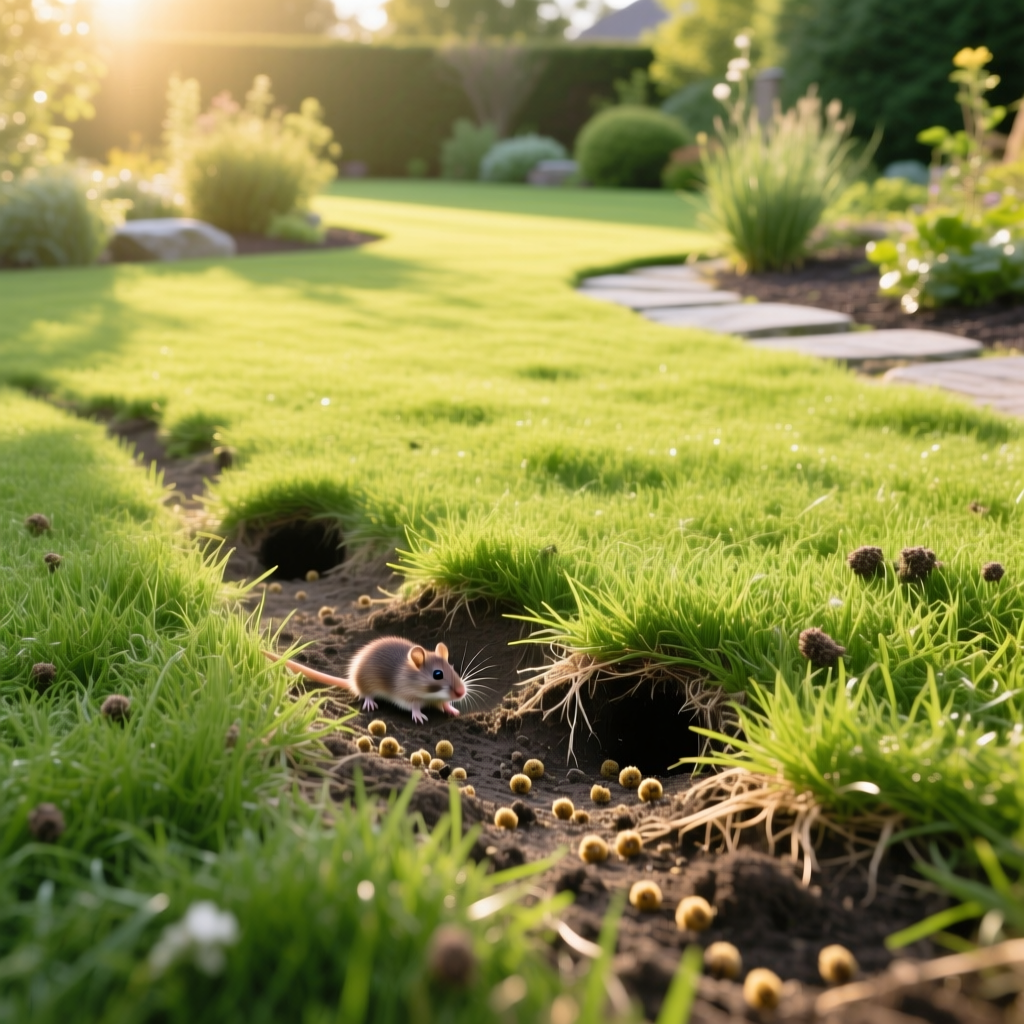
Identifying & Controlling Vole Damage in Lawns & Garden Beds
David ParkPublished
Identifying & Controlling Vole Damage in Lawns & Garden Beds
There are few things more frustrating for a dedicated gardener or homeowner than waking up to discover that a pristine lawn or carefully cultivated garden bed has been destroyed overnight. While many pests can wreak havoc on your landscaping, voles are among the most prolific and damaging. Often mistaken for mice or moles, voles are small, stout rodents that can cause extensive damage to turfgrass, ornamental plants, and even the bark of young trees.
Voles, sometimes referred to as meadow mice, belong to the genus Microtus. They feature stocky bodies, short tails, small ears, and blunt snouts. Unlike moles, which primarily feast on soil-dwelling insects and grubs, voles are voracious herbivores. They consume a wide variety of vegetation, including grass roots, flower bulbs, agricultural crops, and the tender inner bark of shrubs and trees. Because they are active year-round and breed rapidly, a small vole problem can quickly escalate into a full-blown infestation if left unchecked.
Understanding how to identify the signs of vole activity, implement proactive prevention strategies, and deploy effective control methods is essential for maintaining a healthy, vibrant landscape. This comprehensive guide will walk you through everything you need to know about identifying and controlling vole damage in your lawns and garden beds.
How to Identify Vole Damage in Your Yard
Before you can effectively control a pest, you must accurately identify it. Vole damage presents distinct characteristics that separate it from the damage caused by other common burrowing animals. Learning to read the signs in your landscape is the first step toward reclaiming your yard.
Surface Runways and Clipped Grass
The most telltale sign of a vole infestation is the presence of surface runways. These are narrow, well-defined paths, typically one to two inches wide, that weave through your lawn and garden beds. Voles create these runways by constantly traveling the same routes, clipping the grass at the base as they move. You will often find these runways hidden beneath low-lying vegetation, mulch, or leaf litter, as voles prefer to travel under cover to avoid predators like hawks and owls.
Gnaw Marks on Bark and Roots
Voles are notorious for girdling trees and shrubs, especially during the winter months when other food sources are scarce. Girdling occurs when voles chew away the inner bark (cambium layer) completely around the base of a tree or shrub, effectively cutting off its nutrient supply and killing the plant. Look for distinct gnaw marks on the lower trunk or exposed roots. Vole teeth marks appear as parallel grooves that are roughly 1/16 of an inch wide. If you notice sudden wilting or dieback in your ornamental trees, inspect the base of the trunk immediately.
Burrow Openings Without Mounds
While voles do dig underground burrows for nesting and food storage, their tunnel entrances look very different from those of moles or gophers. Vole burrow openings are typically about 1.5 inches in diameter and are usually found near the base of trees, within dense ground cover, or at the end of a surface runway. Crucially, voles do not push soil up to the surface when they dig; therefore, you will not see dirt mounds around their holes.
Distinguishing Voles from Moles and Gophers
Misidentifying the pest can lead to wasted time and ineffective treatments. It is vital to know the difference between these common turf destroyers:
- Voles: Leave surface runways, eat plant matter, and leave no dirt mounds. Holes are small and clean.
- Moles: Leave raised, volcano-shaped dirt mounds and raised ridges of soil across the lawn. They eat insects and grubs, not plants. For more information, read our guide on getting rid of moles.
- Gophers: Leave large, crescent-shaped or horseshoe-shaped dirt mounds with a plugged hole on one side. They eat roots and pull entire plants down into their tunnels.
Sudden Plant Decline
In garden beds, vole damage often manifests as the sudden, unexplained decline of your favorite plants. Because voles eat roots and bulbs from the bottom up, a plant that looks perfectly healthy one day may suddenly collapse the next. If you gently tug on a wilting hosta, tulip, or crocus and it pulls out of the ground with no roots attached, you almost certainly have voles operating beneath the soil surface.
Proven Prevention Strategies for Lawns & Gardens
The most effective way to manage vole damage is to make your property as uninviting to them as possible. Voles seek environments that provide ample food and protective cover. By modifying their habitat, you can drastically reduce the likelihood of an infestation.
Habitat Modification and Lawn Care
Voles are agoraphobic; they hate crossing open, exposed spaces where they are vulnerable to aerial predators. Keeping your lawn well-maintained is your first line of defense. Practice proper mowing techniques to keep your grass at an optimal height, preventing it from becoming overgrown and providing a safe haven for voles. Additionally, keep the edges of your lawn trimmed, and remove piles of leaf litter, brush, and heavy weeds where voles might establish nesting sites.
Smart Mulching Techniques
Mulch is excellent for retaining soil moisture and suppressing weeds, but it is also a vole's best friend. A thick layer of mulch provides the perfect protective canopy for voles to travel and feed undetected. To protect your trees and shrubs, practice the "donut" mulching method. Keep mulch at least three to six inches away from the base of tree trunks and shrub stems. Never pile mulch in a "volcano" shape against the bark, as this invites voles to chew on the trunk while hidden beneath the material.
Installing Physical Barriers
For high-value plants, young orchard trees, or vulnerable garden beds, physical barriers are highly effective. Use 1/4-inch galvanized hardware cloth to create a cylinder around the base of trees and shrubs. The cylinder should be buried at least six inches deep into the soil to prevent voles from digging underneath it, and it should extend 12 to 18 inches above the ground to protect against winter snow lines. For raised garden beds, line the bottom with hardware cloth before adding soil to prevent voles from tunneling up into your vegetable crops.
Choosing Vole-Resistant Plants
If you live in an area with a high native vole population, consider adapting your garden design. While no plant is entirely vole-proof, these rodents have strong preferences and tend to avoid plants with strong scents, toxic properties, or tough, fibrous roots. When protecting your landscaping, incorporate vole-resistant plants such as:
- Daffodils and Narcissus
- Alliums and Ornamental Onions
- Hellebores
- Salvia
- Lamb's Ear
- Crown Imperial (Fritillaria imperialis)
Conversely, if you are battling voles, you may want to limit your planting of their favorite snacks, including hostas, tulips, crocus, daylilies, and root vegetables like carrots and potatoes.
Effective DIY Vole Control Solutions
If prevention methods are not enough and voles have already established themselves in your yard, it is time to take direct action. There are several DIY control methods that can effectively reduce vole populations when applied correctly and consistently.
Trapping: The Most Reliable DIY Method
Trapping is widely considered the most effective and environmentally friendly way to control voles in a residential setting. Standard wooden snap traps (the same ones used for house mice) work exceptionally well.
- Placement: Set the traps directly inside the active surface runways. Position the trigger end of the trap so that it sits directly in the path the vole is traveling.
- Baiting: Voles are attracted to a variety of foods. A mixture of peanut butter & oats is highly effective. Apple slices, sunflower seeds, and small pieces of root vegetables also work well.
- Protection: To protect birds, pets, and beneficial wildlife, cover the traps with a small cardboard box, a PVC pipe, or a specialized trap cover. Cut a small hole in the side of the box to allow the vole to enter while keeping larger animals out.
- Volume: Voles breed rapidly, so a single trap will not solve the problem. Set multiple traps along the most active runways and check them daily.
Using Repellents
Repellents can be a useful supplementary tool, particularly for protecting specific garden beds or the bases of young trees. Most commercial vole repellents rely on castor oil, capsaicin (the active component in hot peppers), or thiram (a fungicide that tastes foul to rodents).
Castor oil-based repellents work by making the soil and roots unpalatable and irritating the vole's digestive tract, prompting them to relocate. These must be watered into the soil to be effective. Capsaicin sprays can be applied directly to the foliage and bark of plants. However, repellents must be reapplied frequently, especially after heavy rainfall or irrigation, and they are generally less effective when vole populations are high and food sources are scarce.
Encouraging Natural Predators
Nature provides its own pest control services. Encouraging natural predators to visit your property can help keep vole populations in check over the long term. Barn owls, hawks, and kestrels are prolific vole hunters. Installing a barn owl box or a raptor perch in an open area of your property can attract these beneficial birds. Additionally, non-venomous snakes and outdoor cats are highly effective at hunting voles in the garden.
The Risks of Toxic Baits
While rodenticide baits are available at many garden centers, they should be used as an absolute last resort and with extreme caution. Toxic baits pose a severe risk of secondary poisoning to pets, birds of prey, and other non-target wildlife that may eat a poisoned vole. If you choose to use baits, they must be placed inside secure, tamper-resistant bait stations that are specifically designed to prevent access by children, cats & dogs. Always read and follow the manufacturer's label instructions meticulously.
Repairing Vole Damage in Your Landscape
Once the vole population is under control, you will need to address the physical damage left behind. Restoring your lawn and garden beds requires patience and the right techniques.
Restoring Turfgrass
Vole runways can make a lawn look unsightly, but the damage to the grass is usually superficial. Because voles clip the grass at the base but rarely destroy the entire root system of the turf, the lawn can often recover on its own with a little help. Rake the runways vigorously to remove dead grass and loosen the soil. Apply a thin layer of topsoil or compost, and overseed the bare patches with a grass seed blend that matches your existing lawn. Keep the area well-watered until the new seed germinates. For more extensive damage, consult our guide on repairing damaged turf.
Saving Girdled Trees
If a vole has partially girdled a tree, the tree may survive if you act quickly. Clean the chewed area with a sterilized knife to remove ragged bark edges, which helps the tree callus over the wound. Keep the tree well-watered and fertilized to reduce stress. If the tree has been completely girdled (the bark is removed all the way around the trunk), it will likely die unless a professional arborist can perform a "bridge graft" to reconnect the nutrient flow above and below the damaged area.
When to Call Professional Pest Control Services
While DIY methods are highly effective for minor to moderate infestations, there are situations where enlisting the help of a licensed pest control professional is the most practical and cost-effective solution.
Severe Infestations: Voles can produce multiple litters per year, with each litter containing up to eight pups. If your yard is heavily cratered and surface runways cover the entire property, the population may be too large for snap traps to manage effectively. Professionals have access to commercial-grade fumigation equipment and specialized carbon monoxide machines that can safely and humanely eliminate entire burrow systems without the use of toxic poisons.
High-Value Landscaping: If you maintain an expensive orchard, a prized collection of rare ornamental trees, or a high-end commercial landscape, the cost of losing even a few plants far outweighs the cost of professional pest management. Professionals can design and implement comprehensive, long-term integrated pest management (IPM) plans tailored to your specific property.
Failed DIY Attempts: If you have spent weeks setting traps and applying repellents with no noticeable reduction in vole activity, it is time to call in the experts. A professional can accurately assess the situation, identify the main nesting colonies, and deploy advanced control methods that are not available to the general public. Browse our pest control resources for more information on managing difficult yard pests.
Frequently Asked Questions About Voles
Do voles hibernate in the winter?
No, voles do not hibernate. They remain active year-round. In fact, winter is often when voles cause the most severe damage to trees and shrubs. Because their usual food sources (grass and herbaceous plants) are dormant or covered in snow, they turn to chewing on the bark and roots of woody plants. The snow cover also provides them with a protective blanket, hiding them from predators while they tunnel freely across your lawn.
Will voles eat my vegetable garden?
Yes, voles can be devastating to vegetable gardens, particularly root crops. They love to feast on carrots, potatoes, beets, radishes, and turnips. They will also eat the tender stems and leaves of above-ground crops like lettuce and spinach. To protect your vegetable garden, line the bottom of your raised beds with 1/4-inch hardware cloth before filling them with soil, and use wire mesh cages around vulnerable plants.
How deep do voles dig their tunnels?
The depth of vole tunnels varies depending on the species, soil type, and the purpose of the tunnel. Surface runways and shallow feeding tunnels are usually just beneath the soil surface or directly on top of it. However, nesting chambers and food storage caches can be dug much deeper, sometimes reaching 12 to 18 inches below the surface, especially in regions with cold winters where they need to get below the frost line.
Are voles dangerous to humans or pets?
Voles are generally shy and will flee when approached by humans or pets. They rarely bite unless they are cornered or handled directly. However, like all wild rodents, voles can carry parasites such as fleas, ticks, and mites, which can be transmitted to your pets. They can also carry diseases, though they are not known to be primary vectors for rabies. It is always best to avoid handling voles with bare hands and to wear gloves when disposing of trapped animals.
What is the fastest way to get rid of voles?
The fastest and most reliable way to eliminate an active vole problem is through an aggressive trapping campaign combined with immediate habitat modification. Setting dozens of baited snap traps along active runways and checking them twice daily will rapidly reduce the population. Simultaneously, mow your lawn short, remove heavy mulch, and clear away debris to eliminate their protective cover, forcing the remaining voles to either leave or fall prey to natural predators.

