Pest Control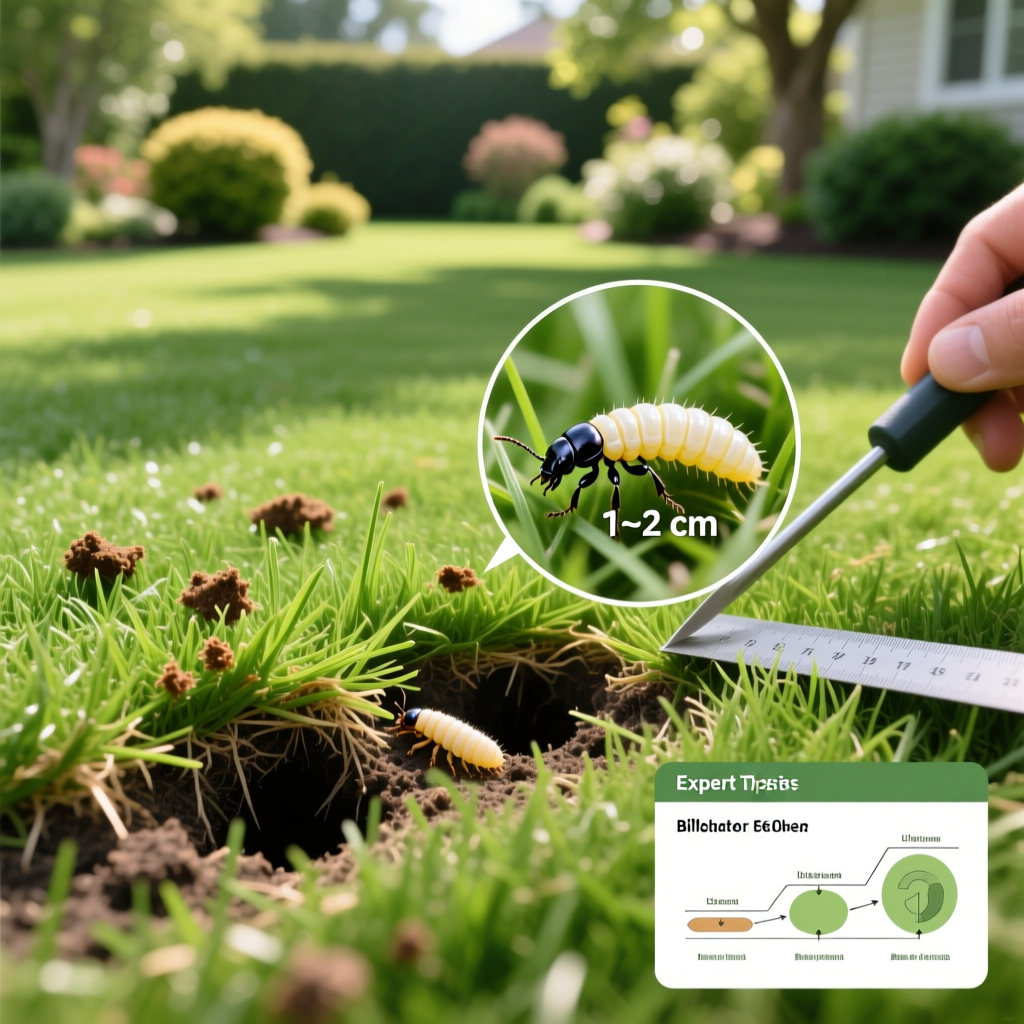
Identifying & Managing Billbug Damage in Residential...
Mike RodriguezPublished
Identifying & Managing Billbug Damage in Residential Turfgrass
Every homeowner who takes pride in a lush, green lawn knows the frustration of watching patches of turf turn brown and die for no apparent reason. You water regularly, mow at the right height, and fertilize on schedule — yet stubborn dead spots keep appearing. If this sounds familiar, you may be dealing with one of the most destructive yet frequently misdiagnosed lawn pests in North America: the billbug.
Billbugs are a type of weevil belonging to the genus Sphenophorus. These small, snout-nosed beetles wreak havoc on residential turfgrass from the inside out. Adult females lay eggs inside grass stems, and the resulting larvae — small, legless, cream-colored grubs — hollow out the crown and roots of your grass as they feed. Because the damage occurs below the surface and mimics symptoms of drought stress, fungal disease, and other common lawn problems, billbug infestations often go undetected until significant damage has already occurred.
Understanding how to identify billbug activity early, implement preventative lawn care strategies, and apply targeted treatments when necessary is essential for protecting your turfgrass investment. This comprehensive guide walks you through everything you need to know about identifying and managing billbug damage in residential lawns.
How to Identify Billbugs & Recognize Damage in Your Lawn
Accurate identification is the first and most critical step in any pest management strategy. Misdiagnosing a billbug problem as a watering issue or a fungal disease will lead you down the wrong treatment path entirely, wasting time and money while the infestation worsens. Here is what you need to look for.
Identifying the Insect
Adult billbugs are relatively small, typically measuring between one-quarter and one-half inch in length. They have a distinctive elongated snout (rostrum) that gives them their common name — the front of their head looks like a tiny bill or beak. Their bodies are usually dark brown, gray, or nearly black, and they have a hard, somewhat cylindrical exoskeleton. When disturbed, adults often play dead, pulling their legs close to their body and remaining motionless.
The larvae are arguably the more destructive life stage. Billbug larvae are legless, C-shaped grubs with cream-colored bodies and distinct brown head capsules. They range from one-eighth to three-eighths of an inch long depending on their maturity. Unlike white grubs (which also damage lawns), billbug larvae lack legs entirely — this is a key distinguishing feature.
Recognizing Turfgrass Damage
Billbug damage follows a predictable pattern that, once you know what to look for, becomes easier to spot:
- Early signs: Small, irregular patches of grass that appear wilted or drought-stressed despite adequate watering. The grass may take on a bluish-gray tint before turning straw-brown.
- Progressive damage: Patches expand and merge as larvae continue feeding. The affected turf feels spongy underfoot and can often be pulled up easily because the root system has been severed.
- The tug test: Grasp a handful of damaged grass and pull gently. If it lifts away from the soil with little resistance and you see sawdust-like frass (insect excrement) at the base of the stems, billbugs are almost certainly the culprit.
- Stem inspection: Pull individual grass tillers from the affected area and examine the lower stem. Billbug larvae bore into the stem, hollowing it out from the inside. You may find a small, round exit hole near the base of the stem or a larva still feeding inside.
- Seasonal timing: Damage typically becomes visible in late spring through midsummer, corresponding with peak larval feeding activity. However, some species cause damage in early fall as well.
Common Species Affecting Residential Lawns
Several billbug species target residential turfgrass across different regions. The Hunting billbug (Sphenophorus venatus) is the most widespread and commonly attacks zoysiagrass and bermudagrass in warm-season turf regions. The Bluegrass billbug (Sphenophorus parvulus) primarily targets Kentucky bluegrass in cool-season lawns. The Denver billbug and Phoenix billbug are regionally significant in the western United States. Regardless of species, the damage symptoms and management strategies remain largely the same.
For a deeper understanding of how to maintain healthy turf that resists pest pressure, explore our complete lawn care guides covering mowing, watering, and soil health fundamentals.
Preventing Billbug Infestations Through Proactive Lawn Care
As with most lawn pests, prevention is far more effective and affordable than trying to cure an established infestation. Billbugs are opportunistic — they target lawns that are already stressed, poorly maintained, or planted with susceptible grass varieties. By building a resilient turf ecosystem, you dramatically reduce the likelihood of a billbug problem taking hold.
Choose Resistant Turfgrass Varieties
Not all grasses are equally attractive to billbugs. If you live in an area where billbugs are a known problem, consider incorporating endophyte-enhanced grass varieties into your lawn. Endophytes are naturally occurring fungi that live within grass tissue and produce compounds that deter insect feeding. Several modern cultivars of perennial ryegrass, tall fescue, and fine fescue contain beneficial endophytes that provide significant resistance against billbug larvae.
For warm-season lawns, certain zoysiagrass and bermudagrass cultivars have demonstrated better tolerance to billbug feeding. Consult your local cooperative extension office or our grass types guide to identify the best varieties for your region.
Maintain Optimal Lawn Health
A thick, vigorously growing lawn is your best defense against billbug damage. Healthy turf can tolerate a certain level of insect feeding without showing visible symptoms, and it recovers much faster from any damage that does occur. Focus on these core practices:
- Proper mowing: Never remove more than one-third of the grass blade in a single mowing. Taller grass develops deeper root systems that are more resilient to pest damage. Visit our mowing tips guide for species-specific height recommendations.
- Deep, infrequent watering: Water your lawn deeply but less frequently to encourage deep root growth. Shallow, frequent watering keeps roots near the surface where billbug larvae are most active. Learn more in our watering guide.
- Balanced fertilization: Avoid excessive nitrogen applications, which promote rapid, succulent growth that attracts billbugs. Use slow-release nitrogen sources and follow soil test recommendations. Our fertilizing guide covers seasonal feeding schedules in detail.
- Core aeration: Annual aeration reduces soil compaction, improves water infiltration, and encourages deeper root development — all of which contribute to a lawn that can better withstand pest pressure.
- Thatch management: A thatch layer exceeding one-half inch provides an ideal habitat for adult billbugs to hide and lay eggs. Dethatch your lawn as needed and maintain proper soil biology to keep thatch levels in check.
Monitor Your Lawn Regularly
Establish a routine of walking your lawn at least once a week during the growing season. Look for early warning signs such as small brown patches, unusual wilting, or increased bird activity (birds foraging on your lawn may indicate an insect population below the surface). Early detection gives you a much wider window for effective intervention.
You can also use a simple monitoring technique: place a piece of dark cloth or cardboard on the lawn near the edge of a damaged area in the evening. Check it the following morning — adult billbugs seeking shelter may congregate underneath, giving you a visual confirmation of their presence.
DIY Solutions for Managing Billbug Damage
If you have confirmed a billbug infestation in your lawn, there are several effective do-it-yourself approaches you can take before resorting to professional pest control services. The key is timing your interventions to target the most vulnerable life stages of the insect.
Understanding the Billbug Life Cycle
Effective treatment depends on understanding when billbugs are most susceptible. In most regions, adult billbugs become active in early spring when soil temperatures reach approximately 65°F. They mate, and females use their snouts to chew small holes in grass stems near the crown, depositing eggs inside. Eggs hatch within one to two weeks, and the larvae immediately begin feeding inside the stem, eventually moving down to feed on the crown and roots.
Larval feeding continues for several weeks through early to midsummer. Mature larvae then pupate in the soil, and a new generation of adults emerges in late summer or early fall. Some species produce two generations per year in warmer climates. The critical treatment window is early in the larval stage, when the grubs are small and still feeding inside or near the stem — before they move deeper and cause extensive root damage.
Cultural Controls
Before reaching for chemical products, consider these cultural management strategies:
- Overseeding with resistant varieties: If your lawn has a history of billbug problems, overseed damaged areas with endophyte-enhanced grass seed. This gradually replaces susceptible grass with pest-resistant varieties. Check out our overseeding guide for step-by-step instructions.
- Promoting beneficial organisms: Encourage natural predators such as ground beetles, ants, and birds that feed on billbug adults and larvae. Avoid broad-spectrum insecticides that kill these beneficial insects along with the pests.
- Improving drainage: Billbugs tend to thrive in lawns with compacted, poorly drained soil. Addressing drainage issues through aeration and topdressing can make your lawn less hospitable to these pests.
Biological Controls
Several biological control options are available to homeowners who prefer a more natural approach:
- Beneficial nematodes: Entomopathogenic nematodes, particularly species in the genera Steinernema and Heterorhabditis, are microscopic worms that infect and kill billbug larvae in the soil. Apply them when larvae are actively feeding (typically late spring to early summer) and irrigate the lawn lightly afterward to help the nematodes move into the soil profile. Nematodes are most effective when soil temperatures are between 60°F and 85°F and the soil remains moist for several days after application.
- Beauveria bassiana: This naturally occurring entomopathogenic fungus infects adult billbugs and can be applied as a biological insecticide. It works best as a preventative treatment applied when adults are active in spring.
Chemical Controls for Homeowners
When cultural and biological methods are insufficient, targeted chemical treatments can effectively control billbug populations. Always read and follow the product label — the label is the law.
- Preventative insecticides: Products containing active ingredients such as imidacloprid, clothianidin, or chlorantraniliprole can be applied in spring (around the time adult billbugs are first observed) to target eggs and young larvae before they cause significant damage. These systemic products are absorbed by the grass and kill larvae as they feed on treated tissue.
- Curative insecticides: If you discover an active infestation with visible larval damage, products containing trichlorfon or carbaryl can provide faster knockdown of existing larvae. These contact insecticides work more quickly than preventatives but may require repeat applications.
- Application timing: For preventative treatments, apply insecticides in mid-to-late spring when adult billbugs are active and laying eggs. For curative treatments, apply as soon as damage is detected, typically in early to midsummer. Water the product into the soil according to label directions to move the active ingredient into the zone where larvae are feeding.
After treating a billbug infestation, focus on lawn repair and recovery to help your turfgrass fill in damaged areas quickly. Proper post-treatment care includes light fertilization, consistent watering, and overseeding bare patches.
When to Call a Professional for Billbug Control
While many billbug infestations can be managed with diligent DIY efforts, there are situations where professional intervention is the wisest choice. Recognizing these scenarios can save you time, money, and the heartbreak of losing large sections of your lawn.
Signs You Need Professional Help
- Widespread damage: If more than 25 to 30 percent of your lawn shows signs of billbug damage, the infestation has likely progressed beyond what over-the-counter products can handle effectively. Licensed pest control professionals have access to commercial-grade products and application equipment that provide more thorough coverage and faster results.
- Recurring infestations: If billbugs return year after year despite your best preventative efforts, a professional can conduct a thorough assessment of your lawn's conditions and develop a customized, long-term integrated pest management (IPM) plan. They can identify underlying factors — such as soil issues, improper grass selection, or neighboring properties serving as reservoirs — that perpetuate the problem.
- Uncertain diagnosis: Billbug damage is frequently confused with damage caused by other lawn pests such as white grubs, chinch bugs, and sod webworms, as well as fungal diseases like dollar spot or brown patch. A professional can accurately diagnose the problem and ensure you are treating the right pest with the right product at the right time.
- Large properties: Treating a large lawn evenly and at the correct application rate requires specialized equipment. Professionals can ensure uniform coverage that maximizes efficacy while minimizing environmental impact.
What to Expect from Professional Treatment
A reputable lawn care or pest control company will typically begin with a thorough inspection of your property to confirm the presence of billbugs and assess the extent of the damage. They will then recommend a treatment plan that may include a combination of curative insecticide applications, preventative treatments for the following season, and cultural recommendations to strengthen your lawn's natural defenses.
Many companies offer seasonal lawn care programs that bundle pest management with fertilization, aeration, and weed control services. These programs can be cost-effective for homeowners who want comprehensive, year-round lawn health management. Be sure to ask about the specific products they use, their environmental safety profile, and any precautions you need to take regarding children, pets, and wildlife after treatment.
Choosing a Qualified Professional
When selecting a pest control provider, look for companies that are licensed and insured, employ certified applicators, and follow integrated pest management principles. Ask for references, read reviews, and request a detailed written estimate before committing to any treatment plan. A good professional will educate you about the problem and involve you in the decision-making process rather than simply spraying chemicals and leaving.
Frequently Asked Questions About Billbugs
How can I tell the difference between billbug damage and grub damage?
Both billbugs and white grubs damage turfgrass roots, but the signs are distinct. Billbug larvae are legless, cream-colored grubs found inside or very close to grass stems, and they produce a fine, sawdust-like frass at the base of damaged plants. When you pull up billbug-damaged grass, the stems break off at the crown and you may see hollowed-out stems. White grubs, on the other hand, have legs, are typically larger, and feed on roots deeper in the soil. Grub-damaged turf can be rolled back like a carpet because the entire root system has been severed. Additionally, grub damage often attracts animals like skunks and raccoons that dig up the lawn to feed on the grubs — this secondary damage is less common with billbugs.
Will my lawn recover from billbug damage on its own?
Mild billbug damage can recover if the infestation is controlled promptly and the lawn receives proper aftercare. Healthy, vigorously growing turfgrass can spread laterally through rhizomes and stolons to fill in small damaged patches within a few weeks. However, severe damage where large areas of turf have been killed will not recover without intervention. In these cases, you will need to rake out dead material, loosen the soil, and overseed or lay new sod. Applying a starter fertilizer and maintaining consistent moisture will accelerate the recovery process. For detailed recovery steps, refer to our lawn repair guide.
Are billbugs harmful to humans or pets?
No. Billbugs do not bite, sting, or transmit diseases to humans or pets. They are exclusively plant-feeding insects that pose no direct health threat. The only concern they present is cosmetic and structural damage to your lawn. That said, if you are applying chemical insecticides to treat a billbug infestation, always follow the label instructions regarding re-entry times and keep children and pets off treated areas until the product has dried or been watered in as directed.
What grass types are most susceptible to billbug damage?
Kentucky bluegrass is among the most susceptible cool-season grasses, making it a primary target for the bluegrass billbug. In warm-season turf regions, zoysiagrass and bermudagrass are frequently attacked by the Hunting billbug. Perennial ryegrass and fine fescues can also be affected, though endophyte-enhanced varieties of these grasses show significantly better resistance. Tall fescue tends to be somewhat less attractive to billbugs due to its deeper root system and coarser texture. If you are establishing a new lawn or renovating an existing one in a billbug-prone area, selecting resistant cultivars is one of the most impactful long-term decisions you can make. Browse our grass types section to compare options for your climate.
How often should I treat my lawn for billbugs?
Treatment frequency depends on the severity of the infestation, your local climate, and the products you are using. In most cases, a single well-timed preventative application in spring is sufficient to protect your lawn for the entire season. Products containing chlorantraniliprole, for example, can provide season-long control with one application. If you are dealing with a species that produces two generations per year, a second application in late summer may be warranted. Curative treatments applied during active infestations may need to be repeated in two to three weeks if the first application does not fully eliminate the larvae. Rather than treating on a fixed calendar schedule, the best approach is to monitor your lawn regularly and treat only when monitoring indicates a threshold level of pest activity. This integrated pest management approach reduces unnecessary pesticide use and saves money over time.
Final Thoughts on Billbug Management
Billbugs are a formidable lawn pest, but they are far from unbeatable. By learning to recognize the early signs of damage — the subtle wilting, the hollowed stems, the sawdust-like frass — you give yourself the advantage of early intervention. Combine vigilant monitoring with sound lawn care practices like proper mowing, deep watering, balanced fertilization, and the use of resistant grass varieties, and you create an environment where billbugs struggle to establish damaging populations.
When infestations do occur, you have a range of effective tools at your disposal, from biological controls like beneficial nematodes to targeted insecticide applications. And when the problem exceeds your capacity to manage it, qualified lawn care professionals are ready to step in with commercial-grade solutions and long-term management plans.
Your lawn is a living ecosystem that rewards consistent, informed care. Stay proactive, stay observant, and do not let billbugs — or any other pest — undermine the beautiful turfgrass you have worked so hard to cultivate. For more expert guidance on keeping your lawn healthy and pest-free, explore the full library of pest control resources and lawn care guides available at Lawns Guide.
