
Pest Control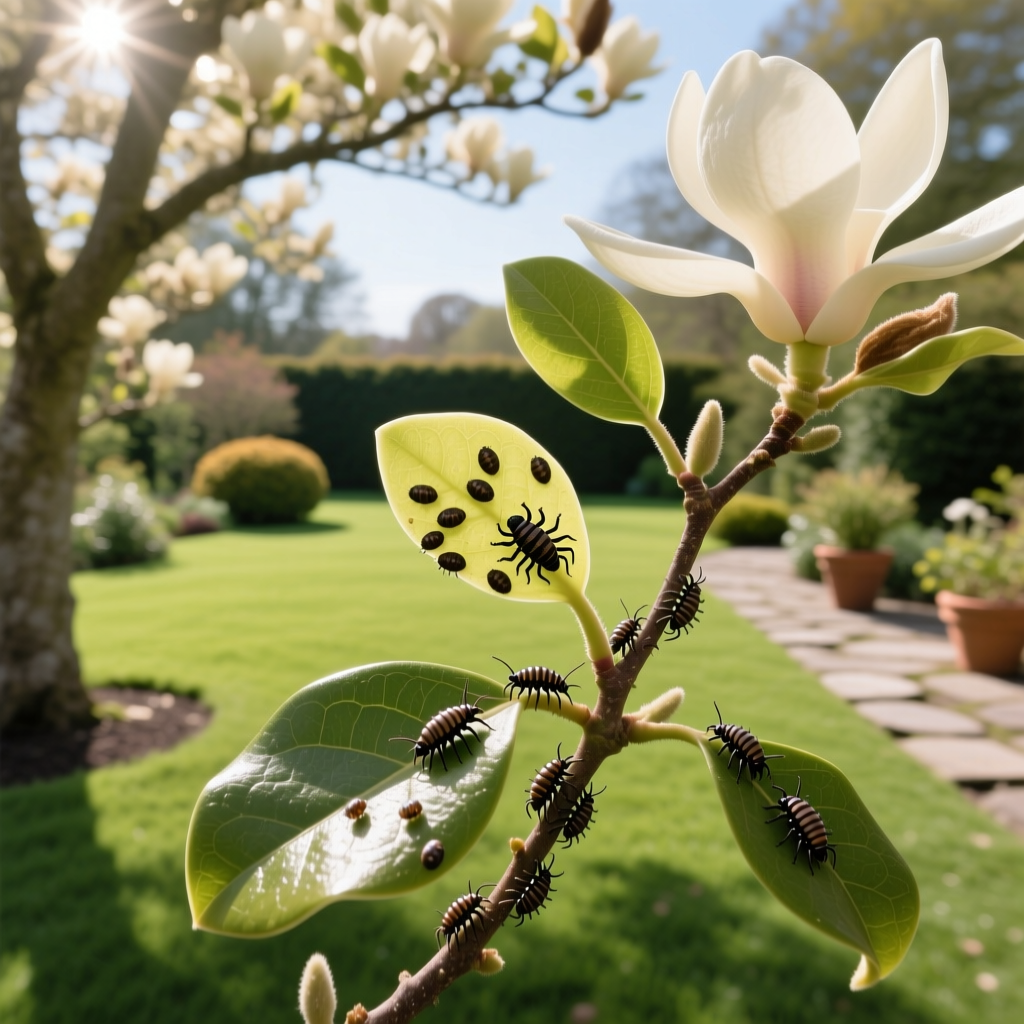
Identifying & Treating Magnolia Scale on Ornamental Trees
Robert HayesPublished
Magnolia trees are prized ornamental specimens in many landscapes, offering stunning spring blooms, lush summer foliage, and striking architectural forms. However, these beautiful trees are highly susceptible to a specific and destructive pest: the magnolia scale (Neolecanium cornuparvum). As the largest scale insect native to North America, magnolia scale can cause severe damage to your ornamental trees if left unchecked. Unlike common lawn pests that target your turfgrass, this insect specifically targets the branches and twigs of magnolia species, sapping the tree of vital nutrients and weakening its overall structure.
For homeowners and landscaping enthusiasts, early detection and proper treatment are critical to saving infected trees. Because magnolia scale produces copious amounts of sticky honeydew, an infestation does not just harm the tree; it can also lead to secondary fungal issues and attract other nuisance insects to your yard. In this comprehensive guide, we will explore how to identify magnolia scale, implement cultural prevention methods, apply effective DIY treatments, and determine when it is time to call in professional arborists. Whether you are maintaining a small backyard garden or a sprawling estate, understanding the lifecycle and habits of this pest is the first step toward protecting your valuable ornamental trees.
How to Identify Magnolia Scale Infestations
Identifying magnolia scale requires a keen eye, as the pest can easily be mistaken for natural tree nodes, small bumps, or even fungal growths. The adult female magnolia scale is notably large for a scale insect, measuring up to half an inch in diameter. During the summer months, these females are covered in a smooth, waxy, pinkish-brown or white coating that makes them look like small, odd-shaped pearls clinging to the twigs and one-year-old branches.
By late summer and early autumn, the waxy coating darkens to a mottled brown or gray color, and the females begin to excrete a sugary, sticky substance known as honeydew. This honeydew is often the first noticeable sign of an infestation for many homeowners. You may notice a shiny, sticky residue coating the leaves, branches, and even the patio furniture or vehicles parked beneath the tree canopy.
The presence of honeydew almost always leads to the development of sooty mold, a black, powdery fungus that grows on the sugary excretions. While sooty mold does not directly infect the tree tissue, it coats the leaves and blocks sunlight, severely inhibiting photosynthesis. If you notice your magnolia tree's leaves turning black and looking as though they have been dusted with charcoal, you likely have a scale problem. For more information on dealing with this secondary fungal issue, refer to our guide on controlling sooty mold in the landscape.
Another key identification factor is the presence of secondary pests. The sugar-rich honeydew is highly attractive to ants, wasps, and hornets. If you observe an unusual amount of ant traffic crawling up and down the trunk of your magnolia tree, it is a strong indicator that scale insects are farming the branches above. Learning about managing ants in the yard can help you control the secondary invaders, but eliminating the scale is the only way to remove their food source.
Finally, look for signs of tree decline. Heavy infestations cause the tree to lose vigor, resulting in stunted growth, yellowing leaves, premature leaf drop, and eventually, the dieback of entire branches. If left untreated for several consecutive seasons, a severe magnolia scale infestation can kill the entire tree.
Preventing Magnolia Scale Before It Spreads
The best defense against magnolia scale is a healthy, vigorously growing tree. Scale insects are opportunistic pests that tend to target stressed or weakened ornamental trees. By implementing proactive cultural practices, you can make your magnolia trees far less attractive and susceptible to these sap-sucking insects.
Proper watering is foundational to tree health. Magnolias prefer moist, well-draining soil. During periods of prolonged drought, deep watering is essential to prevent environmental stress. Apply a slow, deep soak at the drip line of the tree rather than shallow sprinklings at the base. Mulching is equally important; applying a two-to-three-inch layer of organic mulch around the base of the tree helps retain soil moisture, regulates root temperature, and prevents mechanical damage from string trimmers. However, ensure the mulch is kept a few inches away from the trunk to prevent rot and rodent damage.
Soil health plays a massive role in a tree's natural pest resistance. Before applying any fertilizers, it is highly recommended to conduct a soil test to understand your landscape's nutrient profile. You can learn more about the importance of balanced nutrition in our article on soil testing basics. Be cautious with high-nitrogen fertilizers. While nitrogen promotes rapid, lush green growth, it also creates soft, succulent plant tissue that is highly attractive to scale insects and aphids. Opt for slow-release, balanced fertilizers tailored to the specific needs of trees and shrubs, as detailed in our tree and shrub fertilization guide.
Canopy management is another vital preventative measure. Magnolia scale thrives in dense, humid environments with poor air circulation. Routine pruning helps open up the canopy, allowing sunlight and wind to penetrate the inner branches. This not only creates a less hospitable environment for scale insects but also improves the overall health of the tree. Always use sterilized pruning tools to prevent the spread of pathogens, and follow proper pruning techniques to avoid causing unnecessary stress or wounds to the tree.
Routine inspections are your best early-warning system. Make it a habit to inspect your ornamental trees every few weeks during the growing season. Pay close attention to the undersides of twigs and the crotches of branches, as these are the preferred feeding sites for scale nymphs. Catching an infestation when it is localized to a few branches allows for immediate mechanical removal, potentially saving you from a landscape-wide outbreak.
DIY Treatment Solutions for Magnolia Scale
When preventative measures are not enough and an infestation takes hold, homeowners have several effective DIY treatment options. The key to successfully treating magnolia scale lies in understanding its unique lifecycle. Unlike some scale species that produce multiple generations a year, magnolia scale typically has only one generation per year. The timing of your treatment is just as important as the product you choose.
Dormant Horticultural Oils
Dormant oils are highly refined petroleum-based oils designed to smother overwintering pests. Magnolia scale overwinters as tiny, dark nymphs on the twigs. Applying a dormant oil in late winter or very early spring, just before the tree breaks dormancy and the buds begin to swell, is one of the most effective ways to reduce the population before they can mature and lay eggs. The oil coats the nymphs, blocking their spiracles (breathing pores) and suffocating them. It is crucial to apply dormant oils when temperatures are above freezing but below 85°F to prevent phytotoxicity (plant damage). Ensure thorough coverage of all twigs and branches, as the oil only works on direct contact.
Summer Oils and Insecticidal Soaps
If you miss the dormant window, summer-weight horticultural oils and insecticidal soaps can be used during the growing season. These products are lighter and safer for use on foliage, though they still require direct contact with the pest. They are most effective against the "crawler" stage of the magnolia scale. Crawlers are the tiny, mobile nymphs that hatch from the eggs in late summer (typically late August through September). Because crawlers have not yet developed their protective waxy armor, they are highly vulnerable to contact sprays. Monitor your trees closely in late summer; when you see the tiny, pale crawlers moving about the twigs, apply insecticidal soap or summer oil. Multiple applications spaced a week apart may be necessary, as the eggs do not all hatch simultaneously.
Systemic Insecticides
For severe infestations or large trees where thorough spray coverage is impossible, systemic insecticides are the gold standard for DIY homeowners. Products containing active ingredients like imidacloprid or dinotefuran are applied as a soil drench around the base of the tree. The tree's root system absorbs the chemical and translocates it upward into the branches and leaves. When the scale insects feed on the treated sap, they ingest the insecticide and die.
Timing is critical for soil drenches. Because it takes several weeks for the chemical to move through the tree's vascular system, systemic treatments should be applied in early spring as the tree begins its active growth phase, or in early autumn when root uptake is still active. Systemic insecticides provide long-lasting, internal protection and are unaffected by rain or wind once absorbed. However, they should be used judiciously and strictly according to the label instructions to minimize impacts on non-target organisms and pollinators.
Mechanical Removal
For light infestations on small, accessible trees, physical removal can be surprisingly effective. You can gently scrub the waxy adult scales off the twigs using a soft-bristled brush and a solution of mild dish soap and water. Alternatively, a high-pressure blast from a garden hose can dislodge the vulnerable crawler stage in late summer. While labor-intensive, mechanical removal avoids the use of chemicals and is entirely safe for the surrounding landscape, pets, and beneficial insects.
When to Call Professional Pest Control Services
While DIY methods can be highly effective for young or small ornamental trees, there are situations where professional intervention is necessary. Magnolia trees can grow to massive proportions, and treating a mature, thirty-foot-tall tree with a handheld pump sprayer is both ineffective and dangerous.
Licensed arborists and pest control professionals have access to commercial-grade equipment and restricted-use chemicals that are not available to the general public. For towering magnolias, professionals utilize high-pressure hydraulic sprayers that can reach the uppermost canopy, ensuring complete and uniform coverage of horticultural oils or contact insecticides. This level of coverage is virtually impossible to achieve with consumer-grade equipment.
Furthermore, professionals can perform trunk injections. This method involves drilling small holes into the base of the trunk and injecting systemic insecticides directly into the tree's xylem. Trunk injections bypass the soil entirely, eliminating the risk of groundwater contamination or runoff, and deliver the treatment directly to the vascular system for rapid distribution. This is particularly useful in landscapes with dense turfgrass, sensitive flower beds, or proximity to water features where soil drenches might pose an environmental risk.
If your tree is showing signs of severe dieback, or if the infestation has spread to multiple ornamental specimens across your property, hiring a certified arborist is a wise investment. They can accurately assess the tree's structural integrity, determine if the tree can be saved, and implement a comprehensive, multi-year management plan to restore the health of your landscape. Remember that protecting your trees also protects the underlying turf; heavy honeydew drip can block sunlight and stunt the growth of the grass below, a problem that may require overseeding with shade-tolerant grass varieties once the tree's health is restored.
Frequently Asked Questions
Will magnolia scale kill my tree?
Yes, if left untreated over several consecutive years, a severe magnolia scale infestation can kill a tree. The insects continuously drain the tree of vital sap, weakening its immune system and making it highly susceptible to secondary diseases, borers, and environmental stressors. The accompanying sooty mold also reduces photosynthesis, further starving the tree. However, with prompt identification and consistent treatment, even heavily infested trees can recover and thrive.
Does the sooty mold from honeydew harm the grass beneath my magnolia tree?
Sooty mold itself does not infect or kill turfgrass, as it only grows on the sugary honeydew excreted by the scale insects. However, the thick layer of black sooty mold that coats the grass blades blocks essential sunlight, which can cause the turf to thin out, yellow, and die back over time. Additionally, the constant dripping of sticky honeydew creates an unpleasant, messy environment in your yard. Eliminating the scale on the tree will stop the honeydew drip, allowing the sooty mold to naturally weather away and the grass to recover.
What time of year is best to treat magnolia scale?
The best time to treat depends on the method you choose. For dormant horticultural oils, late winter or very early spring (before bud break) is ideal to target overwintering nymphs. For contact sprays like insecticidal soaps or summer oils, late summer to early autumn (typically late August through September) is best, as this coincides with the emergence of the vulnerable crawler stage. Systemic soil drenches are most effective when applied in early spring just as the tree breaks dormancy, or in early autumn when roots are actively taking up water and nutrients.
Can natural predators control magnolia scale?
Natural predators such as lady beetles, lacewings, and certain parasitic wasps do feed on scale insects and their crawlers. While these beneficial insects play an important role in maintaining ecological balance, they are rarely numerous enough to control a severe, established outbreak of magnolia scale on their own. Encouraging beneficial insects by avoiding broad-spectrum pesticides is a great long-term strategy, but active intervention with oils or systemics is usually required to bring an existing infestation under control.
Is neem oil effective against magnolia scale?
Neem oil can be somewhat effective against the soft-bodied crawler stage of the magnolia scale and acts as a mild repellent and growth disruptor. However, it is generally less effective than highly refined horticultural oils when it comes to suffocating the pests. Furthermore, neem oil cannot penetrate the thick, waxy armor of the mature adult females. If you choose to use neem oil, it must be applied frequently and timed perfectly with the late-summer crawler emergence. For more reliable results, especially on moderate to heavy infestations, dormant oils or systemic treatments are highly recommended.

