
Pest Control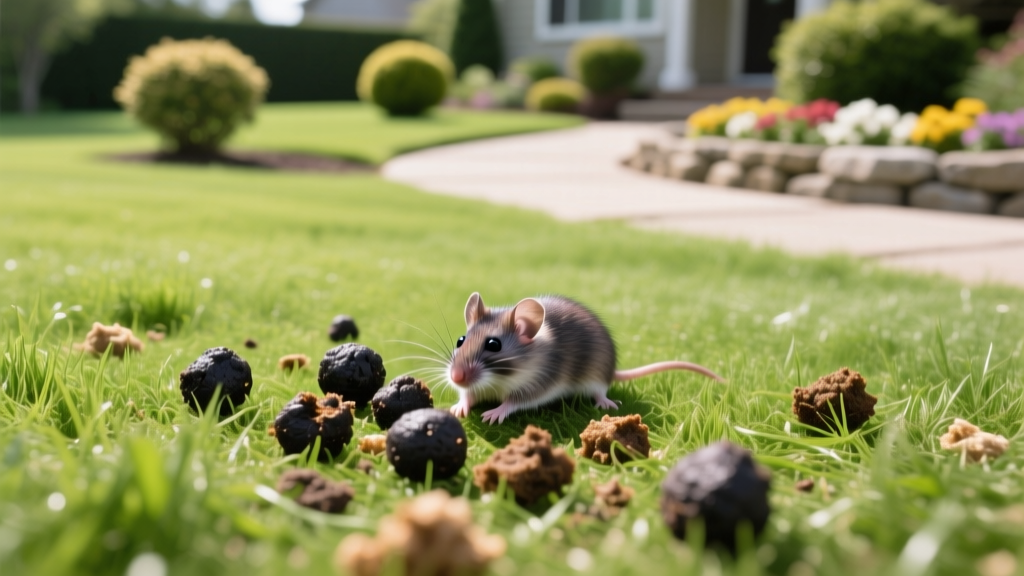
Identifying Vole Feces in Your Lawn: Detection and Deterrence Guide
Voles, often mistakenly called meadow mice, are voracious herbivores capable of devastating lawns, ornamental plants, and tree root systems. Because they spend much of their time in subterranean burrows or hidden surface runways, homeowners rarely see the animals themselves. Instead, the first definitive proof of an active colony is often the discovery of vole feces. Accurately identifying these droppings is the critical first step in mapping their activity zones and deploying effective, targeted deterrence strategies.
The Anatomy of Vole Feces: What to Look For
Vole scat is distinct in its size, shape, and deposition pattern. Unlike other rodents that scatter their waste, voles tend to use specific latrine sites within their burrow systems or drop feces consistently along their travel routes.
Quick Identification Profile:
- Size: 1/8 to 3/16 inch (3-5 mm) long.
- Shape: Cylindrical and relatively uniform, resembling tiny grains of rice.
- Ends: Blunt or slightly rounded (never pointed).
- Color: Ranges from vibrant green to dark brown, heavily dependent on their current diet. Fresh grass yields green scat; bark and root consumption result in dark brown or black droppings.
- Location: Concentrated in 1.5 to 2-inch wide surface runways hidden beneath grass canopies or snow cover.
The color of the feces can actually serve as a diagnostic tool for your landscape. If you are finding bright green vole feces, the colony is actively grazing on your turfgrass blades. If the droppings are dark brown and found near the base of a tree, the voles are likely girdling the bark or feeding on the cambium layer, which poses an immediate threat to the tree's survival.
Vole Droppings vs. Other Rodent Scat
Misidentifying the pest leads to wasted time and ineffective treatment. Use the comparison matrix below to differentiate vole feces from other common yard invaders.
| Species | Size | Shape & Ends | Deposition Pattern |
|---|---|---|---|
| Vole | 1/8 - 3/16 inch | Cylindrical, blunt ends | Concentrated in runways/burrows |
| House Mouse | 1/8 - 1/4 inch | Rod-shaped, pointed ends | Scattered randomly near nests |
| Norway Rat | 1/2 - 3/4 inch | Capsule-shaped, blunt ends | Grouped in large piles |
| Mole | N/A (Insectivore) | Rarely seen on surface | Deposited deep underground |
According to Penn State Extension, homeowners frequently confuse vole damage with mole damage. Remember that moles are insectivores; they do not leave surface feces in grassy runways, nor do they eat plant roots. If you see surface runways lined with small, blunt droppings, you are dealing with voles.
What Finding Vole Feces Means for Your Lawn
Discovering vole feces confirms an active, foraging population. Voles do not hibernate; they remain active year-round, breeding rapidly from spring through fall. A single female can produce 5 to 10 litters per year, with 3 to 6 young per litter.
Because voles consume up to 1.5 times their body weight in vegetation daily, the presence of their scat indicates that your lawn's root system and local flora are under constant siege. The runways where you find the feces are their primary highways. Mapping these runways by tracking fecal deposits allows you to pinpoint exactly where to place traps and repellents, rather than treating the entire yard blindly.
Health and Safety Precautions
While voles are not the primary vectors for Hantavirus (a risk more commonly associated with deer mice), their feces can harbor Salmonella, parasites, and other zoonotic pathogens. Direct contact or inhalation of dust from dried feces poses a health risk, particularly when cleaning out heavy infestations in sheds or dense garden beds.
Safe Cleanup Protocol
Never sweep or vacuum dry vole droppings, as this aerosolizes harmful particles. Follow this CDC-aligned cleanup procedure:
- Don PPE: Wear an N95 respirator, heavy-duty nitrile gloves, and safety goggles.
- Prepare Disinfectant: Mix a 10% bleach solution (1.5 cups of standard household bleach per 1 gallon of water).
- Saturate: Generously spray the feces and the surrounding runway with the bleach solution.
- Wait: Allow the solution to sit for at least 5 minutes to neutralize pathogens.
- Remove: Use paper towels to wipe up the droppings, disposing of them in a sealed plastic bag.
- Decontaminate: Spray the area again with the bleach solution and wash your gloved hands with soap and water before removing them.
Targeted Deterrence Strategies Post-Identification
Once you have mapped the colony via their feces, implement a multi-tiered deterrence strategy. The University of California Integrated Pest Management (IPM) program emphasizes that habitat modification is the most sustainable long-term deterrent.
Cost Breakdown: Vole Deterrence Materials (2026 Estimates)
- 1/4-inch Galvanized Hardware Cloth (25ft roll): $25 - $35 (Essential for tree guards and garden bed exclusion).
- Castor Oil Liquid Repellent (32oz concentrate): $15 - $22 (Makes up to 10 gallons; forces voles to abandon runways).
- Victor M040-1 Easy Set Traps (2-pack): $6 - $9 (Highly effective when placed directly in mapped runways).
- Thiram-based Fungicide/Repellent: $20 - $30 (Used for treating bulbs and seeds before planting).
Exclusion: Protect vulnerable trees and shrubs by wrapping their bases with 1/4-inch galvanized hardware cloth. The mesh must extend 12 inches above the anticipated snow line and be buried 6 inches below the soil surface to prevent voles from tunneling underneath.
Trapping: For immediate population reduction, use standard wooden snap traps (like the Victor Easy Set). Place the trap perpendicular to the runway, with the trigger end facing directly into the path. Bait with a mixture of peanut butter and oatmeal. Critical Edge Case: Always cover the trap with an inverted milk crate or a PVC pipe section to prevent birds, pets, and non-target wildlife from accessing the mechanism.
Habitat Modification: Voles rely on dense cover to hide from aerial predators like hawks and owls. Mow your lawn to a strict 2.5-inch height and remove all mulch, leaf litter, and dense ground cover within a 3-foot radius of tree trunks. Exposing the soil makes the environment highly inhospitable to them.
Expert Insights & Common Mistakes
The most common mistake homeowners make is relying solely on ultrasonic repellents or mothballs, neither of which are scientifically proven to deter voles in outdoor environments. Effective deterrence requires physical exclusion and systematic habitat modification to remove the protective canopy voles need to survive.
Furthermore, avoid using toxic rodenticides outdoors unless you are a licensed professional. Secondary poisoning is a severe risk; if an owl or hawk consumes a vole that has ingested anticoagulant bait, the predator will likely die. Stick to mechanical trapping and physical exclusion for the safest, most effective results.
Frequently Asked Questions
Do vole feces smell?
Vole droppings have a very faint, musky odor, but it is rarely detectable by humans outdoors unless you are handling a large, concentrated pile from a nesting chamber. If you notice a strong ammonia smell, you are likely dealing with house mice or rats, not voles.
Will removing the feces stop the voles from returning?
No. Cleaning up the feces is strictly a hygiene and safety measure. Voles rely on pheromones and physical landmarks to navigate. To stop them from returning, you must destroy the physical runways by tilling the soil, removing their vegetative cover, and installing physical barriers.
Can voles transmit rabies through their waste?
No. Rabies is transmitted through the saliva of an infected animal via a bite, not through feces. Furthermore, small rodents like voles are almost never found to be infected with rabies and are not known to transmit the disease to humans.

