
Pest Control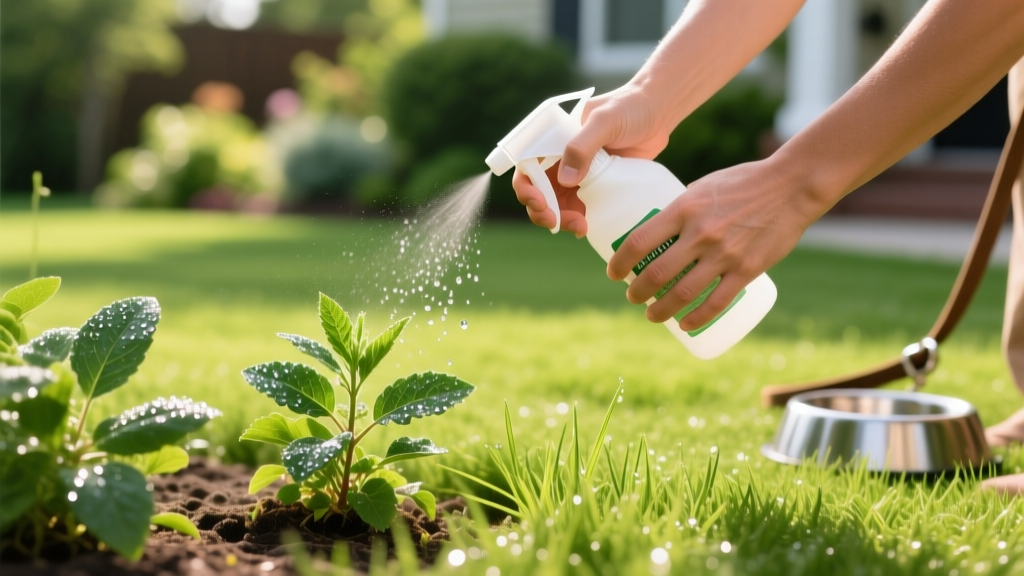
Spot-Treatment Guide: Choosing a Weed Killer Safe for Pets
Broadcast spraying synthetic herbicides like 2,4-D and dicamba across an entire lawn poses documented neurological and hepatic risks to canines and felines. For homeowners managing isolated weed outbreaks, spot-treatment is not only more ecologically responsible but drastically reduces chemical exposure. However, finding a genuinely effective weed killer safe for pets requires moving beyond misleading "natural" marketing and understanding the biochemical mechanisms of modern organic herbicides.
This guide breaks down the exact active ingredients, specific product formulations, and precise application protocols required to eradicate common broadleaf weeds without compromising the health of your pets or your turfgrass.
The Cellular Mechanism of Iron HEDTA (FeHEDTA)
The gold standard for pet-safe broadleaf weed control is Iron HEDTA (FeHEDTA), a chelated iron molecule. To understand why it is safe for mammals but lethal to weeds, you must look at plant physiology. Broadleaf weeds (dicots) lack the cellular regulatory proteins required to limit iron uptake. When sprayed with FeHEDTA, they absorb massive quantities of iron, triggering rapid, fatal oxidative stress and cellular necrosis within hours.
Conversely, turfgrasses (monocots) and mammals possess iron-regulating proteins like ferritin. According to research highlighted by Penn State Extension, grasses simply shut down iron absorption once their threshold is met, preventing phytotoxicity. Mammalian digestive and metabolic systems similarly regulate iron, making FeHEDTA practically non-toxic to dogs and cats even if ingested in small amounts while grazing on treated grass.
Weed Species Matrix: Pet-Safe Spot Treatments
Not all weeds respond identically to iron-based treatments. Below is a targeted matrix matching common lawn invaders with the most effective pet-safe formulations available in 2026.
| Weed Species | Active Ingredient | Top Product Pick (2026) | Approx. Cost | Pet Re-entry Time |
|---|---|---|---|---|
| Dandelion (Taraxacum officinale) | Iron HEDTA (FeHEDTA) | Natria Lawn Weed Control (32oz RTU) | $16 - $19 | 2 hours (or when dry) |
| White Clover (Trifolium repens) | Iron HEDTA (FeHEDTA) | Fiesta Turf Weed Killer (1 gal conc.) | $55 - $65 | 2 hours (or when dry) |
| Creeping Charlie (Glechoma hederacea) | Iron HEDTA + Surfactant | Sunday Dandelion Doom (Concentrate) | $25 - $30 | 2 hours (or when dry) |
| Annual Bluegrass (Poa annua) | Corn Gluten Meal (Pre-emergent) | Espoma Organic Weed Preventer (9 lbs) | $25 - $30 | Immediate |
Note: Corn Gluten Meal does not kill existing weeds; it inhibits root formation in germinating seeds. Use it strictly as a spot-prevention barrier in areas where weeds historically emerge.
Step-by-Step Spot-Treatment Protocol
Achieving a 90%+ kill rate with FeHEDTA requires precise application techniques. Mist-spraying the leaves is insufficient; the herbicide must reach the plant's vascular system.
1. Temperature and Timing Calibration
Apply Iron HEDTA only when ambient temperatures are between 60°F and 80°F. Applying the solution when temperatures exceed 85°F dramatically increases the risk of turf phytotoxicity, causing temporary blackening or browning of your grass blades. Early morning applications are ideal, allowing the liquid to dry before the afternoon heat peaks.
2. The "Center Rosette" Targeting Method
Do not broadcast spray. Adjust your nozzle to a concentrated stream or tight cone. Aim directly at the center rosette (the crown) of the weed where the newest growth emerges. Saturate the crown until the liquid begins to run off the leaves into the soil. This ensures the FeHEDTA penetrates the taproot, preventing the weed from regrowing the following spring.
3. Surfactant Integration for Waxy Weeds
Weeds like broadleaf plantain and mature creeping charlie possess thick, waxy cuticles that repel water-based herbicides. If your chosen product does not include a built-in surfactant, add 1/2 teaspoon of non-ionic surfactant (or plain, non-antibacterial baby shampoo in a pinch) per gallon of mixed concentrate. This breaks the surface tension, allowing the iron solution to coat and penetrate the leaf tissue.
⚠️ The "Natural" Acetic Acid Trap
Many products marketed as organic or pet-safe rely on 20% to 30% horticultural vinegar (acetic acid). While it burns down weed foliage, high-concentration acetic acid is a severe corrosive. If a dog sniffs or licks a freshly treated weed, it can cause severe oral blistering and corneal ulcers. Furthermore, acetic acid is non-selective and will permanently lower your soil pH, damaging surrounding turfgrass. Stick to Iron HEDTA for true pet safety.
Post-Treatment Lawn Recovery & Iron Staining
Iron HEDTA is highly effective, but it comes with specific cosmetic side effects that homeowners must manage:
- Turf Blackening: You may notice the treated grass blades turning dark brown or black within 24 hours. This is a harmless cosmetic reaction between the iron and the grass pigments. The grass will recover its green color within 3 to 5 days as new growth pushes through.
- Concrete Staining: FeHEDTA will permanently stain concrete driveways, sidewalks, and patio pavers a rusty brown color. Always use a dedicated sprayer for iron products, and immediately flush any accidental overspray on hardscapes with a high-pressure hose before it dries.
- Soil pH Monitoring: While safer than synthetic salts, repeated heavy applications of iron products in the exact same spot can slowly acidify the soil. If you spot-treat the same area more than three times a season, apply a light dusting of pelletized lime (calcium carbonate) to buffer the soil pH.
Frequently Asked Questions
How long until the weed killer is safe for pets to walk on?
For Iron HEDTA products, the general consensus among veterinary and agricultural experts, including guidelines referenced by the ASPCA Animal Poison Control, is to keep pets off the treated area until the liquid is completely dry. In standard 70°F weather with low humidity, this takes approximately 2 hours. Once dry, the iron is bound to the plant tissue and soil, posing no risk to paws or ingestion.
Is Iron HEDTA rainfast?
No. FeHEDTA requires a minimum of 3 hours of dry weather post-application to fully penetrate the weed's cuticle and translocate to the roots. If rain is forecasted within 3 hours, delay your spot treatment. If it rains 4 hours after application, the herbicide has already done its work.
Can I use pet-safe weed killers near my vegetable garden?
Iron HEDTA is safe to use near established vegetable plants, provided you do not spray it directly onto the edible leaves of broadleaf crops (like tomatoes, peppers, or squash), as it will cause necrosis in any dicot plant. Keep a 12-inch buffer zone and use a physical shield (like a piece of cardboard) when spraying near garden beds to prevent wind drift.
Why didn't the weed die after one application?
Established perennial weeds with deep taproots (like mature dandelions or dock) often require a second application. Wait 14 days after the first treatment. If the center of the weed is still producing new green growth, apply a second targeted dose to the crown. The EPA's guidelines on green pest control emphasize that organic herbicides often require multiple, targeted cycles rather than single, high-volume applications.

