
Pest Control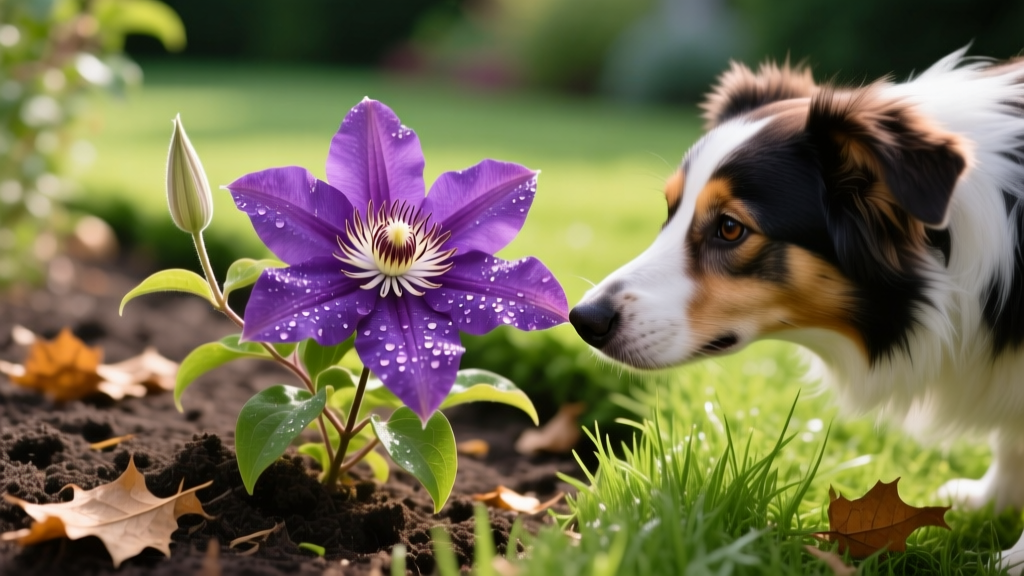
Is Clematis Poisonous to Dogs? A Complete Toxicity & Safety Guide
The Short Answer: Is Clematis Poisonous to Dogs?
Yes, clematis is poisonous to dogs. While it is not typically fatal, all parts of the clematis plant—especially the leaves, stems, and sap—contain irritating glycosides that can cause significant gastrointestinal and oral distress. For homeowners managing garden hazards alongside standard lawn and plant care, understanding the exact risk profile of this popular climbing vine is critical for pet safety.
Unlike highly lethal garden plants such as sago palm or oleander, clematis toxicity is generally classified as mild to moderate. The plant's natural defense mechanism makes it taste incredibly bitter, which usually deters dogs from consuming large enough quantities to cause systemic organ failure. However, curious puppies or dogs with pica (the compulsion to eat non-food items) can still ingest enough to require veterinary intervention.
The Biochemical Culprit: Protoanemonin Explained
To properly manage garden hazards, it helps to understand the exact chemical mechanism at play. Clematis belongs to the Ranunculaceae (buttercup) family. All plants in this family contain a chemical compound called ranunculin.
In its intact state, ranunculin is relatively stable. However, when the plant's cellular structure is broken—such as when a dog chews on a leaf or a gardener prunes a stem—an enzymatic reaction converts ranunculin into protoanemonin. Protoanemonin is a volatile, highly irritating lactone that causes immediate blistering and inflammation of the mucous membranes.
Key Toxicity Facts
- Toxic Principle: Protoanemonin (an irritant glycoside).
- Most Toxic Parts: Young leaves, stems, and crushed sap.
- Severity: Mild to moderate (rarely fatal).
- Primary Effect: Oral irritation, hypersalivation, and gastrointestinal upset.
Recognizing Clematis Poisoning: Symptom Severity Matrix
Symptoms of clematis ingestion usually appear rapidly, often within 15 to 30 minutes of the dog chewing on the plant. The severity of the reaction depends heavily on the dog's size and the volume of plant material consumed. Consult the ASPCA's toxic plant database for broader context on how plant irritants affect canines.
| Ingestion Level | Estimated Amount | Primary Symptoms | Recommended Action |
|---|---|---|---|
| Minimal (Taste/Spit) | 1-2 small leaves | Excessive drooling, lip smacking, pawing at the mouth, mild oral redness. | Rinse mouth with water. Monitor at home for 12 hours. |
| Moderate | A handful of leaves/stems | Profuse vomiting, diarrhea, lethargy, refusal to eat, visible oral blistering. | Contact veterinarian or Pet Poison Helpline immediately. |
| Severe (Rare) | Large volume (entire vine base) | Bloody vomit, severe dehydration, ataxia (loss of coordination), tremors. | Emergency veterinary transport required immediately. |
Immediate Action Plan: What to Do If Your Dog Eats Clematis
If you catch your dog chewing on a clematis vine, swift and measured action is required. Follow this exact triage protocol to minimize harm and control veterinary costs.
Step 1: Remove the Plant Material and Rinse
Immediately take the plant matter out of your dog's mouth. Use a damp cloth to wipe out their gums and tongue, removing any residual sap. If your dog will tolerate it, gently flush their mouth with lukewarm water using a syringe or a gentle hose stream to wash away the protoanemonin.
CRITICAL WARNING: Do NOT induce vomiting at home using hydrogen peroxide unless explicitly instructed to do so by a licensed veterinarian. Because protoanemonin is a severe mucosal irritant, forcing the dog to vomit can cause secondary chemical burns to the esophagus and throat, compounding the damage.
Step 2: Assess and Document
Take a photo of the plant to confirm it is indeed clematis (specifically noting the leaf structure and flower shape). Estimate how much was eaten and note the exact time of ingestion. This data is vital for the triage nurse at the veterinary clinic.
Step 3: Contact a Professional
Call your primary veterinarian or an emergency animal poison control center. Be prepared for the following potential veterinary interventions and associated costs (based on 2026 average clinic pricing):
- Emergency Consult & Exam: $150 - $250
- Anti-nausea Medication (e.g., Cerenia injection): $40 - $80
- Subcutaneous or IV Fluids (for dehydration): $150 - $400
- Gastrointestinal Protectants (e.g., Sucralfate): $30 - $60
Garden Hazard Mitigation: Protecting Pets While Growing Clematis
You do not necessarily need to rip out your prized clematis if you have a dog. By implementing targeted garden management strategies, you can mitigate the hazard effectively.
Physical Exclusion Barriers
The most vulnerable part of the clematis plant is the tender new growth at the base. Install a physical barrier around the root zone. Use 1/2-inch galvanized hardware cloth or chicken wire to create a cylinder around the base of the trellis. The barrier should be at least 24 inches high to prevent the dog from reaching the lower leaves while standing on their hind legs.
Chemical Deterrents
Apply a pet-safe bitter spray to the lower foliage. Products like Grannick's Bitter Apple Spray (typically $12-$15 for an 8 oz bottle) utilize a bittering agent that exploits a dog's sensitive taste buds. Spray the lower 18 inches of the vine and the surrounding soil every 48 hours, or immediately after rain, until the dog learns to avoid the area entirely.
Strategic Planting and Training
Train your clematis to grow rapidly up a tall obelisk or wall trellis, keeping the foliage out of reach. Prune away any low-hanging branches immediately. Combine this with positive reinforcement training, rewarding your dog with high-value treats (like freeze-dried liver) for choosing to rest on their designated outdoor cot rather than investigating the garden beds.
Pet-Safe Climbing Vine Alternatives
If the anxiety of managing a toxic plant outweighs the aesthetic benefits, consider replacing your clematis with a non-toxic climbing alternative. Below is a comparison of pet-safe vines that offer similar vertical garden appeal.
| Vine Name | Sun Requirements | Bloom Characteristics | Pet Safety Profile |
|---|---|---|---|
| Crossvine (Bignonia capreolata) | Full Sun to Part Shade | Trumpet-shaped orange/red flowers in spring. | 100% Non-toxic to dogs and cats. |
| Coral Honeysuckle (Lonicera sempervirens) | Full Sun | Tubular red/yellow flowers; attracts hummingbirds. | Non-toxic (Note: Avoid Japanese Honeysuckle, which can cause GI upset). |
| Black-Eyed Susan Vine (Thunbergia alata) | Full Sun | >Bright yellow/orange blooms with dark centers.Safe for pets; excellent for annual trellis cover. | |
| Jasmine (Trachelospermum jasminoides) | Full Sun to Part Shade | Highly fragrant white star-shaped flowers. | True Star Jasmine is non-toxic. (Avoid 'False Jasmine' / Carolina Jessamine, which is highly toxic). |
Frequently Asked Questions
Can clematis sap cause skin irritation on my dog's paws?
Yes. While protoanemonin primarily causes issues when ingested, prolonged contact with crushed clematis sap can cause contact dermatitis. If your dog walks through freshly pruned clematis debris, wipe their paws and belly with a damp towel to prevent localized redness and itching.
Are all varieties of clematis equally toxic?
Yes, the presence of ranunculin is a genetic trait of the entire Ranunculaceae family. Whether you are growing Clematis virginiana (Sweet Autumn Clematis), Clematis jackmanii, or Clematis montana, the toxic principle remains exactly the same across all cultivars and species.
What should I do with clematis clippings?
Never leave pruned clematis stems on the lawn or garden beds where dogs roam. The drying process does not immediately neutralize the protoanemonin. Collect all clippings in a sealed yard waste bag and dispose of them in your municipal green bin or off-site compost facility immediately after pruning.

