
Pest Control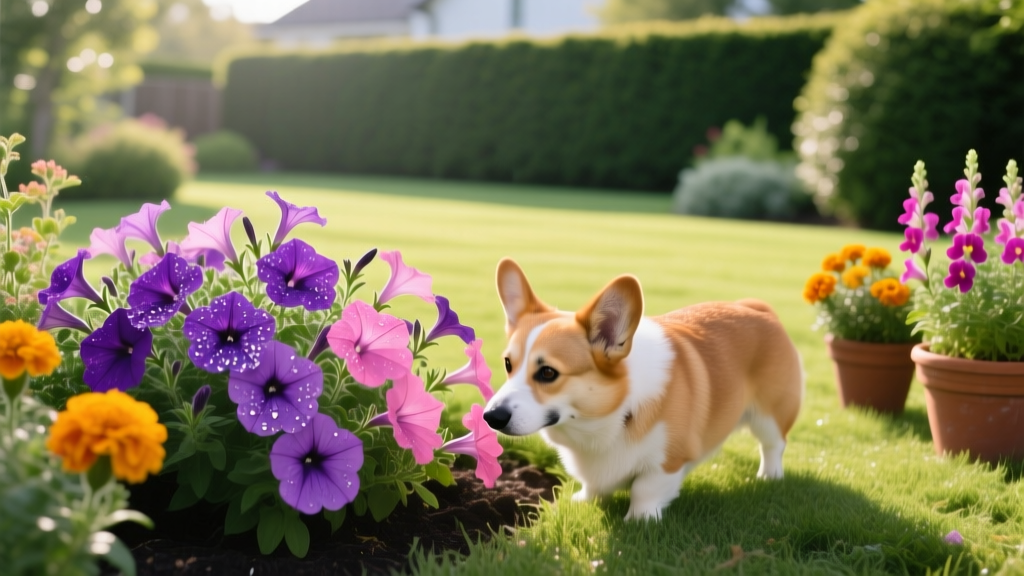
Is Petunia Poisonous to Dogs? Toxicity Facts & Safe Alternatives
The Short Answer: Are Petunias Toxic to Dogs?
According to the ASPCA Animal Poison Control Center, petunias (Petunia x hybrida) are classified as non-toxic to dogs, cats, and horses. If your dog takes a bite out of a petunia blossom or chews on the fuzzy leaves, the plant tissue itself will not cause systemic poisoning or organ failure.
However, classifying petunias as entirely 'safe' ignores the primary hazard in modern landscaping: the chemical pest control products and fertilizers applied to them. Petunias are notorious magnets for aphids, slugs, and tobacco budworms. To protect these vibrant annuals, gardeners frequently apply neurotoxic pesticides and high-nitrogen organic fertilizers that pose severe, sometimes fatal, risks to canines.
⚠️ The Mechanical Upset Caveat: While non-toxic, petunia leaves are fibrous. If a medium-sized dog (30-50 lbs) ingests more than a cup of raw plant matter, the indigestible cellulose can trigger mechanical gastrointestinal upset, resulting in vomiting or mild diarrhea within 4 to 6 hours.
The Real Danger: Pest Control Chemicals on Petunias
The true threat to your dog is not the petunia, but what is sprayed on it. Because petunias require full sun and consistent moisture to thrive, they create an ideal microclimate for soft-bodied insects and mollusks. Here is a breakdown of the common petunia pest control treatments and their specific toxicity profiles for dogs.
1. Neonicotinoids (Imidacloprid) for Aphids
Aphids cluster on the sticky stems and new growth of petunias. Many commercial systemic granules contain Imidacloprid. When a dog digs in the soil or licks the residue off the leaves before it dries, they ingest a neurotoxin. Symptoms include tremors, disorientation, and in severe cases, seizures. As of 2026, many municipalities are restricting residential neonicotinoid use due to pollinator decline, but legacy products remain in garden centers.
2. Metaldehyde for Slugs and Snails
Slugs chew irregular holes in petunia foliage overnight. Traditional slug baits use Metaldehyde, a chemical that smells and tastes like dog food but is highly lethal. Ingestion causes 'shake and bake' syndrome—severe muscle tremors that generate fatal hyperthermia within 30 minutes. There is no direct antidote for Metaldehyde poisoning.
3. Bone Meal and Blood Meal Fertilizers
To fuel continuous blooming, gardeners top-dress petunias with bone meal or blood meal. Because these are rendered animal byproducts, dogs view them as high-value treats. Ingesting large quantities of bone meal can form a concrete-like mass in the dog's stomach, requiring surgical removal. Blood meal can cause severe acute pancreatitis and iron toxicity.
| Product Type | Active Ingredient | Target Pest | Dog Toxicity Risk | Safer Alternative |
|---|---|---|---|---|
| Systemic Granules | Imidacloprid | Aphids, Whiteflies | High (Neurotoxin) | Insecticidal Soap |
| Slug Bait | Metaldehyde | Slugs, Snails | Critical (Often Fatal) | Iron Phosphate (Sluggo) |
| Caterpillar Spray | Spinosad | Tobacco Budworm | Moderate (Toxic to bees, safe for dogs once dry) | Bacillus thuringiensis (Bt) |
| Organic Fertilizer | Bone Meal | N/A (Nutrient) | High (GI Blockage) | Liquid Seaweed Extract |
Dog-Safe Pest Management for Petunias
You do not have to sacrifice your petunias to keep your dog safe. By shifting to targeted, biological pest control methods, you can manage infestations without introducing secondary poisoning risks to your yard.
Managing Aphids and Whiteflies
Instead of systemic chemicals, use a ready-to-use insecticidal soap containing potassium salts of fatty acids (such as Safer Brand Insect Killing Soap). These work on contact by disrupting the insect's cell membranes but break down rapidly in the environment. Once the spray dries (usually within 45 minutes), it poses zero risk to dogs. Alternatively, cold-pressed Neem Oil (Azadirachtin) acts as an antifeedant. Apply Neem oil at dusk to avoid leaf burn and to protect daytime pollinators.
Managing Slugs Without Metaldehyde
Switch to an Iron Phosphate-based slug bait, such as Monterey Sluggo. When ingested by slugs, iron phosphate disrupts their calcium metabolism, causing them to stop feeding and crawl underground to die. The University of Minnesota Extension and veterinary toxicologists confirm that iron phosphate is safe for use around dogs, cats, and wildlife, even if accidentally ingested in small amounts, as it simply breaks down into soil nutrients.
Controlling the Tobacco Budworm
The tobacco budworm (Helicoverpa virescens) bores into petunia buds, hollowing them out. The most effective, dog-safe treatment is Bacillus thuringiensis var. kurstaki (Bt). Bt is a naturally occurring soil bacterium that specifically targets the alkaline gut of caterpillars. Because a dog's stomach is highly acidic, Bt passes through their digestive tract harmlessly. Spray the petunia foliage and buds thoroughly every 7 to 10 days during peak summer generations.
Pro-Tip: The 'Dry Rule' for Organic Sprays
Even organic and OMRI-listed pest control products can cause mild eye or respiratory irritation if a dog investigates them while wet. Always apply liquid foliar sprays in the early morning or late evening, and keep dogs out of the garden bed until the leaves are completely dry to the touch.
Even organic and OMRI-listed pest control products can cause mild eye or respiratory irritation if a dog investigates them while wet. Always apply liquid foliar sprays in the early morning or late evening, and keep dogs out of the garden bed until the leaves are completely dry to the touch.
Physical Deterrents to Protect Garden Beds
If your dog is a habitual forager who views your petunia beds as a salad bar, physical and olfactory deterrents are more effective than training alone.
- Clover Planting: Dogs often chew on petunias out of a natural instinct to consume roughage. Planting a patch of white Dutch clover (Trifolium repens) in a designated 'dog zone' gives them a safe, durable, and highly digestible alternative to graze on.
- Chicken Wire Barriers: For raised beds, staple 1-inch hexagonal chicken wire just beneath the soil surface. This prevents digging and creates an uncomfortable texture for paws, keeping dogs out of the root zone without harming them.
- Citrus Scatter: Dogs possess a strong aversion to citrus oils. Scattering fresh lemon or orange peels around the base of your petunias acts as a natural olfactory fence. Replace the peels every 5 to 7 days as they dry out and lose their volatile oils.
Pet-Safe Floral Alternatives to Petunias
If you prefer to eliminate the anxiety entirely, consider swapping petunias for these dog-safe annuals that offer similar vibrant color profiles and cascading growth habits.
| Alternative Plant | Sun Requirement | Growth Habit | Primary Pest Threat |
|---|---|---|---|
| Calibrachoa (Million Bells) | Full Sun | Spilling/Cascading | Aphids, Spider Mites |
| Zinnia (Profusion Series) | Full Sun | Mounding/Upright | Powdery Mildew |
| Snapdragon (Rocket Series) | Full to Part Sun | Vertical/Tall | Aphids, Rust |
| Alyssum (Sweet Alyssum) | Part Sun | Groundcover/Spiller | Flea Beetles |
Frequently Asked Questions
My dog ate a petunia that was sprayed with Miracle-Gro. Is he safe?
Standard water-soluble Miracle-Gro (NPK 24-8-16) is generally low-toxicity once diluted and absorbed by the plant. However, if the dog ingested the concentrated dry powder from the box, or drank from a freshly mixed watering can, the high salt and urea content can cause severe gastrointestinal burns and vomiting. Provide fresh water immediately and monitor for lethargy. Contact the Pet Poison Helpline if vomiting persists beyond two episodes.
Can petunia seeds cause intestinal blockages in dogs?
Petunia seeds are exceptionally small and dust-like. Ingesting them directly from a deadheaded flower will not cause a mechanical blockage. The primary risk of seed ingestion is the potential presence of fungicidal seed coatings if the plant was grown from treated commercial stock, though this risk is minimal in home gardens.
Are trailing petunias safer than grandiflora petunias for dogs?
There is no difference in toxicity between trailing (wave) petunias and grandiflora varieties; both are non-toxic. However, trailing petunias planted in low garden borders are more accessible to dogs than grandifloras planted in elevated window boxes or hanging baskets. If your dog is a persistent chewer, utilize hanging baskets suspended at least 5 feet off the ground.

