
Pest Control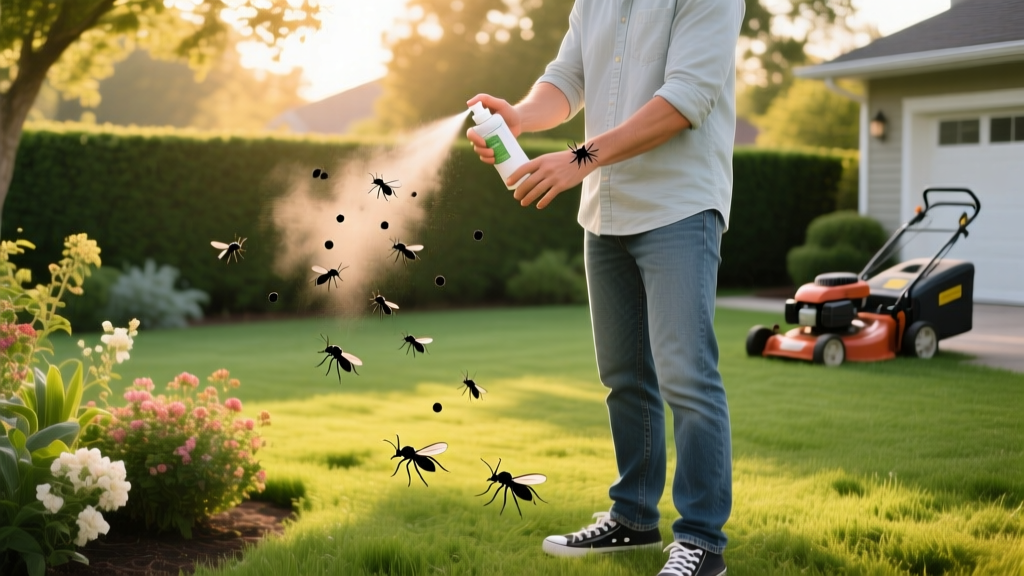
How Can I Keep Fleas Off Me? Yard Defense & Personal Tactics
If you are asking, "how can i keep fleas off me," the answer requires a dual approach: creating a chemical and biological barrier on your person, and simultaneously destroying the microclimates in your yard where fleas breed. Relying solely on skin repellents fails if your lawn is continuously hatching thousands of adult cat fleas (Ctenocephalides felis) daily. According to University of Florida IFAS, up to 95% of a flea population exists in the environment as eggs, larvae, and pupae, while only 5% are adults actively seeking a host.
To stop fleas from biting you, we must interrupt their life cycle in the shaded areas of your yard and treat your outdoor gear with long-lasting synthetic pyrethroids. Below is the exact protocol for personal protection and yard source control.
Personal Defense: Creating an Unbreakable Barrier
Skin repellents wash off with sweat and degrade within hours. For sustained protection while working in the yard or hiking, you must treat your clothing, shoes, and socks with 0.5% Permethrin. Permethrin binds to fabric fibers and remains effective through 6 washings or 42 days of sun exposure, acting as a contact insecticide that paralyzes fleas before they can bite.
Topical Skin Repellents vs. Fabric Treatments
When treating exposed skin, skip the essential oils and opt for EPA-registered synthetics with proven spatial repellency against jumping insects.
- Permethrin 0.5% (Fabric Only): Brands like Sawyer Permethrin Insect Repellent (approx. $16 for 24 oz). Spray on socks, pant cuffs, and shoes. Allow to dry completely for 2 hours before wearing.
- Picaridin 20% (Skin): Brands like Sawyer Premium Picaridin. Offers 12 hours of protection against fleas and ticks without degrading plastics or synthetic gear like DEET does.
- DEET 25-30% (Skin): Brands like Ben's 30. Highly effective but can damage watch crystals, sunglasses, and nylon tent fabrics.
⚠️ CRITICAL WARNING: Permethrin is highly toxic to cats when wet. Never apply permethrin near felines, and keep cats away from treated clothing until the fabric is 100% dry. Once dry, the EPA notes it is safe for cats to be around (EPA Permethrin Guidelines).
Yard Source Control: Eliminating the Breeding Grounds
Flea larvae cannot survive in direct, hot sunlight. They thrive in shaded, humid areas with high organic matter—specifically under decks, in dense mulch beds, and beneath the drip lines of large trees. Treating your entire sun-baked front lawn is a waste of money and chemicals.
The Chemical Knockdown: Bifenthrin + IGR
To rapidly reduce the adult population and stop reproduction, use a combination of a broad-spectrum pyrethroid and an Insect Growth Regulator (IGR).
- The Adulticide: Bifen I/T (Bifenthrin 7.9%). Mix 1 oz per gallon of water. One gallon covers roughly 1,000 square feet. Cost: ~$35 for a 32 oz bottle (yields 32 gallons).
- The IGR: NyGuard (Pyriproxyfen). This mimics juvenile hormones, preventing larvae from molting into biting adults. Mix 4 ml per gallon of water alongside your Bifenthrin.
Apply this tank mix using a pump sprayer or hose-end sprayer, focusing exclusively on shaded perimeters, crawl space entrances, and under shrubs. Water the yard lightly the day before application to draw pupae out of their cocoons, making them vulnerable to the spray.
The Biological Control: Beneficial Nematodes
If you want to avoid synthetic chemicals near vegetable gardens or water features, use Steinernema feltiae nematodes. These microscopic worms actively hunt and infect flea larvae in the soil, releasing bacteria that kill the host within 48 hours.
- Application Rate: 1 million nematodes per 2,000 square feet.
- Cost: ~$35 - $45 per pack from suppliers like Arbico Organics.
- Timing: Apply in the early evening when UV radiation is low and soil temperatures are between 55°F and 85°F. Water the soil immediately after application to wash them into the thatch layer.
Treatment Matrix: Chemical vs. Biological vs. Cultural
| Method | Active Agent / Technique | Target Life Stage | Cost (per 5,000 sq ft) | Best Use Case |
|---|---|---|---|---|
| Chemical | Bifenthrin + Pyriproxyfen (IGR) | Adults, Larvae, Pupae | $15 - $20 | Severe infestations; rapid knockdown required. |
| Biological | Steinernema feltiae Nematodes | Larvae, Pupae | $80 - $100 | Eco-sensitive yards; near ponds or edible gardens. |
| Cultural | Cedar Mulch & Sunlight Pruning | Larvae (Desiccation) | $150+ (Mulch cost) | Long-term prevention; replacing hardwood mulch. |
Rodent & Wildlife Deterrence: Stopping the Flea Taxis
You can treat your yard perfectly, but if opossums, raccoons, and feral cats are sleeping under your shed, they will continuously re-seed your lawn with flea eggs. According to Texas A&M AgriLife Extension, wildlife is the primary vector for reintroducing fleas into treated residential landscapes.
Exclusion Tactics
- Crawl Spaces & Decks: Bury 1/4-inch galvanized hardware cloth 6 inches deep and bend it outward in an L-shape to prevent rodents from digging under structures.
- Attractant Removal: Secure trash cans with bungee cords and remove pet food bowls at dusk. Flea populations spike in yards where feral cats are routinely fed.
- Dry Ice for Burrows: If you identify active rodent burrows at the property line, dropping dry ice into the burrow and sealing the entrance with dirt releases CO2, humanely eliminating the host without poisoning the local food web.
Your Weekend Yard & Personal Prep Protocol
Follow this exact 48-hour schedule to reclaim your yard and protect yourself from bites.
Friday Evening: Preparation
- Mow the lawn to a height of 2.5 inches and bag the clippings to remove thatch where larvae hide.
- Rake out heavy leaf litter from shaded garden beds.
- Water the shaded areas of your yard lightly (0.25 inches of water) to stimulate adult fleas to emerge from their pupal casings.
- Spray your work boots, socks, and yard-work pants with 0.5% Permethrin and hang them to dry in the garage.
Saturday Morning: Application
- Don your permethrin-treated clothing. Apply Picaridin 20% to your hands, neck, and face.
- Mix 1 oz Bifen I/T and 4 ml NyGuard per gallon of water.
- Spray all shaded perimeters, under decks, and mulch beds until the surface is damp but not pooling.
- Allow the yard to dry completely (usually 2-3 hours) before allowing children or pets back outside.
Frequently Asked Questions
Do flea collars work for humans?
No. Flea collars are designed to release volatile gases or systemic chemicals in a small radius around a dog or cat's neck. They are entirely ineffective for human protection and can cause contact dermatitis if worn on the wrist or ankle.
Will watering my lawn drown the fleas?
Flea larvae can survive in damp soil, but they drown in saturated, flooded conditions. However, overwatering your lawn to the point of saturation will promote fungal lawn diseases like Brown Patch and Pythium Blight, trading a flea problem for a turf disease problem. Stick to targeted chemical or biological controls.
How high can fleas jump onto my body?
The cat flea can jump approximately 4 to 8 inches vertically and horizontally. This is why treating your socks, shoes, and the bottom 12 inches of your pant legs with permethrin creates an impenetrable barrier against their initial leap from the turf canopy.

