
Pest Control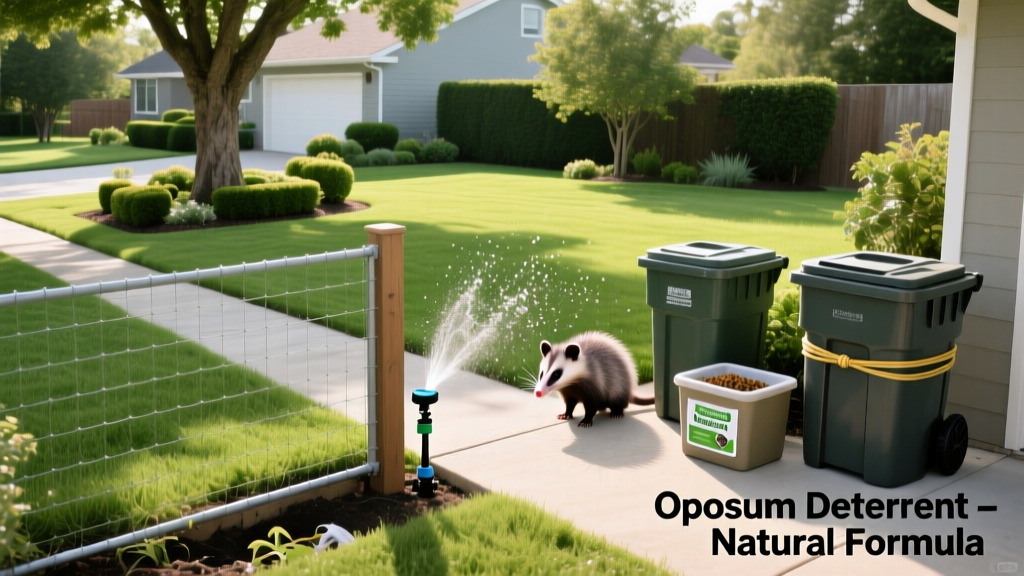
How to Keep Opossums Out of Your Yard: Fencing & Deterrents
The Virginia opossum (Didelphis virginiana) is North America’s only marsupial. While they provide immense ecological value—eating up to 5,000 ticks per season and clearing yards of carrion—their nocturnal foraging habits can wreak havoc on manicured lawns and gardens. If you are dealing with overturned trash cans, raided compost bins, or torn-up turf, understanding how to keep opossums out of your yard requires a multi-layered approach targeting their primary attractants and nesting behaviors.
The Attraction Triangle: Why Opossums Target Your Property
Opossums are opportunistic omnivores with a highly developed sense of smell. They do not randomly wander into yards; they are drawn by specific caloric resources. Before deploying deterrents, you must eliminate the 'Attraction Triangle':
- High Grub Density: Opossums will tear up sod to feed on white grubs. If your lawn exceeds a threshold of 5 to 10 grubs per square foot, it acts as a magnet. You can test this by cutting a 1-square-foot section of turf, peeling it back, and counting the larvae.
- Accessible Proteins and Sugars: Unsecured pet food bowls, fallen orchard fruit (especially persimmons and apples), and unsealed compost bins provide effortless calories.
- Sheltered Microclimates: Opossums do not dig their own deep burrows. Instead, they seek existing cavities under sheds, decks, and crawl spaces that offer protection from wind and predators.
Physical Exclusion: Fencing and Crawl Space Blocking
Because opossums are adept climbers and can squeeze through surprisingly small gaps, standard chicken wire is ineffective. Proper exclusion requires rigid materials and specific installation techniques.
Pro Tip: The L-Footer Technique
To stop opossums from digging under fences or deck skirting, use 19-gauge, 1/2-inch galvanized hardware cloth. Dig a trench 12 inches deep along the perimeter. Bury the bottom 12 inches of the wire, then bend the remaining wire outward at a 90-degree angle (away from the structure) and cover it with 2 inches of soil. When the opossum digs at the base, it hits the horizontal wire barrier and gives up.
To stop opossums from digging under fences or deck skirting, use 19-gauge, 1/2-inch galvanized hardware cloth. Dig a trench 12 inches deep along the perimeter. Bury the bottom 12 inches of the wire, then bend the remaining wire outward at a 90-degree angle (away from the structure) and cover it with 2 inches of soil. When the opossum digs at the base, it hits the horizontal wire barrier and gives up.
Deck and Shed Skirting Specifications
If you have an elevated deck, you must seal the perimeter. Use 1/2-inch hardware cloth rather than lattice, which opossums can easily tear or squeeze through. Ensure all access doors for plumbing or electrical lines are fitted with heavy-duty latches, as opossums possess opposable thumbs on their hind feet and can manipulate simple hook-and-eye closures.
Active Deterrents: Motion Sprinklers and Lighting
When physical exclusion is impossible (such as along open property lines), active deterrents disrupt the opossum’s foraging behavior. Ultrasonic repellents have been repeatedly proven ineffective against marsupials in field trials. Instead, rely on sudden physical stimuli.
| Product Model | Detection Range | Trigger Mechanism | Est. Cost (2026) |
|---|---|---|---|
| Orbit Yard Enforcer (Model 62100) | Up to 70 ft (1,500 sq ft coverage) | Infrared motion + water burst + clicking noise | $75 - $85 |
| Havahart Spray Away (Model 5277) | Up to 30 ft (900 sq ft coverage) | Infrared motion + sudden water spray | $55 - $65 |
| Nite Guard Solar Predator Light | Line of sight (flashing red LED) | Simulates predator eyes (visual deterrent) | $30 (per unit) |
The Orbit Yard Enforcer is the industry standard for mammal deterrence. Its combination of a sudden water jet and a mechanical clicking sound triggers the opossum’s flight response without causing harm. Place the unit near high-traffic zones like trash enclosures or garden beds, and set it to 'Night Only' mode to conserve water and battery life during daytime hours.
Habitat Modification: Starving the Marsupial
Deterrents will eventually fail if the caloric reward is high enough. According to the Humane Society of the United States, modifying the habitat to remove food sources is the most permanent solution to mammal conflicts.
Targeted Grub Control
If your lawn is being torn up, you must break the grub cycle. Apply a preventative grub control containing Chlorantraniliprole (e.g., Acelepryn or Scotts GrubEx) in early June. This active ingredient targets the larvae before they reach the destructive third-instar stage in late summer, effectively removing the opossum’s primary reason for digging up your turf. For an organic alternative, apply Bacillus popilliae (Milky Spore) in the fall, though this takes 2 to 3 years to establish full efficacy in the soil profile.
Trash and Compost Hardening
Opossums can easily knock over standard plastic bins. Upgrade to wildlife-resistant trash cans featuring locking lids, such as the Bearicuda or Toter Bear-Proof models (which are equally effective against smaller mammals). For compost, avoid adding meat, dairy, or fruit scraps; stick to brown carbon materials and green yard waste, and enclose the pile in a rigid wire tumbler.
Warning: Avoid Toxic Repellents
Never use mothballs (naphthalene) or ammonia-soaked rags to deter opossums. The EPA strictly prohibits using mothballs outdoors, as the chemicals leach into the soil and groundwater. Furthermore, ammonia fumes can cause severe respiratory damage to local wildlife, pets, and children. Stick to physical exclusion and motion-activated water deterrents.
Never use mothballs (naphthalene) or ammonia-soaked rags to deter opossums. The EPA strictly prohibits using mothballs outdoors, as the chemicals leach into the soil and groundwater. Furthermore, ammonia fumes can cause severe respiratory damage to local wildlife, pets, and children. Stick to physical exclusion and motion-activated water deterrents.
What to Do If an Opossum is Already Nesting
If you discover an opossum has already established a den under your shed or deck, do not immediately seal the entrance. Opossums are highly protective of their young, especially between May and September. Sealing the exit while the mother is foraging will trap the joeys inside, leading to a cruel death and a severe odor problem as they decompose.
Instead, use passive eviction techniques. Place a radio tuned to a talk station near the den entrance at dusk, and sprinkle a light layer of flour outside the hole. Monitor the flour for footprints leading away from the den. Once you confirm the opossum has left and no dependent young remain, permanently seal the cavity using the L-footer hardware cloth method detailed above. For more information on humane eviction protocols, consult resources from Penn State Extension regarding wildlife damage management.
Frequently Asked Questions
Do opossums carry rabies?
It is exceptionally rare for an opossum to carry rabies. Their average body temperature (94°F to 97°F) is too low to support the rabies virus. If you see an opossum drooling or swaying, it is likely exhibiting its natural defense mechanism (playing dead or 'playing possum') or suffering from a different neurological issue, not rabies.
Will trapping and relocating solve the problem?
No. In most states, relocating wildlife without a permit is illegal. Furthermore, trapping creates a 'vacuum effect.' If you remove one opossum, you simply open up a prime territory with abundant food and shelter, which a new, potentially more aggressive opossum will quickly claim. Focus on exclusion and habitat modification instead.
Are opossums dangerous to my dogs or cats?
Opossums are inherently non-aggressive and would rather flee or play dead than fight. While a large dog might injure an opossum, the opossum poses virtually zero threat to domestic pets. However, you should still keep pets indoors at night to prevent them from harassing the wildlife or contracting secondary parasites like fleas.

