
Pest Control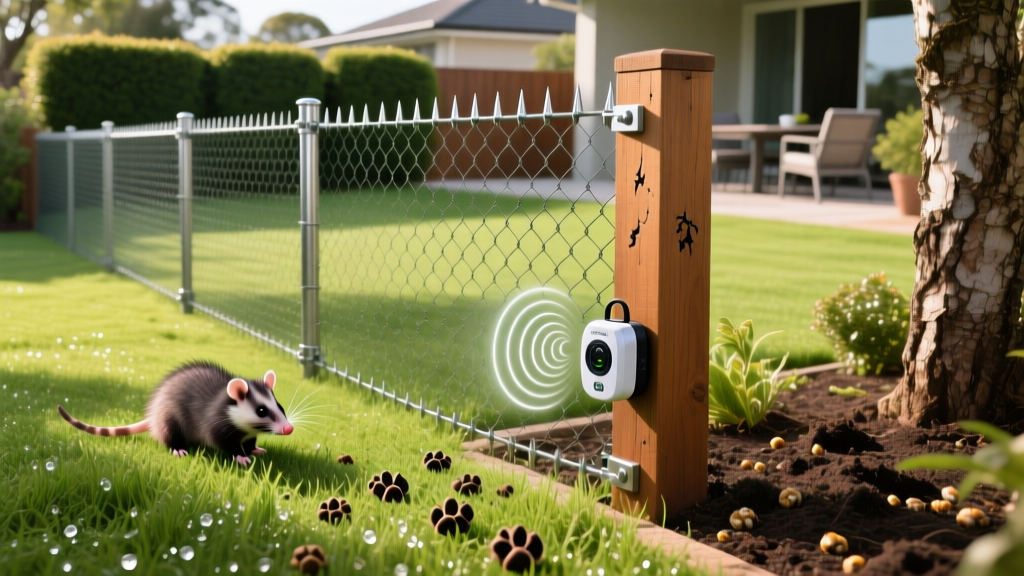
How to Keep Possums Out of Your Yard: Fencing & Deterrents
The Biology of the Backyard Opossum
Before implementing a removal strategy, it is critical to understand the animal you are dealing with. While colloquially called 'possums,' the correct term for the North American species is the Virginia opossum (Didelphis virginiana). Unlike rodents, opossums are marsupials. Understanding their biology is the first step in learning how to keep possums out of your yard effectively.
Expert Insight: The Rabies Myth
Opossums have a naturally low core body temperature (94°F–97°F), which makes it exceptionally difficult for the rabies virus to survive in their system. While they can carry other pathogens like leptospirosis, tuberculosis, and fleas, the risk of rabies transmission from an opossum is virtually zero compared to raccoons or skunks.
Opossums have a naturally low core body temperature (94°F–97°F), which makes it exceptionally difficult for the rabies virus to survive in their system. While they can carry other pathogens like leptospirosis, tuberculosis, and fleas, the risk of rabies transmission from an opossum is virtually zero compared to raccoons or skunks.
Despite their pest status, opossums are highly beneficial to the ecosystem. A single opossum can consume up to 5,000 ticks in a season, significantly reducing the prevalence of Lyme disease in your immediate area, according to The Humane Society of the United States. Therefore, the goal of mammal deterrence is exclusion and habitat modification, not lethal elimination.
Physical Exclusion: Fencing and Dig-Proofing
Opossums are capable climbers and persistent diggers. Standard chicken wire or privacy fences will not stop a determined marsupial looking for a meal. To physically block access to gardens, compost areas, or under-deck spaces, you must construct an L-footer barrier.
Building the L-Footer Barrier
- Material Selection: Purchase 19-gauge, 1/2-inch galvanized hardware cloth. Do not use chicken wire, as opossums can easily chew through it or stretch the gaps.
- Trenching: Dig a trench 12 inches deep and 12 inches wide along the perimeter of the area you want to protect (e.g., under a shed or around a garden bed).
- The L-Bend: Bend the bottom 12 inches of the hardware cloth at a 90-degree angle so it points outward, away from the protected area. This creates the 'L' shape. When the opossum digs at the base of the fence, it hits the wire mesh and cannot proceed.
- Burying and Backfilling: Place the bent portion into the trench and bury it with soil. The vertical portion should extend at least 3 feet above ground.
- The Floppy Top: Because opossums can climb rigid surfaces, leave the top 12 inches of the above-ground fencing unattached to any posts. When the animal attempts to climb over, the wire will bend backward under its weight, dropping it safely on the outside.
Sensory Deterrents: Disrupting the Comfort Zone
When fencing an entire yard is impractical, sensory deterrents exploit the opossum’s reliance on stealth, darkness, and a keen sense of smell. The Internet Center for Wildlife Damage Management recommends rotating deterrents to prevent habituation.
| Deterrent Type | Specific Product / Method | Estimated Cost (2026) | Effectiveness & Maintenance |
|---|---|---|---|
| Motion-Activated Water | Orbit 62100 Yard Enforcer Sprinkler | $85 - $95 | Highly effective. Covers 1,200 sq ft. Requires AA battery replacement every 4-6 months and winterization in freezing climates. |
| Chemical Scent Repellents | Havahart Critter Ridder Granular (Capsaicin/Piperine) | $20 - $25 (5 lbs) | Moderate. Irritates the nasal passages. Must be reapplied every 30 days and immediately after heavy rainfall. |
| Predator Urine | PredatorPee 100% Coyote Urine | $25 - $30 (16 oz) | Moderate to High. Apply on scent tags around the perimeter. Effectiveness drops if local coyote populations are non-existent. |
| Ultrasonic Devices | Various solar-powered ultrasonic stakes | $30 - $50 (2-pack) | Low. Opossums quickly habituate to high-frequency sounds. Not recommended as a standalone solution. |
Warning: Avoid Mothballs and Ammonia
Using mothballs (naphthalene) outdoors is a federal violation of EPA pesticide regulations and is highly toxic to soil, pets, and local waterways. Similarly, ammonia-soaked rags pose severe respiratory risks to non-target wildlife and neighborhood pets. Stick to EPA-registered capsaicin-based repellents.
Using mothballs (naphthalene) outdoors is a federal violation of EPA pesticide regulations and is highly toxic to soil, pets, and local waterways. Similarly, ammonia-soaked rags pose severe respiratory risks to non-target wildlife and neighborhood pets. Stick to EPA-registered capsaicin-based repellents.
Habitat Modification: Eliminating the Attraction Triangle
Deterrents and fences will ultimately fail if your property offers an irresistible combination of food, water, and shelter. Opossums are opportunistic omnivores with a slow metabolism, meaning they do not need to hunt actively; they simply scavenge what is easily available.
1. Eradicating the Grub Food Source
One of the most common reasons opossums tear up turfgrass is to forage for white grubs. If your lawn is suffering from rolled-back sod and shallow digging, treat the underlying insect problem. Apply Heterorhabditis bacteriophora (beneficial nematodes) in late summer when grubs are near the soil surface. Mix 5 million nematodes per 1,500 square feet of lawn, apply with a hose-end sprayer in the early evening, and water deeply to drive them into the root zone. Eliminating the grubs removes the primary protein source drawing the opossums to your grass.
2. Securing Waste and Compost
Standard trash can lids are easily nudged open. Upgrade to bins with locking mechanisms, such as the Toter Bear-Proof cart, or secure existing lids using a heavy-duty rubber bungee cord hooked under the rim. For compost piles, avoid adding meat, dairy, or oily food scraps. Enclose the compost in a rigid, tumbler-style bin with a secure latch rather than an open-ground pile.
3. Modifying Structural Shelter
Opossums seek dark, enclosed spaces to sleep during the day. Inspect your property for the following vulnerabilities:
- Deck Skirting: Install the L-footer hardware cloth mentioned above around the base of all elevated decks and porches.
- Tree Canopies: Trim tree branches so they are at least 3 feet away from your roofline. Opossums use overhanging branches to access attics and roof vents.
- Brush Piles: Clear accumulated yard debris, leaf piles, and stacked lumber, which serve as prime daytime nesting sites.
What to Do If an Opossum is Already Trapped
If you discover an opossum living under your shed or deck, do not immediately seal the entrance. If you seal it while the animal is inside foraging, it will cause severe property damage trying to escape, or worse, trap a mother with her young inside the structure.
Instead, use the one-way exclusion door method. Install a commercial one-way wildlife door over the main entry point. This allows the opossum to exit at night to forage but physically prevents re-entry. Leave the door in place for a minimum of 72 hours. Once you are certain the space is empty, permanently seal the hole with 1/2-inch hardware cloth and expand foam.
Frequently Asked Questions
Do opossums attack pets?
Opossums are non-confrontational and will typically 'play dead' (tonic immobility) when threatened. While a cornered opossum may bite in self-defense, they actively avoid conflicts with dogs and cats. The primary risk to pets is the transmission of fleas, not physical injury.
Is it legal to trap and relocate opossums?
In most U.S. states and municipalities, it is illegal to trap and relocate wildlife without a specific nuisance wildlife permit. Relocation often results in the animal's death due to territorial disputes in the new environment and spreads diseases across county lines. Exclusion and habitat modification are the legally preferred and most effective methods.

