
Pest Control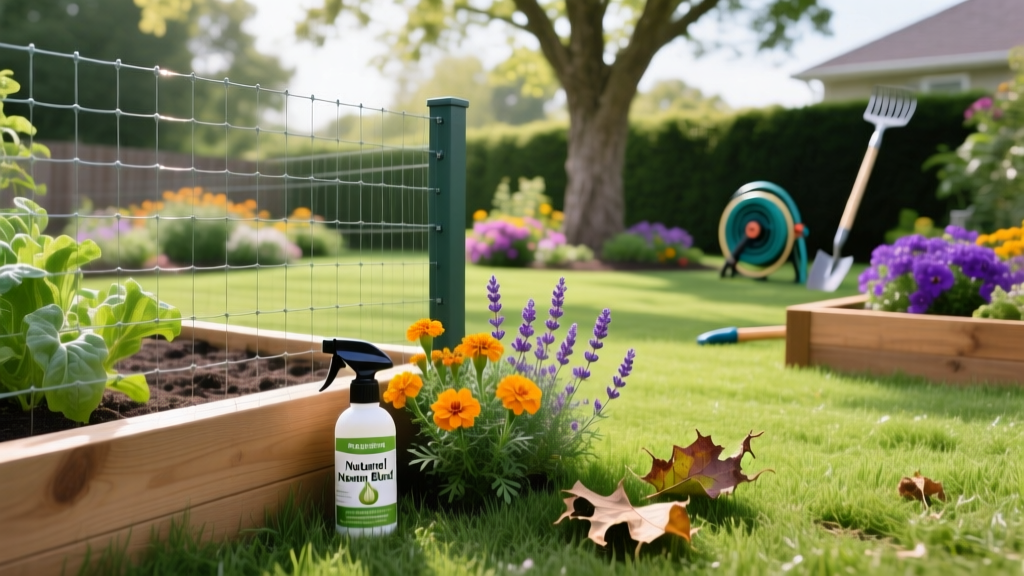
How to Keep Rabbits Out of Garden: Fencing & Repellent Tactics
A single Eastern Cottontail (Sylvilagus floridanus) can consume up to one-third of its body weight in vegetation daily. When you factor in their rapid breeding cycles, a small local population can decimate a newly planted vegetable or ornamental garden in under 48 hours. Learning how to keep rabbits out of garden spaces requires moving beyond anecdotal home remedies and implementing wildlife exclusion strategies backed by integrated pest management (IPM) principles.
Rabbits are opportunistic foragers with specific physical limitations: they rarely jump higher than two feet from a flat surface, and while they do not dig deep, continuous tunnel systems like groundhogs, they are highly proficient at excavating shallow depressions directly under barriers. To secure your perimeter, you must combine precise physical exclusion with targeted chemical repellents and habitat modification.
Understanding Rabbit Foraging and Nesting Behavior
Before installing barriers, it is critical to understand how rabbits interact with your landscape. According to the Internet Center for Wildlife Damage Management, cottontails prefer transitional zones where dense cover meets open foraging areas. They will not cross large, open, exposed lawns if they feel vulnerable to aerial predators like hawks.
In spring and early summer, rabbits target tender, young shoots—specifically peas, beans, lettuce, and emerging perennials. In winter, their diet shifts to woody bark, twigs, and buds. This seasonal shift dictates your defense strategy: liquid repellents that work on summer foliage will fail in winter, whereas physical barriers provide year-round protection.
The Physics of Rabbit Exclusion: Fencing Specifications
Physical exclusion is the only 100% reliable method for protecting high-value garden beds. However, simply staking chicken wire to the ground is a common failure point. Rabbits will push under loose wire or dig at the base of a rigid fence. Below is a comparison of the most effective fencing materials available in 2026, including current material costs.
| Material Type | Mesh Size | Wire Gauge | Cost (50ft Roll) | Best Use Case |
|---|---|---|---|---|
| Galvanized Hexagonal Wire (Standard Chicken Wire) | 1 inch | 19 or 20 gauge | $35 - $45 | Temporary or seasonal vegetable beds; budget-conscious projects. |
| Galvanized Welded Wire Mesh | 1/2 inch x 1 inch | 16 gauge | $65 - $85 | Permanent garden perimeters; resists bending from larger mammals. |
| PVC-Coated Hardware Cloth | 1/2 inch x 1/2 inch | 19 gauge | $90 - $110 | Highly visible ornamental gardens; rust-resistant for damp climates. |
Height Requirement: The fence must extend a minimum of 24 inches above the ground. In regions with heavy winter snowfall, you must account for snowpack elevation; a 36-inch fence is recommended so rabbits cannot simply walk over the barrier on top of compacted snow.
The "L-Shaped Apron" Technique: Preventing Dig-Under
The most frequent reason garden fences fail against rabbits is inadequate subterranean securing. Burying a fence straight down is inefficient because rabbits dig directly at the fence line, causing the soil to collapse under the wire.
Instead, wildlife control professionals use the L-Shaped Apron method. Here is how to execute it:
- Purchase a roll of wire mesh that is 36 inches wide (instead of the standard 24 inches).
- Bend the bottom 12 inches of the mesh at a 90-degree angle outward, away from the garden interior, creating an "L" shape.
- Place the vertical 24-inch section against your garden posts.
- Lay the 12-inch horizontal apron flat on the ground extending outward.
- Secure the apron to the soil using 6-inch galvanized landscape staples (U-pins) placed every 3 feet.
- Cover the apron with 2 inches of soil, mulch, or sod.
When a rabbit approaches the fence and attempts to dig at the base, it will encounter the horizontal wire apron and stop, lacking the instinct to back up two feet and dig behind the barrier.
Repellent Chemistry: What Actually Works
While physical barriers are ideal for vegetable gardens, they are often impractical for large ornamental borders or sprawling perennial beds. In these scenarios, repellents are necessary. However, not all active ingredients are created equal. The Penn State Extension notes that repellent efficacy drops significantly during periods of high food scarcity or heavy rainfall.
Active Ingredient Breakdown
- Putrescent Whole Egg Solids (e.g., Liquid Fence): Operating at a 24.8% concentration, this area repellent mimics the scent of decaying protein, triggering a predator avoidance response. It is highly effective on ornamentals but should not be applied directly to edible plant tissues due to taste transfer and food safety regulations.
- Capsaicin / Hot Pepper Wax (e.g., Bonide Rabbit Scat): A contact repellent that irritates the rabbit's mucous membranes upon biting. Safe for edibles up to the day of harvest, but requires reapplication every 7-10 days or immediately after 1 inch of rainfall.
- Thiram (Fungicide/Repellent): Highly effective for winter protection on woody shrubs and tree bark. Note that Thiram is a chemical fungicide and is strictly prohibited on any plant intended for human consumption.
Warning: Scent Fatigue and Habituation
Rabbits are highly adaptable. If you use the same capsaicin-based repellent for an entire season, the local population will eventually habituate to the irritant, especially if alternative food sources are scarce. To maintain efficacy, rotate between an area repellent (egg solids) and a contact repellent (capsaicin/mint oils) every 4 to 6 weeks.
Rabbits are highly adaptable. If you use the same capsaicin-based repellent for an entire season, the local population will eventually habituate to the irritant, especially if alternative food sources are scarce. To maintain efficacy, rotate between an area repellent (egg solids) and a contact repellent (capsaicin/mint oils) every 4 to 6 weeks.
Habitat Modification: Removing the Welcome Mat
Deterrence is incomplete without altering the environment that attracts rabbits in the first place. Rabbits require proximity to cover to feel safe foraging.
- The 3-Foot Clearance Rule: Mow grass and remove brush piles, tall weeds, and debris within a 3-foot radius outside your garden fence. This exposes rabbits to avian predators and drastically reduces their willingness to approach the barrier.
- Seal Structural Gaps: Inspect the underside of sheds, decks, and porches. Rabbits frequently use these as surrogate burrows. Seal gaps with heavy-gauge welded wire, ensuring no gaps larger than 1 inch remain.
- Strategic Plant Zoning: Plant highly susceptible crops (lettuce, beans, young hostas) in the center of the garden, furthest from the perimeter. Plant rabbit-resistant species like alliums, marigolds, snapdragons, and daffodils along the outer borders to create a natural buffer zone.
Step-by-Step Weekend Implementation Plan
For a standard 500-square-foot garden (e.g., 20x25 feet), requiring 90 linear feet of fencing, follow this execution sequence:
- Day 1 Morning: Clear the 3-foot perimeter of brush and tall grass. Mark the fence line using landscaping spray paint.
- Day 1 Afternoon: Drive 6-foot steel U-posts or treated wooden stakes every 8 feet along the marked line using a post driver. Ensure 3.5 feet remain above ground.
- Day 2 Morning: Unroll the 36-inch galvanized wire mesh. Let it sit in the sun for two hours to relax the coil memory, making it easier to bend the L-shaped apron.
- Day 2 Afternoon: Attach the mesh to the posts using heavy-duty zip ties or galvanized fence staples. Bend the apron outward, pin it to the soil, and cover with mulch. Install a rigid wooden gate frame for the entry point, ensuring the gate sweep sits flush against the soil.
By combining the L-shaped wire apron technique with strategic repellent rotation and perimeter habitat clearance, you create a multi-tiered defense system that addresses both the physical capabilities and psychological foraging instincts of garden rabbits. This integrated approach ensures your landscape remains intact through all seasons.

