
Pest Control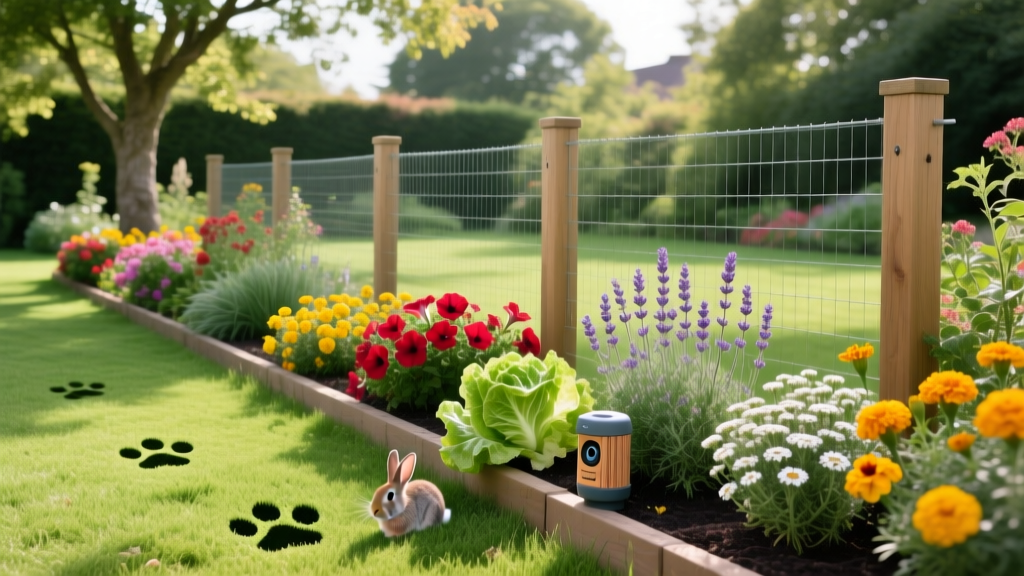
Keeping Rabbits Out of Garden Plots: Fencing, Repellents & Plants
The Damage Signature: Identifying Rabbit Feeding
Before deploying deterrents, confirm the culprit. Eastern cottontails (Sylvilagus floridanus) and jackrabbits leave a highly specific feeding signature: stems clipped cleanly at a sharp 45-degree angle. Because rabbits possess sharp, chisel-like incisors, they slice through young shoots, bean vines, and tree bark with surgical precision. This contrasts sharply with deer damage, which leaves jagged, torn stem ends due to their lack of upper front teeth. If you are finding clipped stems less than 24 inches above the soil line, you are dealing with a rabbit incursion, and standard deer deterrents will fail to address their ground-level foraging and burrowing habits.
The Physics of Exclusion: Hardware Cloth vs. Chicken Wire
The most common failure in rabbit exclusion is the use of poultry netting (chicken wire). While inexpensive, chicken wire is structurally inadequate for mammal deterrence. The 1-inch hexagonal mesh allows juvenile rabbits (kits) to pass through, and the thin, flexible wire is easily crushed by raccoons or neighborhood dogs, creating permanent entry breaches.
Warning: The Chicken Wire Trap
Raccoons and foxes frequently tear through 20-gauge chicken wire to access rodents hiding inside your garden. Once a predator creates a 6-inch tear in the mesh, cottontails will use that exact breach as a primary entry point. Always upgrade to rigid galvanized hardware cloth for permanent perimeter defense.
Specifying the Correct Barrier
For reliable exclusion, purchase 19-gauge, 1/2-inch galvanized hardware cloth. As of 2026, a 50-foot roll (36 inches wide) typically costs between $45 and $65 at major agricultural suppliers. This initial investment outlasts chicken wire by a decade and completely blocks entry.
- Above-Ground Height: 24 to 30 inches. Cottontails rarely jump higher than 2 feet unless chased, and a 30-inch opaque barrier removes their visual incentive to attempt a leap.
- Underground Depth: Bury the bottom edge 6 inches straight down into the soil.
- The L-Shaped Apron: For heavy clay or loose loam soils where rabbits dig extensively, bend the bottom 6 inches of the mesh outward at a 90-degree angle (away from the garden) and bury it 2 inches deep. When a rabbit digs at the fence line, its paws hit the wire apron, preventing further excavation.
Chemical & Organic Repellents: Active Ingredients & Rainfastness
Fencing is not always viable for large acreage or ornamental front yards. In these scenarios, chemical repellents offer a secondary line of defense. However, efficacy relies entirely on the active ingredient's rainfastness and your rotation strategy. Rabbits quickly habituate to single-scent repellents; you must rotate active ingredients every 3 to 4 weeks to maintain the illusion of a changing environmental threat.
| Active Ingredient | Commercial Example | Rainfastness | Best Application Scenario |
|---|---|---|---|
| Putrescent Egg Solids | Liquid Fence, Deer Scents | High (24hr cure) | Perimeter spraying on non-edible ornamentals and shrub borders. |
| Capsaicin (Hot Pepper) | I Must Garden, Miller Hot Sauce | Low (Washes off easily) | Direct leaf application on edible crops; requires reapplication after every rain event. |
| Thiram (Fungicide) | Bonide Rabbit Scat | Moderate | Winter protection for tree bark and dormant shrubs (not for human food crops). |
| Predator Urine (Coyote/Fox) | Shake-Away, Russell Natural | None (Soil degrades it) | Cotton ball placement along fence lines; highly volatile and requires weekly replacement. |
Pro Tip: The Capsaicin Timing Rule
Capsaicin-based repellents only work as a deterrent, not a cure. You must apply hot pepper sprays before rabbits establish a feeding habit in your garden. Once a rabbit learns that your hostas or beans are a reliable food source, the mild irritation of capsaicin will not override their caloric drive, and they will eat through the spice barrier.
Habitat Modification & Botanical Deterrence
Rabbits are edge-dwelling prey animals. They require dense cover within 10 to 20 feet of their feeding zones to escape aerial predators like hawks. Modifying the micro-habitat around your garden drastically reduces its carrying capacity for local rabbit populations.
Eliminating Harborages
- Remove brush piles, stacked lumber, and dense ivy patches within 30 feet of the garden perimeter.
- Seal off the crawl spaces beneath sheds, decks, and porches using the same 1/2-inch hardware cloth, as these are prime nesting sites for litters born between March and September.
- Keep grass and weeds mowed down to the soil line directly against the exterior of your garden fence. Tall grass acts as a 'bridge' that conceals rabbits as they approach the barrier and search for dig spots.
Strategic Plant Placement
While no plant is 100% rabbit-proof during a severe drought or late-winter food scarcity, integrating highly unpalatable flora creates a natural buffer zone. Plant a 3-foot perimeter border of Alliums (ornamental onions), Lavender, Russian Sage, and Marigolds. The volatile oils and fuzzy textures of these plants offend the rabbit's sensitive olfactory and tactile senses. Conversely, never plant clover, peas, beans, or young brassicas near the garden edge, as these act as high-value attractants.
Decision Matrix: Matching Strategy to Yard Topography
Selecting the right deterrent requires analyzing your specific property constraints. Use this framework to allocate your pest control budget effectively:
- Scenario A: Small Urban Raised Beds (Under 200 sq ft).
Solution: Fully enclosed hardware cloth hoop houses. The cost is minimal ($40 for materials), and it provides 100% exclusion against both rabbits and groundhogs. - Scenario B: Large Rural Row Crops (Over 1,000 sq ft).
Solution: Perimeter electric fencing. A two-wire polytape system (one wire at 4 inches, one at 12 inches above ground) baited with peanut butter will train and repel local populations for under $150 in materials. - Scenario C: Ornamental Front Yard Landscaping (HOA Restricted).
Solution: Botanical buffers combined with putrescent egg solid repellents. Avoid visible wire fencing; rely on allium borders and bi-weekly liquid repellent rotations.
Common Maintenance Failures That Invite Rabbits Back
Even a perfectly installed barrier will fail if seasonal maintenance is ignored. The two most frequent edge-case failures occur during winter and spring mulching cycles.
The Snow Bridge Effect: In northern climates, a 30-inch fence becomes useless when snow accumulates to 24 inches. Rabbits will simply walk on top of the hardened snow crust directly over your fence. You must extend your hardware cloth to 48 inches in regions with heavy snowpack, or actively shovel the fence perimeter after every major storm.
The Mulch Ramp: Homeowners frequently pile hardwood mulch against the base of their garden fences to suppress weeds. This creates a physical ramp, effectively lowering the fence height by 4 to 6 inches and giving rabbits the leverage needed to squeeze under the bottom rail. Always maintain a 3-inch bare-soil gap between your mulch bed and the exclusion fence.
For comprehensive regional data on rabbit population cycles and localized trapping regulations, consult the Internet Center for Wildlife Damage Management and your local university extension office, such as the University of Minnesota Extension guidelines on mammal exclusion.

