
Pest Control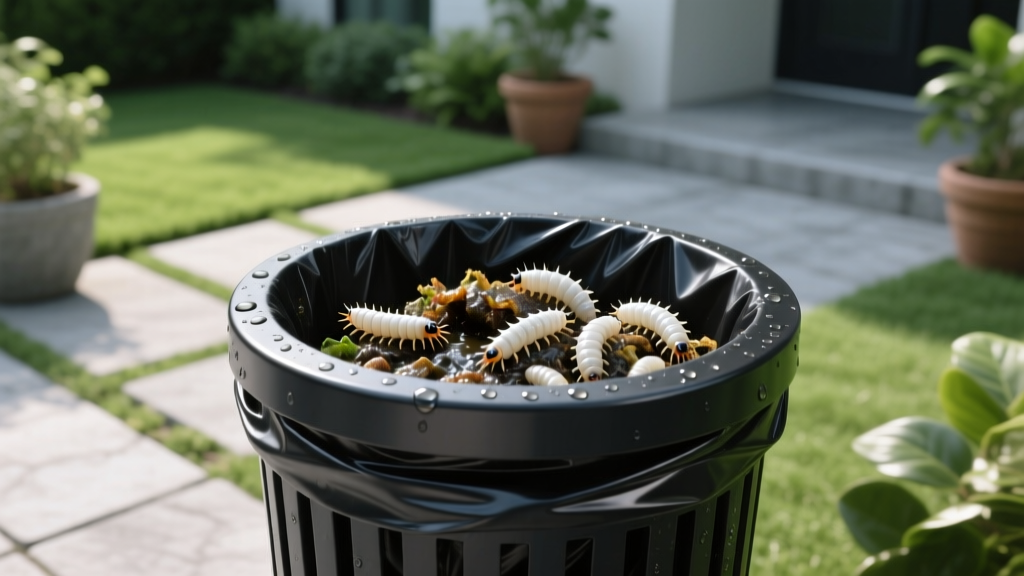
How to Eliminate Maggots in Trash Can Outdoor Bins Fast
The Biology of the Outdoor Bin Infestation
Maggots are the larval stage of the common housefly (Musca domestica) and blowflies (Calliphoridae). An outdoor trash can acts as an incubator, combining decaying organic matter, moisture, and trapped heat. According to the University of California Integrated Pest Management program, a single female housefly can lay up to 200 eggs in her lifetime. In the microclimate of a sealed plastic bin sitting in direct sunlight (often exceeding 90°F internally), these eggs hatch in as little as 8 to 20 hours. The larvae feed aggressively for 3 to 5 days before pupating, meaning an infestation can seem to appear overnight.
Standard yard defense requires treating the bin not just as a receptacle, but as a primary pest breeding ground. Eradication requires a two-pronged approach: immediate thermal or chemical shock to kill existing larvae, followed by structural and environmental modifications to break the reproductive cycle.
Immediate Eradication Protocols
When you open your bin lid and see active maggots, rapid intervention is necessary before they pupate into adult flies. Follow this sequential protocol for maximum efficacy.
Step 1: Thermal Shock Treatment
Boiling water is the fastest, most cost-effective initial strike. Bring two gallons of water to a rolling boil (212°F). Pour it directly over the maggots, focusing on the bottom corners and any liquid pooling (leachate) at the base. The extreme heat denatures the proteins in the larvae, killing them instantly. This method costs $0 but does not provide residual protection.
Step 2: Desiccation via Diatomaceous Earth
Once the bin is drained and the interior is relatively dry, apply Food-Grade Diatomaceous Earth (DE). DE consists of fossilized diatoms that physically lacerate the waxy exoskeleton of insects, causing them to dehydrate and die.
- Application Rate: Apply 2 to 3 tablespoons of DE along the bottom seams and interior walls.
- Cost: Approximately $15 for a 4 lb bag (e.g., Harris Food Grade DE), which will last an entire season.
- Safety: Wear an N95 mask during application to avoid inhaling fine silica dust. DE is entirely non-toxic to humans and pets once settled.
Step 3: Chemical Knockdown (For Severe Infestations)
If the infestation is deeply embedded in dried debris stuck to the bin walls, use a Pyrethrin-based spray. Pyrethrins are botanical insecticides derived from chrysanthemum flowers that attack the nervous system of insects. The Environmental Protection Agency (EPA) notes that pyrethrins break down rapidly in sunlight, making them ideal for outdoor bins where chemical residue is a concern. Products like MGK Pyrethrin concentrate (diluted at 1 oz per gallon of water) provide immediate knockdown without long-term soil or plastic contamination.
Treatment Comparison Matrix
Selecting the right treatment depends on the severity of the infestation, your budget, and environmental preferences. Use the matrix below to choose your primary eradication method.
| Treatment Method | Active Mechanism | Kill Time | Residual Protection | Cost per Application |
|---|---|---|---|---|
| Boiling Water | Thermal shock (protein denaturation) | Instant | None | $0.00 |
| Food-Grade DE | Physical desiccation (exoskeleton laceration) | 12-24 hours | High (if kept dry) | ~$0.15 |
| Pyrethrin Spray | Neurotoxin (botanical) | 15-30 minutes | Low (UV degrades it) | ~$0.50 |
| Bleach Solution | Chemical oxidation and pH shock | 5-10 minutes | None | ~$0.25 |
| Permethrin Dust | Synthetic neurotoxin | 1-2 hours | Very High | ~$0.40 |
CRITICAL SAFETY WARNING: Never mix bleach solutions with ammonia, acidic cleaners, or enzymatic odor removers. Mixing bleach with ammonia creates chloramine gas, while mixing it with acids releases toxic chlorine gas. Always rinse the bin thoroughly with plain water and allow it to dry before applying a secondary chemical treatment.
Structural Bin Modifications for Yard Defense
Eradication is useless if the structural integrity of your bin allows continuous access to egg-laying flies. The Penn State Extension Entomology Department emphasizes that exclusion is the most effective long-term pest management strategy. Implement the following physical modifications:
1. Install a Rubber Gasket Seal
Most standard 96-gallon municipal carts lack a true hermetic seal. The gap between the lid and the rim allows the scent of decaying organics to escape, drawing flies from hundreds of yards away. Purchase a self-adhesive EPDM rubber weatherstrip (1/2-inch wide, available at hardware stores for under $10). Apply it along the interior lip of the lid. This creates an airtight compression seal when the lid closes, trapping odors inside and blocking fly entry.
2. Secure the Lid Against Scavengers
Raccoons, opossums, and neighborhood dogs frequently knock over bins, scattering refuse and creating open feeding grounds for flies. Use a heavy-duty bungee cord with a carabiner clip to secure the lid handle to the side lift bar. For areas with high wildlife activity, invest in a bear-proof gravity lock lid (approx. $45-$60), which requires an upward pull-and-push mechanism that animals cannot manipulate.
3. Drill and Screen Drain Holes
Many outdoor bins develop micro-cracks or have factory drain plugs that leak leachate. If your bin retains liquid, drill a single 1/4-inch hole at the lowest point of the base to allow drainage. Cover this hole from the inside with a 2x2 inch piece of stainless steel wire mesh (secured with waterproof marine epoxy) to allow liquid out while preventing flies from crawling in.
Odor Neutralization and Long-Term Prevention
Flies locate breeding sites via olfactory receptors tuned to volatile organic compounds (VOCs) like putrescine and cadaverine released during protein decay. Masking these odors with pine sprays is ineffective; you must break down the VOCs at the molecular level.
"Enzymatic cleaners utilize specific bacteria and enzymes (proteases and lipases) to digest the proteins and fats causing the odor, effectively removing the chemical beacon that attracts flies."
The Bi-Weekly Wash Routine:
- Rinse: Use a pressure washer (minimum 1,500 PSI) to blast out physical debris and biofilm from the bin walls.
- Enzymatic Treatment: Spray the interior with a commercial outdoor enzymatic cleaner (e.g., Simple Green Outdoor Odor Eliminator or Zep Commercial Enforcer). Use approximately 4 oz per gallon of water. Let it sit for 10 minutes without rinsing so the enzymes can digest the biofilm.
- Moisture Absorption: Once dry, sprinkle 1/2 cup of baking soda or unused clay-based kitty litter at the bottom of the bin. This absorbs residual moisture from dripping trash bags, depriving maggots of the damp environment they require to survive.
Frequently Asked Questions
Will maggots survive the garbage truck compactor?
No. The hydraulic compaction blades inside a municipal garbage truck exert between 2,000 and 3,000 PSI of crushing force, which will instantly kill maggots and pupae. However, allowing them to reach the truck means they have already spent days breeding in your yard, increasing the local fly population.
Can I use salt to kill maggots in my outdoor bin?
Yes, table salt kills maggots through osmosis, drawing the water out of their bodies. However, it requires a massive volume (several cups) to be effective in a large 96-gallon bin, making it less economical and slower than boiling water or Diatomaceous Earth. Furthermore, heavy salt accumulation in the bin leachate can harm soil and grass if the liquid leaks out onto your lawn.
Do maggots turn into flies inside the closed bin?
Yes. If left undisturbed, maggots will crawl to the drier upper edges of the bin or the underside of the lid to pupate. The pupal stage lasts 3 to 6 days. When they emerge as adult flies, they will be trapped inside the bin until you open the lid, at which point they will immediately disperse into your yard to feed and reproduce.

