
Pest Control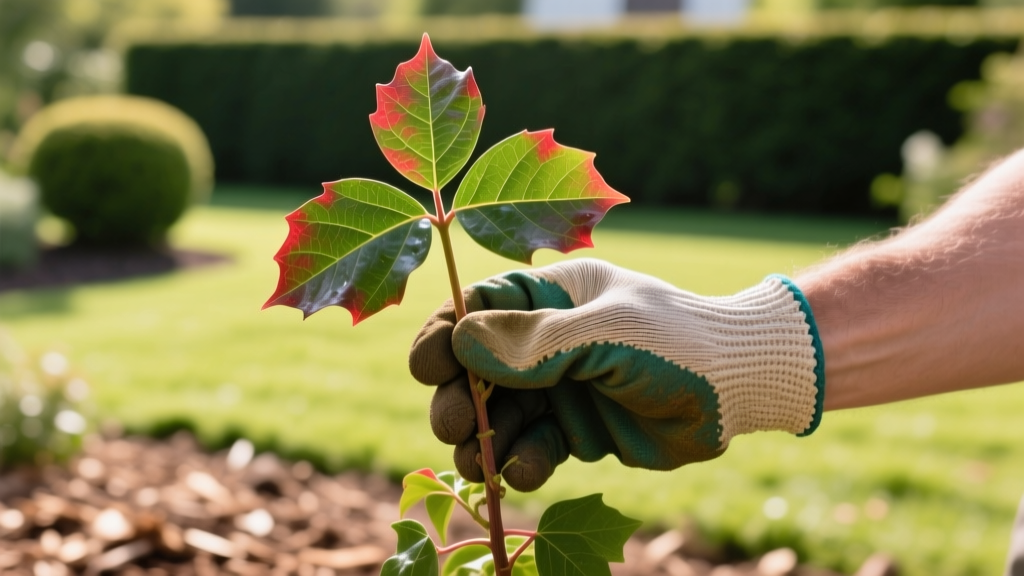
How Do You Kill Poison Ivy Plants? The Removal Playbook
The Urushiol Threat: Why Standard Weeding Fails
When homeowners ask, "how do you kill poison ivy plants," they are usually dealing with a recurring infestation that survives casual pulling. The culprit is Toxicodendron radicans, a resilient woody vine that spreads via underground rhizomes and seeds. More importantly, every part of the plant contains urushiol, a highly stable organic allergen that triggers severe contact dermatitis in 85% of the population. Urushiol oil can remain active on dead vines, gardening tools, and unwashed clothing for up to five years.
Successfully eradicating poison ivy requires a strategic playbook that combines proper identification, aggressive extraction, and targeted chemical or organic smothering. According to the American Academy of Dermatology, indirect contact with contaminated tools or pet fur is a leading cause of secondary outbreaks, making post-removal decontamination just as critical as the extraction itself.
Identify the Target: Poison Ivy vs. Lookalikes
Before deploying herbicides or digging tools, confirm the target. Misidentifying Virginia Creeper or Boxelder seedlings leads to unnecessary chemical use and leaves the actual threat untouched.
| Plant Species | Leaf Structure | Stem/Vine Traits | Urushiol Present? |
|---|---|---|---|
| Poison Ivy | 3 leaflets (middle stem longer) | Hairy, rope-like aerial roots on vines | Yes (High) |
| Virginia Creeper | 5 leaflets radiating from center | Smooth bark, uses adhesive discs to climb | No (Contains oxalates) |
| Boxelder Seedling | 3 leaflets (often heavily toothed) | Upright woody stem, no aerial roots | No |
| Boston Ivy | 3 leaflets (or single lobed leaves) | Uses adhesive discs, turns bright red in fall | No |
The Mechanical Playbook: Manual Extraction
Manual removal is viable only for small, isolated patches (under 10 square feet) or when working near desirable plants where herbicide drift is unacceptable. Penn State Extension warns that cutting or mowing poison ivy aerosolizes plant sap, which can cause severe respiratory reactions if inhaled.
Mandatory PPE Loadout
- Body: DuPont Tyvek disposable coverall suit (~$18). Do not wear cotton or fleece, which absorb and retain urushiol oil.
- Hands: Heavy-duty 15-mil nitrile gloves (e.g., Ansell Sol-Vex, ~$25/pair). Never use latex or cloth gloves; urushiol penetrates them easily.
- Face: FFP3 or N100 respirator mask and sealed safety goggles if cutting thick vines.
- Feet: Rubber boots that can be scrubbed with degreasing soap afterward.
Step-by-Step Extraction Protocol
- Soil Preparation: Water the target area deeply 24 hours before extraction. Moist soil allows the rhizome network to slide out with less breakage.
- Sever the Vines: Using long-handled loppers, cut climbing vines 2 inches above the soil line. Do not pull vines down from trees; let them dry and die in place to avoid showering yourself with toxic sap.
- Dig the Crown: Use a spading fork (not a shovel, which slices rhizomes) to loosen the soil 12 inches deep around the base. Lift the entire root crown intact.
- Disposal: Place all plant matter directly into heavy-duty contractor trash bags. Never compost or burn poison ivy. Burning vaporizes urushiol, which can cause life-threatening pulmonary edema if inhaled.
The Chemical Playbook: Herbicide Selection & Application
For large infestations or established woody vines, systemic herbicides are the most reliable solution. The goal is to transport the active ingredient down into the deep rhizome network. Timing is critical: apply herbicides in late summer or early fall (August to October) when the plant is actively pulling carbohydrates down into its roots for winter storage.
Active Ingredients & Product Recommendations
1. Triclopyr + 2,4-D (The Professional Standard)
Products like Crossbow Specialty Herbicide (~$42 for 32 oz) or Ortho MAX Poison Ivy & Tough Brush Killer (~$14 for 24 oz ready-to-spray) are highly effective on woody vines. Triclopyr mimics plant hormones, causing uncontrolled growth that exhausts and kills the root system.
- Mixing Ratio (Crossbow): 2.5 fluid ounces per gallon of water for foliar spray.
- Surfactant: Add 1 tablespoon of non-ionic surfactant (e.g., Dyna Adjuvant) per gallon to break the waxy cuticle of the leaves.
2. Glyphosate (The Non-Selective Option)
Products like Roundup Pro Concentrate (41% glyphosate) work well but will kill any desirable grass or broadleaf plants they touch. Use only in isolated beds or via targeted application.
- Mixing Ratio: 2.5 ounces per gallon of water.
The Cut-Stump Method for Thick Vines
If the poison ivy vine climbing your oak tree is thicker than 1/2 inch in diameter, foliar spraying is inefficient and risks damaging the tree canopy. Instead, use the cut-stump method:
- Wear full PPE and cut the vine horizontally 6 inches above the ground.
- Immediately (within 60 seconds) paint the freshly cut stump with undiluted Crossbow or 41% Glyphosate using a disposable foam brush.
- The plant will absorb the concentrated chemical directly into its vascular system, killing the roots without harming the host tree.
⚠️ CRITICAL WARNING: Never use a string trimmer or weed whacker on poison ivy. The high-speed nylon string shreds the leaves and stems, launching microscopic droplets of urushiol oil into the air and onto your skin, guaranteeing a severe allergic reaction.
The Organic Playbook: Solarization and Smothering
If you manage an organic property or are dealing with a patch near a vegetable garden, chemical herbicides are off the table. The smothering method requires patience (6 to 12 months) but is 100% effective against the rhizome network.
- Don your PPE and use a machete or shears to cut the foliage as close to the ground as possible.
- Cover the entire area with overlapping sheets of thick, uncoated cardboard (remove all tape and staples).
- Wet the cardboard thoroughly to mold it to the soil contours.
- Pile 4 to 6 inches of heavy arborist wood chips or compost over the cardboard.
- Monitor the edges monthly. Any shoots that find a gap in the cardboard should be immediately snipped and painted with a 20% horticultural vinegar solution.
Post-Removal Decontamination Protocol
Removing the plant is only half the battle. Decontaminating your gear prevents secondary exposure weeks later.
- Skin: Wash exposed skin within 30 minutes of contact using Tecnu Extreme Poison Ivy Scrub (~$18) or standard Dawn Ultra dish soap and cold water. Hot water opens pores and drives the oil deeper into the skin.
- Tools: Wipe down shovels, loppers, and sprayers with rubbing alcohol (isopropyl 70%+) or mineral spirits. Alcohol dissolves urushiol oil effectively.
- Clothing: Wash Tyvek suits and contaminated clothing separately in a washing machine using hot water, heavy-duty detergent, and a full cycle. Run an empty rinse cycle afterward to clean the drum.
Frequently Asked Questions
Does poison ivy die in the winter?
No. While the leaves drop and the vine appears dead, the root system remains highly active and dormant. Furthermore, the leafless winter vines are still coated in urushiol oil and can cause severe rashes if handled without gloves during winter pruning.
Can I use goats to clear poison ivy?
Yes, goats are immune to urushiol and will aggressively eat poison ivy, poison oak, and poison sumac. However, this is a temporary suppression method, not an eradication strategy. The goats will eat the foliage, but the deep rhizomes will resprout once the goats are removed. It is best used as a precursor to targeted herbicide application on the new, tender growth.
How long does it take for herbicide to kill the roots?
Systemic herbicides like Triclopyr take 14 to 21 days to show visible wilting, and up to 6 weeks to completely kill a mature rhizome network. Do not reapply if the leaves look brown after one week; the chemical is still translocating through the vascular system. Wait at least 45 days before assessing the need for a second application.

