
Pest Control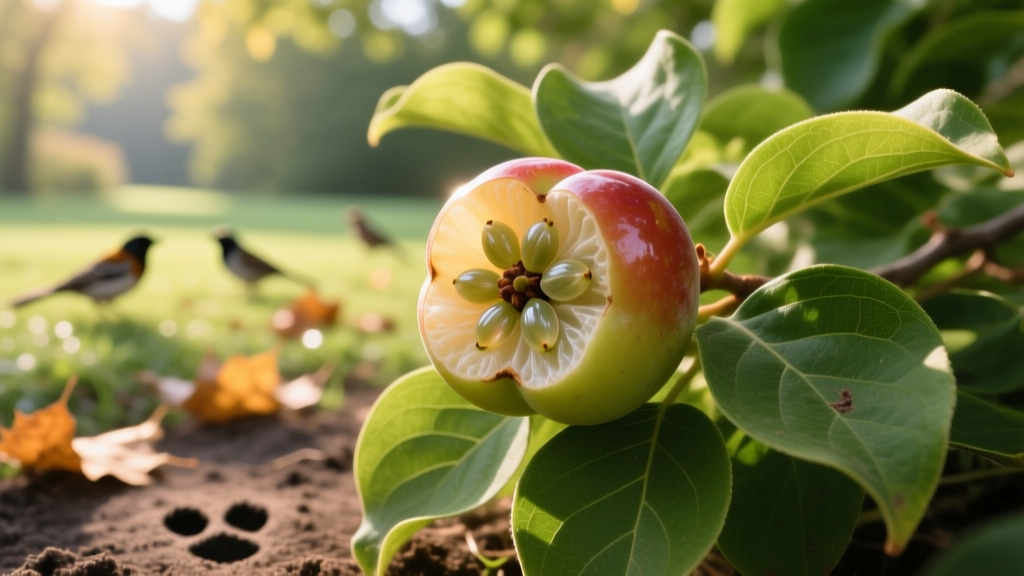
Is Kousa Dogwood Fruit Poisonous? Pest & Wildlife Guide
The "Poisonous" Myth: Is Kousa Dogwood Fruit Safe?
Every autumn, as Cornus kousa trees drop their bumpy, raspberry-like berries, a familiar panic sets in among new homeowners and pet owners. The search query "is kousa dogwood fruit poisonous" spikes predictably between September and November. The short answer is no: the fleshy pulp of the Kousa dogwood fruit is not poisonous to humans, dogs, or cats. In fact, the ripe flesh is edible, offering a mild, sweet flavor often compared to a cross between a persimmon and a mango.
⚠ Toxicity Caveat: The Seeds
While the flesh is safe, the seeds inside the fruit contain trace amounts of cyanogenic glycosides (similar to apple or cherry seeds). Swallowing a few seeds whole will pass harmlessly through a dog's digestive tract, but chewing and ingesting massive quantities could theoretically cause mild gastrointestinal distress. For practical lawn and garden purposes, the fruit is considered non-toxic and is not a poison control hazard.
According to the NC State Extension plant database, Kousa dogwoods are highly resistant to the fungal diseases that plague native flowering dogwoods, making them a staple in modern landscaping. However, while the fruit itself isn't a toxic threat, the consequences of the fruit drop create significant pest control and wildlife management challenges for beginners.
The Real Threat: Pests Attracted to Fruit Drop
When Kousa dogwood fruit hits the ground and begins to ferment, it becomes a magnet for secondary pests. Managing this fruit drop is your first line of defense in residential pest control.
- Yellowjackets and Wasps: Fermenting fruit sugars attract aggressive late-season yellowjackets. If your tree is near a patio or walkway, this creates a stinging hazard. Solution: Rake and compost fallen fruit every 3 to 4 days during peak drop (usually late September to mid-October).
- Carpenter Ants and Rodents: Rotting fruit draws carpenter ants, which can subsequently explore nearby wooden structures or deadwood on the tree itself. Mice and voles are also attracted to the caloric density of the fallen berries.
- The Vole-Borer Pipeline: This is the most critical beginner mistake. Voles attracted to the fruit drop will take up residence in thick mulch around the tree base. Once winter hits and the fruit is gone, these rodents chew on the lower bark, creating open wounds. These wounds emit stress pheromones that attract the most destructive insect pest of the species: the Dogwood Borer.
Insect Pest Control: Protecting the Trunk and Canopy
While the fruit drop manages itself with a good rake, the structural integrity of your Kousa dogwood requires targeted pest management. Though highly resistant to Discula destructiva (dogwood anthracnose), Kousa dogwoods are still vulnerable to specific wood-boring and sap-sucking insects.
1. The Dogwood Borer (Synanthedon scitula)
The dogwood borer is a clearwing moth whose larvae tunnel into the cambium layer of the tree, disrupting nutrient flow. While Kousa dogwoods are slightly less susceptible than native Cornus florida, they are by no means immune, especially if the trunk has been nicked by a string trimmer or lawnmower.
Identification: Look for "frass"—a sawdust-like excrement mixed with sap—oozing from small holes in the bark, usually within 2 feet of the soil line. You may also notice premature autumn leaf drop or dieback in the upper canopy.
Treatment Protocol:
Prevention is vastly superior to cure. Maintain a 2-inch layer of mulch in a "donut" shape (keep it 3 inches away from the trunk) to prevent mower damage and deter vole harborage. If borers are active, apply a trunk spray containing Permethrin (such as Bonide Eight Insect Control, typically $15–$22 per 16oz concentrate) in early May and again in late June. Spray the trunk from the soil line up to the first major branch crotch. Do not spray the canopy, as permethrin is highly toxic to bees and aquatic life.
2. Scale Insects and Sooty Mold
Calico scale and oystershell scale insects attach themselves to the twigs and branches, sucking phloem sap and excreting honeydew. This sticky honeydew promotes the growth of black sooty mold, which blocks photosynthesis and stunts growth.
Treatment Protocol:
Avoid broad-spectrum summer insecticides, which kill the parasitic wasps that naturally control scale populations. Instead, use a 2% to 4% dormant horticultural oil (like Bonide All Seasons Horticultural Oil, approx. $12–$16 per gallon). Apply this in late winter (February or early March) when the tree is fully dormant but temperatures are consistently above 35°F and below 70°F. The oil physically suffocates the overwintering scale nymphs without leaving toxic chemical residues.
Pest Control Matrix: Kousa Dogwood Treatments
| Target Pest | Recommended Product Type | Application Window | Est. Cost (Retail) |
|---|---|---|---|
| Dogwood Borer | Permethrin trunk spray (e.g., Bonide Eight) | Early May & Late June | $15 – $22 |
| Scale Insects | Dormant Horticultural Oil (2-4% solution) | Late Winter (Dormant, >35°F) | $12 – $16 |
| Fruit-Attracted Wasps | Physical removal (Raking/Composting) | Sept – Oct (Every 3 days) | $0 (Labor only) |
| Bark-Chewing Voles | Hardware cloth trunk guards (1/4" mesh) | Installed in November | $8 – $12 per roll |
Beginner's Seasonal Pest Management Calendar
To keep your Kousa dogwood thriving and pest-free, follow this simplified annual maintenance schedule. The Clemson University Home & Garden Information Center emphasizes that proper cultural care reduces pest susceptibility by up to 80%.
- Early Spring (March): Inspect the trunk for borer frass. Apply horticultural oil if scale insects were present the previous year. Prune out any dead or crossing branches using sterilized bypass pruners to prevent disease entry.
- Late Spring (May): Apply the first permethrin trunk drench for borer prevention. Ensure your irrigation system is not directly hitting the trunk, which invites fungal pathogens and softens the bark for insect entry.
- Summer (July): Monitor the canopy for leaf scorch or aphid honeydew. A strong blast of water from a garden hose is usually sufficient to dislodge early aphid colonies without resorting to chemical sprays.
- Autumn (September - October): Aggressively rake fallen fruit to disrupt the yellowjacket and rodent food supply. Do not let fruit rot on the lawn or in mulch beds.
- Winter (November): Install a 1/4-inch galvanized hardware cloth cylinder around the base of young trees (bury it 2 inches deep and extend it 18 inches high) to physically block voles and rabbits from girdling the bark.
Frequently Asked Questions
Will birds get sick from eating Kousa dogwood berries?
No. Avian digestive systems process the seeds differently, and birds like robins, cedar waxwings, and mockingbirds safely rely on these high-fat berries for migration and winter survival. You do not need to deter birds from the canopy; only manage the fruit that hits the ground.
My Kousa dogwood fruit is hard and green. Is it toxic in this state?
Unripe Kousa fruit is highly astringent and contains higher concentrations of tannins, which will cause a severe dry-mouth sensation and potential stomach upset if eaten in quantity. Allow the fruit to turn soft, pinkish-red, and yield slightly to a gentle squeeze before considering it safe for human tasting.
Can I use neem oil instead of horticultural oil for scale?
While neem oil has some efficacy, pure dormant horticultural oil is significantly more effective at physically coating and suffocating the hard, waxy shells of overwintering scale insects. Reserve neem oil for active summer fungal issues like powdery mildew, rather than winter pest eradication.

