
Pest Control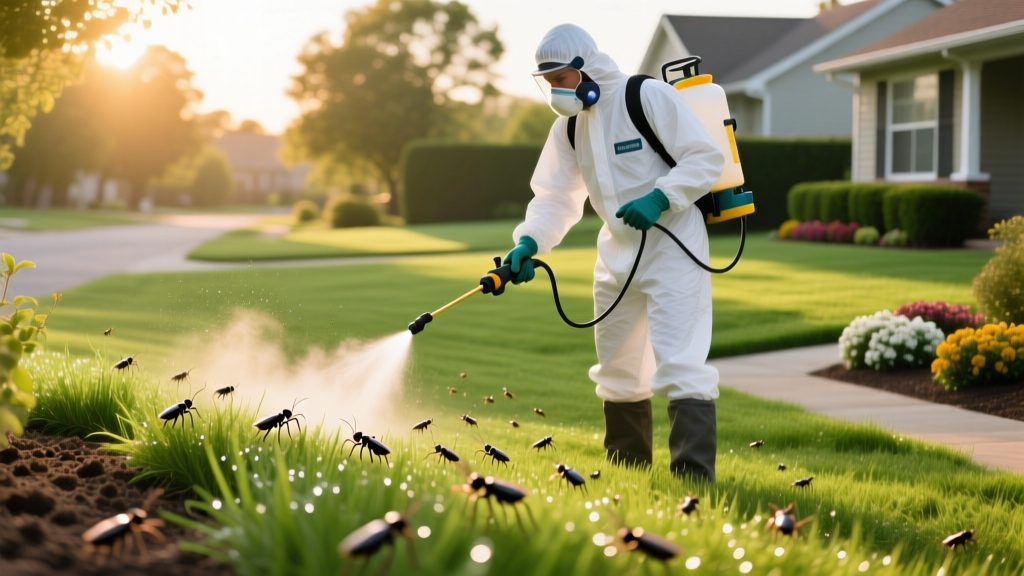
Eradicating Lawn Fleas: A Complete Yard Defense & Treatment Guide
The Hidden Reservoir: Why Indoor Treatments Fail
Homeowners frequently spend hundreds of dollars on indoor foggers, pet medications, and carpet sprays, only to watch their pets become re-infested the moment they step outside. The reason is simple: the yard is the primary reservoir. While adult fleas live on hosts, the outdoor environment harbors the remaining 95% of the population in the form of eggs, larvae, and pupae. Eradicating lawn fleas requires a targeted outdoor strategy that disrupts the life cycle and addresses the wildlife vectors transporting them into your landscape.
According to the Environmental Protection Agency (EPA), integrated pest management (IPM) for fleas must combine environmental modification with targeted chemical or biological controls. Treating the lawn is not optional; it is the linchpin of total flea eradication.
The Flea Life Cycle and Micro-Habitats
Fleas do not infest the middle of a sun-baked lawn. Adult fleas and their larvae are highly susceptible to desiccation and ultraviolet (UV) radiation. They thrive exclusively in micro-habitats that offer shade, moisture, and organic debris.
Target Zone Identification: Focus your treatments on areas where pets rest, under decks, along fence lines, in shaded garden beds, and beneath shrubs. If a specific patch of grass receives more than 4 hours of direct, unfiltered sunlight daily, it is highly unlikely to harbor a flea population.
Identifying the Vectors: Rodents and Wildlife
You cannot permanently eliminate lawn fleas without addressing the animals that drop them. While dogs and cats are primary hosts, wild vectors are the true culprits behind widespread yard infestations. Opossums, raccoons, feral cats, and roof rats can drop thousands of flea eggs weekly as they traverse your property.
- Opossums and Raccoons: Attracted to accessible trash and pet food left outdoors. Secure trash cans with bungee cords and remove outdoor pet bowls at dusk.
- Rodents (Rats and Mice): Nest in woodpiles, overgrown brush, and structural voids. Elevate firewood at least 18 inches off the ground and use 1/4-inch hardware cloth to seal crawl space vents.
- Feral Cats: Often shelter under sheds or porches. Block these access points with heavy-duty wire mesh to prevent them from establishing nesting grounds.
The University of California Agriculture and Natural Resources (UC IPM) emphasizes that excluding these animals from the yard is just as critical as the chemical application itself. Without vector control, you are merely treating the symptom, not the source.
Step-by-Step Lawn Flea Eradication Protocol
To successfully break the flea life cycle outdoors, you must deploy a multi-pronged attack. This protocol combines mechanical preparation, Insect Growth Regulators (IGRs), and adulticides.
Step 1: Mechanical Preparation and Moisture Control
Flea larvae feed on organic debris and adult flea feces (flea dirt) hidden in the thatch layer. Mow your lawn to a height of 2 to 2.5 inches to expose the soil surface to more sunlight, which naturally desiccates larvae. Rake heavily shaded areas to remove leaf litter and thatch buildup. Repair leaky irrigation heads; excess moisture creates the perfect humidity for pupae development.
Step 2: Apply an Insect Growth Regulator (IGR)
Before killing the adults, you must stop the next generation. Pyriproxyfen-based IGRs mimic juvenile hormones, preventing flea larvae from molting into adults.
Product Recommendation: Archer IGR (1.3% Pyriproxyfen).
Dilution Rate: 1 fluid ounce per 1,500 square feet.
Cost: Approximately $45 for a 16 oz bottle, yielding up to 24,000 sq ft of coverage. Apply using a pump sprayer, focusing heavily on the shaded target zones identified earlier.
Step 3: Adulticide Application
Once the IGR is applied, use a residual adulticide to kill the existing adult population. Bifenthrin is highly effective for outdoor flea control due to its strong residual activity in soil and thatch.
Product Recommendation: Talstar P (7.9% Bifenthrin).
Dilution Rate: 1 fluid ounce per 1,000 square feet.
Cost: Approximately $55 for a 3/4 gallon jug.
Application Tip: Spray in the late afternoon or early evening. Spraying pyrethroids in direct sunlight causes rapid UV degradation, significantly reducing the chemical's residual lifespan.
Step 4: Biological Control with Beneficial Nematodes
For organic landscapes, areas near water features, or yards with highly sensitive pets, beneficial nematodes (*Steinernema carpocapsae*) offer a highly effective biological alternative to chemical adulticides. These microscopic worms actively seek out and infect flea larvae and pupae in the soil, releasing bacteria that kill the pest within 48 hours.
Nematode Application Rules: Nematodes are living organisms. They must be kept refrigerated until use. Apply them at a rate of 1 million nematodes per 1,000 square feet. The soil must be moist before application; water the lawn with 1/4 inch of water immediately prior, and keep the soil consistently moist for 7 days post-application to ensure survival.
Chemical vs. Organic Lawn Flea Treatments
Choosing between chemical and organic routes depends on your yard's specific constraints, budget, and environmental considerations. Below is a comparison matrix to guide your decision.
| Feature | Chemical (Bifenthrin + IGR) | Organic (Beneficial Nematodes) |
|---|---|---|
| Target Stages | Adults (Bifenthrin) & Larvae (IGR) | Larvae and Pupae in the soil |
| Speed of Control | 24 to 48 hours for adult knockdown | 7 to 14 days for population collapse |
| Residual Lifespan | 30 to 60 days outdoors | Self-sustaining if soil remains moist |
| Environmental Impact | Highly toxic to aquatic life and bees | Zero toxicity to plants, pets, or humans |
| Estimated Cost (5,000 sq ft) | $15 - $25 | $35 - $50 |
Common Application Mistakes and Failure Modes
Even with the right products, improper application techniques will result in treatment failure. Avoid these critical errors:
Warning: The Watering Error
Do not heavily water your lawn immediately after applying a liquid Bifenthrin or Permethrin treatment. While the product needs to dry on the foliage, excessive irrigation will wash the active ingredient past the thatch layer and deep into the soil, rendering it useless against surface-dwelling flea larvae. Wait until the spray is completely dry (usually 2-4 hours) before resuming normal, light irrigation schedules.
Do not heavily water your lawn immediately after applying a liquid Bifenthrin or Permethrin treatment. While the product needs to dry on the foliage, excessive irrigation will wash the active ingredient past the thatch layer and deep into the soil, rendering it useless against surface-dwelling flea larvae. Wait until the spray is completely dry (usually 2-4 hours) before resuming normal, light irrigation schedules.
- Ignoring the Perimeter: Fleas are often reintroduced by neighborhood animals walking along fence lines. Always create a 3-foot treatment barrier along the perimeter of your property, not just the interior lawn.
- Using Granules in Thick Thatch: Granular insecticides require watering in to activate. If your lawn has a thick thatch layer (>0.5 inches), the granules will get trapped and fail to reach the soil surface where flea pupae reside. Liquid sprays penetrate thatch much more effectively.
- Treating During Rain: Applying outdoor flea control within 24 hours of a forecasted rainstorm will dilute the chemical barrier and wash IGRs into storm drains, contributing to waterway pollution without solving your pest problem.
Long-Term Yard Defense Strategies
Once the immediate infestation is eradicated, transition to a maintenance schedule to prevent re-infestation. Apply an IGR like Pyriproxyfen every 60 days during the peak flea season (late spring through early fall). Maintain a strict debris-clearing schedule, ensuring that shaded areas beneath decks and porches are free of leaf litter and organic waste. By combining rigorous vector exclusion with targeted, science-backed lawn treatments, you can reclaim your yard and protect your pets from the relentless cycle of lawn fleas.

