
Pest Control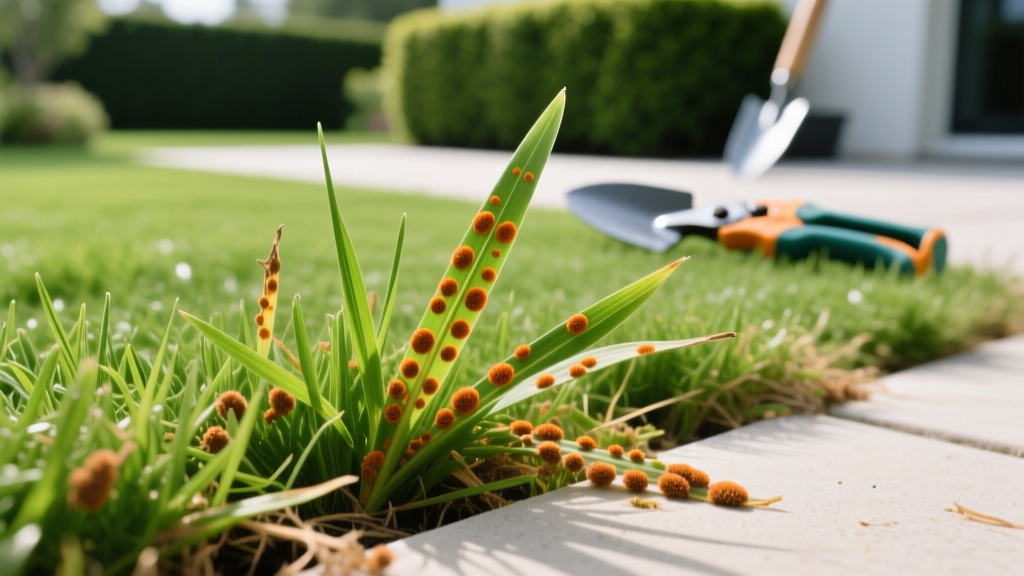
Lawn Rust Fungus: Symptom Diagnosis and Rescue Fixes
Lawn rust fungus, primarily caused by Puccinia species, is a pervasive foliar disease that rarely kills turf outright but severely compromises its aesthetic density and structural integrity. When your lawn canopy appears dusted with paprika or cinnamon, the pathogen is actively sporulating. Immediate, targeted intervention is required to halt spore production, prevent systemic weakening, and restore the turf before secondary pathogens or winter stress exploit the damaged leaf tissue.
The Telltale Signs: Diagnosing Lawn Rust Fungus
Rust manifests differently depending on the turfgrass species and the specific Puccinia strain, but the diagnostic progression follows a predictable sequence. Initially, you will notice small, yellow flecks on individual grass blades. As the infection matures, these flecks elevate into pustules that rupture through the leaf epidermis, releasing millions of powdery, orange-to-reddish-brown urediniospores. In severe cases, the turf canopy takes on a uniform yellowish-orange cast, and the grass blades may shred or wither from the tip downward.
The White Shoe Diagnostic Test
To confirm active sporulation, walk through the affected area wearing white canvas shoes or drag a white towel across the canopy. If the fabric or shoes become heavily stained with a rust-colored, powdery residue, you have an active rust infection. This physical transfer test differentiates rust from abiotic nutrient deficiencies or localized dry spots that mimic yellowing.
Environmental Triggers and Grass Susceptibility
Rust thrives under specific microclimatic conditions. The pathogen requires extended periods of leaf wetness (6 to 8 hours of dew or light rain) combined with moderate temperatures ranging from 68°F to 85°F. However, the primary catalyst for a severe outbreak is slow turf growth. Lawns suffering from nitrogen starvation, drought stress, or heavy shade cannot outgrow the infection, allowing the fungus to complete its reproductive cycle before the leaf tissue is shed.
| Turfgrass Species | Rust Vulnerability | Primary Pathogen Strain |
|---|---|---|
| Perennial Ryegrass | Highly Susceptible | Puccinia coronata (Crown Rust) |
| Kentucky Bluegrass | Moderate to High | Puccinia striiformis (Stripe Rust) |
| Tall Fescue | Low to Moderate | Puccinia graminis (Stem Rust) |
| Zoysiagrass | Low | Puccinia zoysiae |
According to Penn State Extension, perennial ryegrass and certain Kentucky bluegrass cultivars are disproportionately affected, often requiring aggressive chemical rescue when cultural practices fail to stimulate rapid vertical growth.
Immediate Rescue Fixes: A Two-Phase Protocol
Eradicating an active rust outbreak requires a dual approach: stimulating the plant's natural defense mechanisms while simultaneously suppressing the fungal reproductive cycle.
Phase 1: Cultural Interventions (Zero-Cost Fixes)
Before deploying fungicides, correct the underlying growth deficit. Rust is fundamentally a disease of stressed, slow-growing turf.
- Targeted Nitrogen Application: Apply 0.5 to 1.0 lbs of actual nitrogen per 1,000 square feet using a fast-release source like urea (46-0-0) or ammonium sulfate (21-0-0). To calculate the required product weight, divide 100 by the first number on the fertilizer bag, then multiply by your target nitrogen rate. This flush forces the turf to produce new, uninfected leaf tissue rapidly.
- Irrigation Calibration: Switch to deep, infrequent watering. Water only between 4:00 AM and 6:00 AM to ensure the leaf canopy dries completely before nightfall. Avoid evening watering, which extends the dew period and accelerates spore germination.
- Mowing Adjustments: Raise your mower deck to 3.0 or 3.5 inches. Taller grass shades the soil, reducing surface humidity. More importantly, frequent mowing (every 4 to 5 days) physically removes the infected leaf tips and spore-laden clippings from the canopy. Do not mulch clippings during an active outbreak; bag and dispose of them.
Phase 2: Targeted Fungicide Application
If cultural practices do not halt the spread within 10 to 14 days, or if the infection is severely defoliating the turf, chemical intervention is mandatory. Rotate fungicide modes of action to prevent pathogen resistance, tracking the Fungicide Resistance Action Committee (FRAC) codes.
Chemical Rescue Matrix: Top Rust Fungicides
| Active Ingredient | FRAC Code | Est. Cost (per 1k sq ft) | Re-Entry Interval (REI) |
|---|---|---|---|
| Azoxystrobin (e.g., Heritage SC) | 11 (QoI) | $0.12 - $0.15 | 4 Hours |
| Propiconazole (e.g., Banner Maxx II) | 3 (DMI) | $0.06 - $0.09 | 12 Hours |
| Myclobutanil (e.g., Immunox) | 3 (DMI) | $0.08 - $0.11 | 12 Hours |
Pro Tip: Apply liquid formulations using a flat-fan nozzle at 40 PSI for uniform coverage. Add a non-ionic surfactant at 0.25% v/v to ensure the fungicide penetrates the waxy cuticle of the grass blade and reaches the intercellular spaces where the mycelium resides.
Post-Rescue Recovery and Long-Term Prevention
Once the active sporulation has ceased (confirmed by a negative white shoe test), shift your focus to canopy recovery and soil ecology. The University of California IPM emphasizes that rust is often a symptom of broader soil compaction or thatch accumulation issues.
Turfgrass rust is rarely a primary killer, but it acts as a severe stress multiplier. Lawns recovering from a mid-summer rust outbreak are highly vulnerable to winter desiccation and snow mold if carbohydrate reserves are not rebuilt through proper fall potassium fertilization.
— Turfgrass Pathology Consortium Guidelines
Implement core aeration in the early fall to relieve soil compaction and improve root zone oxygenation. If your thatch layer exceeds 0.5 inches, schedule a dethatching pass. Finally, when overseeding bare patches left by the rust, select endophyte-enhanced ryegrass or fescue cultivars; the naturally occurring fungi within the seed provide systemic resistance against foliar pathogens.
Frequently Asked Rescue Questions
Will lawn rust fungus harm my pets or children?
No. Puccinia spores are plant-specific pathogens and do not infect mammals. However, the spores can cause mild respiratory irritation or track into the house on clothing and fur. Keep pets off the lawn for the duration of the fungicide Re-Entry Interval (REI), not because of the rust itself.
Should I apply a preventative fungicide next spring?
Preventative applications are rarely cost-effective for rust. Because the disease requires specific environmental triggers (prolonged leaf wetness and slow growth), it is better to monitor the turf in late summer and apply a rescue treatment only when the first yellow flecks appear.
Can I just mow the rust away?
Frequent mowing removes spore-bearing leaf tips and significantly reduces the inoculum load, but it will not cure the underlying infection if the turf remains nitrogen-deficient. Mowing must be paired with a fast-release nitrogen application to be effective as a standalone rescue fix.

