
Pest Control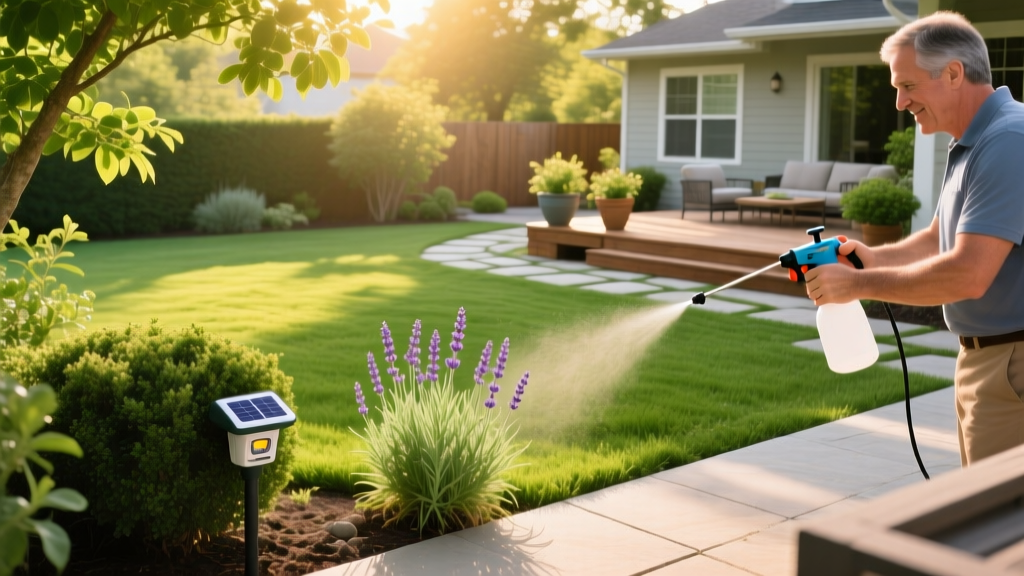
How to Keep Mosquitoes Out of Your Yard: A Layered Defense Strategy
The Biology of a Mosquito Invasion
Learning how to keep mosquitoes out of your yard requires understanding their biology. Female mosquitoes require standing water to lay eggs, but adult females also seek out shaded, humid microclimates to rest during the heat of the day. A successful defense strategy cannot rely on a single product; it requires a layered approach targeting the aquatic larval stage, the terrestrial resting stage, and the immediate human airspace. According to the Centers for Disease Control and Prevention (CDC), integrated pest management (IPM) combining source reduction, biological controls, and targeted chemical barriers is the only proven method for long-term population suppression.
Layer 1: The 72-Hour Water Rule and BTI Larvicides
Mosquitoes can develop from egg to biting adult in as little as four days when temperatures exceed 85°F. The old advice to "empty standing water weekly" is insufficient in peak summer. You must enforce a 72-hour water rule: no standing water should remain undisturbed for more than three days.
For water that cannot be dumped (bird baths, pond edges, rain barrels, and French drain catch basins), use Bacillus thuringiensis subspecies israelensis (BTI). BTI produces crystalline proteins that bind to the alkaline midgut of mosquito larvae, causing fatal cellular rupture. It is entirely non-toxic to mammals, birds, fish, and pollinators.
- Summit Mosquito Dunks: Ideal for continuous water bodies. One dunk treats 100 square feet of surface water for 30 days. Cost: ~$12 for a 6-pack.
- Summit Mosquito Bits: Granular BTI designed for mulch beds, boggy soil, and temporary puddles. Broadcast at a rate of 1/2 cup per 100 square feet after heavy rainfall.
Layer 2: Airflow and Microclimate Alteration
Mosquitoes are notoriously weak fliers, maxing out at roughly 1.5 miles per hour. They also track human hosts by following plumes of carbon dioxide and lactic acid. Altering your yard's airflow disrupts both their flight mechanics and their olfactory tracking.
Strategic Fan Placement
To create a mosquito-free zone on a patio or deck, deploy a 20-inch oscillating pedestal fan or a 42-inch outdoor ceiling fan. The fan must push a minimum of 2,500 CFM (Cubic Feet per Minute). Position the fan to blow horizontally across the seating area at waist height (24 to 36 inches off the ground), which is the primary flight altitude for Aedes and Culex species. This creates a 15-foot aerodynamic dead zone that physically prevents landing and disperses your CO2 plume.
Turf and Canopy Management
Adult mosquitoes rest in tall grass and dense, shaded shrubbery during the day to avoid desiccation. Maintain your turf at a strict 3-inch height. Thin out the lower branches of foundation shrubs (like boxwood and yew) to allow sunlight to penetrate the soil line, drastically reducing the humid microclimates where adults harbor.
Layer 3: Chemical vs. Botanical Barrier Sprays
When source reduction and airflow are not enough, perimeter barrier sprays target adult resting sites. These are applied to the underside of leaves on dense foliage, tall ornamental grasses, and the lower 3 feet of tree trunks. Below is a comparison of the most effective active ingredients available to homeowners in 2026.
| Active Ingredient | Product Example | Residual Life | Cost Per Treatment (1/4 Acre) | Non-Target Risks |
|---|---|---|---|---|
| Bifenthrin 7.9% SC | Talstar P Professional | 21–30 Days | $3.50 | Highly toxic to aquatic life and bees if sprayed directly on blooms. |
| Permethrin 36.8% | Permethrin Pro | 14–21 Days | $4.20 | Highly toxic to cats (wet) and aquatic invertebrates. |
| Clove/Cedar Oil | EcoSmart Mosquito | 3–7 Days | $18.00 | Low toxicity, but can cause phytotoxicity (leaf burn) on sensitive plants in high heat. |
Application Protocol: When using synthetic pyrethroids like Bifenthrin, mix at a rate of 1 oz per gallon of water. Apply using a pump sprayer with a fan-nozzle tip. Never spray open blooms where pollinators are active; target the underside of foliage in shaded perimeter zones. As noted by the Environmental Protection Agency (EPA), always allow chemical sprays to dry completely before allowing pets or children back into the treated zone.
⚠️ Warning: The Bug Zapper Myth
Do not invest in ultraviolet bug zappers. Entomological studies consistently show that zappers kill thousands of beneficial insects (moths, midges, beetles) while accounting for less than 1% of the biting female mosquito population. Furthermore, the UV light actually attracts more mosquitoes into your yard than it kills. Similarly, ultrasonic plug-in devices have been universally debunked by acoustic entomology research; they have zero efficacy against biting insects.
Layer 4: Spatial Repellents and CO2 Traps
For immediate, localized protection without spraying chemicals on your skin or foliage, spatial repellents and specialized traps offer proven efficacy.
Spatial Repellents: Thermacell E55
The Thermacell E55 utilizes a battery-heated mat to vaporize metofluthrin, a synthetic pyrethroid that creates a 15-foot protective dome. Unlike older butane-powered models that used allethrin and required frequent cartridge changes, the E55 provides up to 12 hours of continuous protection per charge, with refill cartridges lasting 40 hours (~$20 per refill). It is highly effective for stationary activities like dining or reading on a deck.
Population Traps: Biogents BG-Mosquitaire
If you are dealing with aggressive daytime biters like the Asian Tiger Mosquito (Aedes albopictus), standard light traps fail. The Biogents BG-Mosquitaire CO2 trap (~$250) mimics human breath by releasing a plume of CO2 combined with a synthetic skin scent (BG-Lure). Placed in a shaded perimeter zone away from your seating area, it intercepts host-seeking females before they reach your patio, actively reducing the local breeding population over a 4-to-6-week period.
Hidden Failure Modes in Modern Landscaping
Homeowners often execute the steps above perfectly but still experience heavy mosquito pressure due to hidden landscape features that trap water out of sight:
- Corrugated Downspout Extensions: The ridges in flexible black corrugated drain pipes hold 2 to 3 inches of water indefinitely. Replace these with smooth-walled solid PVC pipe.
- Retaining Wall Weep Holes: If the gravel backfill behind a retaining wall settles, water pools inside the wall cavities and breeds mosquitoes that exit through the weep holes. Ensure proper geotextile fabric and gravel drainage layers.
- Hollow Fence Posts: Vinyl and aluminum fence posts with open, flat caps collect rainwater. Drill a 1/4-inch weep hole at the base of each post or install domed post caps.
- Tarp Folds: Firewood tarps, boat covers, and grill covers create hidden, undisturbed puddles. Use bungee cords to pull covers taut.
Frequently Asked Questions
Do citronella plants actually repel mosquitoes?
No. The Citrosa geranium plant contains trace amounts of citronellal, but it does not release enough of the volatile oil into the air to deter mosquitoes unless you physically crush the leaves and rub them directly on your skin. Planting them in your garden provides zero area-wide protection.
How far do mosquitoes travel from their breeding site?
It depends on the species. The Aedes aegypti (Yellow Fever Mosquito) is a weak flyer and typically stays within 300 feet of its hatching site. If you have Aedes pressure, the breeding source is almost certainly on your property or an immediate neighbor's. Culex species, however, can travel up to 2 miles, meaning regional municipal spraying and marsh management play a larger role.
Can I mix BTI dunks with my chemical fertilizer?
Yes. BTI is a biological bacterium and is not deactivated by standard synthetic NPK fertilizers or most common herbicides. However, avoid mixing BTI with copper-based fungicides or strong algaecides, as these can kill the beneficial bacteria before it has a chance to work on the larvae.

