Pest Control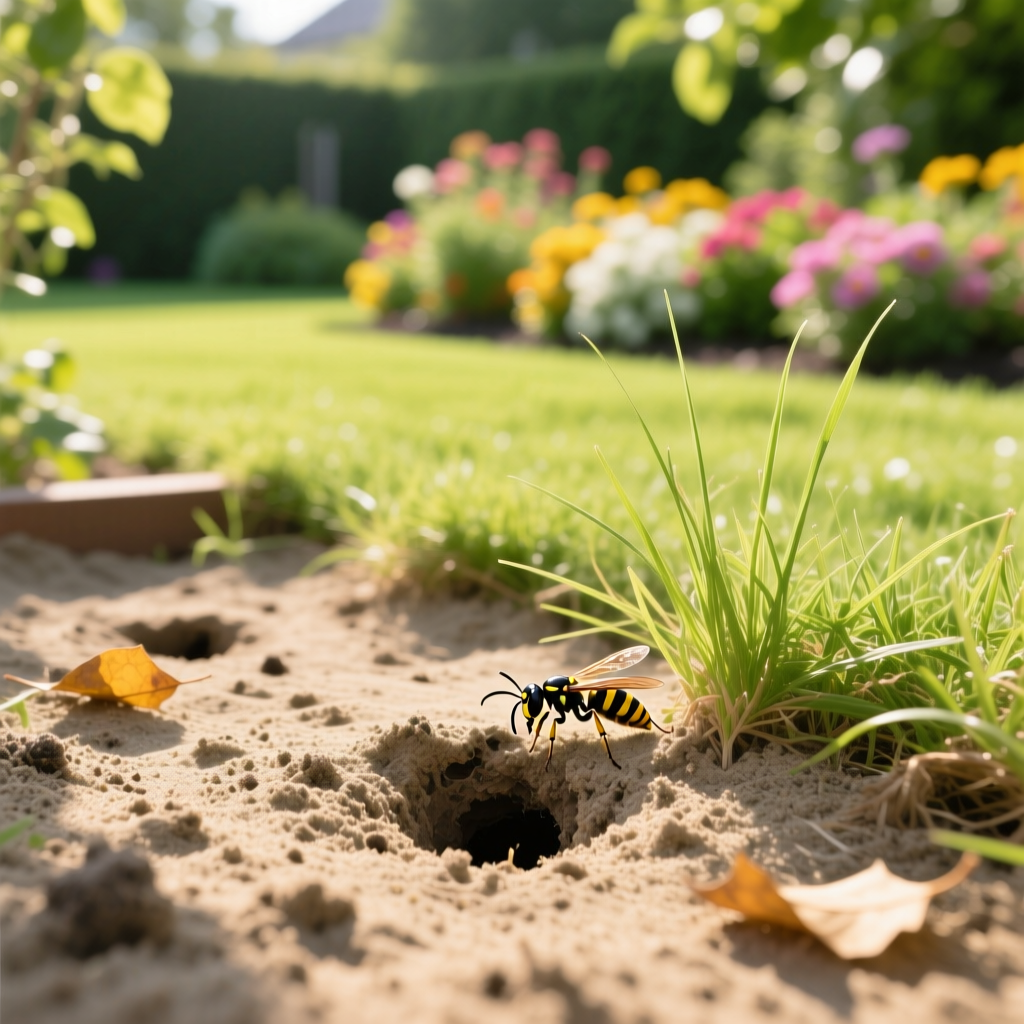
Managing Cicada Killer Wasps in Sandy Soil Garden Beds
Lisa ThompsonPublished
Managing Cicada Killer Wasps in Sandy Soil Garden Beds
If you have noticed large wasps hovering low over your garden beds or small mounds of loose soil appearing between your plants, you may be sharing your outdoor space with cicada killer wasps. These imposing insects are among the largest solitary wasps found across North America, and they have a particular fondness for the loose, sandy soil that many gardeners work hard to amend into their beds for improved drainage.
While cicada killer wasps are generally non-aggressive toward humans, their nesting habits can disrupt garden beds, damage root systems of delicate plants, and create an unsettling environment for anyone trying to enjoy their outdoor living spaces. Understanding what attracts these wasps to your sandy soil garden beds — and knowing how to manage them effectively — is essential for maintaining both a beautiful landscape and your peace of mind.
This comprehensive guide walks you through everything you need to know about identifying, preventing, and controlling cicada killer wasps in sandy soil garden beds, from simple cultural practices to targeted treatment options. For broader strategies on keeping your yard pest-free, check out our pest control resource center and our lawn care guides for maintaining a healthy, resilient landscape.
Identifying Cicada Killer Wasps and Their Nests in Sandy Soil
Before you can manage cicada killer wasps effectively, you need to confirm that these are indeed the insects inhabiting your garden beds. Misidentification can lead to unnecessary treatment or, worse, provoke a more dangerous species.
What Cicada Killer Wasps Look Like
Cicada killer wasps (Sphecius speciosus) are hard to miss once you know what to look for. Adults typically measure between 1.5 and 2 inches in length, making them one of the largest wasp species in North America. Their bodies are predominantly black with striking yellow banding across the abdomen, and their wings have a reddish-brown or amber tint. Despite their intimidating size, they are often confused with yellow jackets or European hornets, which behave very differently.
Key distinguishing features include:
- A large, robust body with a distinctly segmented abdomen featuring yellow markings on the first and sometimes second segment
- Reddish-brown to amber-tinted wings that appear somewhat smoky
- A noticeable yellow "W" or chevron pattern on the face
- Relatively docile flight patterns — they tend to hover and patrol rather than swarm
Unlike social wasps such as yellow jackets, cicada killers are solitary insects. Each female digs her own burrow and provisions it independently. You will not find large papery nests hanging from eaves or underground colonies with thousands of members. Instead, you will see individual females working their own tunnels, sometimes in loose aggregations where soil conditions are favorable.
Recognizing Nest Burrows in Sandy Garden Beds
The most common sign of cicada killer activity in garden beds is the appearance of small mounds of freshly excavated soil. These mounds typically measure 3 to 5 inches across and rise 1 to 3 inches above the surrounding soil surface. The entrance hole is roughly the diameter of a nickel or quarter and descends at a slight angle into the ground.
In sandy soil garden beds, these burrows are particularly easy for the wasps to excavate. Sandy and loamy soils drain well, remain relatively loose, and do not compact heavily — all characteristics that make them ideal nesting substrate. A single burrow can extend 6 to 10 inches deep, with lateral tunnels branching off where the female places paralyzed cicadas as food for her developing larvae.
You may also observe the following behavioral clues:
- Females hovering low over garden beds, apparently searching for suitable nesting spots
- Males patrolling territories near nesting areas — males are more aggressive in their flight behavior but lack stingers entirely
- Females dragging large cicadas across the soil surface toward their burrow entrances
- Increased activity during the warmest parts of the day in mid-to-late summer
If you are noticing similar pest activity elsewhere in your landscape, our guide on identifying ground-nesting wasps can help you distinguish between different species that may require different management approaches.
Why Sandy Soil Garden Beds Attract Cicada Killers
Understanding why cicada killer wasps choose your garden beds is the first step toward making those beds less attractive to them. These wasps are selective about where they nest, and sandy soil garden beds often check every box on their requirements list.
Soil Texture and Drainage Preferences
Cicada killer wasps strongly prefer well-drained, loose, sandy or sandy-loam soils. Heavy clay soils are difficult to excavate and tend to hold moisture, which can flood burrows and kill developing larvae. Sandy soil, on the other hand, allows the wasps to dig efficiently and keeps the nesting chambers dry throughout the development period.
Many gardeners deliberately amend their garden beds with sand, perlite, or coarse compost to improve drainage for plants that are sensitive to root rot. Unfortunately, these same amendments create the perfect nesting environment for cicada killers. Raised beds filled with sandy potting mixes are especially vulnerable.
Sun Exposure and Bare Soil Patches
Cicada killers favor nesting sites that receive full sun for most of the day. Warm soil temperatures accelerate larval development, and the wasps instinctively select exposed, sun-baked areas. Garden beds with sparse ground cover, thin mulch layers, or patches of bare soil between plants provide ideal conditions.
South-facing or west-facing garden beds that receive intense afternoon sun are particularly attractive. If your ornamental beds have areas where mulch has thinned out or where ground cover plants have not yet filled in, these gaps become prime real estate for nesting females.
Proximity to Cicada Populations
As their name suggests, cicada killer wasps hunt cicadas to provision their nests. Each female captures one to three cicadas per burrow, paralyzing them with her sting and placing them alongside a single egg. The developing larva feeds on the living but immobilized cicada throughout its development.
If your property has mature trees that host annual or periodical cicada populations, the surrounding garden beds become logical nesting sites. The wasps prefer to nest relatively close to their hunting grounds to minimize the energy required to carry heavy prey back to the burrow. For tips on managing tree-dwelling pests that may attract secondary pest issues, visit our tree and shrub pest management guide.
Prevention Strategies for Sandy Soil Garden Beds
Prevention is always more effective and less disruptive than reactive treatment. By making your garden beds less attractive to cicada killer wasps, you can significantly reduce nesting activity without resorting to chemical controls.
Improve Ground Cover and Reduce Bare Soil
The single most effective deterrent is eliminating bare soil patches in your garden beds. Cicada killer females strongly prefer to dig in exposed, easy-to-access soil. Dense ground cover creates a physical barrier that discourages nesting.
Consider these approaches:
- Plant dense ground covers: Low-growing plants such as creeping thyme, vinca minor, pachysandra, or sedum create a living mulch layer that covers the soil surface while complementing your garden design
- Overseed or fill gaps: Address any bare patches between established plants by adding new plantings or allowing existing ground covers to spread
- Use living mulches: Cover crops such as clover or creeping charlie can fill in bare areas between ornamental plantings during the peak nesting season
Establishing healthy, dense ground cover also benefits your overall soil health by reducing erosion, retaining moisture, and suppressing weeds.
Apply and Maintain Thick Mulch Layers
A thick layer of mulch is one of the simplest and most effective deterrents against cicada killer nesting. Apply at least 3 to 4 inches of mulch across the entire surface of your garden beds, paying special attention to bare areas and the zones around plant bases.
Effective mulch types include:
- Coarse wood chips or bark mulch: The large, irregular pieces create an uneven surface that is difficult for wasps to navigate and excavate through
- Pine straw: Applied thickly, pine straw creates a tangled mat that physically blocks access to the soil surface
- Gravel or decorative stone: A layer of crushed stone or river rock over landscape fabric eliminates soil access entirely in ornamental beds
- Rubber mulch: While not organic, rubber mulch provides a permanent physical barrier that does not decompose or thin out over the season
The key is consistency and thickness. A thin scattering of mulch will not deter determined females. Replenish mulch layers each spring to maintain adequate depth, and be sure to cover any exposed soil that appears after planting or maintenance activities. For more on using mulch effectively in your landscape, see our mulching techniques guide.
Modify Irrigation Practices
While cicada killers prefer well-drained soil, they are less inclined to nest in soil that is consistently moist. Adjusting your irrigation schedule during peak nesting season (typically mid-summer) can make your garden beds less appealing.
Light, frequent watering that keeps the top few inches of soil moist can discourage nesting without harming most established plants. However, be cautious with this approach if you are growing drought-adapted species or plants that are susceptible to root rot. Balance the need for deterrence with the health requirements of your plantings.
Soaker hoses or drip irrigation systems that deliver water directly to plant root zones are less effective as a deterrent since they leave the surface soil between plants dry. If you use these systems, supplement with occasional overhead watering of bare soil areas during peak cicada killer season.
Alter Soil Composition Where Practical
If you are establishing new garden beds or renovating existing ones, consider how your soil amendments might affect pest attractiveness. While excellent drainage is important for plant health, you can achieve it without creating ideal wasp nesting conditions.
- Incorporate organic matter such as compost or leaf mold to improve soil structure without creating the loose, sandy texture that wasps prefer
- Use fine-textured amendments rather than coarse sand to improve drainage
- Top-dress beds with a thin layer of topsoil or compost over sandy base soil to create a less penetrable surface layer
- Compact the soil surface lightly after planting and watering to reduce surface looseness
DIY Solutions for Managing Active Cicada Killer Nests
If prevention measures were not enough and you are already dealing with active cicada killer nests in your garden beds, several do-it-yourself approaches can help you manage the population. These methods range from simple physical deterrents to targeted treatments.
Physical and Mechanical Controls
For small infestations involving just a few burrows, physical methods can be surprisingly effective:
- Water flooding: Use a garden hose to flood individual burrows with water. Insert the hose into the entrance hole and run water at moderate pressure for several minutes. This can collapse the tunnel system and force the female to abandon the site. Repeat daily until no new activity is observed
- Nighttime burrow treatment: Cicada killer wasps return to their burrows at night and are far less active in cool, dark conditions. Approach burrows after dusk with a flashlight covered in red cellophane (wasps are less sensitive to red light) and apply treatment directly into the entrance
- Physical barriers: Place a heavy object such as a brick, paver, or thick board directly over active burrow entrances. The wasp will be unable to access the tunnel and will eventually relocate
- Hand removal: If you can identify females returning to burrows with cicada prey, they are heavily laden and less agile. They can be captured with a wide-mouth jar or swatted, though this approach requires caution and quick reflexes
Natural and Organic Deterrents
Several natural substances can deter cicada killer wasps from nesting in treated areas:
- Diatomaceous earth: Apply food-grade diatomaceous earth around burrow entrances and across bare soil areas. This fine powder damages the exoskeletons of insects that crawl through it. Reapply after rain or irrigation, as it loses effectiveness when wet
- Essential oil sprays: Mixtures containing peppermint oil, lemongrass oil, or clove oil can repel wasps from treated surfaces. Combine 10 to 15 drops of essential oil per cup of water with a small amount of dish soap as an emulsifier, and spray liberally over nesting areas
- Citrus-based deterrents: Boiling citrus peels in water and spraying the cooled solution around garden beds can provide mild repellent effects. Lemon and orange oils are particularly effective
- Vinegar solutions: A mixture of equal parts white vinegar and water sprayed around burrow entrances and bare soil can deter nesting. The acidic scent disrupts the wasps' ability to locate preferred nesting sites
While these natural deterrents are safer for beneficial insects and the environment, they typically require more frequent reapplication than synthetic alternatives and may be less effective against heavy infestations. For integrated approaches to organic pest management across your landscape, explore our organic pest control methods guide.
Targeted Insecticide Applications
When physical and natural methods prove insufficient, targeted insecticide applications can provide effective control. The goal is to treat individual burrows rather than broadcast chemicals across your entire garden bed, which can harm beneficial soil organisms and pollinators.
Recommended approaches include:
- Insecticidal dusts: Products containing deltamethrin, carbaryl, or permethrin in dust form can be puffed directly into burrow entrances using a bulb duster. The wasp picks up the dust as she enters and exits the tunnel, and it is distributed throughout the nest chamber. Apply in the evening when wasps are inside their burrows
- Aerosol wasp killers: Foaming aerosol products designed for wasps and hornets can be sprayed directly into burrow entrances. The expanding foam fills the tunnel and contacts the occupant. These are best used at night for maximum effectiveness and minimum personal risk
- Granular insecticides: Products containing bifenthrin or lambda-cyhalothrin can be applied to the soil surface and watered in lightly. These create a treated zone that wasps encounter as they attempt to dig new burrows
Always read and follow label directions when using any pesticide product. Wear protective clothing including long sleeves, gloves, and eye protection. Avoid treating areas where children or pets play until the product has been fully absorbed or has dried according to label instructions. For guidance on safe pesticide use around your home and garden, visit our safe pesticide application guide.
When to Call a Pest Control Professional
While many cicada killer situations can be managed with the DIY methods described above, there are circumstances where professional intervention is the wisest choice.
Signs That Professional Help Is Needed
Consider contacting a licensed pest control professional if you encounter any of the following situations:
- Large-scale infestations: If you count more than 15 to 20 active burrows across your garden beds, the population may be too large to manage effectively with spot treatments. Professionals have access to commercial-grade products and application equipment that can address large infestations more efficiently
- Recurring annual problems: If cicada killers return to the same garden beds year after year despite your prevention efforts, a professional can develop a long-term management plan that addresses the underlying attractiveness of your landscape
- Allergy concerns: If you, family members, or frequent visitors to your garden have known allergies to wasp stings, do not attempt DIY treatment. Even though cicada killers are relatively docile, any encounter carries a risk of anaphylaxis for sensitized individuals
- Uncertain identification: If you are not entirely confident that the insects in your garden beds are cicada killers rather than a more aggressive species such as yellow jackets or ground-nesting hornets, have a professional confirm the identification before attempting treatment
- Proximity to high-traffic areas: Nests located near doorways, walkways, children's play areas, or outdoor seating spaces pose a higher risk of accidental encounters and may warrant professional treatment for safety
What to Expect from Professional Treatment
A professional pest control service will typically begin with a thorough inspection of your property to identify all active nests, assess the extent of the infestation, and evaluate the landscape conditions that are attracting the wasps. Treatment may involve a combination of:
- Direct burrow treatment with professional-grade insecticidal dusts or liquids
- Residual barrier treatments applied to soil surfaces to deter new nesting
- Recommendations for landscape modifications to reduce long-term attractiveness
- Follow-up visits to monitor effectiveness and address any new activity
Professional treatment costs vary depending on the size of the infestation and your geographic location, but most homeowners find the investment worthwhile for severe or recurring problems. Be sure to choose a licensed and insured pest control operator who follows integrated pest management principles and can explain their treatment plan clearly.
Ecological Considerations Before Treatment
Before deciding on aggressive treatment, it is worth considering the ecological role that cicada killer wasps play in your local environment. These wasps are important natural predators of cicadas, helping to regulate cicada populations that can damage trees and shrubs when present in large numbers. They also serve as prey for birds, mammals, and other insects.
Female cicada killers are generally non-aggressive and will only sting if physically restrained or stepped on barefoot. Male wasps, despite their territorial buzzing and dramatic flight patterns, cannot sting at all. If the nests are located in areas where they do not pose a direct conflict with human activity, tolerance may be the most ecologically sound approach.
That said, garden beds that are actively tended and frequently visited are legitimate areas for management. The key is to use the least disruptive methods necessary to achieve an acceptable level of control, rather than attempting total eradication. Learn more about balancing pest management with ecological health in our yard ecosystem guide.
Frequently Asked Questions About Cicada Killer Wasps
Are cicada killer wasps dangerous to humans and pets?
Cicada killer wasps are among the least aggressive wasp species encountered in residential landscapes. Female cicada killers possess stingers but are extremely reluctant to use them, typically only stinging when physically handled, squeezed, or stepped on with bare feet. Male cicada killers are more territorial and may fly aggressively toward people who enter their patrol zone, but they lack stingers entirely and are physically harmless.
For pets, the risk is similarly low. Dogs and cats that investigate cicada killer burrows may be stung if they attempt to dig or snap at the wasps, but these stings are generally no more severe than typical wasp stings. The primary concern is for animals with known insect sting allergies or those that might attempt to eat multiple wasps. If your pet shows signs of a severe allergic reaction — such as facial swelling, difficulty breathing, or collapse — seek veterinary care immediately. For more on protecting your pets from yard pests, see our yard pests and pet safety guide.
How long do cicada killer wasps stay active each season?
The active adult phase of cicada killer wasps typically lasts between four and eight weeks, usually occurring during mid-to-late summer. Males emerge first and establish territories, followed by females who begin digging burrows and hunting cicadas. Once the females have provisioned their burrows with paralyzed cicadas and laid their eggs, the adults die off naturally.
The larvae develop underground over the fall and winter months, pupate in the spring, and emerge as new adults the following summer. This means that the visible nuisance period is relatively brief, and management efforts can be concentrated during this narrow window. Monitoring your garden beds starting in early summer allows you to catch nesting activity early, when burrow numbers are still small and easier to manage.
Will cicada killer wasps damage my garden plants?
Cicada killer wasps do not feed on plants and do not cause direct damage to foliage, flowers, or stems. Their impact on garden beds is limited to the physical disruption caused by their burrowing activity. The excavation of tunnel systems can disturb the root zones of nearby plants, particularly small or shallow-rooted species. The mounds of displaced soil may also smother low-growing plants or ground covers if left unaddressed.
In most cases, the damage is cosmetic and temporary. Established perennials and shrubs typically recover quickly from minor root disturbance, and the soil mounds can be raked flat once the burrows are no longer active. However, delicate seedlings, recently transplanted specimens, or rare ornamental plants may warrant extra protection. Placing physical barriers such as small cages or cloches around vulnerable plants during peak cicada killer season can prevent burrowing near their root zones. Maintaining strong root systems through proper watering and soil management also helps plants withstand minor root disturbance.
Do cicada killer wasps reuse the same burrows each year?
Individual cicada killer females do not reuse their own burrows from previous years, as the adult wasps die after their brief summer activity period. However, the offspring that develop in those burrows often emerge and nest in the same general area the following summer, particularly if the soil conditions remain favorable. This creates the appearance of recurring infestations in the same garden beds year after year.
This site fidelity is why long-term prevention strategies — such as maintaining thick mulch layers, establishing dense ground covers, and modifying soil conditions — are so important. Even if you successfully eliminate all active burrows in a given season, new wasps may emerge and attempt to nest in the same area the following year. Consistent preventive measures applied over multiple seasons are the most effective way to break this cycle and permanently reduce cicada killer activity in your garden beds.
Can I relocate cicada killer nests without killing the wasps?
Relocating cicada killer nests is extremely difficult and generally not practical. Unlike social wasps that build above-ground nests that can be physically moved, cicada killers construct underground tunnel systems that extend deep into the soil. Attempting to excavate and relocate these tunnels would almost certainly destroy them and provoke the occupants.
If your goal is to avoid killing the wasps while reducing their presence in your garden beds, the best approach is passive deterrence. Flooding burrows with water, applying natural repellents, or placing physical barriers over burrow entrances will encourage the females to relocate to a different area without directly killing them. You can also create a more attractive nesting area in a remote corner of your property — a patch of bare, sandy soil in full sun away from high-traffic areas — to divert nesting activity away from your garden beds. This decoy approach does not always work, but it can be effective when combined with active deterrence in the areas where you do not want the wasps to nest.
For additional information on managing wasps and other stinging insects around your home and garden, browse our complete wasp and bee control guide. A healthy, well-maintained landscape is your best defense against pest problems of all kinds, and our seasonal lawn care checklist can help you stay on top of maintenance tasks throughout the year.
