
Pest Control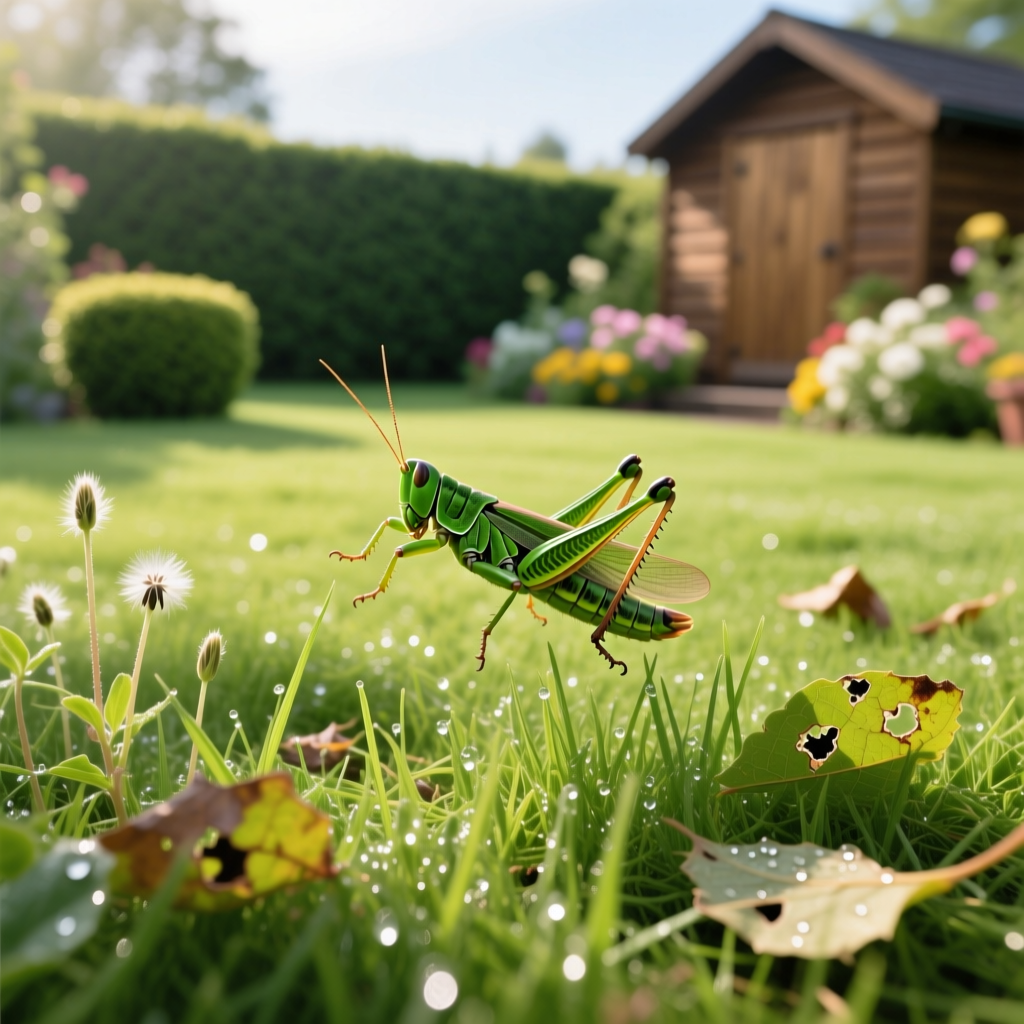
Managing Grasshopper Outbreaks in Vegetable Gardens & Lawns
Emily WatsonPublished
Few pests can devastate a lush vegetable garden and a carefully maintained lawn as quickly as a swarm of grasshoppers. These voracious insects can consume up to half their body weight in plant matter every single day. When environmental conditions align—typically following a warm, dry spring and summer—grasshopper populations can explode, turning a minor nuisance into a full-blown agricultural and landscaping crisis. For home gardeners and lawn care enthusiasts, managing grasshopper outbreaks requires a strategic combination of cultural, biological, and chemical controls.
Unlike common lawn pests such as grubs or chinch bugs that hide beneath the soil or deep in the thatch, grasshoppers are highly visible, daytime feeders that attack from the top down. They chew ragged holes in leaves, strip stems bare, and can decimate entire crops of leafy greens, beans, and corn in a matter of hours. However, with the right knowledge and proactive organic pest management techniques, you can protect your outdoor spaces from these jumping invaders.
This comprehensive guide will walk you through identifying grasshopper damage, understanding their life cycle, implementing preventative measures, and deploying both DIY and professional solutions to keep your garden and lawn thriving.
Identifying Grasshoppers and Signs of an Infestation
Before you can effectively manage a grasshopper outbreak, you must correctly identify the pest and understand the specific type of damage they leave behind. Grasshoppers belong to the suborder Caelifera and are easily recognized by their powerful, elongated hind legs designed for jumping, their relatively short antennae (especially when compared to crickets or katydids), and their prominent, compound eyes.
While there are hundreds of species of grasshoppers, the ones that typically cause the most damage to lawns and gardens include the two-striped grasshopper, the red-legged grasshopper, and the differential grasshopper. These species range in color from dull browns and grays to vibrant greens, allowing them to camouflage seamlessly among your plants and turfgrass.
Recognizing Grasshopper Damage
Grasshoppers possess strong, chewing mouthparts that tear through plant tissue rather than sucking out sap like aphids or spider mites. Signs of a grasshopper infestation include:
- Ragged, Irregular Holes: Unlike the neat, circular holes made by some caterpillars, grasshopper damage looks jagged and torn, often starting at the edges of leaves and working inward.
- Skeletonized Foliage: In severe outbreaks, grasshoppers will eat all the soft green tissue of a leaf, leaving only the tough, fibrous veins behind.
- Missing Flower Buds and Fruit: Grasshoppers are not picky. They will chew through developing flower buds, young fruit, and tender vegetable pods, ruining harvests before they even begin.
- Visible Insects and Feces: You will often see the insects themselves resting on stems or leaping away when you approach. You may also notice small, cylindrical, dark green or brown fecal pellets (frass) on the leaves and soil below.
If you notice sudden, severe defoliation in your garden or brown, chewed tips on your turfgrass, inspect the area closely during the warmest parts of the day when grasshoppers are most active.
Understanding the Grasshopper Life Cycle
To effectively time your pest control interventions, it is crucial to understand the grasshopper life cycle. Grasshoppers undergo incomplete metamorphosis, meaning they transition through three stages: egg, nymph, and adult.
The Egg Stage: In late summer and early fall, adult female grasshoppers use their abdomens to dig small holes in undisturbed, firm soil—often in weedy ditches, fence lines, or the edges of gardens. They deposit clusters of 20 to 30 eggs encased in a protective, foamy substance that hardens into a pod. These pods protect the eggs from freezing temperatures and predators throughout the winter.
The Nymph Stage: As the soil warms in late spring, the eggs hatch into nymphs. Nymphs look like miniature, wingless adults. Because they are weak fliers and poor jumpers, they initially feed on the tender weeds and grasses near their hatching sites. This is the most vulnerable stage of their life cycle and the absolute best time to implement control measures.
The Adult Stage: After molting several times over a few weeks, nymphs develop wings and reach adulthood. As the weeds in ditches and field margins begin to dry up and die off in mid-summer, adult grasshoppers migrate in search of moisture and tender foliage, often invading irrigated vegetable gardens and lush lawns en masse.
Preventing Grasshopper Outbreaks Before They Start
The most effective way to handle a grasshopper outbreak is to prevent it from happening in the first place. Because grasshoppers rely on specific environmental conditions to breed and thrive, altering your landscape's ecology can make your property highly uninviting to them. Incorporating these preventative steps into your spring lawn care checklist can save you immense frustration later in the season.
Weed Management and Habitat Disruption
Grasshoppers prefer to lay their eggs in undisturbed, weedy areas. Overgrown ditches, neglected fence lines, and tall, unmanaged borders act as perfect nurseries for the next generation. By maintaining these areas and applying rigorous weed control strategies, you eliminate their primary breeding grounds. Mowing borders short and removing tall, broadleaf weeds deprives newly hatched nymphs of their initial food source, causing many to starve before they can reach your garden.
Soil Tilling and Cultivation
If you maintain a traditional vegetable garden, tilling the soil in late fall or early spring can be a highly effective cultural control. Tilling physically destroys the overwintering egg pods buried in the top two inches of the soil. It also exposes the eggs to the elements and to insectivorous birds, who will eagerly eat them. Be sure to focus your tilling efforts on the perimeters of your garden, as this is where females prefer to deposit their pods.
Encouraging Natural Predators
Nature provides its own pest control if you encourage the right wildlife. Birds are among the most effective predators of grasshoppers. Attract insect-eating birds like swallows, bluebirds, and mockingbirds by installing birdhouses and birdbaths near your garden. If you keep backyard chickens or guinea fowl, allow them to free-range in your garden beds before the planting season begins; they will relentlessly hunt down both nymphs and adult grasshoppers. Additionally, preserving populations of beneficial insects like praying mantises and blister beetles (which eat grasshopper eggs) helps keep populations in check.
Utilizing Physical Barriers
For high-value crops and vulnerable seedlings, physical barriers are a foolproof prevention method. Lightweight floating row covers made of spun-bonded polyester can be draped over vegetable beds to completely block grasshoppers from reaching the foliage. Ensure the edges are buried or weighed down with soil or sandbags so the insects cannot crawl underneath. While this is impractical for an entire lawn, it is a lifesaver for raised beds and delicate garden transplants.
DIY and Natural Solutions for Grasshopper Control
When prevention isn't enough and the nymphs or adults begin to invade, it is time to deploy active control measures. For home gardeners who want to avoid harsh synthetic chemicals, several natural and DIY remedies can significantly reduce grasshopper numbers while maintaining a safe environment for pollinators and pets.
Biological Control: Nosema locustae (Nolo Bait)
One of the most effective, long-term organic treatments for grasshoppers is a naturally occurring protozoan parasite called Nosema locustae, commonly sold as Nolo Bait or Semaspore. This biological control is applied to wheat bran and scattered in the weedy areas where grasshoppers breed and feed. When the nymphs ingest the bait, they become infected. The parasite does not kill them immediately; instead, it makes them sluggish, stops them from eating, and eventually kills them. More importantly, infected nymphs are often cannibalized by other grasshoppers, spreading the parasite through the population. This treatment is highly specific to grasshoppers and crickets, posing zero threat to humans, pets, birds, or beneficial insects.
Neem Oil and Insecticidal Soaps
Neem oil, derived from the seeds of the neem tree, acts as a powerful antifeedant and growth disruptor. When sprayed directly on plant foliage, it makes the leaves taste incredibly bitter to grasshoppers, causing them to stop feeding and move on. While it won't cause instant mortality in large adults, it is highly effective at protecting plants and disrupting the molting process of younger nymphs. Apply neem oil in the early evening to avoid leaf burn and to protect daytime pollinators.
DIY Garlic and Hot Pepper Spray
Grasshoppers rely heavily on their senses to locate palatable food. You can overwhelm their sensory receptors with a potent, homemade repellent spray. Blend two whole bulbs of garlic, a handful of hot habanero or cayenne peppers, and a quart of water. Let the mixture steep overnight, strain it through a cheesecloth, and add a few drops of mild liquid dish soap to help the solution adhere to the leaves. Spray this concoction liberally on the perimeter of your garden and on the leaves of susceptible plants. The capsaicin and sulfur compounds act as a massive deterrent.
Diatomaceous Earth (DE)
Food-grade diatomaceous earth is a fine powder made from the fossilized remains of aquatic organisms. On a microscopic level, DE is incredibly sharp. When grasshoppers crawl over it, the powder lacerates their exoskeletons, causing them to dehydrate and die. Dust DE around the base of your plants, along garden borders, and on the soil surface. Keep in mind that DE loses its effectiveness when wet, so you will need to reapply it after rain or heavy irrigation. Always wear a dust mask when applying DE to avoid inhaling the fine particles.
Chemical Treatments and When to Call Professionals
While natural methods are excellent for maintenance and mild infestations, a severe, swarming outbreak may require more aggressive intervention. If thousands of adult grasshoppers are descending on your property from neighboring agricultural fields or wildlands, DIY sprays may simply be overwhelmed by the sheer volume of insects.
Targeted Insecticides
When chemical control becomes necessary, pyrethroid-based insecticides containing active ingredients like bifenthrin, cyfluthrin, or permethrin are highly effective against grasshoppers. These chemicals provide a quick knockdown and leave a residual barrier on the foliage. Carbaryl (commonly known as Sevin) is another traditional option that works exceptionally well on chewing insects.
However, these broad-spectrum insecticides must be used with extreme caution. They are highly toxic to bees, butterflies, and other beneficial pollinators. To minimize ecological harm, only apply chemical sprays in the late evening when bees have returned to their hives, and never spray plants that are currently in bloom. Always follow the manufacturer's instructions regarding application rates, safety gear, and the pre-harvest interval (PHI) if you are treating edible vegetable crops.
When to Hire a Pest Control Professional
There are specific scenarios where calling a licensed pest control professional is the most practical and cost-effective choice. You should consider hiring an expert if:
- The Outbreak is Overwhelming: If the infestation is so severe that your DIY efforts are failing within hours of application, professionals have access to commercial-grade, restricted-use pesticides that offer longer-lasting residual control.
- Recurring Yearly Infestations: If your property suffers from massive grasshopper migrations every single summer, a professional can implement a comprehensive, season-long perimeter defense strategy.
- Large Acreage: Treating a small raised bed is easy, but treating a multi-acre property or a large rural homestead requires specialized motorized sprayers and agricultural formulations that only licensed applicators possess.
For more information on evaluating the severity of an infestation, review our guide on when to hire pest control professionals.
Protecting Your Lawn and Garden Long-Term
Once the immediate threat of a grasshopper outbreak has passed, the focus must shift to landscape recovery. Grasshoppers can cause significant stress to turfgrass, particularly during the heat of summer when the lawn is already battling drought and heat stress. A damaged lawn is highly susceptible to secondary invaders and opportunistic weeds.
Begin by assessing the damage to your turf. If the grasshoppers have chewed the grass blades down to the crown, the lawn will need time and nutrients to regenerate. Apply a balanced, slow-release fertilizer to provide the necessary nitrogen for leafy regrowth. Ensure your irrigation system is functioning optimally, as deep, infrequent watering will encourage deep root growth and help the grass recover from the stress of defoliation. Proper soil health and maintenance is the foundation of a resilient lawn that can bounce back from pest damage.
If the damage is so severe that large patches of turf have been completely destroyed, you may need to consider overseeding thin lawns or laying down new sod in the worst-affected areas. Choose turfgrass varieties that are known for their vigorous growth and drought tolerance, as healthy, fast-growing grass can outpace minor pest damage much better than weak, struggling turf.
In the garden, remove any severely damaged, dying plants that could harbor secondary fungal diseases or attract other pests. Replace them with fast-growing, late-season crops if the growing season allows, and heavily mulch your beds to retain soil moisture and suppress the weeds that attract egg-laying females.
Frequently Asked Questions
What plants do grasshoppers hate?
While a starving grasshopper will eat almost anything, they strongly dislike the strong scents and tough textures of certain aromatic herbs and flowers. Planting a border of cilantro, horehound, calendula, sweet clover, and marigolds around your vegetable garden can act as a natural repellent barrier. Additionally, grasshoppers tend to avoid plants with fuzzy or highly textured leaves, such as lamb's ear and certain varieties of squash, preferring smooth, tender foliage instead.
Will grasshoppers destroy my entire lawn?
In most cases, grasshoppers prefer broadleaf weeds, garden vegetables, and ornamental flowers over turfgrass. However, during a severe outbreak when their preferred food sources have been exhausted, they will absolutely chew down turfgrass, particularly the tender new shoots of Kentucky bluegrass and perennial ryegrass. While they rarely kill the grass outright by eating the roots or crown, the severe defoliation can cause the lawn to turn brown, go dormant, and become highly vulnerable to drought and weed invasion.
How do I get rid of grasshopper eggs in the soil?
The most effective way to destroy grasshopper eggs is through mechanical disruption. Tilling or turning the top two to three inches of soil in late fall or early spring exposes the egg pods to freezing temperatures, desiccation, and predatory birds. If you practice no-till gardening, you can apply beneficial nematodes (specifically Steinernema carpocapsae) to the soil in the spring. These microscopic worms seek out and infect soil-dwelling insects and can help reduce the viability of overwintering pest populations, though their effectiveness against tough grasshopper egg pods can vary.
Are grasshoppers beneficial to the garden in any way?
In a wild, natural ecosystem, grasshoppers play a vital role. They are a crucial food source for countless birds, reptiles, and mammals, and their feeding habits help cycle nutrients back into the soil through their frass (feces). However, in the context of a cultivated vegetable garden or a manicured lawn, their ecological benefits are vastly outweighed by their destructive capacity. It is best to manage their populations on your property while leaving wild, uncultivated margins alone to support the broader food web.
What time of day are grasshoppers most active?
Grasshoppers are diurnal, meaning they are most active during the daylight hours, particularly when the sun is shining and temperatures are warm. They rely on external heat to regulate their body temperature and fuel their jumping muscles. If you are planning to hand-pick them, apply contact sprays, or release poultry into the garden, the best time to do so is in the early morning just after sunrise. At this time, the grasshoppers are cold, sluggish, and much easier to catch or treat before they warm up and begin their daily feeding frenzy.

