
Pest Control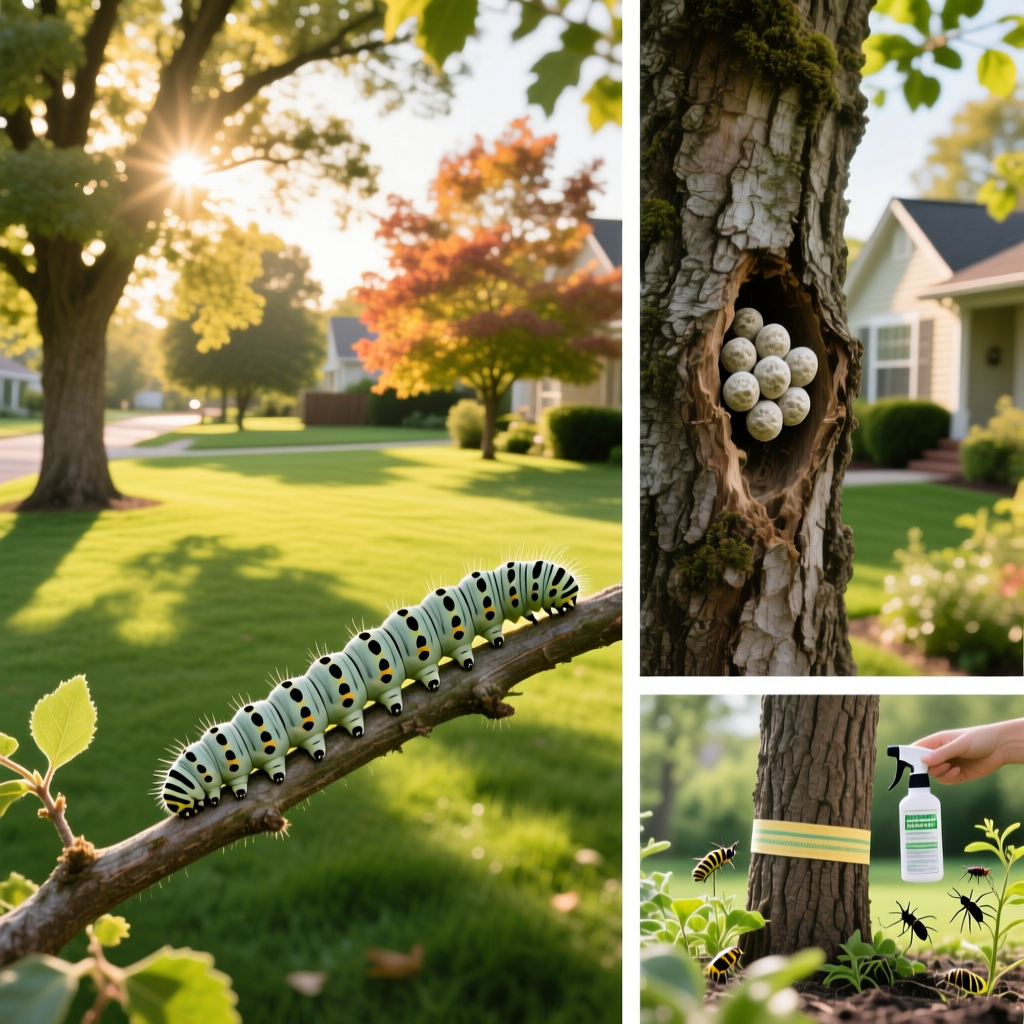
Managing Spongy Moth Caterpillar Outbreaks in Shade Trees: A Complete Guide
Mike RodriguezPublished
Managing Spongy Moth Caterpillar Outbreaks in Shade Trees
Shade trees are the crown jewels of any landscape, providing cooling canopies, aesthetic beauty, and vital habitats for local wildlife. However, these majestic giants are constantly under threat from various defoliating insects. Among the most destructive of these pests is the spongy moth (Lymantria dispar dispar), formerly known as the gypsy moth. When spongy moth caterpillar outbreaks occur, they can strip entire forests and residential landscapes of their leaves in a matter of weeks, causing severe stress and sometimes fatal damage to your prized shade trees.
Understanding the life cycle, behaviors, and vulnerabilities of this invasive pest is the first step toward protecting your landscape. Whether you are dealing with a localized infestation in your backyard or a widespread regional outbreak, implementing a strategic, integrated pest management (IPM) approach is essential. In this comprehensive guide, we will explore how to identify spongy moth caterpillars, prevent infestations, utilize eco-friendly DIY solutions, and determine when it is time to call in professional arborists. For more general advice on protecting your landscape, be sure to explore our broader pest control strategies and lawn care resources.
Identifying the Spongy Moth Caterpillar & Its Damage
Before you can effectively manage a spongy moth outbreak, you must be able to accurately identify the pest in its various life stages. The spongy moth undergoes complete metamorphosis, meaning it transitions through four distinct stages: egg, larva (caterpillar), pupa, and adult moth. Each stage presents unique identification markers and requires different management tactics.
The Egg Mass Stage
The most visible sign of an impending outbreak is the presence of spongy moth egg masses. These are typically laid in late summer or early fall on tree trunks, branches, and even sheltered outdoor surfaces like patio furniture, firewood, and the sides of your home. The egg masses are tan or buff-colored, have a spongy or foamy texture, and range from one to three inches in length. Each mass can contain between 500 and 1,000 eggs, which overwinter and hatch in the spring when temperatures consistently rise and tree buds begin to break.
The Caterpillar (Larval) Stage
Once hatched, the caterpillars are the primary culprits of tree defoliation. Young spongy moth caterpillars are small, dark, and hairy, often dispersing to new trees by spinning silk threads and catching the wind—a process known as ballooning. As they mature through several growth phases (instars), they become easier to identify. Mature caterpillars grow up to 2.5 inches long and are distinctly marked with pairs of colored dots along their backs: five pairs of blue dots followed by six pairs of red dots. They are also covered in long, bristly hairs called setae.
The Pupa and Adult Moth Stages
After feeding voraciously for several weeks, the caterpillars spin dark brown, shield-like pupal cases in sheltered crevices. About two weeks later, the adult moths emerge. The males are mottled brown and are strong fliers, while the females are larger, mostly white with dark chevron markings, and are entirely flightless. The females crawl up tree trunks or fences to lay the next generation of egg masses, continuing the cycle.
Recognizing Tree Damage
The damage caused by spongy moth caterpillars is unmistakable. Early instars skeletonize leaves, eating the soft tissue between the veins. As they grow, they consume entire leaves, leaving only the midrib. During a severe outbreak, the sound of their feeding and the rain of their frass (caterpillar droppings) can be surprisingly loud and messy. Complete defoliation forces the tree to expend vital energy reserves to push out a second flush of leaves in mid-summer, severely weakening its immune system and making it susceptible to secondary pests and diseases.
Preventing Spongy Moth Infestations in Your Landscape
Prevention is always more effective and less costly than reacting to a full-blown infestation. By making your landscape less hospitable to spongy moths and maintaining the vigor of your shade trees, you can significantly reduce the impact of an outbreak. A healthy, well-maintained landscape is your first line of defense.
Scraping and Destroying Egg Masses
During the fall and winter months, inspect the trunks and lower branches of your shade trees for tan, spongy egg masses. You can manually remove these using a paint scraper or a dull putty knife. It is crucial that you do not simply scrape them onto the ground, as the eggs can still hatch and the caterpillars will climb back up the tree. Instead, scrape the egg masses directly into a bucket of soapy water or a container filled with rubbing alcohol. Let them soak for at least 48 hours before disposing of the liquid. This simple, mechanical control method can eliminate thousands of future caterpillars before they even hatch.
Tree Banding Techniques
Because female spongy moths are flightless, they must crawl up the trunks of trees to lay their eggs or find mates. You can intercept them using tree banding. Wrap a piece of burlap or a specialized sticky band around the trunk of your shade trees at chest height. If using burlap, tie a string around the middle and fold the top half down over the string to create a skirt. Female moths and mature caterpillars seeking shelter will hide under the burlap skirt, where you can easily collect and destroy them daily. If using sticky bands, ensure they are applied over a protective wrap to prevent damaging the tree's bark, and monitor them closely to ensure birds or beneficial insects do not get stuck.
Promoting Tree Vigor and Soil Health
A stressed tree is far more likely to succumb to the damage caused by defoliating insects. Ensuring your shade trees have deep, infrequent watering during dry spells, proper mulching, and adequate nutrition is vital. Implementing a routine tree and shrub fertilization program helps build the carbohydrate reserves trees need to survive a defoliation event and push out a second flush of leaves. Furthermore, focusing on soil health and tree vigor ensures that the root systems are robust enough to support the canopy during times of environmental stress.
Encouraging Biodiversity
Monocultures of highly susceptible trees, such as pure oak stands, act as an all-you-can-eat buffet for spongy moths. Diversifying your landscape with a mix of tree species, including those that are resistant to spongy moth feeding (such as ash, tulip poplar, and sycamore), creates natural firebreaks that slow the spread of the caterpillars. A diverse landscape also supports a wider array of beneficial insects and insectivorous birds that naturally prey on spongy moth caterpillars.
DIY & Eco-Friendly Solutions for Caterpillar Control
When prevention methods are not enough and the caterpillars begin to hatch, you must act quickly. Fortunately, there are several highly effective, eco-friendly DIY treatments available to homeowners that target spongy moth caterpillars without causing widespread harm to the surrounding ecosystem. Timing is everything when utilizing these biological and botanical controls.
Bacillus thuringiensis var. kurstaki (Btk)
Btk is a naturally occurring soil bacterium that is widely considered the gold standard for eco-friendly caterpillar control. When sprayed onto the foliage of shade trees, Btk is ingested by the feeding caterpillars. Once inside the alkaline environment of the caterpillar's gut, the bacterium produces a protein crystal that ruptures the stomach lining, causing the pest to stop feeding and die within a few days. Btk is highly specific to Lepidoptera larvae (caterpillars) and is completely safe for humans, pets, birds, and beneficial pollinators like bees. The catch is that Btk is only effective on young, early-instar caterpillars (less than half an inch long). You must apply it in the spring shortly after the eggs hatch and the tree buds break.
Spinosad and Botanical Oils
If you miss the narrow application window for Btk and the caterpillars have grown larger, Spinosad is an excellent alternative. Derived from a soil-dwelling bacterium, Spinosad causes paralysis and death in caterpillars through contact and ingestion. It is slightly broader in spectrum than Btk, so it should be applied in the late evening to minimize exposure to foraging bees, as it is toxic to bees when wet but safe once it has dried. Neem oil, a botanical extract from the neem tree, can also act as an antifeedant and growth disruptor, though it is generally less effective against large, mature spongy moth caterpillars compared to targeted biological insecticides.
Leveraging Natural Pathogens
Nature has its own built-in controls for spongy moth outbreaks. Two primary natural pathogens help collapse spongy moth populations during peak outbreak cycles. The first is a fungus called Entomophaga maimaiga, which thrives in wet, humid spring conditions and infects caterpillars, leaving them mummified upside down on tree trunks. The second is a naturally occurring virus known as LdMNPV (nucleopolyhedrovirus), which causes the caterpillars to liquefy and die, often hanging in inverted V-shapes from branches. While you cannot purchase or apply these pathogens yourself, avoiding broad-spectrum chemical fungicides and insecticides allows these natural population-crashing agents to do their work effectively.
Hand-Picking and Drowning
For smaller shade trees or localized infestations, manual removal is a highly effective, albeit labor-intensive, DIY solution. Wear thick gloves and long sleeves to protect your skin, and pick the caterpillars off the leaves and trunks, dropping them into a bucket of soapy water. You can also place a tarp under the tree and gently shake the branches; spongy moth caterpillars will often drop down and hang from silk threads, making them easy to gather and destroy. This method is especially useful if you are also dealing with other defoliators, and it pairs well with our guide on managing tent caterpillars, which share similar manual removal tactics.
When to Call Professional Pest Control Services
While DIY methods are excellent for young trees and minor infestations, there are scenarios where the scale of the problem exceeds the capabilities of a homeowner. Spongy moth outbreaks can escalate rapidly, and mature shade trees are vital assets to your property's value and structural integrity. Knowing when to escalate your response to professional arborists and pest control experts is crucial for long-term landscape survival.
Trunk Injections for Large Canopies
If you have massive, mature shade trees that are impossible to spray with a backpack sprayer, professional arborists can utilize systemic trunk injections. Products containing emamectin benzoate are injected directly into the vascular system (xylem) of the tree at the base of the trunk. As the tree draws up water and nutrients, the insecticide is translocated into the canopy. When caterpillars feed on the treated leaves, they ingest the product and die. Trunk injections are highly effective, weather-independent, and eliminate the risk of spray drift affecting neighboring properties or non-target organisms. However, this procedure requires specialized equipment and training to avoid girdling or damaging the tree's cambium layer.
High-Reach Canopy Spraying
For mid-sized trees where trunk injection is not preferred, professionals have access to high-pressure spray rigs and hydraulic lift buckets that can thoroughly coat the upper canopy with Btk or other targeted insecticides. Proper coverage is essential for Btk to work, as the caterpillars must ingest the treated foliage. Professionals understand the precise phenological timing required to match the hatch of the eggs with the application of the treatment, ensuring maximum efficacy.
Assessing Tree Hazard and Structural Integrity
If your shade trees have suffered complete defoliation for two or more consecutive years, their structural integrity and overall health may be severely compromised. Weakened trees are highly susceptible to secondary invaders like the two-lined chestnut borer or Armillaria root rot. A certified arborist can assess the hazard potential of your trees, determine if they can be saved through aggressive fertilization and watering, or recommend safe removal before dead limbs begin to fall on your home or lawn. If heavy defoliation has allowed excess sunlight to scorch your understory, you may also need to consult our guide on repairing shade lawn damage to restore your turfgrass once the tree canopy recovers.
Frequently Asked Questions
Will my shade tree die if it loses all its leaves to spongy moths?
A single year of complete defoliation rarely kills a healthy, established shade tree. Trees have dormant buds that will force a second flush of leaves in mid-summer. However, this process drains the tree's stored carbohydrate reserves. If a tree is completely defoliated for two or three consecutive years, the cumulative stress will likely lead to branch dieback, severe decline, and eventual death, especially when compounded by drought or secondary pests. Maintaining tree health through proper watering and fertilization is critical during outbreak years.
Are spongy moth caterpillars harmful to humans or pets?
Spongy moth caterpillars do not bite or sting, but they are covered in long, bristly hairs called setae. In some people and pets, contact with these hairs or even airborne exposure to shed hairs can cause contact dermatitis, resulting in an itchy, red, raised rash. It is always recommended to wear long sleeves, pants, and gloves when working in heavily infested areas, and to keep pets away from dense clusters of caterpillars or their frass.
How do I safely dispose of spongy moth egg masses?
Simply scraping egg masses onto the ground is ineffective, as the eggs are protected by their spongy covering and will still hatch in the spring. The safest and most effective disposal method is to scrape them directly into a container filled with soapy water, rubbing alcohol, or a 10% bleach solution. Allow the egg masses to soak for at least 48 hours to ensure the eggs are destroyed before discarding the liquid and organic matter in your regular household trash. Do not compost them, as home compost piles rarely get hot enough to kill the eggs.
What trees are most susceptible to spongy moth caterpillars?
Spongy moth caterpillars are highly polyphagous, meaning they feed on a wide variety of host plants, but they show a strong preference for oaks. Red, black, and scarlet oaks are among their absolute favorites. They will also heavily defoliate maples, birches, hickories, and willows. Conversely, they tend to avoid ash trees, tulip poplars, sycamores, and most conifers (though they may feed on conifers if all deciduous leaves are gone). Planting resistant species is a great long-term strategy for landscape diversification.
Can a healthy lawn help prevent spongy moth outbreaks?
While a healthy lawn does not directly repel spongy moths, maintaining a vigorous landscape ecosystem contributes to overall environmental balance. A thick, healthy turfgrass canopy supports a robust population of ground-foraging predators, such as certain beetles and spiders, that may consume spongy moth pupae or caterpillars that drop to the ground to seek shelter. Furthermore, a well-maintained lawn and soil ecosystem reduce the overall stress on your landscape, ensuring that your trees and shrubs have the resources they need to withstand and recover from pest pressures.

