
Pest Control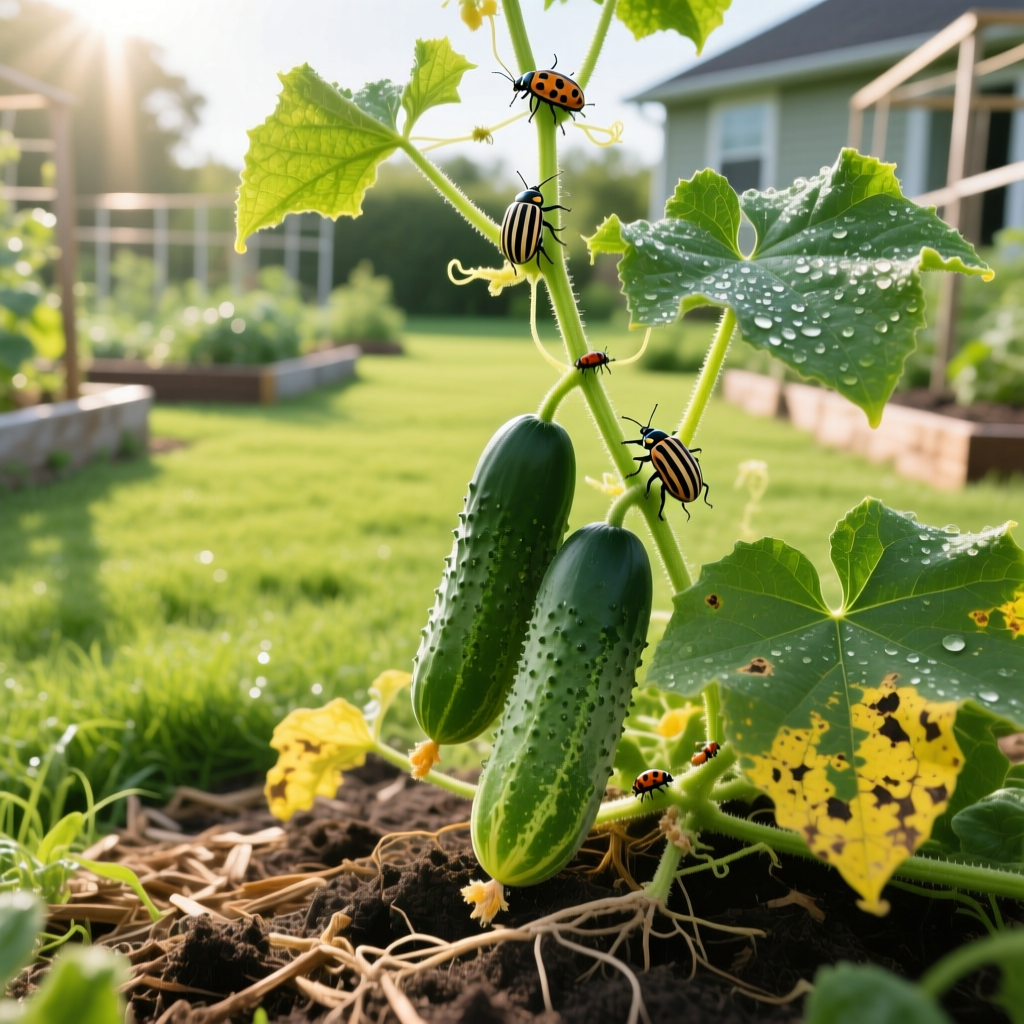
Managing Striped and Spotted Cucumber Beetles in Home Vegetable Gardens
Mike RodriguezPublished
Home vegetable gardening is a deeply rewarding endeavor, offering the satisfaction of cultivating your own food while enjoying the beauty of a thriving backyard ecosystem. However, few things can derail a promising growing season faster than a sudden pest invasion. For gardeners who cultivate cucurbits—such as cucumbers, squash, melons, and pumpkins—the striped and spotted cucumber beetles represent one of the most formidable threats. These small, seemingly innocuous insects can decimate foliage, scar developing fruit, and, most alarmingly, transmit fatal plant diseases.
Effective pest control in the home garden requires more than just reacting to damage; it demands a proactive, integrated approach. Understanding the life cycle, feeding habits, and vulnerabilities of these beetles is the first step toward protecting your harvest. In this comprehensive guide, we will explore how to identify these pests, understand the hidden dangers they carry, and implement a robust strategy of cultural, mechanical, and organic controls to keep your vegetable garden thriving season after season.
Identifying Striped and Spotted Cucumber Beetles
Before you can effectively manage a pest, you must accurately identify it. While they share similar habits and target the same host plants, the striped and spotted cucumber beetles are distinct species with unique physical characteristics. Both belong to the leaf beetle family (Chrysomelidae) and are roughly the same size, measuring about one-quarter of an inch in length, but their markings tell them apart.
The Striped Cucumber Beetle
The striped cucumber beetle (Acalymma vittatum) is easily recognized by its bright yellow wing covers (elytra) adorned with three distinct, longitudinal black stripes. It features a black head and a yellow thorax with a black spot. This species is highly specialized, feeding almost exclusively on cucurbit crops. The adults are incredibly active and will quickly drop to the ground or fly away when disturbed, making them notoriously difficult to catch by hand.
The Spotted Cucumber Beetle
The spotted cucumber beetle (Diabrotica undecimpunctata howardi), also commonly known as the southern corn rootworm, shares the same yellow-green base color but features twelve distinct black spots on its wing covers. Unlike its striped cousin, the spotted cucumber beetle has a much broader diet. While it heavily damages cucurbits, it will also feed on beans, corn, peas, and various ornamental plants. Both species possess a black head and black antennae.
Understanding the Life Cycle and Larval Damage
The damage caused by these pests is not limited to the adult beetles feeding on leaves and flowers. After mating in the spring, females lay their eggs in the soil at the base of host plants. The resulting larvae are small, white, worm-like grubs with brown heads. These larvae feed on the roots and underground stems of young plants, stunting their growth and making them more susceptible to environmental stress. After a few weeks of root feeding, they pupate in the soil and emerge as a second generation of adults in late summer, creating a continuous cycle of destruction that requires comprehensive general pest management strategies to break.
The Hidden Danger: Bacterial Wilt and Crop Damage
While the physical chewing damage to leaves, blossoms, and young fruit can be severe, the most devastating impact of the cucumber beetle is its role as a vector for plant pathogens. The most notorious of these is Erwinia tracheiphila, the bacterium responsible for cucurbit bacterial wilt.
The Mechanism of Bacterial Wilt
Bacterial wilt is a fatal disease that primarily affects cucumbers and melons, though squash and pumpkins can also be infected. The bacteria overwinter in the digestive tract of the adult beetles. When the beetles feed on a plant, they create small wounds in the foliage. As they feed, they defecate in these wounds, introducing the bacteria directly into the plant's vascular system (the xylem). Once inside, the bacteria multiply rapidly, blocking the flow of water and nutrients.
Recognizing the Symptoms
The symptoms of bacterial wilt are sudden and severe. A plant that appeared perfectly healthy in the morning may exhibit wilting on a single leaf or runner by the afternoon. Within a few days, the wilting spreads to the entire vine, leading to total collapse and death. To confirm bacterial wilt, gardeners can perform the "ooze test": cut a severely wilted stem near the base and place the cut end in a glass of water. If bacterial wilt is present, a milky white ooze will seep from the cut vascular bundles into the water within a few minutes. Unfortunately, there is no cure for bacterial wilt once a plant is infected; the only solution is to remove and destroy the infected plant to prevent further spread.
Direct Feeding Damage
Even without the presence of disease, the physical damage caused by both adult beetles and their root-feeding larvae can severely impact your yield. Adults skeletonize leaves, chew holes in blossoms (reducing pollination), and scar the rinds of developing fruit, making them unmarketable and susceptible to secondary fungal infections. Maintaining overall plant vigor through excellent soil health and preparation can help plants tolerate minor feeding damage, but heavy infestations will overwhelm even the healthiest crops.
Proactive Prevention Strategies for a Beetle-Free Garden
In the realm of organic gardening, prevention is always more effective and less labor-intensive than eradication. By altering the garden environment to make it less hospitable to cucumber beetles, you can drastically reduce their populations before they become a threat.
Crop Rotation and Garden Sanitation
Because cucumber beetle larvae feed on roots and pupate in the soil, planting cucurbits in the same bed year after year guarantees a built-in population of emerging pests. Practice strict crop rotation by avoiding planting any member of the cucurbit family in the same location more than once every three years. Additionally, clear away garden debris, old vines, and leaf litter at the end of the season, as adult beetles often use these materials to overwinter.
Utilizing Row Covers
Floating row covers made of lightweight, spun-bonded polyester are one of the most effective physical barriers against flying insects. Install the covers over your cucurbit seedlings immediately after planting, securing the edges tightly with soil mounds or landscape pins to prevent beetles from crawling underneath. However, because cucurbits require insect pollination to set fruit, you must remove the row covers once the plants begin to flower, or you will need to commit to hand-pollinating the blossoms yourself.
Trap Cropping Techniques
Trap cropping involves planting a highly attractive crop to lure pests away from your main harvest. Blue Hubbard squash is exceptionally attractive to cucumber beetles. By planting a perimeter of Blue Hubbard squash a week or two before planting your main cucumber and melon crops, you can draw the overwintering beetles to the trap crop. Once the beetles congregate on the trap crop, you can aggressively manage them using targeted organic sprays or by destroying the trap plants entirely, thereby protecting your primary garden beds.
Mulching and Weed Control
Applying a thick layer of organic mulch, such as straw or shredded leaves, around the base of your plants serves multiple purposes. It retains soil moisture, suppresses weeds, and creates a physical barrier that makes it difficult for female beetles to access the soil to lay their eggs. Furthermore, keeping the garden and surrounding areas free of weeds is crucial, as many broadleaf weeds serve as alternate hosts and hiding spots for these pests. For more tips on keeping your entire property clean, review our guide on weed control and prevention.
DIY and Organic Solutions for Active Infestations
When prevention methods are not enough and beetles breach your defenses, it is time to deploy direct control measures. Fortunately, there are numerous highly effective, eco-friendly DIY solutions that do not rely on harsh synthetic chemicals.
Mechanical Removal: Hand-Picking and Vacuuming
Because cucumber beetles are fast and drop to the ground when startled, hand-picking can be frustrating. A highly effective trick is to place a shallow bowl of soapy water beneath the leaf and gently tap the foliage; the beetles will drop directly into the water and drown. For larger infestations, use a handheld wet/dry vacuum or a modified household vacuum (place a piece of pantyhose inside the nozzle to prevent the beetles from entering the machine's internal filter) to suck the pests directly off the plants. Empty the vacuum contents into a sealed bag of soapy water immediately.
Botanical Sprays: Neem Oil and Pyrethrin
Neem oil is a fantastic organic option that acts as an antifeedant and growth disruptor. When sprayed on foliage, it deters beetles from feeding and interferes with their hormonal systems, reducing reproduction. Apply neem oil in the early evening to avoid harming beneficial pollinators and to prevent leaf burn from the sun. For severe, immediate knockdown, organic pyrethrin sprays (derived from chrysanthemum flowers) can be used, but they must be applied with extreme caution, as they are highly toxic to bees and aquatic life. Always spray at dusk when bees are no longer foraging.
Kaolin Clay Barrier
Kaolin clay is a non-toxic, finely ground mineral that, when mixed with water and sprayed onto plants, leaves a powdery white film. This film irritates the beetles and masks the visual and olfactory cues they use to find their host plants. Products containing kaolin clay are highly effective at deterring feeding and egg-laying without harming beneficial insects or the environment.
Biological Controls: Beneficial Nematodes and Predators
To target the destructive larval stage in the soil, apply beneficial nematodes (specifically Steinernema carpocapsae or Heterorhabditis bacteriophora). These microscopic worms are watered into the soil, where they actively seek out and infect soil-dwelling grubs and pupae. Additionally, encourage natural predators by planting a diverse array of flowering herbs and native plants. Tachinid flies, soldier beetles, and braconid wasps are all natural enemies of the cucumber beetle. Adopting holistic organic lawn care practices across your entire property will help foster a robust population of these beneficial insects.
When to Call Pest Control Professionals
While most home gardeners can manage cucumber beetle populations using the cultural and DIY methods outlined above, there are scenarios where professional intervention becomes necessary. If you are managing a large-scale market garden, a sprawling homestead, or if your property is bordered by unmanaged, weedy areas that serve as a constant reservoir for re-infestation, DIY methods may fall short.
Professional pest control experts who specialize in Integrated Pest Management (IPM) can conduct thorough property assessments to identify breeding grounds and overwintering sites that the average homeowner might miss. They have access to specialized, commercial-grade biological controls and targeted, low-impact botanical treatments that are not available on retail shelves. Furthermore, if your garden is suffering from a systemic outbreak of bacterial wilt that threatens to spread to neighboring properties or commercial farms, a professional can help implement strict quarantine and sanitation protocols. If you are also dealing with turf-destroying grubs that share similar life cycles, consulting a professional who understands the broader ecosystem—such as those experienced in identifying and managing Japanese beetles—can provide a comprehensive solution for your entire landscape.
Frequently Asked Questions
What plants do cucumber beetles attack besides cucumbers?
While cucumbers are their namesake, these beetles are a major threat to the entire cucurbit family. This includes zucchini, summer squash, winter squash, pumpkins, cantaloupes, and watermelons. The spotted cucumber beetle is even less discriminating and will readily feed on sweet corn, beans, peas, potatoes, and various ornamental flowers and weeds. If you are planting any of these crops, you must remain vigilant for beetle activity.
Will cucumber beetles destroy my lawn or grass?
No, cucumber beetles do not pose a threat to your turfgrass. They are broadleaf feeders and are specifically attracted to the chemical compounds emitted by cucurbits and certain other garden vegetables. However, the larvae of the spotted cucumber beetle (the southern corn rootworm) do feed on the roots of grasses, including corn and certain ornamental grasses, but they rarely cause noticeable damage to standard residential lawn turf. If your lawn is suffering from root damage, you are likely dealing with a different pest, such as white grubs.
How do I know if my plant has bacterial wilt or just needs water?
Drought stress and bacterial wilt can look remarkably similar in the early stages, as both cause leaves to droop and lose turgor pressure. The key difference lies in the plant's recovery. A plant suffering from drought stress will typically perk up and recover its rigidity within a few hours of receiving a deep watering, especially if watered in the cool of the evening. A plant infected with bacterial wilt will not recover, regardless of how much water it receives. The wilting will progress rapidly from a single vine to the entire plant over the course of a few days, ultimately leading to a crisp, dead vine.
Can I use chemical pesticides safely around edible vegetables?
While there are synthetic chemical pesticides registered for use on edible crops, they are generally discouraged for home gardeners dealing with cucumber beetles. Broad-spectrum synthetic insecticides will indiscriminately kill the bees, wasps, and flies required to pollinate your squash and cucumber blossoms, which will result in a failed harvest even if the beetles are eradicated. Furthermore, frequent use of synthetic chemicals leads to pesticide resistance. Sticking to targeted, organic methods like neem oil, kaolin clay, and row covers is vastly safer for your family, your local ecosystem, and your ultimate yield.
Do cucumber beetles bite humans or pets?
No, cucumber beetles do not bite humans, dogs, cats, or other pets. Their mouthparts are designed exclusively for chewing plant tissue, and they have no interest in or ability to bite animals. They are strictly an agricultural and horticultural nuisance. If you find them crawling on you while gardening, simply brush them off. The only risk they pose to humans is the potential destruction of your homegrown food supply and the frustration of losing a season's hard work to bacterial wilt.

